Source Automatic Tilting Caster for Hospital Beds, Carts, and Medical Equipment
Find and compare 30 Automatic Tilting Caster options from verified Chinese manufacturers. Evaluate specifications including wheel materials like PU and nylon, brake types, and load capacities to select the right casters for your industrial or medical applications; compare the available evidence and request quotations based on your requirements.
Key considerations
Products List


High Automation Centrifugal Caster Reduces Labor Cost and Human Error
$168000.00 - $198000.00
MOQ: 1 Pieces


Comprehensive Sourcing Guide
Automatic Tilting Caster Sourcing Guide
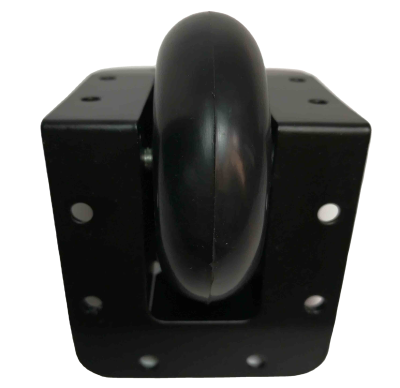
The Automatic Tilting Caster represents a specialized category of rotating wheel equipment designed to adapt to uneven surfaces while maintaining directional stability. Based on observed market listings, these units frequently feature brake mechanisms that can be configured with or without braking capabilities, allowing buyers to select the exact level of control required for their specific logistics environment. The product range includes various wheel materials such as nylon, PU, and TPU, each offering distinct performance characteristics regarding load capacity and floor protection.
Procurement decisions must account for the diverse model numbers and size specifications currently available, ranging from compact 1.5-inch units to heavy-duty 12-inch variants. Buyers should verify that the selected model aligns with the required swivel radius and load height, as these dimensions directly impact maneuverability in tight spaces. The availability of customization options suggests that suppliers can tailor specific attributes, but the core mechanical design must remain consistent with the intended application to ensure reliable operation under dynamic loads.
Product Scope and Observed Listing Signals
Market analysis indicates a wide spectrum of product configurations, with observed listings featuring steel ball diameters of 16mm and wheel sizes spanning from 1.5 inches up to 12 inches. The presence of multiple model identifiers, such as AD1202-S and 2-4T20S-201G, signals a fragmented supply chain where buyers must carefully cross-reference specifications rather than relying on generic descriptions. Packaging varies significantly between carton, paper carton, and bulk bag formats, which influences shipping costs and on-site storage requirements.
Buyers should note that color options like black, grey, white, and red are available, though these aesthetic choices should not distract from functional requirements. The observed price range is exceptionally broad, extending from nominal values to six-figure sums, which reflects the variance in material quality, load ratings, and customization levels. It is critical to distinguish between standard catalog items and bespoke solutions, as the latter often involve longer lead times and specific engineering validation before production begins.
Technical Specifications to Verify
Technical due diligence must begin with the verification of wheel material properties, as nylon, PU, and plastic wheels offer different trade-offs between durability and floor compatibility. The surface treatment processes, including zinc plating and paint spraying, are essential for corrosion resistance, particularly in environments where moisture or chemical exposure is a risk. Buyers must confirm the bearing type, with ball bearings being a common standard, to ensure smooth rotation and reduced friction under heavy loads.
Dimensional accuracy is paramount, requiring verification of the swivel radius, which is observed at 84mm for certain models, and the load height, typically around 130mm. The wheel size specifications, ranging from 2.5 inches to 12 inches, must be matched precisely to the floor conditions and the weight of the equipment being moved. Additionally, the presence of a brake mechanism, whether standard or optional, must be confirmed against the safety protocols of the facility to prevent unintended movement during loading or unloading operations.
Compliance and Safety Documentation
Safety compliance in the caster industry often references standards such as SGS, which buyers should request as proof of material and structural integrity. While specific certification documents are not universally listed for every model, the presence of such standards in product descriptions indicates a baseline commitment to quality assurance. Procurement teams must ensure that the supplier can provide traceable documentation for the surface treatments and material compositions to verify that they meet local safety regulations.
Documentation regarding the origin of the product, whether from Shenzhen, Dongguan, or other regions in China, is vital for supply chain transparency and potential tariff assessments. Buyers should verify that the supplier maintains records of the manufacturing process, including the specific surface finish techniques used, to ensure consistency across batches. Without clear evidence of compliance with recognized standards, the risk of product failure or liability issues increases significantly, making thorough documentation review a non-negotiable step in the sourcing process.
Cost Drivers and Commercial Terms
The commercial landscape for automatic tilting casters is influenced heavily by the complexity of the customization available and the specific material choices made. The observed minimum order quantities (MOQ) range from 1 to 2000 units, offering flexibility for small-scale projects while potentially requiring bulk commitments for large industrial deployments. Pricing structures vary widely, necessitating a detailed breakdown of costs related to wheel material, bearing quality, and any special surface treatments like zinc plating.
Buyers must negotiate clear terms regarding packaging, as options range from individual cartons to bulk bags containing 100 units, which affects both unit cost and logistics efficiency. The lead time and production capacity are often tied to the specific model number and the availability of raw materials like TPU or nylon. It is essential to clarify whether the quoted price includes the cost of customization or if these are separate line items, as this distinction can significantly impact the total cost of ownership.
Supplier Qualification and Quality Control
Supplier qualification requires a rigorous assessment of their manufacturing capabilities, particularly their ability to maintain consistency across different model numbers and material types. The presence of multiple origin locations, including Guangdong province, suggests a robust supply network, but buyers must verify the specific factory's quality control protocols for each product line. Inspection of the surface finish and bearing assembly is critical, as these are common points of failure in caster applications.
Quality control processes should include verification of the steel ball diameter and the structural integrity of the swivel mechanism. Buyers should request sample units to test the swivel radius and load height against the stated specifications before committing to a large order. The ability of the supplier to provide consistent product standards, such as the 32.7x25x30cm packaging dimensions or specific model identifiers, is a strong indicator of their operational maturity and reliability in meeting procurement requirements.
Long-Term Procurement Checks
Long-term procurement success depends on establishing a relationship with suppliers who can support ongoing maintenance and replacement needs. Buyers should verify the availability of spare parts and the consistency of product specifications over time, as changes in wheel material or surface treatment can affect performance. The ability to source specific model numbers like 113518 or 155101 consistently is crucial for maintaining fleet uniformity and simplifying inventory management.
Regular audits of the supplier's production standards and adherence to the agreed-upon specifications are necessary to prevent quality drift. Buyers must monitor the supplier's response to any deviations in product attributes, such as changes in color or packing dimensions, to ensure that the supply chain remains stable. Establishing clear communication channels for technical support and quality assurance will help mitigate risks associated with long-term usage and ensure that the automatic tilting casters continue to meet operational demands.
FAQs
What wheel materials are available for automatic tilting casters?
Automatic tilting casters are available with wheels made from nylon, polyurethane (PU), thermoplastic polyurethane (TPU), and plastic. Nylon and PU options are common for industrial applications, offering durability and smooth rolling. TPU provides high wear resistance. Plastic wheels are suitable for lighter loads. These materials ensure compatibility with various floor types and load requirements in commercial settings.
Can automatic tilting casters be customized for specific needs?
Yes, customization is available for automatic tilting casters to meet specific operational requirements. Buyers can select from various wheel sizes ranging from 1.5 inches to 12 inches. Options include different brake configurations, such as with or without brakes. Surface treatments like zinc plating and paint spraying are also offered. This flexibility ensures the casters fit specific equipment dimensions and environmental conditions.
Which specifications define the load capacity and size of these casters?
Specifications include wheel sizes from 1.5 to 12 inches and load heights around 130 mm. The swivel radius is typically 84 mm. Models like AD1202-S and 2-4T20S-201G indicate specific design parameters. Steel ball diameters may be 16 mm. These dimensions help determine the caster's suitability for specific carts or machinery, ensuring stable movement and appropriate weight distribution for the intended application.
How are automatic tilting casters packaged for shipping?
Automatic tilting casters are packaged in cartons, paper cartons, or specific packages to ensure safe transit. Standard packing dimensions vary, with some items packed at 32.7x25x30 cm. Other configurations use bags containing 100 units each. Packaging dimensions like 260x210x185 mm are also used. Proper packaging protects the casters from damage during logistics and storage, maintaining product quality until installation.
What standards and certifications apply to these caster products?
Products may adhere to SGS standards for quality assurance. Specific models are categorized by wheel material and size, such as 1.5 to 3-inch PU casters or 2.5 to 5-inch nylon casters. These standards ensure reliability and performance. Buyers should verify specific model certifications for their application. Compliance with recognized standards helps in selecting casters that meet industrial safety and durability requirements for long-term use.
Where are automatic tilting casters typically manufactured?
These casters are typically manufactured in China, with origins in Shenzhen, Guangdong, and Dongguan. These regions are known for robust manufacturing capabilities in hardware and industrial components. Sourcing from these locations offers access to a wide variety of caster designs and materials. Buyers can leverage the established supply chain infrastructure in these areas to find reliable suppliers for bulk orders.