Source Jewelry Chain Making Machine for Necklace, Earring, Ring
Find 30 Jewelry Chain Making Machine options from Chinese manufacturers. Compare specifications like power, weight, and voltage for necklace, earring, and ring production. Evaluate features such as automatic operation and PLC control to select the right equipment for your jewelry casting needs.
Key considerations
Products List
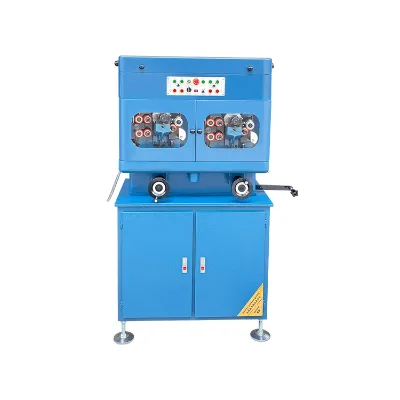
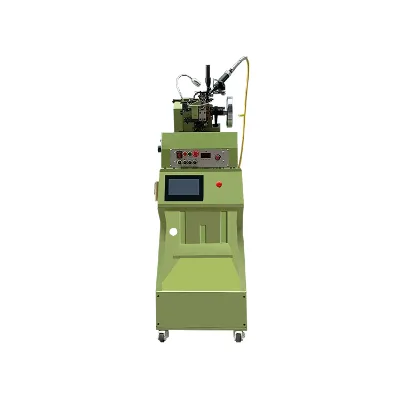
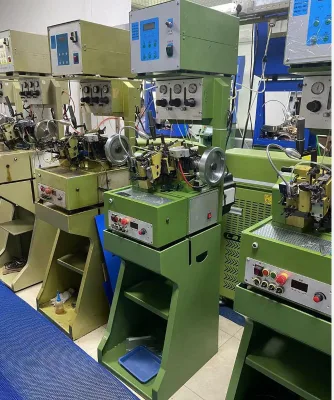
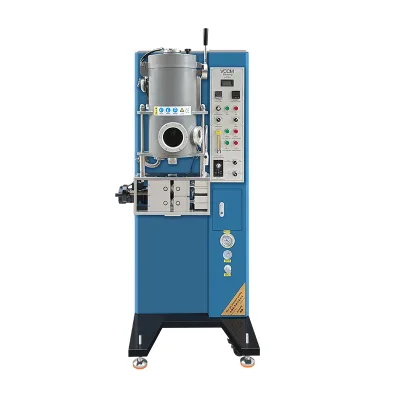
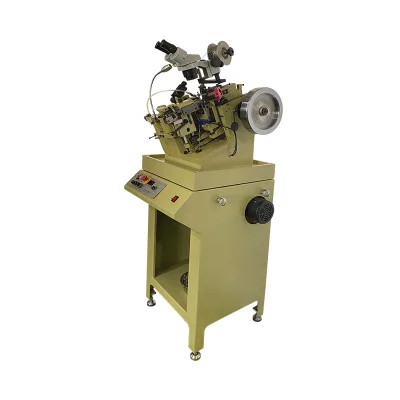
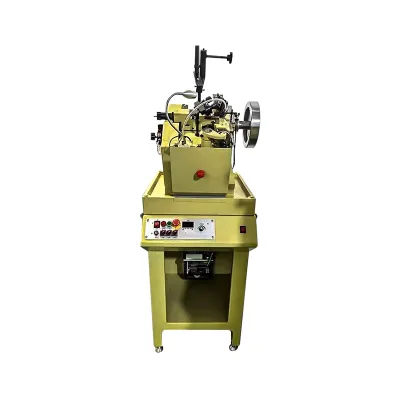
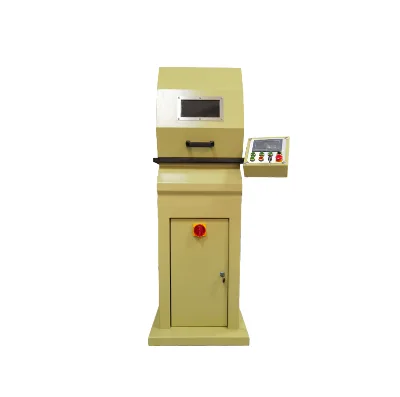
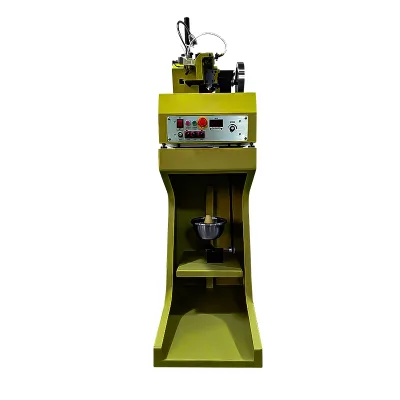
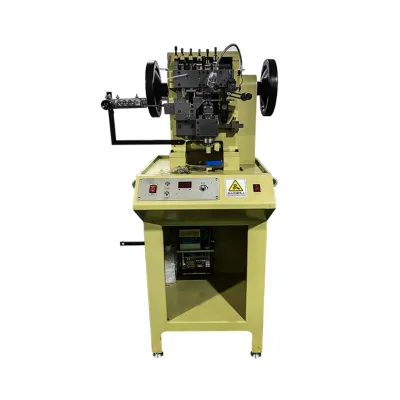
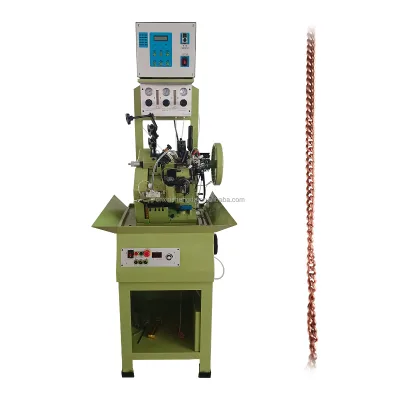

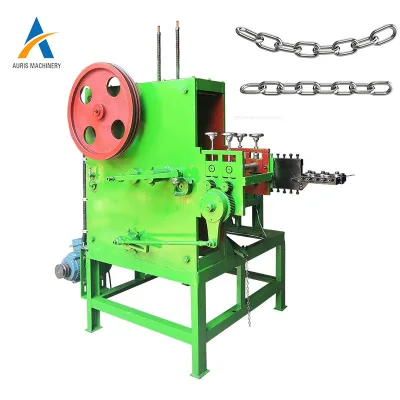
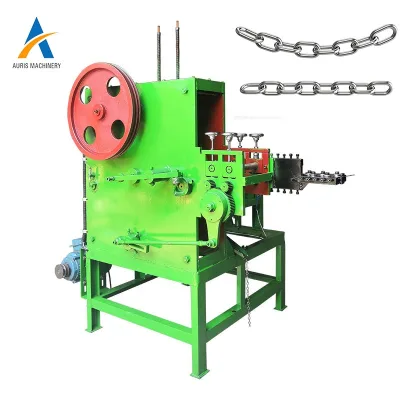
High-Performance Automatic Chain Making Machine for Efficient Production
$6000.00 - $8000.00
MOQ: 1 Sets


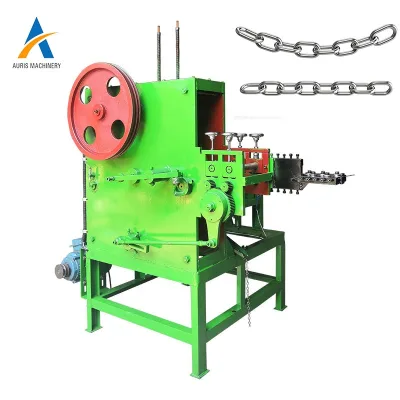


Comprehensive Sourcing Guide
Jewelry Chain Making Machine Sourcing Guide
Sourcing jewelry chain making machines requires a clear understanding of the diverse machinery types available in the market, ranging from automatic chain makers to gold ingot machines and casting equipment. Buyers must first define their specific production needs, such as whether they require tools for necklace, earring, or ring making, or if they need general DIY capabilities. The observed product landscape includes machines with varying core components, such as motors, and different material constructions like galvanized steel or standard steel frames. Understanding these distinctions is crucial for aligning machine capabilities with your intended output, ensuring that the selected equipment supports your specific jewelry manufacturing workflow without unnecessary complexity or cost.
The procurement process also involves evaluating key operational attributes that influence daily efficiency and long-term reliability. Factors such as voltage requirements, power consumption, and automatic grading play significant roles in determining how seamlessly a machine integrates into your existing factory infrastructure. For instance, some units operate on standard 220V 50Hz power, while others may have different electrical needs. Additionally, features like remote control capabilities, famous brand PLCs, and automatic lubrication systems can enhance operational ease and reduce manual intervention. Buyers should carefully review these technical specifications to ensure compatibility with their facility’s power supply and to maximize the potential for streamlined, high-volume production in a professional jewelry manufacturing environment.
Product Scope and Observed Listing Signals
The current market listings for jewelry chain making machines reveal a wide spectrum of product types, including automatic chain making machines, gold ingot machines, and general jewelry casting equipment. Observed listings indicate that these machines are often marketed with specific usage claims, such as making necklace chains, earrings, or rings, and are frequently described as suitable for DIY applications. The material composition varies, with some units constructed from galvanized steel for durability, while others use standard steel or are designed to process materials like gold, silver, and stainless steel. This diversity suggests that buyers must carefully match the machine’s physical construction and intended material processing capabilities to their specific production goals, avoiding mismatches that could lead to operational inefficiencies or premature wear.
Listing signals also highlight significant variations in physical dimensions, weight, and power specifications, which are critical for logistical planning and facility setup. For example, observed dimensions range from compact units measuring approximately 70x60x186 cm to larger machines spanning 97x65x165 cm, with weights varying from 125 kg to 650 kg. Power ratings differ as well, with some machines operating at 1.1KW or 1100W, while others may support up to 2KW. These physical and electrical parameters directly impact shipping costs, floor space requirements, and electrical infrastructure needs. Buyers should prioritize verifying these exact specifications for each potential purchase to ensure that the machine fits within their designated workspace and can be supported by their existing power grid without requiring extensive modifications.
Technical Specifications to Verify
When evaluating technical specifications, buyers must prioritize the verification of voltage, power, and motor components to ensure operational compatibility and safety. Observed listings show a prevalence of 220V 50Hz systems, but it is essential to confirm the exact electrical requirements for each specific model, as deviations can lead to equipment damage or safety hazards. The power ratings, ranging from 1100W to 2KW, indicate varying energy consumption levels that will affect operational costs. Additionally, the presence of a motor as a core component underscores the importance of verifying motor quality and brand, as this directly influences the machine’s performance, noise levels, and longevity. Buyers should request detailed electrical schematics and motor specifications to ensure that the equipment aligns with their facility’s power distribution system and meets their production speed requirements.
Dimensional and weight specifications are equally critical for planning installation, maintenance access, and logistics. Listings provide various dimensions, such as 60x70x168 cm or 70x80x188 cm, and weights ranging from 180 kg to 650 kg, which must be cross-referenced with the specific model number to avoid confusion. Buyers should verify the single package size and gross weight to accurately calculate shipping costs and ensure that their facility can accommodate the machine’s footprint. Furthermore, features like automatic lubrication and wire diameter compatibility, observed in ranges like 0.5-2.5mm, should be confirmed to ensure the machine can handle the specific chain types and materials you intend to produce. Accurate verification of these physical and operational parameters prevents costly installation errors and ensures smooth integration into your production line.
Compliance and Safety Documentation
Compliance and safety documentation are paramount when sourcing industrial machinery, yet observed listings often indicate that machinery test reports are not available. Buyers must proactively request comprehensive safety certifications and compliance documents from suppliers to ensure that the equipment meets international safety standards. This includes verifying electrical safety certifications, such as CE or UL marks, which confirm that the machine’s electrical components, including motors and PLCs, have been tested for safe operation. Without these documents, buyers risk importing equipment that may not meet local regulatory requirements, leading to potential customs delays, fines, or operational shutdowns. It is crucial to treat the absence of test reports as a red flag and insist on third-party verification of electrical and mechanical safety before finalizing any purchase agreement.
In addition to electrical safety, buyers should inquire about documentation related to machine operation and maintenance safety. Features like automatic lubrication systems and remote controls introduce specific safety considerations that must be addressed through proper user manuals and safety guidelines. Suppliers should provide detailed instructions on safe operation, emergency stop procedures, and maintenance protocols to minimize the risk of workplace accidents. Buyers should also verify if the machine includes necessary safety guards or interlocks, particularly for moving parts like the motor and chain-making mechanisms. Ensuring that all safety-related documentation is complete and accessible helps protect your workforce and ensures that the machine can be operated efficiently and safely in a professional manufacturing environment.
Cost Drivers and Commercial Terms
Cost drivers for jewelry chain making machines are influenced by several factors, including the machine’s complexity, material construction, and included features. Listings indicate a broad price range, suggesting that costs vary significantly based on specifications such as power rating, automatic grade, and brand components like famous PLCs. Buyers should analyze these features to understand the value proposition of each machine, recognizing that higher prices may correlate with greater automation, durability, or advanced control systems. Additionally, the material used, such as galvanized steel versus standard steel, can impact both the initial cost and the long-term maintenance expenses. Understanding these cost drivers allows buyers to make informed decisions that balance upfront investment with operational efficiency and longevity.
Commercial terms, including MOQ and warranty, also play a significant role in the total cost of ownership. Observed listings show an MOQ of 1 set, which offers flexibility for small to medium-sized businesses, but buyers should negotiate for favorable terms regarding shipping, installation, and training. Warranty periods vary, with some listings offering 1 year and others 2 years, which can significantly reduce long-term maintenance costs. Buyers should carefully review warranty coverage to understand what components are included and what conditions might void the warranty. Additionally, considering the competitive price claims in listings, buyers should seek detailed quotations that break down costs for spare parts, consumables, and potential upgrades. Transparent commercial terms help buyers budget accurately and avoid unexpected expenses during the machine’s lifecycle.
Supplier Qualification and Quality Control
Supplier qualification is a critical step in ensuring the reliability and quality of jewelry chain making machines. Buyers should verify the supplier’s place of origin, with many listings indicating Guangdong, China, as a common manufacturing hub. While this region is known for its industrial capabilities, buyers must conduct thorough due diligence to assess the supplier’s reputation, production capacity, and quality control processes. Requesting video outgoing-inspections, as mentioned in some listings, can provide valuable insights into the machine’s condition and functionality before shipment. However, buyers should not rely solely on these videos and should consider third-party inspections or factory audits to verify the supplier’s claims and ensure that the machine meets the specified technical requirements.
Quality control measures should extend beyond the initial inspection to include ongoing support and maintenance. Buyers should inquire about the supplier’s after-sales service, including the availability of technical support, spare parts, and repair services. The presence of a warranty, whether 1 or 2 years, is a positive indicator, but buyers should clarify the terms and conditions to ensure adequate coverage. Additionally, verifying the supplier’s ability to provide detailed user manuals and training materials is essential for ensuring that your staff can operate the machine safely and efficiently. By prioritizing suppliers with robust quality control and support systems, buyers can minimize the risk of operational disruptions and ensure a smoother integration of the new machinery into their production workflow.
Long-Term Procurement Checks
Long-term procurement checks involve monitoring the machine’s performance and maintenance needs to ensure sustained operational efficiency. Buyers should establish a regular maintenance schedule based on the machine’s specifications, such as automatic lubrication requirements and motor care. Tracking performance metrics, such as production speed and wire diameter consistency, can help identify potential issues early and prevent costly downtime. Additionally, buyers should maintain open communication with the supplier for any technical support or spare parts needs, ensuring that the machine remains in optimal condition throughout its service life. Proactive maintenance and performance monitoring are key to maximizing the return on investment and extending the machine’s operational lifespan.
Furthermore, buyers should periodically review the supplier’s product updates and new models to stay informed about technological advancements in jewelry chain making machinery. This can help identify opportunities for upgrades or replacements that may offer improved efficiency or features. Keeping detailed records of all procurement activities, including warranties, service agreements, and maintenance logs, is essential for effective asset management. By implementing these long-term checks, buyers can ensure that their jewelry chain making machines continue to meet production demands and maintain high standards of quality and safety. This strategic approach to procurement and asset management supports sustainable growth and operational excellence in the jewelry manufacturing industry.
FAQs
What is the warranty period for these machines?
The warranty period is typically 2 years for most models, though some specific units may offer 1 year coverage. This ensures long-term operational reliability for jewelry chain making tools. Buyers should verify the exact term for their selected model number before finalizing the purchase agreement.
Which materials can these machines process effectively?
These machines are designed to process gold, silver, and stainless steel materials for various jewelry applications. They support automatic grades and can handle wire diameters ranging from 0.5 to 2.5mm. This versatility allows for making necklaces, earrings, and rings with different designs.
How much does the machine weigh and what are dimensions?
Weights vary significantly by model, ranging from 125kg to 650kg depending on the specific machinery type. Dimensions also differ, with common sizes around 97x65x165cm or 70x60x186cm. Buyers must check the specific model number to confirm exact physical specifications for their facility.
Can I operate these machines with remote control features?
Yes, many models feature remote control capabilities and famous brand PLC systems for easy operation. These key selling points ensure competitive pricing and long service life while simplifying the manufacturing process. The automatic lubrication and speed settings further enhance user convenience during production.
What is the minimum order quantity for purchasing?
The minimum order quantity is generally 1 set or 1 single item for most jewelry chain making machines. Some listings indicate an MOQ of 1-2 units, allowing small businesses to start production without large initial inventory commitments. This flexibility supports diverse buyer needs across different market segments.
Where are these machines manufactured and what is the origin?
These machines originate from Guangdong, China, with some listings specifying China as the general place of origin. The manufacturing location ensures access to established supply chains for core components like motors. Buyers should verify specific factory details when requesting machinery test reports or video outgoing inspections.
What power consumption and voltage requirements are needed?
Power requirements typically range from 1.1KW to 2KW, operating at 220V 50Hz voltage standards. Specific models like the HS-2000 may require 1100W power input. Ensuring compatible electrical infrastructure is essential for safe and efficient operation of these automatic chain making machines in any workshop setting.