Source Automatic Top Feed Spiral Crusher for Poultry, Livestock, and Feed Plants
Compare 30 verified listings for the Automatic Top Feed Spiral Crusher designed for poultry farms, livestock operations, and animal feed plants. Buyers can evaluate specifications like capacity, voltage, and customization options to find the right machinery for grain and soybean processing.
Key considerations
Products List

Customizable Vertical Grain Crusher for Durable Feed Production Applications
$1080.00 - $1700.00
MOQ: 10 Pieces

Efficient Vertical Grain Crusher for Premium Feed Production Applications
$1080.00 - $1700.00
MOQ: 10 Pieces

Customized Vertical Self-Priming Animal Feed Grinder and Grain Crusher
$420.00 - $2030.00
MOQ: 10 Pieces

Vertical Self-Priming Mill Crusher for Reliable Animal Feed Production
$420.00 - $2030.00
MOQ: 10 Pieces

Advanced Vertical Grain Crusher for High-Volume Animal Feed Production
$1080.00 - $1700.00
MOQ: 10 Pieces

Vertical Self-Priming Mill Crusher for Optimal Animal Feed Production
$420.00 - $2030.00
MOQ: 10 Pieces
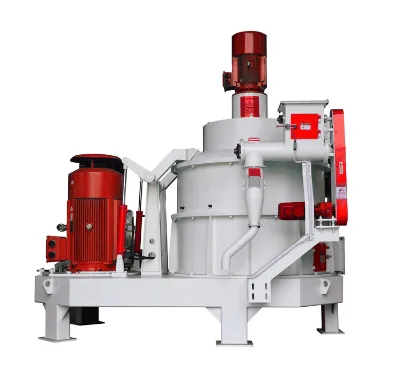


Hot Sale Durable Robust High Throughput Ultrafine Crusher for The Feed Industry
$8000.00 - $80000.00
MOQ: 1 Sets


Reliable Mini Plastic Crusher Machine for Effective Waste Management
$3900.00 - $5900.00
MOQ: 1 Pieces


Comprehensive Sourcing Guide
Automatic Top Feed Spiral Crusher Sourcing Guide
Sourcing industrial crushing equipment requires a disciplined approach to aligning technical specifications with operational needs. The market for automatic top feed spiral crushers is diverse, with listings often blending various machine types under broad terminology. Buyers must navigate a landscape where product attributes such as expanding methods, grinding equipment types, and pellet mill configurations vary significantly. This guide provides a structured framework for evaluating suppliers and machines, ensuring that procurement decisions are based on verified data rather than marketing claims. By focusing on observable listing signals and critical technical parameters, buyers can mitigate risks associated with mismatched equipment and unexpected operational failures.
The following sections detail the essential steps for evaluating potential suppliers and machines. Each section is designed to help buyers make informed decisions by highlighting key verification points and commercial considerations. The goal is to provide a comprehensive overview of the sourcing process, from initial product identification to long-term maintenance planning. By adhering to these guidelines, buyers can ensure that their procurement efforts are efficient, cost-effective, and aligned with their specific production requirements.
Product Scope and Observed Listing Signals
The observed market for crushing and feed processing equipment includes a wide range of machinery, from feed hammer mills to single screw bulking machines and flat die pelletizers. Listings often feature products with specific attributes such as wet expansion methods, vertical machine designs, and various voltage configurations like 380V. Buyers should note that the term "Automatic Top Feed Spiral Crusher" may encompass different machine types, including self-priming tooth claw crushers and roll crushers. It is crucial to verify the specific grinding equipment type and processing technics, such as crushing-before-mixing, to ensure the machine aligns with the intended application.
Observed listing signals indicate a price range of 300-80000 USD, with minimum order quantities (MOQ) typically between 1 and 10 units. Products are often described with attributes like "high-calorie high-efficiency" and "high efficiency and energy saving," which should be treated as observations rather than guaranteed performance claims. Buyers should also pay attention to the condition of the machines, which are generally listed as new, and the availability of customization options. Understanding these signals helps in filtering relevant listings and focusing on suppliers who offer the specific features required for the intended use case.
Technical Specifications to Verify
Verifying technical specifications is critical to ensuring that the purchased equipment meets operational requirements. Key attributes to verify include the machine design, such as vertical configurations, and the voltage requirements, which are often 380V. Buyers should also check the screen mesh configuration, as some machines come with screen mesh while others do not. The capacity of the machine, ranging from 1-7 tons per hour to 3 tons per batch, should be matched with the production volume needs. Additionally, the raw material compatibility, such as soybean, red bean, and grain, should be confirmed to ensure the machine can handle the intended feedstock.
Other important specifications include the dimensions of the machine, which can vary significantly, and the weight, which is often around 650 kg. Buyers should also verify the automation level, with options ranging from semi-automatic to fully automatic systems. The presence of core components like engines and the availability of machinery test reports are also critical factors. By carefully reviewing these specifications, buyers can avoid purchasing equipment that is unsuitable for their specific application and ensure that the machine integrates seamlessly into their existing production line.
Compliance and Safety Documentation
Compliance and safety documentation are essential for ensuring that the purchased equipment meets regulatory standards and operates safely. Buyers should request machinery test reports, which are often provided by suppliers, to verify the performance and safety of the machine. The warranty period, typically one year, should be clearly defined in the contract, covering any defects or malfunctions that may arise during this period. Buyers should also verify the origin of the machine, with many products originating from regions like Jiangsu, Shandong, and Henan in China, to ensure that the supplier adheres to local manufacturing standards.
In addition to test reports and warranties, buyers should check for any relevant certifications or standards that the machine may comply with. While specific standards are not always listed, buyers should inquire about the machine's compliance with international safety and quality standards. This includes verifying the electrical safety of the machine, especially given the 380V voltage requirement, and ensuring that the machine is designed to prevent accidents during operation. By prioritizing compliance and safety, buyers can protect their workforce and avoid potential legal issues associated with non-compliant equipment.
Cost Drivers and Commercial Terms
Understanding the cost drivers and commercial terms is crucial for negotiating favorable procurement deals. The price range of 300-80000 USD reflects the variability in machine specifications, capacity, and features. Buyers should consider factors such as the automation level, core components, and customization options, which can significantly impact the final price. The MOQ, typically between 1 and 10 units, also plays a role in determining the cost per unit, with larger orders potentially offering better economies of scale.
Commercial terms, including payment methods, delivery times, and after-sales support, should be clearly defined in the contract. Buyers should negotiate for favorable terms, such as extended warranties or free maintenance services, to reduce long-term costs. It is also important to consider the packaging of the machine, which can vary from wooden boxes to film and iron boxes, as this can affect shipping costs and the risk of damage during transit. By carefully evaluating these factors, buyers can optimize their procurement strategy and achieve the best value for their investment.
Supplier Qualification and Quality Control
Supplier qualification and quality control are vital for ensuring that the purchased equipment meets the required standards. Buyers should verify the supplier's reputation and experience in manufacturing crushing and feed processing equipment. This can be done by reviewing customer testimonials, case studies, and any available certifications or awards. Suppliers with a proven track record of delivering high-quality machines are more likely to provide reliable after-sales support and timely delivery.
Quality control measures, such as machinery test reports and factory inspections, should be implemented to ensure that the machine meets the specified performance criteria. Buyers should also verify the supplier's production capacity and lead times to ensure that they can meet the project timeline. By conducting thorough supplier qualification and quality control checks, buyers can minimize the risk of receiving substandard equipment and ensure that the machine operates efficiently throughout its lifecycle.
Long-Term Procurement Checks
Long-term procurement checks are essential for maintaining the performance and reliability of the purchased equipment. Buyers should establish a maintenance schedule that includes regular inspections, cleaning, and lubrication of the machine. This helps to prevent wear and tear and extends the lifespan of the equipment. Buyers should also keep a record of all maintenance activities and any repairs that are performed, which can be useful for troubleshooting and warranty claims.
In addition to maintenance, buyers should monitor the machine's performance over time, tracking metrics such as throughput, energy consumption, and downtime. This data can help identify potential issues early and allow for proactive maintenance. Buyers should also stay updated on any new technologies or upgrades that may improve the efficiency of the machine. By implementing long-term procurement checks, buyers can ensure that their investment continues to deliver value and supports their production goals.
FAQs
What is the voltage requirement for the Automatic Top Feed Spiral Crusher?
The machine operates on 380V voltage as specified in the product attributes. This standard voltage ensures compatibility with industrial power supplies commonly found in poultry and livestock feed plants across China.
Can the Automatic Top Feed Spiral Crusher be customized for specific needs?
Yes, customization is available for this equipment to meet unique production requirements. Buyers can request specific modifications to the design or capacity while maintaining the core functionality of the crushing process.
Which grinding equipment type is used in the Automatic Top Feed Spiral Crusher?
The system utilizes a Feed Hammer Mill or Roll Crusher depending on the specific model configuration. These types are selected to ensure efficient crushing of granular materials like soybean, red bean, and grain for animal feed.
How is the Automatic Top Feed Spiral Crusher packaged for shipping?
The machine is packed in a wooden box, sometimes with additional film or iron box protection. This robust packaging ensures the equipment remains secure during transit from the origin in Jiangsu, Shandong, or Henan, China.
What is the warranty period for the Automatic Top Feed Spiral Crusher?
The product comes with a 1-year warranty covering core components like the engine. This warranty provides assurance for the new condition of the machinery and supports long-term operational reliability for buyers.
Can the Automatic Top Feed Spiral Crusher handle high-calorie feed materials?
Yes, the machine is designed with high-calorie high-efficiency features for processing feed materials. It effectively handles granular shapes such as soybean and grain, making it suitable for poultry, cattle, and sheep feeding applications.