Source Automatic Traction Battery for Forklifts, UPS, and Cars
Find reliable Automatic Traction Battery options for forklifts, UPS systems, and automotive applications. Compare 30 listings featuring lead-acid technology, 2V to 80V ratings, and continuous production capabilities to identify suitable industrial power solutions; compare the available evidence and request quotations based on your requirements.
Key considerations
Products List


Maintenance-Free-Rechargeable Traction Tubular Battery, Rechargeable Battery
$100.00 - $150.00
MOQ: 10 Pieces



Complete Battery Assembly System for Modern Manufacturing Needs
$1000000.00 - $1500000.00
MOQ: 1 Pieces


Comprehensive Electric Vehicle Battery Pack Assembly Support Service
$1000000.00 - $1500000.00
MOQ: 1 Pieces

Advanced Battery Manufacturing Solution with Quality Control Features
$1000000.00 - $1500000.00
MOQ: 1 Pieces

Comprehensive Turnkey Battery Assembly Solution for Global Standards
$1000000.00 - $1500000.00
MOQ: 1 Pieces


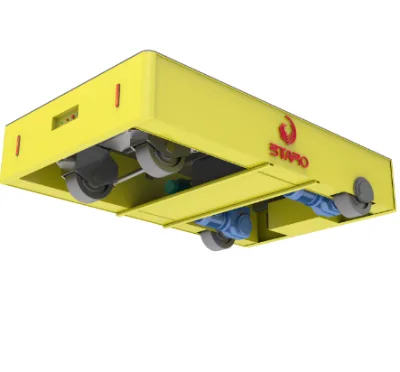
DC Motor Materials Handling Equipment Battery Operated Powered Transfer Trolley
$3000.00 - $4000.00
MOQ: 1 Pieces
Comprehensive Sourcing Guide
Automatic Traction Battery Sourcing Guide
The market for automatic traction batteries presents a diverse array of industrial power solutions, ranging from specialized lead-acid units to integrated battery systems for heavy machinery. Buyers must distinguish between general-purpose power sources and those engineered for specific high-load applications like forklifts or transfer carts. The observed product landscape includes items explicitly labeled for UPS and lighting usage, as well as those designed for car and industrial traction duties. Understanding these distinct usage profiles is the first step in narrowing down the supplier pool to those capable of delivering the specific energy density and discharge rates required for your operational environment.
Procurement strategies must account for the variability in product models and configurations observed in current listings, such as the SCR6-48/65 and DB series. These models often feature different nominal voltages, including 2V, 24V, 48V, and 80V options, which directly impact system compatibility. Buyers should verify that the selected battery type, whether square lead-acid or other configurations, aligns with the voltage requirements of the host equipment. Additionally, the presence of optional features like automatic liquid adding systems or air stirring systems suggests a need to evaluate whether these advanced functionalities are necessary for your specific maintenance protocols or if standard rechargeable units suffice.
Product Scope and Observed Listing Signals
Current market listings indicate a wide price spectrum, ranging from $100 to $1,500,000, reflecting the significant variance in capacity, automation levels, and build quality. This broad range necessitates a careful review of the minimum order quantities, which typically span from 1 to 50 units, allowing for both pilot testing and bulk procurement strategies. Buyers should scrutinize the product descriptions to ensure that the "automatic" designation refers to the battery's internal management or its integration with automated machinery, rather than a generic marketing term. The presence of specific model numbers like "eternity industrial traction battery" suggests a focus on long-life industrial applications rather than consumer-grade power storage.
The physical attributes of the products, such as the use of iron and carbon steel materials, highlight the robust construction required for industrial traction environments. Packaging methods vary from wooden boxes to cartons and pallets, indicating that logistics planning must accommodate different shipping requirements based on the specific unit selected. The observation of "New" condition and "Continuous" production continuity assures buyers of immediate availability, yet the diversity in surface treatments like baking paint suggests that environmental resistance may vary between suppliers. It is critical to match the observed material and packaging specifications with the intended storage and transport conditions of your facility to prevent damage during delivery.
Technical Specifications to Verify
Technical due diligence must focus on the electrical parameters, particularly the discharge rate and cycle life, which are critical for maintaining operational uptime. The observed data points to a low discharge rate for certain units, while others boast a cycle life exceeding 1500 times, a figure that should be validated against your specific usage intensity. Buyers must confirm the electrolyte type, with acid-based solutions being a common specification, and ensure that the battery chemistry aligns with safety and environmental regulations in your region. The nominal voltage of 2V per cell or system voltages of 24V, 48V, and 80V must be precisely matched to the charger and motor specifications of the equipment to avoid electrical incompatibility.
Mechanical specifications are equally vital, especially for applications involving heavy loads where the battery serves as a power source for transfer carts or forklifts. The rated load capacity, such as the 50-ton specification observed in related machinery, dictates the structural integrity required for the entire system, including the battery housing. Buyers should verify the table size and rail models, such as the P43 recommendation, to ensure the battery-powered vehicle can navigate the intended facility layout without obstruction. Furthermore, the motor power of 5.5kw and running speeds of 20 meters per minute provide a baseline for performance expectations, which must be cross-referenced with the battery's ability to sustain these outputs over extended periods.
Compliance and Safety Documentation
Safety and compliance documentation are non-negotiable when sourcing industrial batteries, particularly those involving acid electrolytes and high-voltage systems. The observed identification standards, including CE, ISO9001, and ISO14001, serve as indicators of a supplier's commitment to quality and environmental management, but buyers must request current certificates rather than relying on general claims. Verification of the IEC 60254 standard is essential for traction batteries to ensure they meet international safety benchmarks for performance and reliability. Without these specific certifications, the risk of non-compliance with local safety regulations and potential liability in the event of an accident increases significantly.
Beyond general certifications, specific safety features related to the battery's operation and maintenance must be documented. The optional inclusion of automatic liquid adding systems and air stirring systems introduces additional complexity that requires clear operational manuals and safety protocols. Buyers should ensure that the supplier provides detailed instructions on handling the acid electrolyte and managing the charging process to prevent hazardous incidents. The "Fixed" installation attribute observed in some listings implies that the battery system may be integrated into a larger structure, necessitating verification of structural safety standards and emergency shutdown procedures.
Cost Drivers and Commercial Terms
The total cost of ownership is influenced by several factors beyond the initial purchase price, including the complexity of the battery chemistry and the level of automation. Units with advanced features like automatic liquid adding systems or those designed for high-cycle life applications typically command a premium, which is reflected in the observed price range. Buyers must evaluate whether the higher upfront cost of a customized or high-performance unit is justified by the reduction in maintenance labor and extended service life. The material composition, such as the use of carbon steel versus iron, also plays a role in pricing, as heavier or more durable materials often incur higher manufacturing and shipping costs.
Commercial terms regarding delivery and payment are critical for managing cash flow and project timelines. The observed delivery time of 20 days provides a baseline for planning, but buyers should confirm if this lead time applies to customized orders or standard stock items. Minimum order quantities ranging from 1 to 50 units offer flexibility, yet bulk purchasing may unlock better pricing tiers that offset the initial investment. It is essential to clarify whether the quoted price includes packaging, such as wooden boxes or pallets, and if shipping costs are factored in, as these can vary significantly based on the origin location in Xiamen, Fujian Province, or other Chinese manufacturing hubs.
Supplier Qualification and Quality Control
Supplier qualification requires a rigorous assessment of their production capabilities and quality control processes. The observation of "Automatic" production and "Continuous" production continuity suggests that the supplier has the capacity to handle large volumes, but buyers should verify their actual output consistency and defect rates. The availability of customization options indicates a flexible manufacturing process, yet this flexibility must not compromise the standardization of critical components like the battery cells or the structural integrity of the housing. Requesting references from previous clients who have used similar models, such as the SCR6-48/65 or DB series, can provide insight into the supplier's reliability and after-sales support.
Quality control measures should extend beyond the final product inspection to include the raw material sourcing and assembly processes. The use of specific materials like iron and carbon steel, along with surface treatments like baking paint, requires verification of the supplier's quality assurance protocols to ensure durability and corrosion resistance. Buyers should inquire about the testing procedures used to validate the cycle life and discharge rates, ensuring that the claimed performance metrics are backed by empirical data. Establishing a clear communication channel for addressing any quality issues post-delivery is also crucial, as the complexity of automatic traction batteries often requires ongoing technical support and troubleshooting.
Long-Term Procurement Checks
Long-term procurement success depends on establishing a sustainable relationship with suppliers who can support the evolving needs of your operations. The observed product attributes, such as the "Customized" nature of some units, suggest that future requirements may change, necessitating a supplier capable of adapting their production lines. Buyers should assess the supplier's ability to provide spare parts and technical updates for the battery systems, ensuring that the equipment remains operational and compliant with new regulations over time. The "New" condition of current listings is a positive sign, but the long-term availability of these specific models must be confirmed to avoid obsolescence risks.
Regular performance reviews and maintenance audits are essential to maximize the lifespan of the traction batteries and ensure they continue to meet operational demands. The cycle life of over 1500 times is a significant asset, but its realization depends on proper usage and maintenance practices that must be documented and followed. Buyers should implement a schedule for checking the electrolyte levels, charging efficiency, and structural integrity of the battery units to prevent premature failure. By maintaining a proactive approach to procurement and maintenance, organizations can mitigate risks and ensure a steady supply of reliable power for their industrial applications.
FAQs
What is the typical voltage range for automatic traction batteries?
The typical voltage range for these batteries is 24V, 48V, or 80V. They are designed for high-performance applications such as forklifts and industrial transfer carts. The system supports continuous production and automatic liquid adding systems for maintenance efficiency. This flexibility ensures compatibility with various electric vehicle power requirements.
Can automatic traction batteries be customized for specific industrial needs?
Yes, customization is available for these automatic traction batteries. Buyers can select specific models like SCR6-48/65 or pzb/pzs to match their equipment. The manufacturer offers options for automatic liquid adding systems and air stirring. This ensures the battery integrates seamlessly into unique operational workflows and specific voltage demands.
What is the expected cycle life for these lead-acid batteries?
The expected cycle life for these lead-acid batteries is over 1500 times. They are rechargeable and designed for low discharge rate applications. This durability supports long-term use in UPS systems, lighting, and automotive sectors. The robust construction ensures reliable performance across thousands of charge and discharge cycles.
Which certifications apply to these Automatic Traction Battery products?
These products adhere to IEC 60254 standards and hold CE, ISO9001, and ISO14001 identifications. The manufacturing process follows standard protocols with baking paint surface treatment. These certifications ensure quality and safety compliance for international markets. Buyers can rely on these standards for regulatory approval and operational safety in industrial environments.
How long is the delivery time for automatic traction batteries?
The standard delivery time for these batteries is 20 days. Products are packed in wooden boxes or cartons for secure transport. The origin is China, with specific models like eternity industrial traction battery available. This lead time allows for efficient supply chain planning and timely deployment for industrial projects and fleet operations.
What is the rated load capacity for related transfer carts?
The rated load capacity for related transfer carts is 50 tons. These carts operate on a 48V battery system with a motor power of 5.5kw. The table size is 5500*2500*650mm, running at 20m/min. This heavy-duty design supports significant industrial material handling tasks with stable and reliable performance.