Source Automation Spraying Control Board for Industrial, Global, and Equipment
Find 30 listings for the Automation Spraying Control Board from verified Chinese manufacturers. Compare specifications including FR-4 materials, SMT production modes, and voltage options to select the right component for industrial equipment boards.
Key considerations
Products List


Advanced Intelligent Spray Control System for Efficient Water Management
$1100.00 - $1500.00
MOQ: 1 Pieces
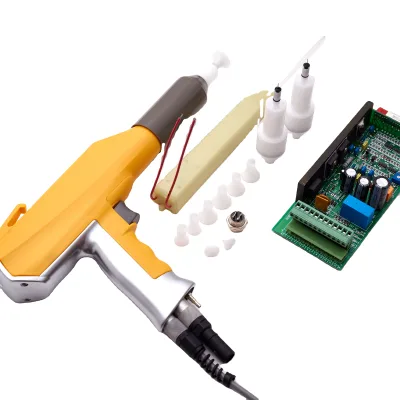


Effortless Multi-System Integration Control Board Panel for Advanced Applications
$500.00 - $5000.00
MOQ: 1 Sets
Comprehensive Sourcing Guide
Strategic Sourcing Guide for Automation Spraying Control Boards
Understanding Technical Specifications and Core Architecture
When sourcing automation spraying control boards, buyers must first distinguish between the control logic hardware and the mechanical actuation systems. The product landscape for this category often includes integrated Printed Circuit Boards (PCBs) designed specifically for industrial equipment applications. These boards serve as the central nervous system for automated spraying units, managing signal processing, motor control, and safety interlocks. A critical observation in the current market is the diversity in base materials used for these PCBs. While standard boards utilize FR-4 substrates, high-performance applications may require specialized materials such as Polyimide, PTFE, or Rogers aluminum to withstand the thermal and chemical stresses inherent in industrial environments.
The electrical architecture of these boards varies significantly based on the power supply requirements. Buyers should verify that the board supports the specific voltage and frequency standards of their facility, with common configurations including 220V/50Hz and 110V/60Hz inputs. The electric current type is predominantly Alternating Current (AC), which dictates the design of the internal power regulation circuitry. Furthermore, the physical construction of the board is a key differentiator. High-reliability units often feature multilayer designs to accommodate complex routing and reduce electromagnetic interference. The copper thickness within these layers is a vital specification, typically ranging from 0.5oz to 12oz, which directly impacts the board's current-carrying capacity and thermal dissipation capabilities.
Surface finish and metal coating are equally critical for long-term reliability in spraying environments. The market offers various surface finish options, including HASL (Hot Air Solder Leveling), ENIG (Electroless Nickel Immersion Gold), Immersion Tin, and Immersion Silver. Each finish offers distinct advantages regarding solderability, shelf life, and resistance to oxidation. Additionally, the metal coating on the board components, such as tin plating, provides a necessary barrier against corrosion. Buyers must also consider the operating system compatibility; many modern control boards are designed to work with OEM operating environments, ensuring seamless integration with existing factory automation software.
Compliance, Certification, and Safety Standards
Navigating the regulatory landscape is a fundamental step in the procurement of automation spraying control boards. Compliance is not merely a formality but a prerequisite for market access and operational safety. The supply chain for these components is heavily influenced by environmental and safety certifications. A primary standard to verify is RoHS (Restriction of Hazardous Substances) compliance, which ensures that the solder types and materials used are lead-free and free from other hazardous substances. This is often paired with CCC (China Compulsory Certification) and ISO standards, which validate the manufacturing process and product quality.
The physical dimensions and weight of the control board or its associated housing can also be subject to specific standards. While some products adhere to standard specifications, others may be customized to fit unique machinery constraints. For instance, specific model variants might have defined standard dimensions, such as 15x9.5x3.7cm, or weight limits like 26kg for the complete assembly. It is essential to note that while some listings may claim specific certifications, buyers must treat these as observations to be verified against the actual product documentation rather than guaranteed attributes of every unit in the category.
Safety features are integrated into the design of these boards to protect both the equipment and the operators. Electronic limit switches are a common feature, providing precise control over the movement of mechanical gates or nozzles. These switches prevent over-travel and potential mechanical failure. The frequency of operation is another critical parameter; for wireless or remote control interfaces, frequencies such as 433.92MHz are standard, allowing for reliable communication between the control board and remote actuators. Buyers should ensure that the board's design philosophy aligns with the "Customize" approach, allowing for tailored safety protocols that meet specific industry regulations.
Cost Drivers and Pricing Dynamics
The pricing structure for automation spraying control boards is influenced by a complex interplay of factors, including material costs, customization levels, and production volume. The observed price range in the market is exceptionally broad, spanning from $0.01 to $500,000. This vast disparity indicates that the category encompasses everything from simple replacement PCBs to fully integrated, turnkey control systems. The lower end of the spectrum typically represents standard, off-the-shelf components or basic boards with minimal customization. In contrast, the higher price points reflect complex, multilayer boards with specialized materials, custom firmware, and extensive testing protocols.
Material selection is a primary driver of cost. Boards utilizing standard FR-4 materials are generally more affordable than those requiring high-performance substrates like Polyimide or Rogers aluminum. The thickness of the copper layers also impacts the price; boards with thicker copper (up to 12oz) require more raw material and specialized manufacturing processes, increasing the unit cost. Additionally, the surface finish chosen plays a significant role. ENIG and Immersion Silver finishes are typically more expensive than HASL due to the complexity of the chemical processes involved.
Customization is another major cost factor. While many suppliers offer "Customized" options, the extent of this customization dictates the final price. A board that requires a unique design philosophy, specific stencils (such as laser-cut stainless steel stencils), or proprietary operating system integration will command a premium. The Minimum Order Quantity (MOQ) also influences the effective cost per unit. The market shows an MOQ range from 1 to 5,000 units. Buyers ordering small quantities may face higher per-unit costs due to setup fees, whereas bulk orders can leverage economies of scale. However, the "Stocking Time" for custom orders can vary, with some suppliers offering rapid turnaround of 3-5 days for standard items, while fully customized solutions may require longer lead times.
Typical Applications and Operational Context
Automation spraying control boards are integral to a wide array of industrial applications, primarily within the global electronic industry and heavy manufacturing sectors. The core functional application of these boards is to manage the precision and consistency of automated spraying processes. This includes applications in industrial equipment boards where precise control over fluid or powder application is necessary. The boards are designed to operate in demanding environments, often controlling machinery that involves high-speed movement, with gate moving speeds reaching 16-18 meters per minute.
The versatility of these boards allows them to be compatible with various machinery brands and models. For instance, specific models like the SL500DC or GASL500AC are designed to work with compatible brands such as Gatexpert or specific models like Ga600AC. This compatibility ensures that the control board can be integrated into existing production lines without requiring a complete overhaul of the machinery. The boards are also utilized in applications involving powder coating, where they manage the electrostatic coating processes. In these scenarios, the board controls the flow of powder and the movement of the coating gun, ensuring uniform coverage on the substrate.
Furthermore, the operating environment of these boards often involves exposure to various chemicals and high temperatures. The design philosophy of "Customize" allows manufacturers to tailor the boards to specific operational needs, such as integrating specific heating systems or electric current types. The boards are also used in applications requiring high-frequency signal processing, such as those operating at 433.92MHz for remote control or data transmission. The ability to handle these diverse applications makes the Automation Spraying Control Board a critical component in modern industrial automation, supporting everything from small-scale electronic assembly to large-scale powder coating operations.
Supplier Evaluation and Production Capabilities
Selecting the right supplier is paramount when sourcing automation spraying control boards. The market features a mix of Original Manufacturers, OEMs, and EMS (Electronic Manufacturing Services) providers. Buyers should prioritize suppliers who offer a "One-Stop Turnkey PCBA Service," which includes Surface Mount Technology (SMT) and Dual In-line Package (DIP) assembly. This capability ensures that the supplier can handle the entire production process, from component sourcing to final assembly, reducing the risk of supply chain disruptions.
The production process is a key indicator of supplier capability. High-quality suppliers utilize advanced testing methods such as Flying Probe PCB Testing, 100% AOI (Automated Optical Inspection), X-ray inspection, ICT (In-Circuit Testing), and Aging Tests. These rigorous testing protocols ensure that the boards meet the required performance standards before shipment. The supplier's ability to provide laser-cut stainless steel stencils is also a sign of high precision in the SMT process. Additionally, the supplier's location, such as Shenzhen or Zhejiang in China, can impact logistics and communication efficiency.
Buyers should also evaluate the supplier's approach to customization. The ability to offer "Customized" products and "Standard Specifications or Customized" options indicates flexibility. However, it is crucial to verify the supplier's track record regarding warranty and machinery test reports. Some suppliers may offer a warranty of zero years, which suggests a focus on high-volume, low-margin transactions, while others may provide more robust support. The condition of the product, typically listed as "New," should be confirmed, and the supplier's ability to provide detailed documentation on the production process is essential for quality assurance.
Quality Control and Long-Term Procurement Considerations
Quality control is the backbone of successful procurement in the Automation Spraying Control Board sector. Buyers must implement a robust quality assurance strategy that goes beyond simple visual inspection. The use of advanced testing methods, such as Flying Probe PCB Testing and 100% AOI, is standard for high-reliability applications. These tests detect defects in soldering, component placement, and circuit continuity that could lead to failure in the field. Additionally, functional testing and aging tests are critical to ensure that the boards can withstand the thermal and electrical stresses of continuous operation.
Long-term procurement considerations involve more than just the initial purchase price. Buyers should evaluate the supplier's ability to provide consistent quality over time, including their inventory management and stocking time. A stocking time of 3-5 days for standard items is desirable for maintaining production continuity. However, for customized orders, buyers must account for potential delays and plan their inventory accordingly. The availability of spare parts and the supplier's willingness to support future upgrades or modifications are also important factors.
The packaging of the boards is another aspect of quality control. Standard packaging or customized packaging options should be selected based on the sensitivity of the components and the logistics requirements. The use of electrostatic coating and proper handling procedures during packaging helps prevent damage from static electricity, which can be detrimental to sensitive electronic components. Finally, buyers should consider the environmental impact of the boards, ensuring that the solder types and materials are RoHS compliant and that the manufacturing process adheres to sustainable practices. By focusing on these quality control measures and long-term considerations, buyers can secure a reliable supply of automation spraying control boards that meet their operational needs.
FAQs
What base materials are used for these boards?
These boards primarily use FR-4, FR-1, Cem-1, Cem-3, Polyimide, PTFE, Rogers, and aluminum substrates. Buyers should verify specific material requirements for their industrial environment to ensure thermal and chemical resistance.
Can the boards support custom designs and specifications?
Yes, customization is available for design philosophy, standard specifications, and packaging options. Suppliers offer tailored solutions including laser-cut stainless steel stencils to meet unique machinery constraints.
Which certifications ensure compliance for these products?
Products often carry RoHS, CCC, and ISO certifications to ensure safety and environmental compliance. Buyers must verify these credentials as they validate the manufacturing process and confirm lead-free solder usage.
How are the boards tested for quality assurance?
Testing includes Flying Probe PCB Testing, 100% AOI, X-ray, ICT, and Aging Tests. These rigorous protocols ensure the board meets performance standards before shipment to industrial equipment applications.
What is the typical MOQ for ordering these boards?
The minimum order quantity ranges from 1 to 5000 units depending on the supplier and customization level. Bulk orders often leverage economies of scale while small quantities may incur higher setup costs.
Where are these manufacturing suppliers located?
Suppliers are primarily located in Shenzhen and Zhejiang, China. Buyers should consider these locations for logistics efficiency and communication when sourcing Original Manufacturers or EMS providers.
What surface finishes are available for the boards?
Available finishes include HASL, ENIG, Immersion Tin, and Immersion Silver. The choice affects solderability and oxidation resistance, with ENIG and Immersion Silver typically costing more than HASL.