Source Digital Printing Alloy Sheep Keychain for Gifts, Events, and Promotions
Compare 30 listings for Digital Printing Alloy Sheep Keychain available from Chinese manufacturers. Buyers can review specifications, pricing, and customization options to find suitable items for promotional gifts, party accessories, and personal collections.
Key considerations
Products List
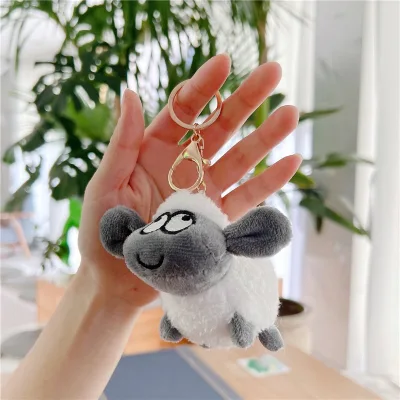


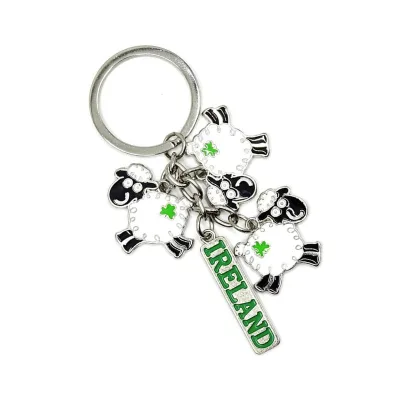


2D 3D Logo Zinc Alloy Iron Keychain Metal Keyrings Letter Animal Keychain
$0.07 - $0.11
MOQ: 500 Pieces


Comprehensive Sourcing Guide
Strategic Sourcing Guide for Digital Printing Alloy Sheep Keychains
The global market for promotional merchandise and personalized accessories continues to expand, with the Digital Printing Alloy Sheep Keychain emerging as a versatile item for diverse commercial applications. Buyers seeking this specific product must navigate a landscape defined by material diversity, customization capabilities, and varying production standards. This guide provides a structured approach to sourcing, focusing on the technical realities of alloy construction, the nuances of digital printing on metal surfaces, and the critical evaluation criteria necessary for securing a reliable supply chain. The objective is to equip procurement professionals with the knowledge to distinguish between generic offerings and high-quality, compliant products without relying on unverified market claims.
Understanding Material Composition and Construction
The core of the product inquiry involves the term "alloy," yet the available data reveals a complex material ecosystem where "Alloy" coexists with "PP cotton," "PVC," and "Artificial Leather." When sourcing an alloy sheep keychain, the primary technical specification to verify is the specific metal alloy used in the base structure. The provided context explicitly lists "Alloy" as a material attribute for specific models, distinguishing it from plastic-based alternatives like PVC or textile-based options like PP cotton.
In the context of keychain manufacturing, alloy typically refers to a mixture of metals, often zinc-based, which allows for intricate molding and a substantial feel compared to plastic. The "Digital Printing" aspect of the keyword implies a surface treatment process applied to this metal substrate. Unlike the "Soft Enamel" process noted in the source data for other models, digital printing on alloy requires a specific surface preparation to ensure ink adhesion and color vibrancy. Buyers must confirm whether the alloy is plated or treated to prevent oxidation, as this directly impacts the longevity of the printed design. The source data indicates that "Customized" is a standard attribute, suggesting that the alloy composition and finishing can be tailored to specific brand requirements.
Furthermore, the distinction between "Alloy" and "PVC" is critical. While the data lists "PVC Keychain" and "PVC" as materials for other items, the specific request for an alloy product necessitates a supplier capable of metalworking rather than just injection molding. The "Processing" attribute in the source data mentions "Hand-Made" and "Engraved," which are traditional metalworking techniques. A digital printing process on alloy may combine these methods, where the digital print provides the color while engraving adds texture or depth. Buyers should request physical samples to verify the weight and tactile quality of the alloy, ensuring it meets the perceived value expectations of the end-user.
Technical Specifications and Customization Parameters
The technical specifications for a Digital Printing Alloy Sheep Keychain are not uniform; they vary significantly based on the supplier's capabilities and the specific model number. The source data highlights several model numbers, such as UNQ-D49, UNQ-D48, and UNQ-D50, alongside specific attributes like "Size: Customized" and "Color: Various Are Accepted." This indicates that the industry standard for this product category is high flexibility in dimensions and color palettes.
When defining the technical requirements for a procurement order, the buyer must establish clear parameters for the "Single package size" and the overall dimensions of the keychain. The source data notes a "Medium" size for one product and "XX cm" for another, underscoring the lack of a universal standard. For a digital printing process, the surface area available for the print is a limiting factor. The sheep shape must be large enough to accommodate the digital print resolution without pixelation, yet small enough to remain a functional keychain.
The "Logo" attribute in the source data is listed as "Custom logo," which is a fundamental requirement for this product type. Digital printing allows for full-color, photorealistic images, unlike traditional screen printing which is limited to fewer colors. However, the "Logo Color" attribute in the source data mentions "Soft Enamel," which suggests that some suppliers may offer hybrid approaches. Buyers should clarify if the digital print is the sole coloring method or if it is supplemented by enamel filling. The "Color" attribute also lists specific combinations like "White With gold chain" or "Brown with common chain," indicating that the chain material and color are integral parts of the product specification.
Additionally, the "Packing" attribute varies from "opp bag" to "OPP or Box." For alloy products, which are heavier and more durable, the packaging must be robust enough to prevent scratching during transit. The "prod_packing" attribute mentions shipping via DHL, FedEx, TNT, and Aramex, highlighting the logistical options available. The buyer must specify the packaging requirements in the initial inquiry, as the choice between a simple OPP bag and a custom box will significantly impact the unit cost and the perceived value of the gift.
Cost Drivers and Pricing Dynamics
The pricing of digital printing alloy sheep keychains is influenced by a complex interplay of material costs, customization complexity, and order volume. The observed price range in the source data spans from $0.01 to $5.20, a wide spectrum that reflects the difference between basic plastic items and premium metal goods. Alloy keychains generally sit at the higher end of this spectrum due to the raw material cost of metal and the additional processing steps required for digital printing and finishing.
The "MOQ" (Minimum Order Quantity) is a primary cost driver. The source data shows an MOQ range of 1 to 2000, with specific instances of 15 pcs and 50 PCS. For a custom digital printing project, a lower MOQ often results in a higher unit price because the setup costs for the digital printing plates and the alloy molding are amortized over fewer units. Buyers should be prepared to negotiate based on volume tiers. The "Selling Units" attribute indicates that "Single item" is a common selling format, which can be confusing; it often means the product is sold individually rather than in bulk packs, but the MOQ still applies to the total order quantity.
Other cost factors include the "Process" and "Standard." The "Hand-Made" process noted in the data suggests a higher labor cost compared to fully automated production. If the buyer requires a "Cutomized" standard with complex digital prints, the setup time and labor will increase. The "Payment Terms" of "TT OR TRADE ASSURANCE" are standard in the industry, but the terms of payment (e.g., deposit percentage) can affect cash flow. Buyers should also consider the "Location" of the supplier, listed as "Zhejiang, China" or generally "China," as shipping costs and import duties will vary based on the specific port of origin and the destination country.
Compliance, Certification, and Safety Standards
While the source data includes a low-confidence mention of "BSCI," it is crucial to treat this as a background note rather than a confirmed certification for any specific product. The "prod_standard" is listed as "Custom Design," which implies that compliance is often determined by the buyer's specific requirements rather than a universal industry standard. For alloy products, safety is paramount, particularly regarding heavy metals and lead content, as these items are often handled by children or used in public spaces.
Buyers must verify that the alloy used complies with international safety standards such as EN71 (European toy safety) or ASTM F963 (US toy safety), even if the product is marketed as a "Promotion Gift" or "Souvenir." The "Feature" attribute in the source data mentions "Eco-Friendly," which is a claim that requires verification. Buyers should request a Material Safety Data Sheet (MSDS) or a test report from an accredited third-party laboratory to confirm that the digital printing inks and the alloy coating are free from harmful substances like lead, cadmium, and phthalates.
The "Certification" aspect is further complicated by the "Low-confidence background" regarding BSCI. While BSCI (Business Social Compliance Initiative) is a recognized standard for social compliance in supply chains, its presence in the data is not definitive. Buyers should not assume a supplier is BSCI certified unless they provide a valid, current certificate. Instead, the procurement strategy should include a supplier audit or a request for social compliance documentation as part of the vendor qualification process. The "Standard" attribute also lists "Cutomized," reinforcing that the buyer has the responsibility to define the necessary compliance standards for their specific market.
Supplier Evaluation and Quality Control Protocols
Evaluating suppliers for digital printing alloy keychains requires a multi-faceted approach that goes beyond price comparison. The source data indicates that suppliers accept "OEM/ODM," which means they are capable of Original Equipment Manufacturing and Original Design Manufacturing. This is a positive indicator of flexibility, but it also means the buyer must provide detailed specifications to ensure the final product matches the design intent.
Quality control should begin with the verification of the "Material" and "Processing." The buyer should request samples of the alloy to check for casting defects, such as air bubbles or rough edges, which are common in metal molding. The digital print quality must be assessed for color accuracy, resolution, and adhesion. The "Color" attribute lists "Various Are Accepted," but the buyer must ensure that the specific color codes (e.g., Pantone) are matched correctly. The "Shape" attribute specifies "Animals," and for a sheep keychain, the anatomical details should be crisp and well-defined.
The "Packing" and "Shipping" attributes provide further opportunities for quality checks. The "opp bag" or "Box" must be inspected for durability. The "prod_packing" method involving DHL, FedEx, TNT, or Aramex suggests that the supplier has experience with international logistics, but the buyer should verify that the packaging protects the keychain from damage during transit. The "Place of Origin" being "Zhejiang, China" or "China" is a common hub for such manufacturing, but the specific factory location can impact lead times and communication efficiency.
Typical Applications and Market Positioning
The versatility of the Digital Printing Alloy Sheep Keychain makes it suitable for a wide range of applications. The "Usage" attribute in the source data lists "Party Accessories," "Promotion Gifts," "Compass," "Personal Decorations," "Souvenirs," "Home Decorations," "Commerce Gift," "Collection," and "Religious Crafts." This broad scope indicates that the product can serve as a corporate giveaway, a souvenir for tourists, or a decorative item for retail.
The "Occasion" is listed as "Other," which allows for flexibility in marketing. For example, a sheep keychain with a digital print of a corporate logo could be used for a company anniversary, while a sheep with a specific religious iconography could be used for a religious event. The "Suitable for" attribute mentions "Outdoor" and "Universal," suggesting that the product is durable enough for general use. The "Style" attributes of "Antique" and "Cute" indicate that the design can be tailored to different aesthetic preferences, from vintage-inspired metal finishes to modern, colorful digital prints.
The "Feature" of being "Eco-Friendly" can be a significant selling point in today's market, provided it is substantiated. If the alloy is recyclable and the inks are non-toxic, the product appeals to environmentally conscious consumers. The "Customized" nature of the product allows brands to create unique items that stand out in a crowded market, making it an effective tool for brand awareness and customer loyalty.
Long-Term Procurement Considerations
Sourcing digital printing alloy sheep keychains is not a one-time transaction but part of a long-term supply chain strategy. The "Customized" attribute and the "OEM/ODM" acceptance suggest that the relationship with the supplier will evolve as the buyer's needs change. Buyers should establish a clear communication channel for design updates and quality feedback. The "Payment Terms" of "TT OR TRADE ASSURANCE" provide a level of security, but maintaining a consistent order volume can help negotiate better terms and prioritize production slots.
Lead times are a critical consideration, especially for custom orders. While the source data does not provide specific lead time figures, the complexity of digital printing on alloy suggests that production will take longer than for standard plastic items. Buyers should plan for potential delays and build buffer time into their project schedules. The "Location" of the supplier in China means that shipping times will vary based on the chosen method (Air, Sea, or Courier).
Finally, the buyer should maintain a relationship with the supplier to ensure consistency in quality over time. The "Model Number" changes (e.g., UNQ-D49, UNQ-D50) indicate that suppliers frequently update their product lines. Buyers should ensure that the specific model they choose remains in production or that a suitable replacement is available. By focusing on technical specifications, compliance, and supplier reliability, buyers can secure a steady supply of high-quality digital printing alloy sheep keychains that meet their specific market needs.
FAQs
What materials are used for digital printing alloy sheep keychains?
Alloy is the primary material for metal versions, while PP cotton and PVC are used for plush or plastic alternatives. Buyers must verify the specific material attribute to ensure the product matches the desired metal construction and durability requirements.
Can suppliers accept custom logos and designs for these keychains?
Yes, suppliers explicitly accept custom logos and offer OEM and ODM services for personalized designs. The standard process allows for customized shapes, colors, and branding, enabling buyers to create unique promotional items tailored to their specific brand identity.
What is the minimum order quantity for alloy sheep keychains?
Minimum order quantities vary, with observed values starting at 15 pieces or 50 pieces depending on the supplier. Buyers should confirm the specific MOQ for their chosen model, as lower quantities may incur higher unit costs due to setup expenses.
Which payment terms are standard for sourcing these keychains?
Standard payment terms typically include Telegraphic Transfer or Trade Assurance to ensure secure transactions. These methods provide protection for buyers while allowing suppliers to manage cash flow effectively during the production and shipping phases of the order.
How are these keychains packaged for international shipping?
Packaging options range from simple OPP bags to custom boxes, depending on the buyer's requirements. Suppliers utilize various logistics carriers like DHL or FedEx to ship the products, ensuring they are protected during transit from the origin in China to the destination.
What are the typical applications for alloy sheep keychains?
These keychains serve diverse purposes including party accessories, promotion gifts, souvenirs, and personal decorations. Their versatility allows them to be used as corporate giveaways, holiday items, or collection pieces for various commercial and personal events.