Source Automobile Motorcycle Aviation Waterproof Plug for Cars
Find 30 verified options for the Automobile Motorcycle Aviation Waterproof Plug designed for automotive, electronic, and home appliance applications. Buyers can compare specifications like IP67 ratings, current capacity, and durability cycles to select the right connector for their wiring harness needs.
Key considerations
Products List


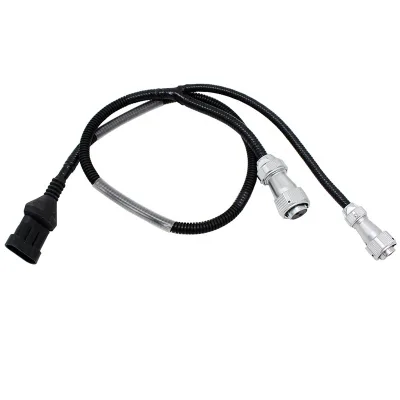


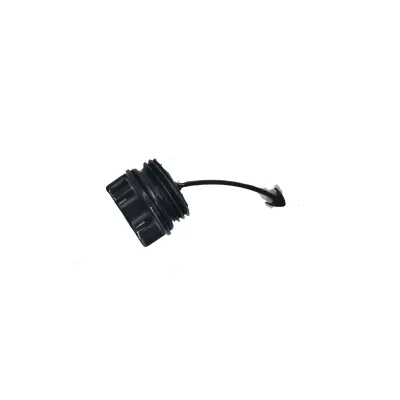

Comprehensive Sourcing Guide
Automobile Motorcycle Aviation Waterproof Plug Sourcing Guide
Selecting the right waterproof connector for automotive, motorcycle, or aviation applications requires balancing electrical performance with environmental resilience. Buyers must prioritize connectors that maintain signal integrity under vibration and thermal cycling while ensuring a reliable seal against moisture and contaminants. The core challenge lies in identifying components that meet specific industry standards without compromising on durability or cost-efficiency.
This guide focuses on evidence-based procurement strategies for waterproof plugs, leveraging observed market data and technical specifications. We examine product scope, technical verification, compliance documentation, cost structures, supplier qualification, and long-term maintenance checks. By adhering to these structured evaluation criteria, procurement teams can mitigate supply chain risks and ensure component reliability across diverse operational environments.
Product Scope and Observed Listing Signals
The current market offers a diverse range of waterproof connectors, with observed prices spanning from $0.01 to $350 USD and minimum order quantities (MOQs) ranging from 1 to 1000 units. This wide variance reflects differences in pin counts, material quality, and certification levels. Buyers should note that lower-priced items may lack advanced features such as high current capacity or specialized sealing materials, necessitating careful review of individual product attributes before placing bulk orders.
Observed listings indicate that many suppliers offer customization options, allowing for tailored solutions specific to automotive or aviation needs. Common configurations include male and female genders, with interface types supporting AC/DC applications. Products are frequently designed for PCB mounting or direct wiring harness integration, with some models featuring flange seals made from silicone rubber for enhanced environmental protection. Understanding these baseline attributes helps buyers filter listings effectively.
Technical Specifications to Verify
Electrical performance is critical, with observed current ratings reaching up to 17 AMPS for gold-plated contacts and up to 8 AMPS for tin-plated variants. Voltage ratings typically support 250 Volts AC, while operating temperatures range from -40 to 125 degrees Celsius, ensuring functionality in extreme conditions. Buyers must verify contact resistance, with some models exhibiting values as low as 3.8mΩ, to minimize signal loss and heat generation during high-load operations.
Durability and sealing are equally important, with auto connectors often rated for 20 mating cycles and others supporting up to 200 cycles. Waterproofing standards such as IP67 are common, preventing water ingress according to DIN 40050-3 specifications. Insulation resistance tests should confirm no flashover or breakdown between contacts. Additionally, flame retardancy ratings like UL94-V0 and material choices such as copper wire cores and PVC pipe bandaging contribute to overall system safety and longevity.
Compliance and Safety Documentation
Certification requirements vary by region and application, with observed listings including RoHS, CE, ISO, CCC, ISORoHS, and VDE marks. These certifications indicate adherence to environmental and safety standards, which is crucial for automotive and aviation sectors. Buyers should request valid certificates for each batch, ensuring that materials do not contain restricted substances and that electrical safety meets international norms.
Documentation should also cover material standards, such as silicone rubber for seals and specific pin configurations like 4, 8, 10, 16, 25, or 36 pins. For aviation applications, additional verification may be required to ensure compatibility with low-frequency signals and low-voltage wiring harnesses. Procurement teams must validate that all supplied components meet the specific regulatory frameworks applicable to their end-use industry, avoiding non-compliant parts that could lead to costly recalls or safety hazards.
Cost Drivers and Commercial Terms
Pricing is influenced by material costs, particularly the use of gold versus tin plating, and the complexity of the sealing mechanism. Silicone rubber flange seals and high-durability contacts command higher prices but offer superior performance in harsh environments. Buyers should analyze the total cost of ownership, considering factors like mating cycle durability and resistance to environmental degradation, rather than focusing solely on unit price.
Commercial terms often include specific packing configurations, such as 3000 pieces per carton for auto connectors or plastic trays for smaller batches. Lead times and MOQs can vary significantly, with some suppliers offering flexible MOQs for prototyping and larger volumes for mass production. Negotiating favorable terms requires understanding the supplier’s production capacity and inventory levels, ensuring timely delivery without excessive stockpiling or production delays.
Supplier Qualification and Quality Control
Supplier qualification involves verifying manufacturing capabilities and quality management systems. Observed origins include China and Wenzhou, regions known for electronics manufacturing. Buyers should assess suppliers’ adherence to standards like ISO 9001, ISO 14001, and ISO 45001, even if not explicitly listed, to ensure consistent quality and environmental responsibility. Requesting factory audits or third-party inspections can provide additional assurance of production standards.
Quality control processes should include rigorous testing for waterproofing, electrical continuity, and mechanical durability. Suppliers should provide test reports for key parameters such as insulation resistance, contact resistance, and flame retardancy. Establishing clear acceptance criteria and implementing incoming quality control checks helps prevent defective parts from entering the production line, reducing the risk of field failures and warranty claims.
Long-Term Procurement Checks
Long-term success depends on continuous monitoring of supplier performance and product reliability. Buyers should track field failure rates and feedback from engineering teams to identify any recurring issues with specific connector models. Regularly reviewing certification status and material specifications ensures that components remain compliant with evolving industry standards and regulatory requirements.
Building a diversified supplier base mitigates the risk of supply chain disruptions. Maintaining relationships with multiple qualified vendors allows for flexibility in sourcing and negotiation. Additionally, staying informed about technological advancements in connector design, such as improved sealing materials or higher current capacities, enables proactive upgrades and maintains competitive advantage in product development.
FAQs
What certifications do the waterproof plugs hold?
The products hold RoHS, ISO, and CE certifications. Some listings also include CCC, VDE, and ISORoHS standards. These ensure compliance with safety and environmental regulations for automotive and electronic applications.
Can I customize the connector specifications?
Yes, customization is available for these connectors. Buyers can request specific pin counts ranging from 4 to 36 pins. This flexibility supports diverse wiring harness needs in automobiles and home appliances.
What is the operating temperature range?
The connectors operate within a temperature range of -40 to 125 degrees Celsius. This wide range ensures reliable performance in extreme conditions for automotive and motorcycle applications without insulation failure.
How many mating cycles are guaranteed?
Durability varies by type, with some auto connectors rated for 20 cycles and others for 200 mating cycles. This ensures long-term reliability for specific industrial or automotive wiring harness requirements.
What is the waterproof rating for these plugs?
The plugs achieve an IP67 waterproof rating. This means no ingress of water is allowed according to DIN 40050 standards, making them suitable for outdoor and harsh environment automotive applications.
Which materials are used for the wire core?
The wire core material is copper wire. This ensures high conductivity for low voltage wiring harnesses. The insulation often uses silicone rubber or PVC pipe for durability and safety.
What is the maximum current capacity?
Current capacity depends on the plating material. Gold contacts support up to 17 amps, while tin contacts support up to 8 amps. This allows selection based on specific power requirements.