Source Automobile Engine Mount for Benz, BMW, and Excavator
Compare 30 Automobile Engine Mount options from suppliers in China and Germany. Buyers can evaluate models like 12363-20110 and 22116860495, with prices ranging from 0.89 to 66 USD and MOQs from 10 to 200 pieces.
Key considerations
Products List
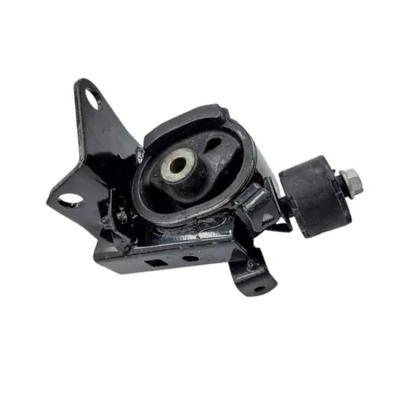


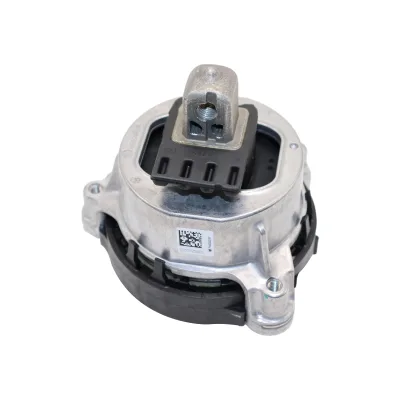


Stainless Steel Auto Parts Engine Rear Mount Mounting Motor Mounting Bracket
$16.00 - $18.00
MOQ: 10 Pieces


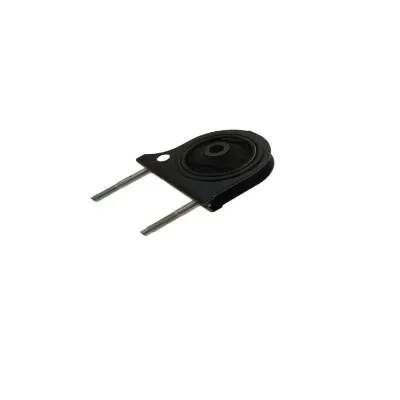


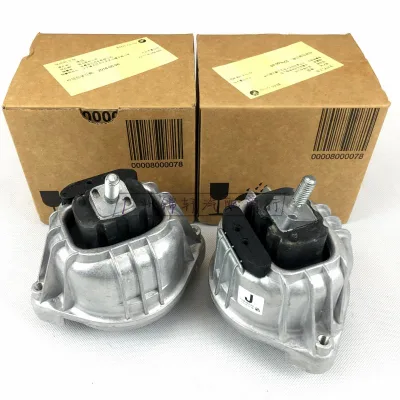
Comprehensive Sourcing Guide
Strategic Sourcing Guide for Automobile Engine Mounts
Understanding Component Architecture and Technical Specifications
When sourcing automobile engine mounts, buyers must first distinguish between the diverse functional roles these components play within a vehicle's powertrain system. The market data indicates that engine mounts are not a monolithic product but rather a category encompassing specific types such as "Engine mounts support" and "Transmission Mounts." These components serve the critical purpose of isolating the engine and transmission from the vehicle chassis, thereby reducing vibration and noise while maintaining structural stability during operation.
The technical composition of these mounts is a primary determinant of their performance and suitability. Observed product attributes reveal a common material architecture combining "Rubber+Aluminium" or utilizing "Aluminium Alloy" as the primary structural body. The rubber component, specifically identified as "Shock-reducing Rubber," is essential for damping vibrations, while the metal body provides the necessary rigidity to support the engine's weight. The manufacturing process for these metal components varies, with "Lost Wax Casting" and "Gravity Casting" (including "Thermal Gravity Casting") being documented methods. These casting techniques influence the final density and structural integrity of the mount.
Buyers should pay close attention to dimensional tolerances and surface finishes, as these factors directly impact fitment and longevity. The supply chain data highlights a machining tolerance of "+/-0.10mm" for certain high-precision units, alongside a surface roughness of "Ra6.3." Surface preparation methods, such as "Sand Blast," are also noted as standard procedures to ensure proper adhesion of coatings or to prepare the metal for assembly. Furthermore, the application of these mounts is not limited to standard passenger vehicles; specific listings indicate usage in heavy-duty applications such as "Excavator" equipment, suggesting that buyers must verify the specific load-bearing requirements of their target vehicle or machinery before selecting a supplier.
Compliance, Certification, and Quality Verification
In the B2B automotive sector, compliance with international standards is a non-negotiable prerequisite for procurement. While specific certification statuses can vary by supplier, the available market data confirms that reputable manufacturers often adhere to rigorous quality management frameworks. Buyers should verify that suppliers possess certifications such as "ISO 9001," which indicates a standardized approach to quality management systems. Additionally, environmental and safety compliance is frequently addressed through certifications like "RoHS" and "CE," ensuring that the materials used do not contain restricted hazardous substances and meet European safety directives.
Quality assurance protocols are equally critical when evaluating potential suppliers. The industry standard for new engine mounts often includes a "100% Tested" claim, implying that every unit undergoes functional inspection before leaving the factory. To validate this claim, buyers should request evidence of inspection methods. The supply data mentions the use of "Calipers" for dimensional inspection, a standard tool for verifying that the physical dimensions of the mount match the engineering drawings. However, buyers should also inquire about dynamic testing procedures, such as fatigue testing or load-bearing capacity tests, which are essential for ensuring the mount can withstand the cyclic stresses of engine operation.
It is important to note that while some listings mention "AISI" standards, this typically refers to the American Iron and Steel Institute standards for steel materials. Buyers must confirm whether the specific aluminum or rubber components used in the mount meet the relevant material specifications for their application. The presence of a "12 Months" warranty period in the market data suggests a baseline expectation for product reliability, but this should be treated as a starting point for negotiation rather than a guaranteed industry standard. Procurement teams should explicitly define warranty terms regarding premature failure, material defects, and installation errors in their contracts.
Cost Drivers and Pricing Dynamics
The pricing of automobile engine mounts is influenced by a complex interplay of material costs, manufacturing complexity, and order volume. The observed market price range spans from $0.89 to $66.00 USD, a significant variance that reflects differences in material quality, brand positioning, and the specific vehicle model compatibility. Lower-priced units often correspond to generic applications or those with simpler rubber-to-metal bonding requirements, while higher-priced units may involve specialized alloys, advanced damping technologies, or OEM-equivalent specifications for luxury brands like "Benz" or "BMW."
Minimum Order Quantity (MOQ) is a critical factor in determining the effective unit cost. The market data shows a wide range of MOQs, from as low as 10 pieces to as high as 500 pieces. Suppliers with lower MOQs, such as those requiring only 10 pieces, may charge a premium per unit to cover setup and logistics costs associated with smaller batches. Conversely, suppliers requiring 200 or 500 pieces typically offer more competitive per-unit pricing, making them suitable for large-scale fleet maintenance or distribution networks. Buyers must balance their inventory needs against their cash flow constraints when selecting a supplier based on MOQ.
Additional cost drivers include customization and packaging. The availability of "Custom Made" colors and "Customized Carton Packaging" adds value but often incurs additional charges. Similarly, the choice of shipping method—whether "By Air," "Sea," or "Express"—will significantly impact the total landed cost. Air freight offers speed but at a higher price, while sea freight is more economical for large volumes but extends the lead time. Buyers should also consider the payment terms, which range from "Paypal" and "Western Union" to "Trade Assurance" and "T/T transfer." Secure payment methods like Trade Assurance can mitigate financial risk but may involve transaction fees that affect the overall cost structure.
Typical Applications and Vehicle Compatibility
The application of engine mounts is highly specific to the make, model, and year of the vehicle or machinery. The supply data explicitly lists compatibility with major automotive brands such as "Benz" and "BMW," indicating that these mounts are often designed to meet strict OEM specifications. The presence of specific OEM numbers, such as "22116860495," underscores the importance of cross-referencing part numbers to ensure exact fitment. Using a mount with an incorrect OEM number can lead to improper mounting, excessive vibration, and potential damage to the engine or transmission.
Beyond passenger cars, the data indicates that engine mounts are also utilized in heavy machinery, specifically "Excavator" applications. This highlights the versatility of the component category, where the design must accommodate higher torque loads and more severe operating conditions than standard automotive mounts. Buyers sourcing for commercial or industrial fleets must ensure that the supplier has experience with heavy-duty applications and can provide mounts that meet the specific stress requirements of such equipment.
The "Purpose" of these mounts is often described as "for retrofit/upgrade," suggesting that they are frequently used in maintenance scenarios where original components have worn out or where vehicle owners seek performance enhancements. In these cases, the condition of the replacement part is paramount. The market data consistently lists the condition as "New," but buyers should verify that the "New" designation refers to brand-new, unused components rather than refurbished or remanufactured parts, unless explicitly agreed upon.
Supplier Evaluation and Operational Capabilities
Evaluating a supplier for engine mount procurement requires a holistic assessment of their operational capabilities, geographic location, and service infrastructure. The "Place of Origin" for many listed products is "China," with specific manufacturing hubs noted in "Hebei." While this region is a major manufacturing center, buyers should also be aware of listings originating from "Germany," which may imply different quality standards or pricing structures. The geographic origin can influence lead times, shipping costs, and the ease of communication.
Lead time is a critical operational metric. The observed "Delivery Period" ranges from 15 to 30 days, which is a standard window for manufacturing and shipping. However, buyers should verify if this timeline includes production time or if it is purely transit time, especially for customized orders. The availability of "24 Hours Customer Service" is a significant differentiator, indicating a supplier's commitment to resolving issues promptly. This level of service is particularly valuable when dealing with urgent procurement needs or when technical clarification is required regarding part compatibility.
Payment flexibility is another key evaluation criterion. Suppliers offering multiple payment channels, including "T/T transfer," "Western Union," and "Trade Assurance," provide buyers with options to manage financial risk and cash flow. Trade Assurance, in particular, offers a layer of protection by holding funds in escrow until the order is fulfilled as agreed. Buyers should also assess the supplier's ability to handle "Single package size" variations, such as the noted 13x20x15 cm dimensions, to ensure efficient logistics planning and warehouse management.
Long-Term Procurement and Quality Control Strategies
Establishing a long-term procurement strategy for engine mounts involves more than just securing a one-time purchase; it requires building a sustainable supply chain that ensures consistent quality and availability. The "Customization" feature available in the market suggests that suppliers are willing to adapt their products to specific buyer needs, which can be leveraged to create a unique supply chain advantage. Buyers should explore opportunities for co-developing mounts with suppliers who have the technical expertise in "Casting Method" and "Molding Technics" to optimize performance for their specific vehicle models.
Quality control should be an ongoing process rather than a one-time check. Given the "12 Months" warranty period observed in the market, buyers should implement a robust incoming inspection protocol. This should include verifying the "Single gross weight" of 2.000 kg to ensure the correct material density and checking the "Boxed" or "Brand Packing" for signs of damage or tampering. Regular audits of the supplier's production line, particularly focusing on the "Lost Wax Casting" and "Gravity Casting" processes, can help identify potential quality drifts before they result in defective batches.
Finally, buyers must consider the total cost of ownership, which includes not only the purchase price but also the cost of potential failures. A slightly higher initial investment in a mount with superior "Shock-reducing Rubber" and stricter "Machining Tolerance" can result in significant savings by reducing vehicle downtime and preventing collateral damage to the engine or chassis. By maintaining a clear understanding of the technical specifications, compliance requirements, and supplier capabilities, buyers can make informed decisions that align with their long-term operational goals and quality standards.
FAQs
What materials are used for automobile engine mounts?
These mounts typically combine rubber and aluminum or use aluminum alloy for the body. The rubber component is specifically shock-reducing rubber designed to dampen vibrations while the metal provides structural rigidity for the engine.
Which certifications do reliable suppliers usually hold?
Reputable manufacturers often hold ISO 9001, RoHS, and CE certifications. These standards indicate adherence to quality management systems and ensure the materials do not contain restricted hazardous substances for safety compliance.
How long is the delivery period for these parts?
The standard delivery period ranges from 15 to 30 days. This timeframe covers the manufacturing process and shipping, though customized orders or specific shipping methods like air freight may affect the exact timeline.
Can I get custom packaging for these engine mounts?
Yes, customized carton packaging is available for these products. Buyers can also request custom made colors to match specific branding or vehicle requirements, adding value to the procurement order.
What is the minimum order quantity for sourcing?
Minimum order quantities vary significantly, ranging from 10 pieces to 500 pieces depending on the supplier. Lower MOQs often incur higher per-unit costs, while larger orders typically offer more competitive pricing.
Which vehicle makes are compatible with these mounts?
These mounts are explicitly compatible with major brands like Benz and BMW. Specific OEM numbers such as 22116860495 help ensure exact fitment for these vehicles and other compatible models.