Source Axialflow Electric Turbocharger for Cars, Trucks, and Engines
Compare 30 axialflow electric turbocharger options from verified Chinese suppliers. Buyers can review detailed specifications, pricing, and customization details for Japanese and European vehicle applications. These units feature steel or alloy bodies, ISO certifications, and OEM compatibility. Delivery times range from 7 to 15 days with a 12-month warranty.
Key considerations
Products List
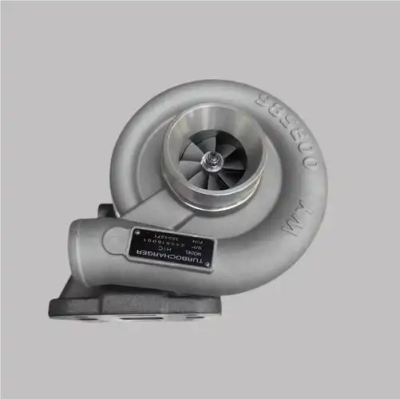


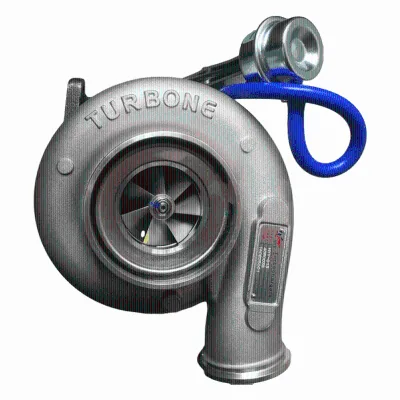


Comprehensive Sourcing Guide
Axialflow Electric Turbocharger Sourcing Guide
The axialflow electric turbocharger represents a specialized evolution in forced induction technology, distinct from traditional centrifugal designs. Sourcing these components requires a nuanced understanding of their unique aerodynamic properties and integration requirements. Buyers must recognize that these units are often engineered for specific vehicle architectures, particularly Japanese and European car models, where space constraints and performance tuning demands are critical. The distinction between axialflow and centrifugal types is not merely semantic; it dictates the physical footprint, airflow characteristics, and compatibility with existing engine management systems. Procurement teams should prioritize suppliers who demonstrate clear differentiation in their product catalogs, ensuring that the selected unit aligns with the specific mechanical and electronic interfaces of the target application.
Verification of the product’s physical and operational attributes is the first step in mitigating procurement risk. Observed listings indicate a wide variance in model numbers, ranging from specific OEM codes like A6710900780 to generic identifiers such as 2459418 or 021042. This diversity suggests that buyers must cross-reference part numbers meticulously rather than relying on generic descriptions. Furthermore, the body material is frequently cited as steel or alloy, which impacts durability and heat resistance. Understanding these material specifications is essential for applications involving high-stress environments or extended duty cycles. Buyers should demand detailed technical datasheets that confirm the exact construction materials and dimensional tolerances to ensure seamless integration into the vehicle’s engine bay without requiring extensive modification.
Product Scope and Observed Listing Signals
The market for axialflow electric turbochargers exhibits significant variability in packaging and origin details, which serves as a key signal for supplier maturity. Listings frequently mention origins in Shandong, China, with specific references to Weifang, a known hub for engine components. This geographic concentration can offer logistical advantages but also necessitates rigorous due diligence regarding supply chain transparency. Packaging methods vary widely, including paper boxes, wooden crates, and neutral cartons, indicating that some suppliers may be trading generic stock while others provide specialized protective packaging for sensitive electronic components. Buyers should interpret these variations as indicators of the supplier’s operational scale and attention to detail, using packaging standards as a proxy for overall product handling quality.
Another critical signal is the stated condition and warranty terms, which often appear as "100% new" or "new and old" with a standard 12-month warranty. While a warranty provides a baseline of confidence, the phrasing "new and old" can be ambiguous and requires clarification to ensure the product is indeed brand new. Additionally, the presence of OEM designations suggests that some suppliers may be offering direct replacements for original equipment manufacturer parts, which is crucial for maintaining vehicle integrity. Buyers must verify whether the "OEM: Yes" claim refers to genuine parts or compatible aftermarket equivalents. This distinction is vital for warranty validation and insurance purposes, as using non-genuine parts can sometimes void vehicle warranties or affect resale value.
Technical Specifications to Verify
Technical verification must begin with the turbocharger type and its specific configuration, as axialflow designs differ fundamentally from centrifugal systems. Buyers should confirm whether the unit is an electric turbocharger or a mechanical system, as the power source and control logic vary significantly. The listed models, such as 1118100XEB03 or 202V09100-7915, often correspond to specific engine displacements, such as 6-cylinder configurations. It is imperative to match the turbocharger’s airflow capacity and boost control characteristics with the engine’s displacement and cylinder count to prevent underperformance or mechanical stress. Misalignment in these specifications can lead to inefficient combustion, increased emissions, and potential engine damage, making precise technical matching a non-negotiable aspect of the sourcing process.
Further technical due diligence involves examining the certification and component details, such as the turbine type and associated standards. Listings may reference ISO certifications or specific component tests, but buyers must verify the scope of these certifications to ensure they apply to the final assembled unit. The mention of "Runoff" ETS type or specific alloy materials like K18 suggests specialized engineering for high-temperature or high-stress applications. Buyers should request detailed engineering drawings or CAD files to verify the physical dimensions and mounting points. Additionally, confirming the compatibility with the vehicle’s electronic control unit (ECU) is essential, as electric turbochargers often require sophisticated software integration to manage boost pressure and electric motor speed effectively.
Compliance and Safety Documentation
Compliance documentation is a critical component of sourcing, particularly when dealing with automotive components that must meet stringent safety and environmental standards. Buyers should insist on clear certification records, such as ISO or IATF standards, which validate the supplier’s quality management systems. The presence of certifications like ISOCE or TSETS indicates a level of regulatory adherence, but buyers must verify the validity and scope of these certificates to ensure they cover the specific product line being purchased. Without proper documentation, buyers risk importing non-compliant parts that may fail regulatory inspections or cause liability issues in the event of a failure. Ensuring that all compliance documents are up-to-date and directly applicable to the product is a fundamental step in risk mitigation.
Safety considerations extend beyond regulatory compliance to include the operational safety of the turbocharger itself. Buyers should review any available test reports or quality control data that demonstrate the unit’s performance under extreme conditions. The claim of "100% Tested" quality is a positive indicator, but it should be supported by detailed test protocols that outline the parameters evaluated, such as balance, leak tests, and thermal cycling. Additionally, buyers must ensure that the product meets all relevant safety standards for high-speed rotating machinery, including rotor balance and bearing integrity. Requesting these technical documents not only ensures compliance but also provides valuable insights into the supplier’s commitment to quality and safety, helping to prevent costly failures in the field.
Cost Drivers and Commercial Terms
Cost structures for axialflow electric turbochargers are influenced by several factors, including material composition, manufacturing complexity, and order volume. The observed minimum order quantities (MOQ) range from 1 to 20 units, indicating flexibility for both small-scale repairs and larger fleet maintenance projects. Buyers should analyze how MOQs affect pricing tiers, as larger orders may yield significant discounts but require careful inventory management to avoid obsolescence. Additionally, the payment terms, such as T/T (Telegraphic Transfer), are standard but should be negotiated to include milestones or escrow services for high-value transactions. Understanding the total cost of ownership, including shipping and potential customs duties, is essential for accurate budgeting and financial planning.
Lead times and delivery schedules are another critical commercial consideration, with observed delivery windows ranging from 7 to 15 days. Buyers must factor in these lead times when planning maintenance schedules or production runs to avoid downtime. Suppliers offering shorter lead times may command a premium, so buyers should evaluate the trade-off between speed and cost. Furthermore, the availability of customization options can impact pricing and lead times, as bespoke solutions often require additional engineering and production time. Buyers should clarify whether customization includes packaging, labeling, or technical modifications, and how these changes affect the overall cost and delivery schedule. Clear communication regarding commercial terms helps prevent misunderstandings and ensures a smooth procurement process.
Supplier Qualification and Quality Control
Supplier qualification is paramount when sourcing axialflow electric turbochargers, given the technical complexity and safety implications of the product. Buyers should conduct thorough background checks on potential suppliers, verifying their business licenses, manufacturing capabilities, and financial stability. The presence of a physical address in Shandong, China, provides a basis for verification, but buyers should also assess the supplier’s reputation through customer reviews or industry references. Additionally, suppliers offering OEM services or specific brand partnerships, such as KKK, may have established quality control processes that align with industry standards. Evaluating the supplier’s track record in delivering consistent quality and meeting deadlines is essential for building a reliable supply chain.
Quality control measures should be explicitly defined in the procurement agreement, including inspection protocols and acceptance criteria. Buyers should request samples for initial evaluation to verify the product’s build quality, fit, and function before committing to larger orders. The claim of "Neutral Packing" or specific packaging methods should be verified to ensure that the product arrives in pristine condition. Additionally, buyers should establish clear procedures for handling defective units, including return policies and warranty claims. Implementing a robust quality control framework not only protects the buyer from substandard products but also fosters a collaborative relationship with the supplier, encouraging continuous improvement and mutual trust.
Long-Term Procurement Checks
Long-term procurement success depends on establishing ongoing performance metrics and regular supplier audits. Buyers should track key performance indicators (KPIs) such as defect rates, delivery punctuality, and responsiveness to issues. Regular audits, whether on-site or virtual, help ensure that the supplier maintains consistent quality standards and adheres to agreed-upon specifications. Additionally, buyers should monitor market trends and technological advancements in axialflow electric turbochargers to ensure that their sourcing strategy remains competitive. Engaging in periodic reviews with suppliers allows for the identification of potential improvements and the negotiation of better terms based on performance data. This proactive approach helps mitigate risks and ensures a sustainable supply chain.
Finally, buyers should maintain a diversified supplier base to reduce dependency on a single source and enhance resilience against supply chain disruptions. Building relationships with multiple qualified suppliers provides flexibility in sourcing and strengthens negotiating power. Additionally, staying informed about regulatory changes and industry standards ensures that the procurement strategy remains compliant and relevant. By continuously evaluating and adapting their sourcing practices, buyers can optimize costs, improve quality, and support the long-term success of their automotive operations. This strategic approach to procurement transforms the sourcing process from a transactional activity into a value-creating partnership.
FAQs
What is the warranty period for these electric turbochargers?
The warranty period is 12 months for the supplied electric turbochargers. This coverage applies to the axialflow type units manufactured in China. Buyers should verify specific terms with the supplier before finalizing any purchase agreement for their automotive engine systems.
Can I customize the electric turbocharger for my specific vehicle?
Yes, customization is available for these electric turbocharger units. The product supports various applications including Japanese and European cars. Buyers can request specific modifications to meet their unique engine requirements while maintaining the standard steel or alloy body materials.
What is the minimum order quantity for these turbochargers?
The minimum order quantity varies between 1 and 20 units depending on the specific supplier. Some listings accept a single piece, while others require a batch of 20. Buyers should check individual product pages to confirm the exact MOQ for their desired model.
How long does delivery take for these axialflow units?
Delivery typically takes between 7 to 15 days after order confirmation. This lead time applies to the electric turbochargers sourced from Shandong, China. Buyers should account for this duration when planning their inventory replenishment or urgent repair schedules.
Which certifications do these turbocharger manufacturers hold?
Manufacturers hold ISO certifications including ISOETS and ISOCE for turbine components. These standards ensure quality control for the axialflow and centrifugal types. Buyers can verify these credentials to ensure the products meet international safety and performance requirements for automotive use.
What materials are used for the turbocharger body?
The body material is primarily steel or alloy, depending on the specific model. Some units utilize K18 material for enhanced durability. These materials are selected to withstand high temperatures and pressures within the auto engine system while ensuring long-term reliability.
Are these turbochargers suitable for Volkswagen vehicles?
Yes, these turbochargers are suitable for Volkswagen vehicles among other applications. The product list explicitly mentions compatibility with European cars. Buyers should cross-reference the specific model number with their vehicle requirements to ensure proper fitment and performance.