Source Beauty Glazed Cosmetic Spatula for makeup, skincare, and mask application
Compare 30 Beauty Glazed Cosmetic Spatula options from verified suppliers in Zhejiang. Buyers can evaluate stainless steel and zinc alloy models with customizable logos, varying sizes, and MOQs starting from 50 pieces for professional beauty care tools.
Key considerations
Products List
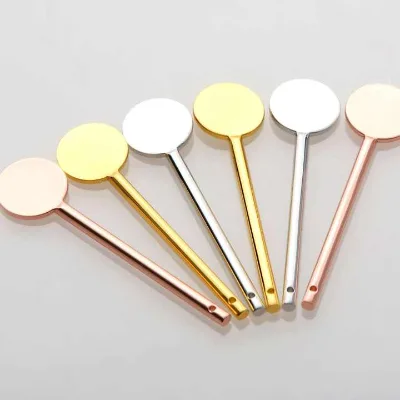
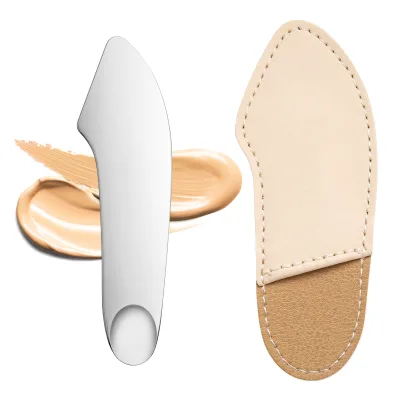


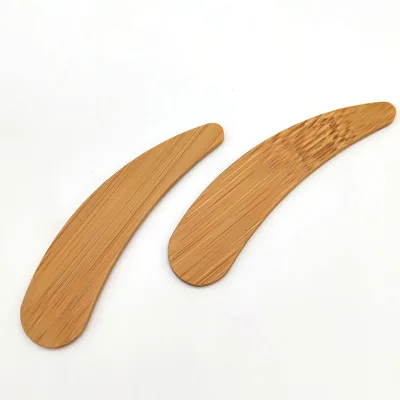
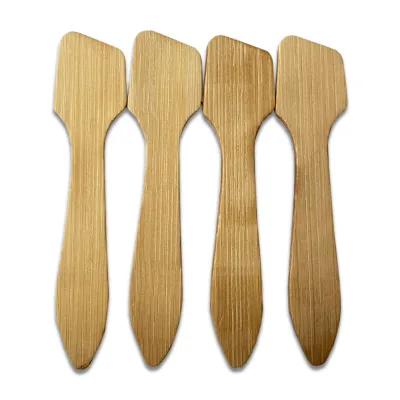
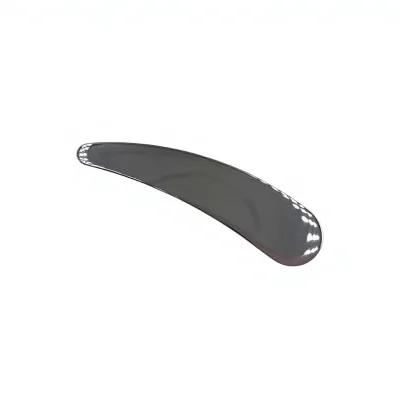
Hot Sale Facial Spatula/ Eye Relax Spatula for Cosmetics Skin Care Tools Makeup Spoon
$0.02 - $0.16
MOQ: 10000 pieces


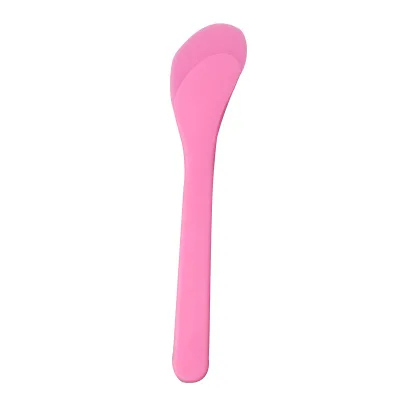
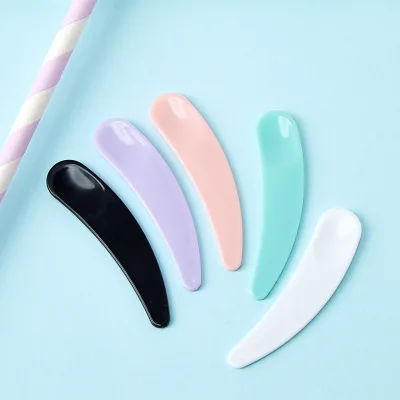
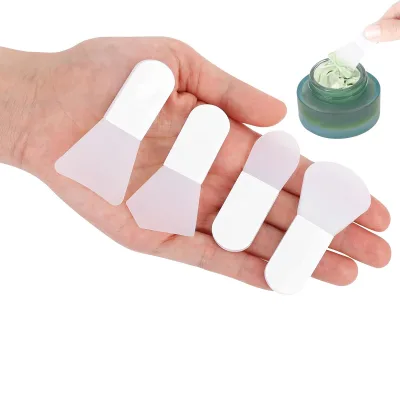
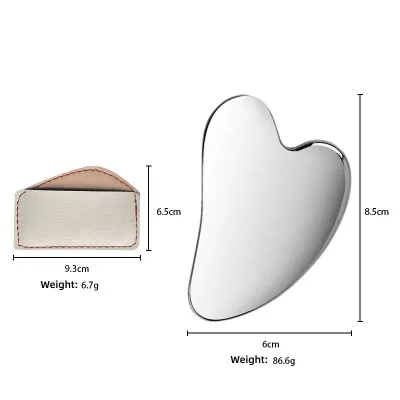

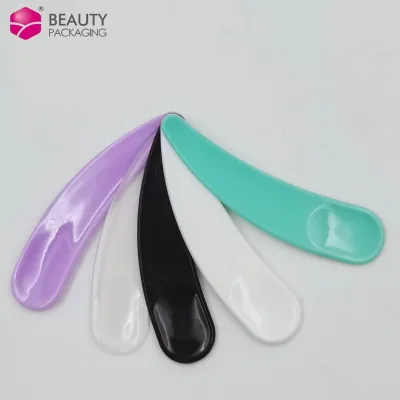
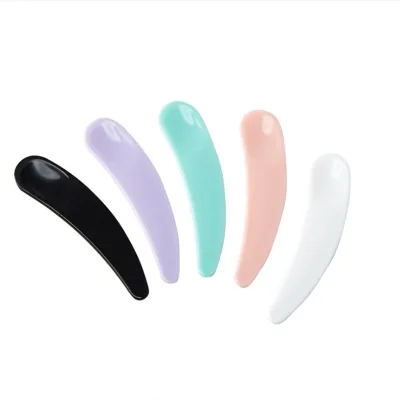


Comprehensive Sourcing Guide
Strategic Sourcing Guide for Beauty Glazed Cosmetic Spatulas
The global demand for precision beauty tools has elevated the cosmetic spatula from a niche accessory to a staple in professional and home skincare routines. For procurement professionals seeking a "Beauty Glazed Cosmetic Spatula," the primary objective is to identify a supplier capable of delivering high-fidelity stainless steel or zinc alloy tools that meet strict hygiene and aesthetic standards. This guide synthesizes available market data to provide a disciplined framework for sourcing these items, focusing on material integrity, customization capabilities, and supply chain reliability. The term "glazed" in this context often refers to the polished, mirror-like finish of the metal surface, which is critical for both hygiene and visual appeal in luxury beauty packaging.
Technical Specifications and Material Integrity
The foundation of a reliable cosmetic spatula lies in its material composition and dimensional accuracy. Based on observed product attributes, the market offers two primary material categories: stainless steel and zinc alloy. The most prevalent specification for high-end tools is 304 stainless steel, a grade known for its corrosion resistance and durability. This material is essential for tools intended for repeated contact with water-based creams, serums, and masks. The observed product data indicates specific dimensions such as 6.10.8cm and 5.91.2cm, which suggest a standardized size profile designed for ergonomic handling and precise application on the face.
When evaluating a potential supplier, buyers must verify that the "glazed" finish is achieved through proper polishing techniques rather than a superficial coating that could chip or flake. The observed attributes list "Stainkess steel palette stick(304)" and "Double-ended Stainkess steel palette stick(304)" as specific product types, highlighting the importance of the 304 grade. Additionally, some listings mention zinc alloy as an alternative material, which may offer a different weight profile and cost structure but requires verification regarding its resistance to oxidation compared to stainless steel.
Dimensional consistency is another critical technical factor. The data shows a range of sizes, including 6cm, 6.5*1.4cm, and 10X10X10 cm for packaging. A reliable supplier must demonstrate the ability to maintain tight tolerances on these measurements. The "Spoon-Shaped" geometry is a common design feature, optimized for scooping viscous products like face masks and creams without damaging the product's formulation. Buyers should request physical samples to confirm that the spatula edges are smooth and free of burrs, which could otherwise scratch the skin or the container being used.
Customization and Branding Capabilities
In the B2B beauty sector, private labeling and customization are often the deciding factors in supplier selection. The observed market data confirms that "Customized LOGO Accepted" and "Customized Logo" are standard offerings. This includes options for laser printing and labeling, which are superior methods for applying branding to metal surfaces as they do not wear off easily. The availability of "Customized" colors, including silver, gold, and rose gold, allows buyers to align the tool's aesthetic with their brand identity.
The "glazed" finish itself can be a point of customization. While the base material is often stainless steel, the final polish can vary from a standard mirror finish to a more textured or matte appearance, though the "glazed" description implies a high-gloss result. Suppliers listed in the data indicate that "OEM & ODM" services are "Warmly Welcomed," suggesting flexibility in design modifications. This is particularly relevant for buyers looking to create unique product shapes, such as the "Small heart" or "Mask scraper" variations observed in the market.
Furthermore, the packaging customization is a significant aspect of the procurement process. The data notes "Single OPP Bag Packaging" and specific package sizes like 15X11X9 Cm. Buyers should assess whether the supplier can provide custom retail packaging that complements the spatula's design. The ability to customize the logo on the product itself, combined with tailored packaging, creates a cohesive brand experience that is essential for retail success.
Cost Drivers and Minimum Order Quantities
Understanding the cost structure of cosmetic spatulas is vital for budgeting and margin analysis. The observed price range in the market is 0.01 to 1.95 USD, a wide spectrum that reflects differences in material quality, finish complexity, and order volume. The "glazed" finish and the use of 304 stainless steel likely place a product toward the higher end of this range compared to basic zinc alloy or unpolished options.
Minimum Order Quantities (MOQ) vary significantly across suppliers. The data presents a broad range, from 10 to 10,000 units, with specific instances of 50 pcs and 3,000 pcs. This variance suggests that buyers have options for both small-batch testing and large-scale production runs. A supplier with an MOQ of 50 pcs might be suitable for startups or limited edition launches, while a supplier requiring 3,000 pcs is likely geared toward established brands with consistent demand.
The cost is also influenced by the customization level. Custom logos, specific color finishes, and unique packaging designs typically incur additional setup fees or higher per-unit costs. Buyers should request a detailed breakdown of costs, separating the base unit price from customization charges. It is also important to note that the "Sample Acceptable" and "Avaliable" status allows buyers to validate quality before committing to large orders, which is a crucial risk mitigation strategy in the procurement process.
Typical Applications and Usage Scenarios
The functional application of the Beauty Glazed Cosmetic Spatula is diverse, spanning professional salons, spas, and home skincare routines. The observed product attributes list "Beauty Cosmetics Tools," "Ladies Makeup," and "Beauty Care Cosmetics Tools" as primary usage categories. The specific function of "Scoop Cream" and "Scoop Cosmetics up" indicates that these tools are designed to transfer products from jars to the skin without contamination.
The "Mask Facial Reusable Scoop" designation highlights a specific use case: the application of sheet masks or thick cream masks. The "Spoon-Shaped" design is particularly effective for this, allowing for even distribution of product over the face. The "Facial Spatula" keyword further reinforces its role in facial care. Additionally, the "Skin-friendly" feature suggests that the material and finish are safe for direct contact with sensitive skin, a critical requirement for products applied to the face.
The versatility of these tools extends to their compatibility with various product types. Whether used for moisturizers, serums, or clay masks, the spatula ensures that the product is applied hygienically. The "Unisex" and "Adult" age group attributes indicate that these tools are suitable for a broad demographic, making them a versatile addition to any beauty product line. The "Combination" skin type mention suggests that the tools are designed to be gentle enough for all skin types, including those that are prone to sensitivity.
Supplier Evaluation and Quality Control Protocols
Selecting the right supplier requires a rigorous evaluation process that goes beyond price and MOQ. The "Place of Origin: Zhejiang, China" is a common location for beauty tool manufacturing, known for its robust supply chain. However, buyers must verify the specific factory's capabilities and reputation. Key evaluation criteria include the supplier's ability to maintain consistent quality across batches, their adherence to production standards, and their responsiveness to customization requests.
Quality control should be a central part of the procurement strategy. Buyers should verify that the supplier has a documented quality assurance process, including checks for material purity (e.g., confirming 304 stainless steel), finish consistency, and dimensional accuracy. The "Feature: Skin-friendly" claim should be backed by material safety data sheets or third-party testing results, although specific test data is not provided in the current context. Buyers should request samples that have undergone the same production process as the bulk order to ensure consistency.
The "Single gross weight: 1.000 kg" and "Single package size: 10X10X10 cm" data points are useful for logistics planning, but buyers should also verify the actual weight and dimensions of the packaged product to avoid unexpected shipping costs. The "Shelf Life: 3 Years" attribute is a positive indicator of product durability, suggesting that the materials will not degrade quickly under normal storage conditions.
Long-Term Procurement Considerations
Sourcing beauty tools is not a one-time transaction but a long-term partnership. Buyers should consider the supplier's capacity for scaling production as their brand grows. The observed MOQ range of 10 to 10,000 units suggests that suppliers are flexible, but buyers should confirm the lead times for larger orders. The "Sample Acceptable" policy is a strong indicator of a supplier's confidence in their product and willingness to support the buyer's decision-making process.
Sustainability and environmental impact are increasingly important in the beauty industry. While the "glazed" finish is often achieved through polishing, buyers should inquire about the environmental practices of the manufacturing process. The use of recyclable materials like stainless steel and zinc alloy is a positive factor, but the packaging should also be evaluated for its environmental footprint. The "OPP Bag" packaging is common, but buyers may seek suppliers who offer eco-friendly alternatives if sustainability is a brand priority.
Finally, the "OEM & ODM" capability ensures that the supplier can adapt to future market trends and design changes. As consumer preferences evolve, the ability to introduce new shapes, colors, or finishes will be crucial for maintaining a competitive edge. Buyers should establish a clear communication channel with their supplier to facilitate ongoing collaboration and product development. By focusing on these long-term factors, buyers can secure a reliable supply chain that supports their brand's growth and reputation in the competitive beauty market.
FAQs
What materials are used for beauty glazed cosmetic spatulas?
The spatulas are primarily made from 304 stainless steel or zinc alloy. These materials ensure durability and corrosion resistance for repeated use with water-based creams and masks while maintaining a hygienic, polished surface.
Can I customize the logo on these cosmetic spatulas?
Yes, customized logos are accepted using laser printing or labeling techniques. This allows for permanent branding on the metal surface, ensuring the logo does not wear off during regular application of skincare products.
What is the minimum order quantity for these tools?
Minimum order quantities vary significantly, ranging from 50 pieces to 3,000 pieces depending on the supplier. Buyers can find options suitable for small batch testing or large-scale production runs based on their specific needs.
How do I verify the quality of the glazed finish?
Buyers should request samples to confirm the mirror-like polish and smooth edges before placing bulk orders. The finish must be free of burrs to ensure it is skin-friendly and safe for direct contact with facial skin.
Which colors are available for these cosmetic spatulas?
Available colors include silver, gold, and rose gold, with options for customized finishes. These variations allow buyers to align the tool's aesthetic with their specific brand identity and luxury packaging requirements.
What is the typical shelf life of these metal spatulas?
The products have a shelf life of three years under normal storage conditions. This durability indicates that the stainless steel and zinc alloy materials will not degrade quickly, ensuring long-term usability for the end consumer.