Source Bedroom Make Up Dresser with Mirror for Bedroom, Hotel, Apartment
Find 30 options for a Bedroom Make Up Dresser with Mirror from verified suppliers. Compare models like DT-619 and YQ-981 based on material, size, and delivery time to find the right fit for your needs.
Key considerations
Products List
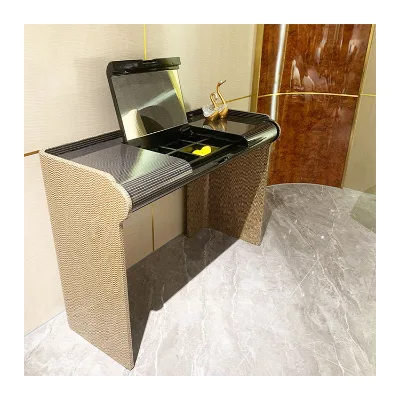
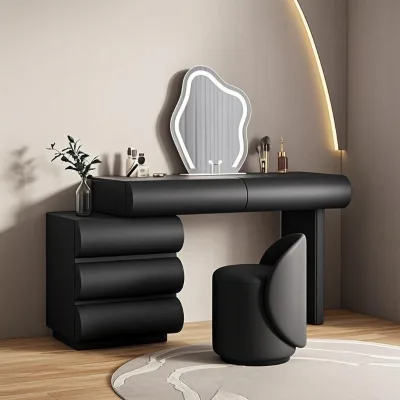
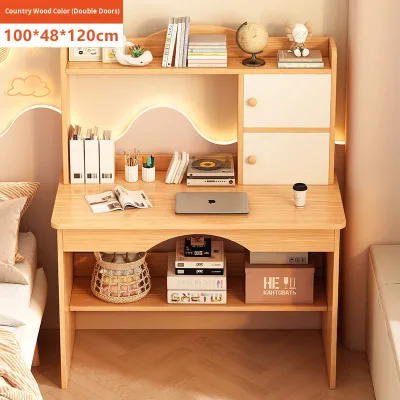
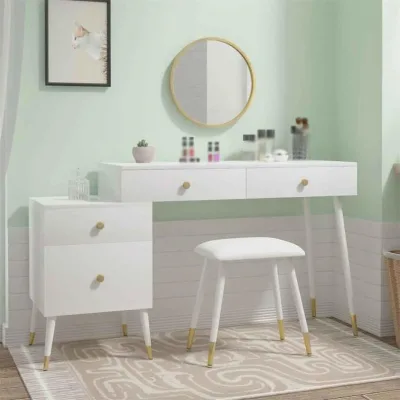
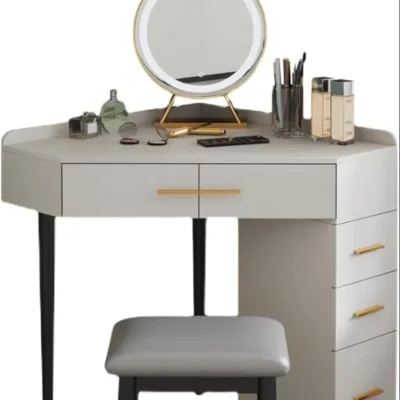
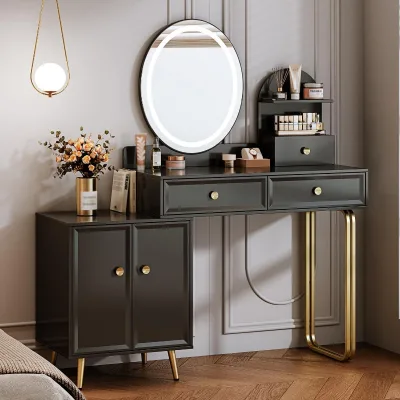
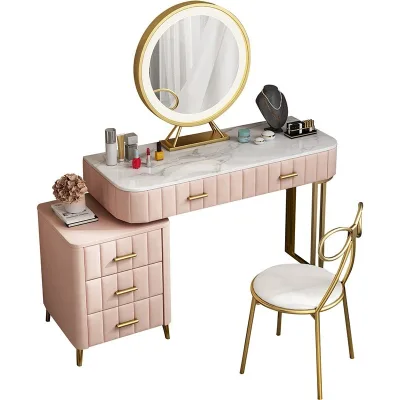
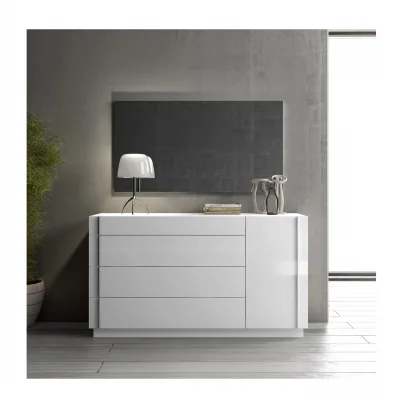
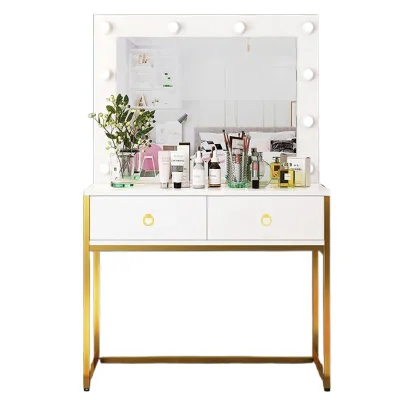
Hot Sale Vanity Table with Lights Colorful Makeup Dressing Table Special Makeup Table
$76.34 - $122.14
MOQ: 2 Minimum
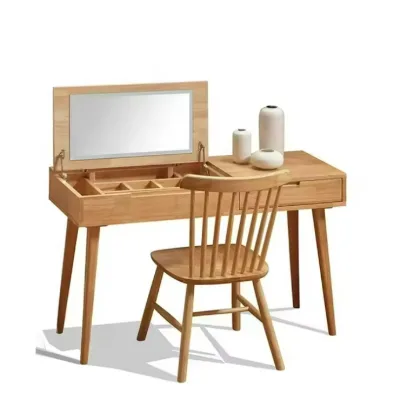


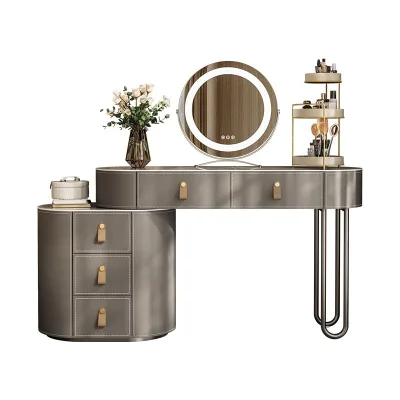
Modern Simple Luxury Solid Wood Dresser for Bedroom Cosmetic Mirror and Chair Set
$426.93 - $443.27
MOQ: 1 Minimum
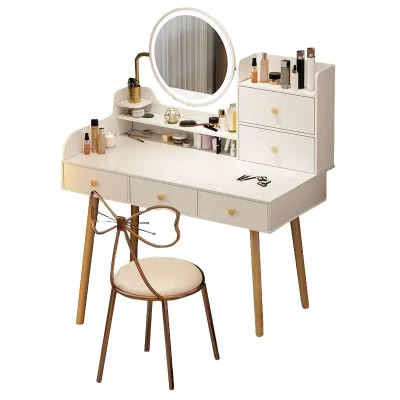
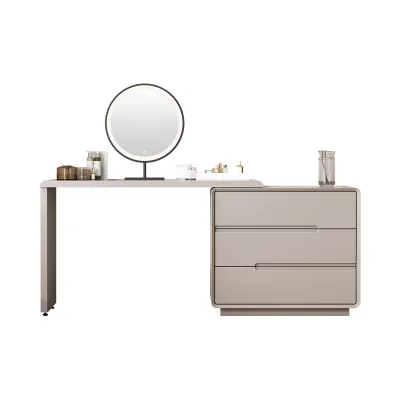
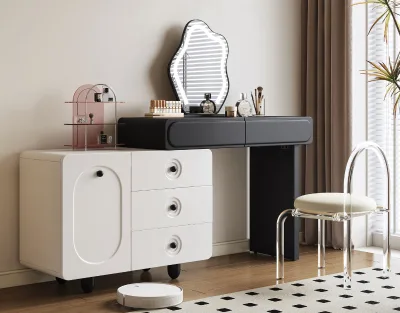
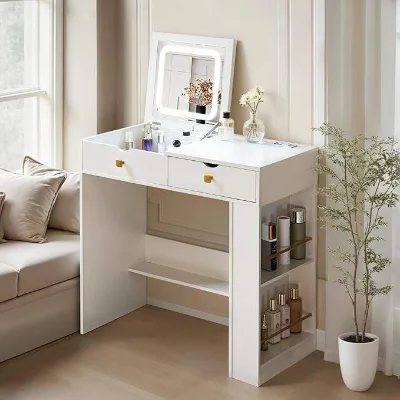
Modern Simple Bedroom Solid Wood Dresser Storage Cabinet Cosmetic Table
$404.55 - $453.34
MOQ: 1 pieces



Comprehensive Sourcing Guide
Strategic Sourcing Guide for Bedroom Makeup Dressers with Mirrors
Procuring bedroom makeup dressers with mirrors requires a disciplined approach that balances aesthetic requirements with rigorous technical verification. The global market for bedroom furniture is vast, yet specific product attributes often vary significantly between listings. Buyers must navigate a landscape where terms like "Modern European" or "Simple Modern" describe design intent rather than standardized engineering specifications. This guide provides a structured framework for evaluating suppliers, analyzing material compositions, and verifying supply chain capabilities without relying on unverified marketing claims. The focus remains on observable product facts and established procurement principles to ensure a secure and efficient sourcing process.
Technical Specifications and Material Composition
The foundation of a reliable procurement strategy lies in the precise definition of technical specifications. When sourcing makeup vanities, the primary material composition is a critical differentiator. Market observations indicate a divergence in construction methods. Some listings specify a composite of MDF, solid wood, and mirror components, while others identify the primary material simply as wood or panel types such as plywood or particle board. This variation necessitates a strict verification protocol during the supplier selection phase.
Buyers should explicitly request material certificates that distinguish between solid wood, engineered wood, and composite panels. The presence of a mirror is a standard feature, yet the type of mirror—whether removable or fixed—impacts both shipping logistics and installation flexibility. Removable mirrors, for instance, reduce the risk of breakage during transit and allow for easier customization of the vanity setup. Additionally, dimensions are not uniform across the market. Observed size ranges include specific measurements such as 11504601300mm, while other listings offer modular sizing options like 0.8m, 1m, or 1.2m widths. Standard sizes are also frequently cited, requiring buyers to confirm exact footprint requirements against their intended space.
The following table outlines the observed technical variances in the current market to assist in specification alignment:
| Attribute | Observation A | Observation B | Observation C |
|---|---|---|---|
| Main Material | MDF + Solid Wood + Mirror | Wood | Particle Board |
| Panel Type | Plywood | N/A | Particle Board |
| Mirror Type | Removable | N/A | N/A |
| Dimensions | 11504601300mm | 0.8m, 1m, 1.2m | Standard |
| Design Style | Modern European | Simple Modern | Modern |
| Color Options | Black | Black, White | Buff |
This data highlights the necessity of defining requirements before engaging with suppliers. A buyer seeking a solid wood construction will find the particle board options unsuitable, regardless of the design style. Similarly, the color palette ranges from monochromatic black to multi-tone options including white and buff, which must be matched to the interior design scheme.
Compliance, Certification, and Safety Standards
While the product listings often reference certifications such as CE or ISO 9001:2015, these should be treated as background information rather than guaranteed attributes of every listed item. In B2B procurement, assuming a supplier holds a specific certification without requesting current documentation is a significant risk. The presence of BSCI (Business Social Compliance Initiative) is also noted in background data, but this relates to social compliance rather than product safety or material quality.
Buyers must verify that the supplier can provide valid, up-to-date certification documents for the specific batch of goods being ordered. For bedroom furniture, particularly items containing mirrors and wood composites, compliance with formaldehyde emission standards and structural safety requirements is paramount. The term "Eco-Friendly" is frequently used as a feature, but this is a qualitative claim that requires quantitative backing. Procurement teams should request third-party test reports that verify formaldehyde release levels and structural load-bearing capacities.
Furthermore, the origin of the product influences compliance expectations. Products originating from regions like Guangdong or Chongqing in China may be subject to specific export regulations and quality control benchmarks. Buyers should ensure that the supplier's quality management system aligns with the import regulations of the destination country. Relying solely on the supplier's self-declared status without independent verification can lead to customs delays or product rejection at the destination.
Cost Drivers and Pricing Dynamics
Understanding the cost structure of bedroom makeup dressers is essential for budgeting and negotiation. The observed price range in the market spans from $2.50 to $600.00 USD. This wide disparity is driven by several key factors, including material quality, manufacturing complexity, and finishing techniques. A unit priced at the lower end of the spectrum likely utilizes particle board and standard hardware, whereas a unit at the higher end may incorporate solid wood, custom finishes, and premium mirror glass.
Material costs are the primary driver of price variance. Solid wood and plywood are inherently more expensive than MDF or particle board due to raw material scarcity and processing requirements. The inclusion of a mirror, particularly if it is a high-quality, tempered, or custom-cut piece, adds to the overall cost. Additionally, the design style plays a role; "Modern European" or "Simple Modern" designs often require more intricate joinery or finishing processes compared to basic utility furniture.
Logistics and packaging also contribute to the final landed cost. The packaging details observed include woven bags, foam, wooden cases, bubble bags, and polyfoam. Robust packaging, such as wooden cases, increases the unit cost but significantly reduces the risk of damage during international shipping. Buyers must weigh the cost of premium packaging against the potential loss of goods in transit. Furthermore, the supply ability of the manufacturer, observed at 1000 sets per month, can influence pricing. High-volume suppliers may offer better unit economics, while smaller suppliers might charge a premium for lower volumes or custom orders.
Typical Applications and Usage Scenarios
The versatility of bedroom makeup dressers extends beyond the private bedroom. Market data indicates applications in hotels, apartments, and master bedrooms. This diversity in usage scenarios requires buyers to consider the durability and aesthetic requirements of each environment. For residential use in a bedroom, the focus is often on style and personal storage needs. In contrast, hotel applications demand higher durability, resistance to frequent use, and a design that appeals to a broad demographic.
The feature set of the product must align with the intended application. Storage capabilities are a common requirement, with some units explicitly marketed as "Storage" or "Bedroom Makeup Sets." The presence of drawers, compartments, and the overall configuration of the vanity should be evaluated based on the user's needs. For example, a hotel vanity might prioritize easy cleaning and robust hardware, while a residential unit might emphasize aesthetic details and custom lighting integration.
The design style, ranging from Modern to Modern European, must also fit the context of the application. A "Simple Modern" design with a buff color might suit a minimalist apartment, whereas a "Modern European" style in black could be more appropriate for a luxury hotel suite. Buyers should ensure that the product's aesthetic and functional attributes match the specific environment where it will be deployed.
Supplier Evaluation and Verification
Evaluating suppliers requires a multi-faceted approach that goes beyond the information provided in product listings. The brand names observed, such as FANASE, YQ, and sinosource, represent different market positions and capabilities. However, the brand name alone does not guarantee quality or reliability. Buyers must conduct due diligence on the supplier's production capacity, quality control processes, and financial stability.
Key verification points include the supplier's place of origin, which can indicate the local supply chain maturity. Guangdong and Chongqing are known manufacturing hubs, but the specific factory capabilities vary. Buyers should request factory audits or virtual tours to assess the production environment. The lead time, observed at 15 days for some products, is a critical factor in supply chain planning. Buyers must confirm if this lead time is consistent or if it varies based on order volume and customization requirements.
The payment terms, such as T/T 30%/70%, are standard but should be negotiated based on the order size and relationship history. Buyers should also verify the minimum order quantity (MOQ), which ranges from 1 to 3000 units. A low MOQ of 1 allows for sampling and testing, while higher MOQs may be required for custom branding or large-scale deployments. The ability to customize logos and designs is another important factor, as indicated by the "Customized Logo" attribute. Buyers should confirm the feasibility and cost implications of such customization before placing an order.
Quality Control and Long-Term Procurement Considerations
Ensuring consistent quality is a continuous process that begins with the initial order and extends through the entire procurement lifecycle. Quality control measures should include pre-shipment inspections, random sampling, and adherence to agreed-upon specifications. The packaging details, such as the use of wooden cases and foam, are part of the quality assurance process, ensuring that the product arrives in perfect condition.
Long-term procurement considerations involve building a sustainable relationship with the supplier. This includes establishing clear communication channels, defining quality standards, and agreeing on dispute resolution mechanisms. Buyers should also consider the environmental impact of their procurement decisions, particularly regarding the use of wood and composite materials. Verifying that the wood sources are sustainable and that the manufacturing processes adhere to environmental standards can enhance the brand reputation of the buyer.
The durability of the product is another long-term consideration. Features such as "Durable" and "Eco-Friendly" should be backed by performance data. Buyers should request warranty information and after-sales support details to ensure that any issues can be resolved promptly. The port of dispatch, such as Huangpu or Shekou, should be factored into the logistics planning to ensure timely delivery.
In conclusion, sourcing bedroom makeup dressers with mirrors requires a meticulous approach that combines technical verification, compliance checks, and strategic supplier evaluation. By focusing on observable facts and adhering to established procurement principles, buyers can mitigate risks and secure high-quality products that meet their specific needs. The market offers a wide range of options, but success depends on the ability to distinguish between marketing claims and verified product attributes.
FAQs
What materials are used for Bedroom Make Up Dresser with Mirror?
Main materials vary by listing, including MDF, solid wood, plywood, or particle board. Some units combine these with mirrors, while others specify wood as the primary component. Buyers must verify the specific material composition before ordering to ensure it meets durability requirements.
Which mirror types are available for Bedroom Make Up Dresser with Mirror?
Some listings specify removable mirrors, which reduce transit breakage risks and allow installation flexibility. Other options may include fixed mirrors depending on the manufacturer. Confirming the mirror type is essential for shipping logistics and customization needs.
Can I find Bedroom Make Up Dresser with Mirror with low MOQ?
Yes, some suppliers offer a minimum order quantity of just one unit. Other vendors may require higher volumes, such as 100 sets. Buyers should check individual supplier terms to find options that match their order size and budget constraints.
How long is the delivery time for Bedroom Make Up Dresser with Mirror?
Standard delivery times observed are around 15 days from order confirmation. This duration may vary based on customization needs or order volume. Buyers should confirm the specific lead time with the supplier before finalizing the purchase agreement.
What are the standard dimensions for Bedroom Make Up Dresser with Mirror?
Dimensions vary significantly, with specific sizes like 1150 by 460 by 1300 mm or modular options of 0.8, 1, and 1.2 meters. Some listings offer standard sizing. Verify exact footprint requirements against your space before selecting a product.
Which design styles are available for Bedroom Make Up Dresser with Mirror?
Available styles include Modern European, Simple Modern, and general Modern designs. Colors range from black and white to buff. Selecting a style that matches your interior scheme is crucial for aesthetic consistency in the intended room.
Can suppliers customize logos on Bedroom Make Up Dresser with Mirror?
Yes, many suppliers offer customized logo services for branding purposes. This feature allows buyers to add their company identity to the product. Confirm the feasibility and any additional costs for logo customization before placing a bulk order.