Source Wood Leg Modern Sofa for Office and Lounge
Explore 30 listings for the Wood Leg Modern Sofa, featuring contemporary designs with synthetic leather or fabric upholstery. Compare specifications for office buildings, cafes, and commercial spaces to find suitable seating solutions; compare the available evidence and request quotations based on your requirements.
Key considerations
Products List
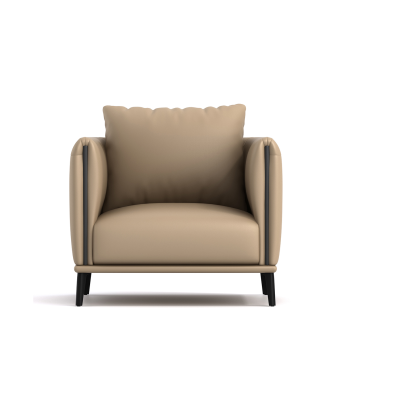


Hotel Furniture Home Sofa Modern Sofa Luxury Modern Sofa Living Room Sofa
$982.00 - $1171.00
MOQ: 1 Pieces


Modern Fabric Sofa with Soft Upholstery and Sturdy Wooden Legs for Living Room
$500.00 - $1500.00
MOQ: 1 Pieces

Comprehensive Sourcing Guide
Wood Leg Modern Sofa Sourcing Guide
Procuring wood leg modern sofas requires distinguishing between genuine solid wood construction and synthetic alternatives that merely mimic the aesthetic. The observed market data indicates a mix of products where some listings specify solid wood frames while others rely on synthetic leather or metal components. Buyers must carefully scrutinize the "Frame Material" attribute to ensure the wood legs are structural and not merely decorative veneers, as this distinction significantly impacts durability and long-term value in commercial settings.
Commercial applications such as office buildings and home offices demand furniture that balances contemporary design with rigorous usage standards. The available listings show a prevalence of modern and contemporary styles, yet the condition varies from new to used, creating a complex procurement landscape. Sourcing teams should prioritize suppliers who explicitly define the wood type and leg construction method, ensuring the final product meets the specific load-bearing and aesthetic requirements of the intended space without compromising on safety or stability.
Product Scope and Observed Listing Signals
The current market for wood leg modern sofas presents a fragmented scope where product attributes like "Synthetic Leather" and "Solid Wood" appear in the same dataset, requiring careful filtering. While some items are marketed specifically as office sofas with modern designs, others list general commercial uses including bars, cafes, and restaurants. Buyers must verify the "Specific Use" and "General Use" fields to confirm the sofa is suitable for the intended environment, as a unit designed for high-traffic hospitality venues may differ significantly from one intended for a quiet executive office.
Listing signals often reveal inconsistencies in customization options and condition status, with some products marked as "Used" while others are "New." The presence of "Customization: Available" alongside "Non-Customized" entries suggests a need for clear communication with suppliers regarding material and finish preferences. Procurement teams should focus on listings that explicitly state the frame material as wood and confirm the leg construction, avoiding items where the material is ambiguous or where the primary structure relies on metal or aluminum frames instead of the desired wooden aesthetic.
Technical Specifications to Verify
Verifying the technical specifications of wood leg sofas involves a deep dive into the frame material, padding density, and overall dimensions to ensure structural integrity. The observed data includes specific model numbers and dimensions, yet the "Frame Material" varies between wood, metal, and aluminum, necessitating a strict verification protocol. Buyers should request detailed engineering drawings or physical samples to confirm that the legs are solid wood and capable of supporting the specified load, particularly for commercial applications where durability is paramount.
Padding and upholstery materials also require rigorous assessment, as the listings show a mix of sponge padding, fabric, and synthetic leather options. The "Back Height" and "Armrest" configurations vary, influencing both comfort and the visual profile of the sofa in a modern setting. Procurement specialists must ensure that the selected model matches the required ergonomic standards, checking that the "Sofa Set" configuration aligns with the spatial constraints of the installation site while maintaining the modern design language expected in contemporary office environments.
Compliance and Safety Documentation
Safety compliance for wood leg modern sofas extends beyond basic structural stability to include fire retardancy and material safety standards. While some listings mention "Fire Retardant Standard" and "ISO" references, the data is often incomplete or generic, requiring buyers to demand specific test reports for the upholstery and foam components. In commercial settings, adherence to local fire codes is non-negotiable, and suppliers must provide certified documentation proving that the materials meet the required safety thresholds for public occupancy and office use.
Material safety is equally critical, particularly regarding the adhesives and finishes used on the wooden legs and frames. Buyers should verify that the wood treatment processes do not introduce harmful volatile organic compounds (VOCs) that could affect indoor air quality. Although specific certification names like FSC are mentioned in background notes, they should not be assumed without direct proof from the supplier. Procurement teams must insist on material safety data sheets (MSDS) to ensure the finished product is safe for prolonged human contact in enclosed spaces.
Cost Drivers and Commercial Terms
The cost of wood leg modern sofas is heavily influenced by the quality of the raw materials, specifically the type of wood used for the legs and the frame construction. Listings show a wide price range, reflecting the variance between solid wood, engineered wood, and synthetic alternatives. Buyers must understand that higher costs often correlate with genuine solid wood frames and superior upholstery, whereas lower-priced items may compromise on structural integrity or use less durable materials that fail to meet commercial standards.
Commercial terms such as Minimum Order Quantity (MOQ) and lead times are significant factors in the procurement strategy, with observed MOQs ranging from single items to 2000 pieces. The "Selling Units" and "Packing" methods also impact the final landed cost, as export cartons or woven bags may require additional handling fees. Procurement teams should negotiate based on volume tiers, ensuring that the unit price reflects the quality of the wood and the complexity of the modern design, while also accounting for potential customization fees that may apply to specific finish requests.
Supplier Qualification and Quality Control
Supplier qualification for wood leg modern sofas requires a thorough vetting process that goes beyond basic product listings to assess manufacturing capabilities and quality control systems. Buyers should verify the supplier's origin, noting that many listings indicate production in Guangdong, China, a region known for furniture manufacturing but also requiring strict oversight. Establishing a clear communication channel regarding the "Customization" options and ensuring the supplier can consistently deliver the specified wood quality is essential for maintaining brand reputation and product reliability.
Quality control protocols must be established early in the sourcing process to prevent defects in the wooden legs and frame assembly. Regular inspections should focus on the joinery, finish quality, and the stability of the legs under load, as these are common failure points in modern sofa designs. Buyers should implement a pre-shipment inspection regime that includes random sampling and stress testing to ensure that the delivered units match the approved samples and meet the agreed-upon technical specifications before final payment is released.
Long-Term Procurement Checks
Long-term procurement checks for wood leg modern sofas involve monitoring the durability of the wooden components and the stability of the frame over time. Buyers should establish a feedback loop with end-users to identify any issues related to leg wobbling, finish wear, or structural fatigue, which can indicate underlying quality problems. Regular audits of the supplier's production lines and material sourcing practices help ensure that the wood quality remains consistent, preventing degradation in product performance as the furniture ages in commercial environments.
Sustainability and supply chain transparency are increasingly important for long-term procurement strategies, especially when sourcing wood-based furniture. Buyers should periodically review the supplier's compliance with environmental standards and their ability to source wood from responsible origins. Maintaining a relationship with a supplier who can provide updated documentation on material safety and environmental impact ensures that the procurement strategy remains aligned with corporate sustainability goals and regulatory requirements over the lifecycle of the furniture.
FAQs
What materials are used for the frame of this modern sofa?
The frame is constructed from solid wood and metal components. This combination provides structural stability and durability for commercial environments. The design integrates contemporary aesthetics with robust engineering to support daily use in office or lounge settings.
Can the sofa be customized for specific office layouts?
Yes, customization is available for this product line. Buyers can request specific configurations to suit their interior design needs. The manufacturer supports tailored solutions to ensure the furniture fits seamlessly into modern office buildings or commercial spaces.
What is the typical MOQ for ordering this sofa set?
The minimum order quantity is listed as 2000 pieces. This high MOQ reflects the manufacturing scale and supply chain requirements. Buyers should verify current stock levels and production capacity with the supplier before initiating a bulk purchase order.
How is the sofa packed for international shipping?
The product is packed in export cartons or woven bags depending on the specific model. This packaging ensures protection during transit. The dimensions provided indicate a compact footprint, facilitating efficient loading and storage for global distribution networks.
Is the sofa suitable for high-traffic commercial areas?
Yes, it is designed for general commercial furniture use. The synthetic leather upholstery and sturdy frame withstand frequent use. It is ideal for office lobbies, waiting areas, and modern workspaces requiring durable and stylish seating solutions.