Source Black PP Labubu Figure for decoration, collection, and gifts
Explore 30 listings for the Black PP Labubu Figure, comparing plush and plastic options with varying sizes and certifications. Buyers can evaluate MOQs, materials, and customization features to find suitable suppliers for decoration, collection, or gifting purposes; compare the available evidence and request quotations based on your requirements.
Updated
Key considerations
Products List
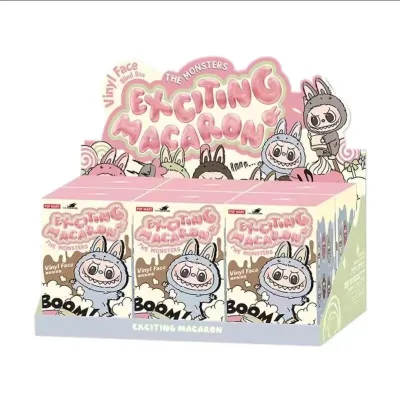
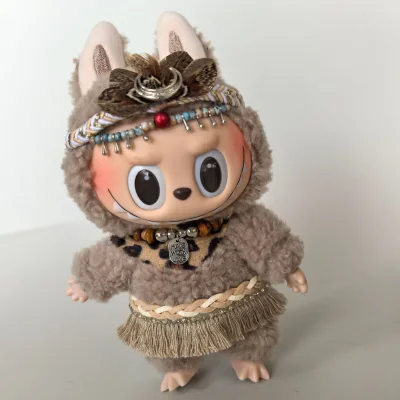
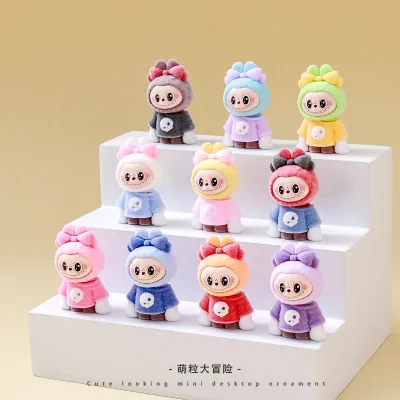


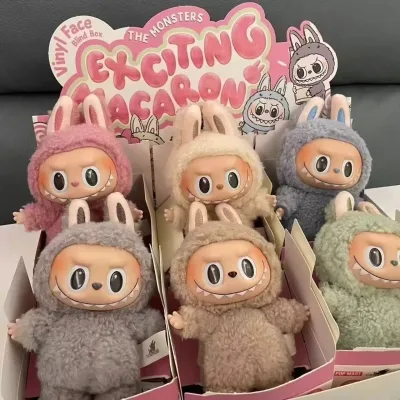
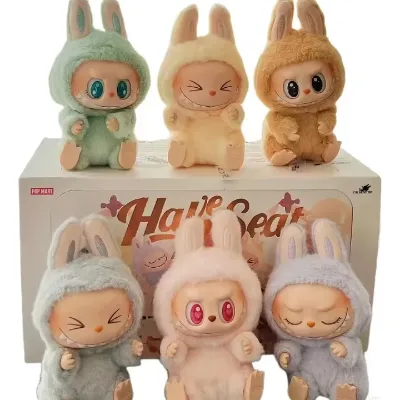

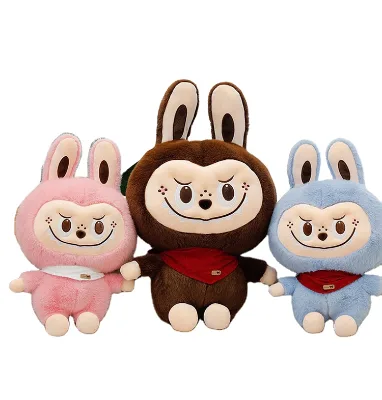


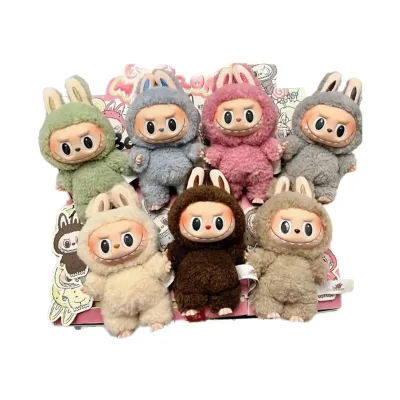
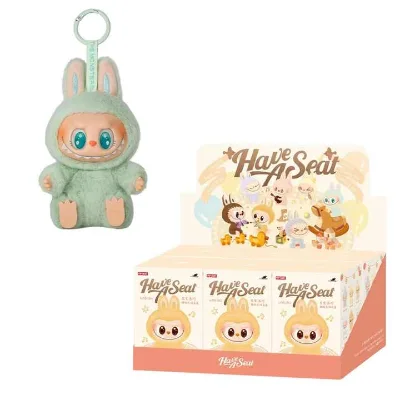
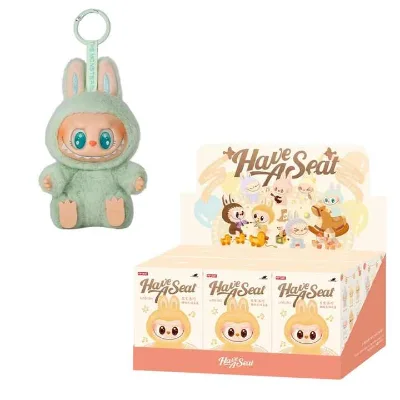
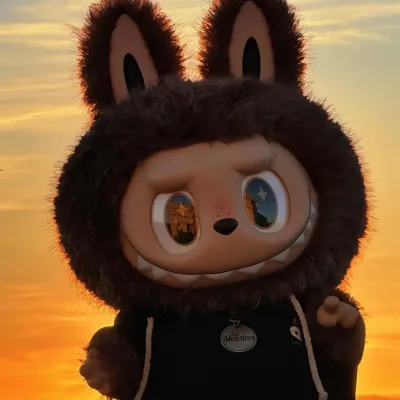
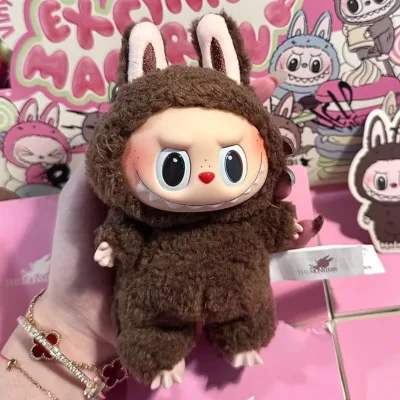
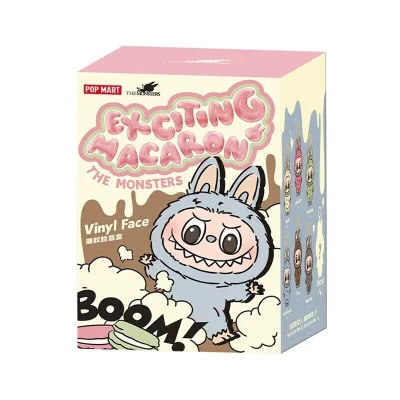
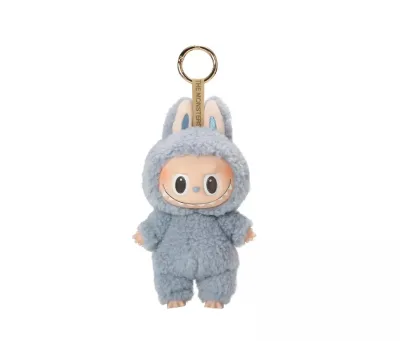
Comprehensive Sourcing Guide
Black PP Labubu Figure Sourcing Guide
Sourcing black polypropylene (PP) Labubu figures requires careful navigation of the plush and plastic toy markets, as product listings often mix material types. Buyers must distinguish between soft plush variants made from PP cotton and hard plastic action figures constructed from PP or PVC. The core keyword suggests a specific aesthetic, but actual product attributes vary significantly, with some items labeled as "100% Soft Plush" while others are defined by injection-molded plastic processes. This divergence necessitates precise verification of material composition before placing orders, as the tactile experience and durability expectations differ entirely between fabric-based and rigid polymer constructions.
Procurement teams should also scrutinize the intended audience and scale, as listings range from children’s toys with specific age recommendations to adult collectibles. The observed data indicates a wide spectrum of target demographics, including ages 4-6, 7-12, and 12+, alongside adult-oriented "Q Version" figures. Understanding this segmentation is critical for compliance and marketing, as safety standards for younger children are far more stringent than those for adult collectibles. Buyers must align their sourcing strategy with the specific age bracket of the figure they intend to purchase, ensuring that the product’s physical properties and labeling meet the regulatory requirements of their target market.
Product Scope and Observed Listing Signals
The market for Labubu-themed items presents a complex array of product types, including dolls, doll clothes, and standalone action figures. Listings frequently describe products with conflicting attributes, such as "Main Material: 100% Soft Plush" alongside "Material: PP" or "PVC." This inconsistency highlights the need for buyers to verify the exact nature of the item, whether it is a soft stuffed toy, a plastic accessory, or a complete figure. The presence of "Q Version" scaling and "Cute Fun" styling suggests a focus on collectible aesthetics, but the physical form factor—ranging from 17CM plush items to smaller 10X10X2 cm packaged goods—varies widely across suppliers.
Packaging and presentation also serve as key signals for product identity, with options including OPP bags, gift boxes, and customized packaging. Some listings indicate "Original Package: Yes," while others offer "1pc/opp Bag or customized" solutions, reflecting different supply chain capabilities. Buyers should note that "Customized Colour" and "Logo: Customized Accepted" are common features, allowing for brand integration. However, the presence of multiple color sets (Set 1, Set 2, Set 3) and "Customized Colour" options implies that the final appearance may differ from standard stock images. Procurement teams must request physical samples to confirm color accuracy and packaging quality before committing to bulk orders.
Technical Specifications to Verify
Technical verification begins with confirming the model number and physical dimensions, as listings cite various identifiers such as GT138, HTT-A008, or generic "other" codes. Size specifications are critical, with observed data showing a 17CM height for plush variants and a single package size of 10X10X2 cm for smaller items. Buyers must ensure that the stated dimensions match the actual product, particularly for "Q Version" figures where scale accuracy is a key value proposition. The "Single gross weight" of 0.100 kg provides a baseline for shipping calculations, but this may vary significantly depending on whether the item is a lightweight plush toy or a denser plastic figure.
Manufacturing processes further differentiate the products, with some items produced via injection molding for plastic components and others assembled from plush fabric and PP cotton. The "Process: Injection Mold" attribute applies specifically to plastic figures, indicating a rigid structure, while plush items rely on sewing and stuffing techniques. Buyers should verify the "Plastic Type" for hard figures, noting that PP and PVC are both mentioned, each offering distinct properties regarding flexibility and durability. Additionally, the "Mfg Series Number: Fashion" suggests a trend-driven production cycle, requiring buyers to confirm current stock availability and lead times to avoid delays in meeting market demand.
Compliance and Safety Documentation
Safety compliance is paramount, especially when sourcing products with age recommendations targeting children. Listings cite certifications such as ASTM, RoHS, REACH, and ENASTM, which are essential for market access in various regions. Buyers must verify that the specific product variant holds the relevant certification, as a single supplier may offer both child-safe plush toys and adult collectibles with different regulatory requirements. The "Certification: ASTM,RoHS,REACH,STCustomized:Customized" note indicates that some standards may be adaptable, but buyers should insist on valid, third-party test reports for the exact model being purchased.
For plastic components, verifying the absence of harmful substances is crucial, particularly when PVC is mentioned alongside PP. RoHS and REACH certifications help ensure that heavy metals and restricted chemicals are within acceptable limits. Buyers should also check for age-specific warnings, as products recommended for "14 Years & up" or "Adult" may not require the same rigorous testing as those for "4-6Y" or "7-12y" age groups. Ensuring that the packaging includes appropriate safety labels and warnings is part of the compliance checklist, as improper labeling can lead to customs holds or product recalls.
Cost Drivers and Commercial Terms
Pricing in this category is influenced by material complexity, customization levels, and order volume. The observed price range of $0.1 to $342 USD reflects the disparity between simple plush accessories and detailed, packaged collectible figures. Buyers should anticipate higher unit costs for items with "Customized Colour," "Logo: Customized Accepted," or "OEM & ODM: Warmly Acceptabled" features, as these require additional setup and production time. The "MOQ: 5PCS" for some items suggests flexibility for small buyers, while other listings may have higher minimum order quantities, impacting initial investment and inventory risk.
Commercial terms also vary, with payment options including T/T, LC, and PayPal, offering different levels of security and convenience. Lead times are another critical factor, with sample times noted as "5-7working Days," which is standard for customized goods. Buyers should clarify whether the quoted price includes packaging, shipping, and any customization fees, as these can significantly alter the total landed cost. Understanding the "Selling Units: Single item" structure helps in calculating per-unit costs accurately, ensuring that budget forecasts align with actual supplier quotations.
Supplier Qualification and Quality Control
Supplier qualification requires verifying the place of origin and manufacturing capabilities, with listings indicating origins in Zhejiang and Guangdong, China. These regions are known for their robust toy manufacturing ecosystems, but buyers should assess the supplier’s specific expertise in either plush or plastic production. The "Factory: China Toy Manufacturer" label suggests direct sourcing potential, but buyers must confirm whether the supplier is a manufacturer or a trading company, as this affects quality control and communication efficiency. Requesting factory audits or video tours can provide insight into production standards and capacity.
Quality control measures should include pre-production sample approval and in-line inspections, particularly for customized items. Buyers should establish clear acceptance criteria for color matching, stitching quality (for plush), and molding defects (for plastic). The "Customization: Available" attribute implies that deviations from standard designs are possible, but this increases the risk of quality inconsistencies. Implementing a rigorous inspection protocol, including random sampling and functional testing, helps mitigate these risks and ensures that the final products meet the buyer’s specifications and quality expectations.
Long-Term Procurement Checks
Long-term procurement success depends on establishing a reliable supply chain that can adapt to changing market trends and regulatory updates. Buyers should monitor supplier performance metrics, such as on-time delivery rates and defect percentages, to identify potential issues early. Regular communication with suppliers regarding new product developments, such as updated "Fashion" series numbers or new color sets, helps maintain a competitive edge. Building a strong relationship with the supplier can also facilitate better pricing and priority production during peak seasons.
Additionally, buyers should stay informed about evolving safety standards and certification requirements in their target markets. As regulations tighten, suppliers may need to update their testing protocols or material compositions. Proactively engaging with suppliers on these changes ensures continued compliance and reduces the risk of supply chain disruptions. By maintaining a flexible and informed procurement strategy, buyers can effectively manage the complexities of sourcing Labubu figures and other similar collectible items, ensuring consistent quality and market relevance.
FAQs
What materials are used for the Black PP Labubu Figure?
The product uses Plush Fabric and PP Cotton for the main body, while other variants utilize Polyester or PVC materials. Some listings specify PP plastic types for specific components. These materials ensure the toy remains soft and durable for decoration purposes.
Can I customize the color and logo for this figure?
Yes, customization is available for both color and logo. The product offers customized colors and accepts logo customization. Buyers can request specific color sets or designs, and OEM and ODM services are warmly accepted to meet unique branding requirements.
What is the minimum order quantity for this product?
The minimum order quantity is five pieces for most listings. Some suppliers may list an MOQ of one piece, while others require up to five thousand pieces. Buyers should verify the specific MOQ with the supplier before placing an order.
Where is the original package of this figure produced?
The original package is produced in Zhejiang or Guangdong, China. The product originates from these regions, and the packaging includes an OPP bag. Some items come in a gift box, and the original package status is confirmed as yes for certain listings.
Which certifications does the Black PP Labubu Figure hold?
The product holds ASTM, RoHS, REACH, and ST certifications. Some listings also mention ENASTM standards. These certifications ensure the toy meets safety requirements for children and adults, making it suitable for decoration and gifting purposes.
How long is the sample time for this product?
The sample time is typically five to seven working days. This duration applies to creating a custom sample for the Black PP Labubu Figure. Buyers should plan their procurement schedule accordingly to ensure timely delivery of samples for quality verification.
What is the recommended age range for this figure?
The recommended age range varies from four years up to adults. Specific listings suggest ages 4-6, 7-12, 12+, and 14 years and up. The product is designed as a unisex decoration item suitable for various age groups.