Source Black Pulse Pedal Assistant Sensor for E-bikes, Scooters, and Bikes
Find 29 listings for the Black Pulse Pedal Assistant Sensor to compare specifications like voltage, material, and sensor type. Buyers can evaluate options from various suppliers for e-bike and scooter applications; compare the available evidence and request quotations based on your requirements.
Updated
Key considerations
Products List
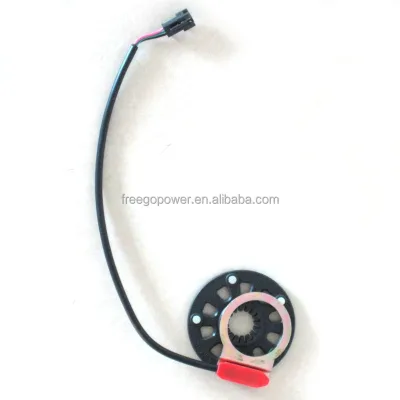
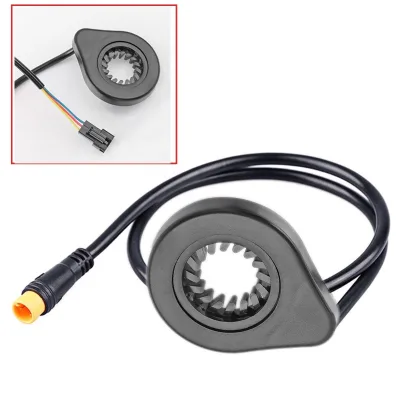
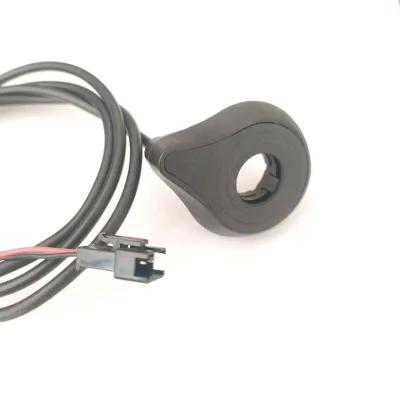
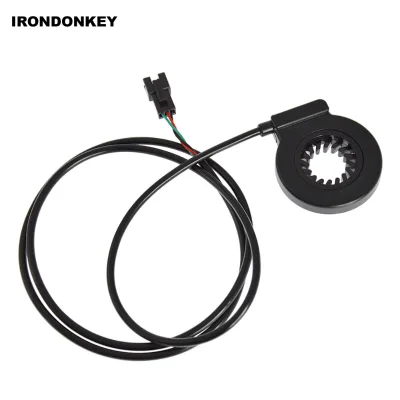
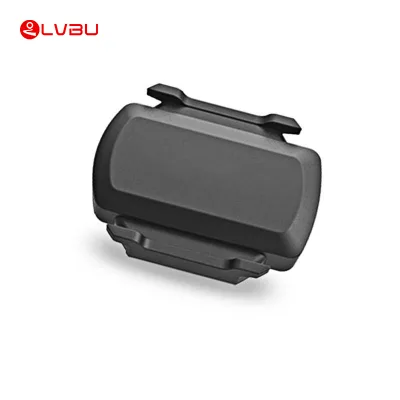


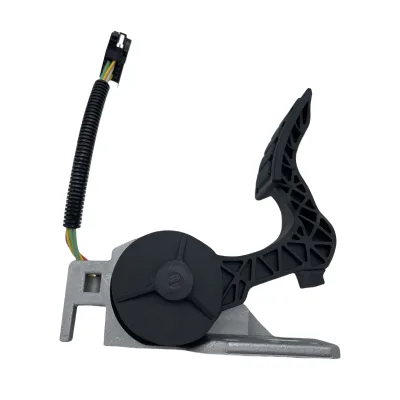
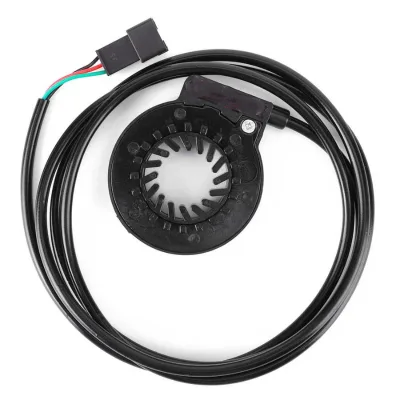
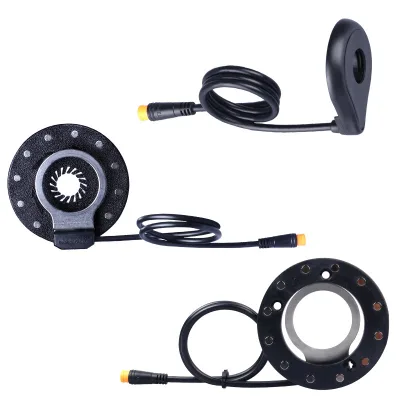
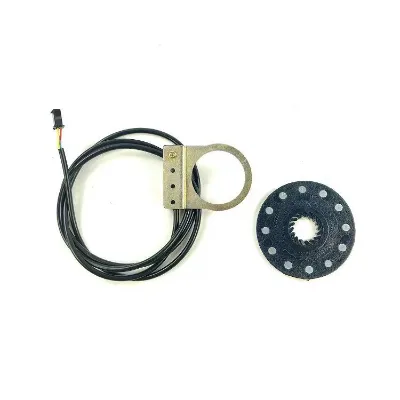
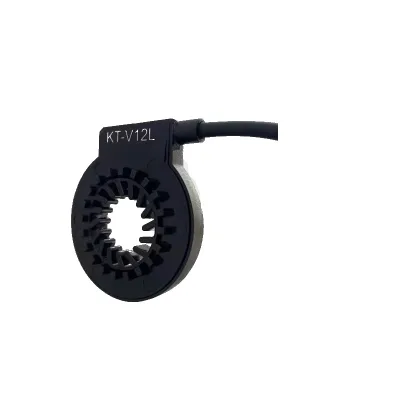
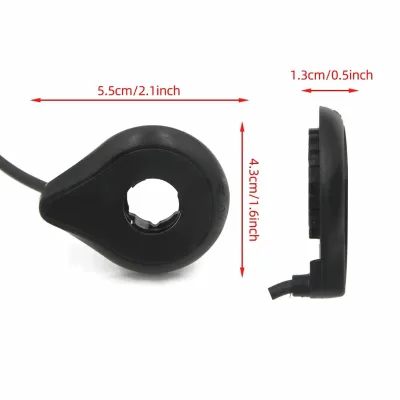







Negotiable
MOQ: 1 Pieces


Comprehensive Sourcing Guide
Black Pulse Pedal Assistant Sensor Sourcing Guide
Procuring black pulse pedal assistant sensors requires a disciplined approach to verifying component compatibility and signal integrity within electric bicycle drivetrains. These sensors are critical for translating rider input into motor assistance, ensuring a seamless and responsive riding experience. Buyers must prioritize suppliers who provide clear documentation on sensor type, such as geomagnetic or cadence-based mechanisms, to match specific controller requirements. The visual consistency of black finishes also plays a role in aesthetic integration, particularly for OEMs aiming for a unified product design language across their e-bike models.
The market offers a variety of models, including those identified by codes like PAS and PAS-004, which may differ in mounting geometry and electrical interfaces. Sourcing teams should evaluate the supply chain’s ability to maintain consistent quality across batches, as variations in sensor calibration can lead to inconsistent pedal assist performance. Understanding the specific application context, whether for replacement parts or new assembly, helps in selecting the appropriate voltage and current specifications. This guide outlines the key technical and commercial factors necessary for making informed procurement decisions in this specialized component category.
Product Scope and Observed Listing Signals
The current market landscape for pedal assist sensors includes a diverse range of products from various manufacturers, with observed listings indicating a wide price spectrum from $0.18 to $32,000 USD. This variance often reflects differences in material quality, brand positioning, and included features such as integrated displays or wireless connectivity. For instance, some listings feature brands like Freego and FOCAN, offering components with specific model numbers such as PAS and PAS-004. Buyers should note that these price points may correspond to different packaging quantities or bundled accessories, necessitating a careful review of the unit cost versus the total order value to avoid misinterpretation of pricing structures.
Observed minimum order quantities (MOQs) range from 1 to 5,000 pieces, catering to both small-scale repair shops and large-scale manufacturers. Packaging details vary significantly, with some suppliers offering individual polybag packaging for single items, while others provide bulk carton packaging containing multiple units. For example, certain listings specify packaging of one piece per polybag and seven pieces per carton, which impacts logistics and storage efficiency. Additionally, some products are marketed with specific attributes like waterproof plugs or specific cable lengths, highlighting the importance of verifying physical dimensions and connection types to ensure compatibility with existing e-bike frames and wiring harnesses.
Technical Specifications to Verify
Verifying the technical specifications of pedal assist sensors is paramount to ensuring proper integration with the e-bike’s control system. Key parameters to confirm include the sensor type, such as geomagnetic sensors, and the electrical characteristics like voltage and current ratings. Listings indicate options for 24V-48V and 36V systems, with some sensors designed for brushless motors and others for specific display types like LCD or wireless displays. Buyers must ensure that the sensor’s output signal matches the controller’s input requirements to prevent communication errors or failure to engage pedal assist. Additionally, the material composition, whether stainless steel, plastic, or ABS, affects durability and resistance to environmental factors, which is crucial for long-term reliability.
Physical dimensions and mounting configurations are equally critical, as sensors must fit precisely within the bike’s frame or crankset area. Observed single package sizes range from 9X3X6 cm to 18X15X12 cm, indicating significant variation in form factor. Weight is another consideration, with some sensors weighing as little as 0.017 kg, which can impact the overall weight of the e-bike. Buyers should also verify the waterproof grade, with some products rated at IP66, to ensure they can withstand exposure to rain and mud. Confirming these specifications against the bike’s design requirements prevents costly rework and ensures a seamless assembly process.
Compliance and Safety Documentation
Ensuring that pedal assist sensors meet relevant safety and compliance standards is essential for market access and consumer trust. While specific certification details may vary by supplier, buyers should request documentation confirming that components adhere to international safety standards for electrical and electronic products. This includes verifying that the sensors do not pose risks such as electrical shock or fire hazards, particularly given their integration with battery systems. Suppliers should provide test reports or certificates of conformity that demonstrate compliance with regulations in the target market, such as CE or FCC standards, depending on the region of sale.
Additionally, buyers should inquire about the warranty terms offered by suppliers, as this can indicate the manufacturer’s confidence in their product’s durability. Some listings mention a six-month warranty, which provides a baseline level of protection against defects. However, buyers should negotiate for longer warranty periods or extended support options to mitigate the risk of early failures. It is also important to verify that the sensors are labeled correctly with model numbers and safety warnings, ensuring that end-users can identify and replace them if necessary. Proper documentation and labeling are crucial for maintaining product traceability and facilitating after-sales service.
Cost Drivers and Commercial Terms
Understanding the cost drivers associated with pedal assist sensors helps buyers negotiate better terms and manage their budgets effectively. Factors such as material costs, manufacturing complexity, and brand reputation significantly influence the final price. For instance, sensors made from stainless steel or featuring advanced geomagnetic technology may command higher prices than basic plastic models. Supply ability is another critical factor, with some suppliers offering up to 100,000 pieces per month, which can lead to economies of scale and lower unit costs for large orders. Buyers should assess the supplier’s production capacity to ensure they can meet demand without compromising quality or delivery timelines.
Commercial terms, including payment methods, shipping options, and return policies, also play a significant role in the total cost of ownership. Buyers should clarify the port of dispatch, such as Huangpu, and the associated logistics costs, which can vary based on the destination and shipping method. Packaging details, such as the number of pieces per carton, impact handling and storage costs, so optimizing packaging configurations can reduce overall expenses. Additionally, buyers should negotiate for volume discounts or favorable payment terms to improve cash flow and reduce financial risk. Clear communication of these terms ensures a transparent and mutually beneficial procurement process.
Supplier Qualification and Quality Control
Evaluating supplier qualification and quality control processes is vital for ensuring the reliability and consistency of pedal assist sensors. Buyers should assess the supplier’s manufacturing capabilities, including their production facilities, quality management systems, and testing procedures. Suppliers with robust quality control measures are more likely to deliver products that meet specified standards and perform consistently over time. It is advisable to request samples for testing before placing large orders, allowing buyers to verify the sensor’s performance, durability, and compatibility with their systems. This due diligence helps identify potential issues early and reduces the risk of receiving defective or non-conforming products.
Furthermore, buyers should inquire about the supplier’s track record and customer feedback to gauge their reputation in the market. Suppliers with a history of positive reviews and repeat business are generally more reliable and committed to customer satisfaction. It is also important to verify the supplier’s ability to provide technical support and after-sales service, as this can be crucial for resolving any issues that may arise post-purchase. Establishing a strong relationship with a qualified supplier ensures a steady supply of high-quality components and fosters long-term collaboration. Regular audits and performance reviews can help maintain high standards and drive continuous improvement.
Long-Term Procurement Checks
Implementing long-term procurement checks ensures that the supply of pedal assist sensors remains stable and cost-effective over time. Buyers should regularly review supplier performance metrics, such as delivery times, product quality, and responsiveness to issues, to identify any trends or areas for improvement. This ongoing evaluation helps maintain a high standard of service and ensures that the supplier continues to meet the buyer’s evolving needs. Additionally, buyers should monitor market trends and technological advancements to stay informed about new products or innovations that could offer better value or performance. This proactive approach allows buyers to adapt their sourcing strategies and remain competitive in the market.
It is also important to maintain open communication with suppliers to discuss any changes in requirements or expectations. Regular meetings and feedback sessions can help address any concerns and strengthen the partnership. Buyers should also consider diversifying their supplier base to mitigate the risk of supply chain disruptions. Having multiple qualified suppliers provides flexibility and ensures continuity of supply in case of unforeseen events. By implementing these long-term checks, buyers can build a resilient and efficient procurement process that supports their business goals and customer satisfaction.
FAQs
What is the typical voltage range for black pulse pedal assistant sensors?
The typical voltage range for these sensors is 24V to 48V. This specification ensures compatibility with various electric bike battery systems. Buyers should verify their specific vehicle requirements before purchasing. The sensor operates effectively within this DC current range to provide accurate pedal assist data.
Which materials are commonly used in black pedal assist sensors?
Common materials include stainless steel, plastic, and ABS. Stainless steel offers durability for structural components, while plastic and ABS provide lightweight housing. These materials ensure the sensor withstands environmental conditions. The choice depends on the specific model and intended application for the electric bike.
Can black pulse pedal assistant sensors be waterproof?
Yes, many models feature waterproof designs with IP66 ratings. This grade protects against dust and powerful water jets, ensuring reliable performance in wet conditions. Buyers seeking outdoor use should prioritize these specifications. Waterproofing extends the sensor's lifespan and maintains consistent signal transmission during rides.
What is the supply ability for these sensors from Chinese manufacturers?
Manufacturers in China typically offer a supply ability of 100,000 pieces per month. This capacity supports large-scale production needs for electric bike brands. Buyers requiring bulk orders can rely on this consistent output. The Huangpu port facilitates efficient dispatch for international shipments.
How are black pedal assist sensors packaged for shipment?
Sensors are usually packed one piece in a polybag and seven pieces in a carton. This packaging method protects individual units during transit. The standard carton size ensures efficient stacking and storage. Buyers should confirm packaging details to align with their logistics requirements.
What warranty periods are available for these electronic components?
A standard warranty period of six months is commonly offered. This coverage protects against manufacturing defects and ensures product reliability. Buyers should review specific terms with suppliers. The warranty provides peace of mind for integration into electric bike assemblies.