Source Bling Crystal Heart Keychain for Gifts, Promos, and Decor
Explore 30 options for the bling crystal heart keychain, featuring materials like artificial and natural crystal, PU leather, and stainless steel. Compare customization, processing methods, and MOQs from Chinese suppliers to find the right promotional or decorative item for your needs.
Key considerations
Products List


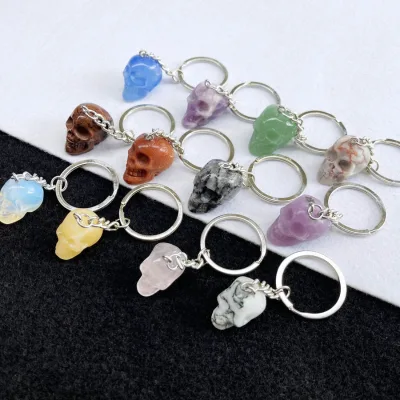


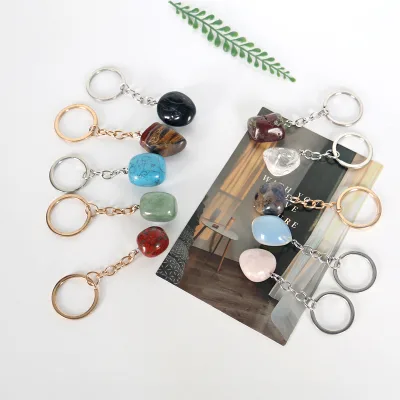

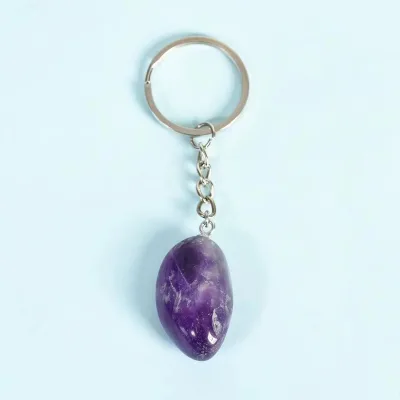

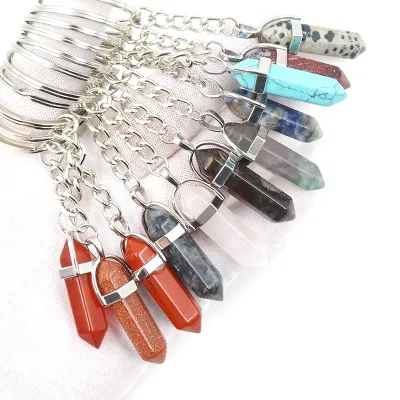
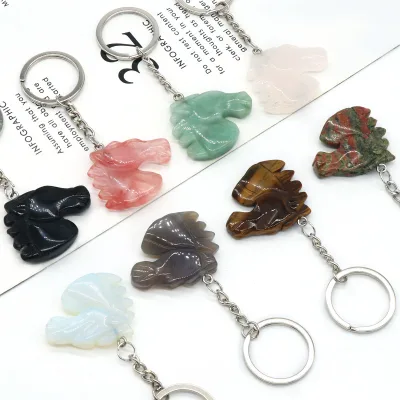
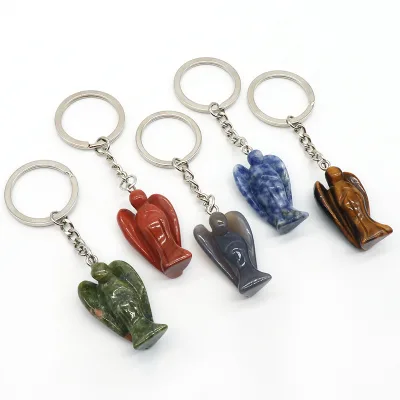


Comprehensive Sourcing Guide
Bling Crystal Heart Keychain Sourcing Guide
Sourcing bling crystal heart keychains requires distinguishing between artificial and natural crystal variants, as the supplied data indicates both material types are available in the market. Buyers must verify the specific material composition for each order, noting that artificial crystal offers a cost-effective alternative while natural crystal provides a premium aesthetic. This distinction directly impacts the perceived value and target market segment for the promotional items.
Procurement teams should also evaluate the customization capabilities listed in the product attributes, which include die-casting, hand-making, and offset printing processes. The availability of OEM services and custom shapes, such as the heart geometry observed, allows for significant branding opportunities. However, the buyer must confirm that the chosen customization method aligns with the desired finish and durability requirements for the specific promotional campaign.
Product Scope and Observed Listing Signals
The observed product listings reveal a diverse range of applications, extending from simple holiday souvenirs to functional items like bottle openers and coin holders. The data confirms that these keychains are frequently marketed for promotion gifts, personal decorations, and religious crafts, indicating a broad utility beyond standard branding. Buyers should assess whether the specific model, such as the MTJ505 or KC0447, fits the intended usage scenario for their event or corporate gifting strategy.
Listing signals also highlight a wide variety of styles, including retro, business, creative, and cute designs, alongside specific color options like pink, rose, and gold. The presence of different packing methods, ranging from individual polybags to cartons, suggests that logistics planning must account for varying packaging standards. Procurement professionals need to ensure the selected style and packaging configuration meet the aesthetic expectations of the end recipient and the logistical constraints of the distribution channel.
Technical Specifications to Verify
Technical verification must begin with the precise model numbers and dimensions provided in the listings, such as the 70*60mm size for heart-shaped keychains or the 90X40X40mm packing dimensions. Buyers should cross-reference these specifications against their design requirements to ensure the physical scale is appropriate for the intended use, whether it is a pocket accessory or a larger display item. The model number serves as a critical identifier for maintaining consistency across large production runs.
Material and processing details are equally critical, with options including stainless steel, PU leather, and various crystal types processed through die-casting or engraving. The data indicates that some products feature eco-friendly attributes, which should be verified through supplier documentation rather than assumed from the listing. Confirming the exact processing method ensures the final product meets quality expectations regarding durability, finish, and the integrity of the crystal setting.
Compliance and Safety Documentation
While the supplied facts mention eco-friendly features, specific certification status or compliance test results are not explicitly detailed in the product attributes. Buyers must request independent test reports to verify that the materials, particularly the crystals and metal components, meet international safety standards for consumer goods. This is essential to prevent potential regulatory issues, especially when importing products into markets with strict chemical and heavy metal restrictions.
Documentation regarding the origin of goods, such as the noted production locations in China and Guangdong, is necessary for accurate customs classification and duty assessment. Although ISO 27001:2022 is mentioned in background data, it pertains to information security rather than product safety and should not be cited as a product compliance standard. Procurement teams should focus on obtaining material safety data sheets and origin certificates to ensure full regulatory adherence before finalizing any purchase order.
Cost Drivers and Commercial Terms
The commercial landscape for these items shows a significant variance in minimum order quantities, ranging from as low as 5 units to as high as 10,000 units depending on the supplier and customization level. Buyers must align their order volume with the specific MOQ requirements to avoid unnecessary costs or stock shortages. The wide price range observed, from 0.01 to 9.21 USD, further underscores the importance of defining clear specifications to secure a competitive and accurate quote.
Customization services, including OEM branding and specific color selections, act as primary cost drivers that can significantly alter the unit price. The availability of customized sizes and models suggests that complex requests may incur additional tooling or setup fees. Procurement strategies should prioritize negotiating volume discounts while clearly defining the scope of customization to manage the total cost of ownership effectively.
Supplier Qualification and Quality Control
Supplier qualification should focus on verifying their capacity for the specific processing methods observed, such as hand-making or offset printing, which require different skill sets and quality control measures. Buyers must assess the supplier's ability to maintain consistency across large batches, especially when dealing with intricate designs like the heart shape or specific crystal settings. The presence of multiple model numbers indicates a supplier with a diverse portfolio, which can be advantageous for sourcing varied product lines.
Quality control protocols must address the potential for defects in crystal settings and the durability of the leather or metal components used in the keychains. Since the data lists various materials like PU leather and stainless steel, inspection plans should be tailored to test the strength of the attachment points and the clarity of the crystals. Establishing a clear acceptance criteria based on the observed product attributes ensures that the delivered goods match the sample quality and functional expectations.
Long-Term Procurement Checks
Long-term procurement success relies on maintaining a stable supply chain for recurring promotional needs, ensuring that the specific model numbers and styles remain available over time. Buyers should establish a relationship with suppliers who can consistently reproduce the observed attributes, such as the retro or business styles, without compromising on the material quality or finish. This stability is crucial for maintaining brand consistency across multiple marketing campaigns and seasonal events.
Regular audits of the supplier's production capabilities and adherence to the agreed-upon specifications are necessary to prevent drift in product quality. As the market for bling crystal heart keychains evolves, buyers must remain vigilant about changes in material availability or processing techniques that could affect the final product. Continuous communication and periodic re-verification of the product attributes ensure that the procurement strategy remains aligned with current market standards and business goals.
FAQs
What materials are used for bling crystal heart keychains?
These keychains typically use artificial or natural crystal for the decorative heart element, paired with stainless steel or PU leather components. Some designs also incorporate leather materials for the strap or tassel. The combination of these materials ensures durability while maintaining a shiny, retro, or creative aesthetic suitable for various promotional and personal decoration uses.
Can I customize the size and shape of these keychains?
Yes, customization is available for many models, allowing for specific size adjustments and shape variations like hearts or geometries. Buyers can often request custom packaging or specific color options such as pink, blue, or gold. This flexibility supports branding needs for promotion gifts, holiday items, or commercial gifts, ensuring the final product aligns with your specific design requirements.
What is the typical MOQ for ordering these keychains?
The minimum order quantity varies significantly by supplier and product model, ranging from as low as 5 pieces to 1000 pieces or more. Some specific models may require higher volumes, such as 100 pieces or even 10,000 pieces. Buyers should check the specific MOQ for their chosen model, as it directly impacts pricing tiers and production feasibility for small or large batches.
Which processing methods are used to make these keychains?
Manufacturers employ various processing techniques including die-casting for metal parts, hand-making for intricate details, offset printing for logos, and engraving for personalization. These methods ensure high-quality finishes for the crystal and metal components. The choice of processing depends on the desired style, whether retro, business, or cute, and the specific material composition of the keychain model selected.
Are these keychains suitable for promotional gifts and holidays?
Yes, they are widely used as promotion gifts, holiday souvenirs, and commercial gifts. Their versatile design allows for branding and customization, making them ideal for corporate events or seasonal promotions. Many models are also eco-friendly and suitable for personal decorations or home use, offering a cost-effective way to distribute branded merchandise while providing a useful item like a bottle opener or coin holder.
What packaging options are available for bulk orders?
Standard packaging often includes individual polybags for each keychain to protect the crystal and metal surfaces during transit. For bulk shipments, items are typically packed in cartons with specific dimensions, such as 90x40x40 cm. Custom packaging solutions may also be available upon request, allowing buyers to enhance the unboxing experience or meet specific retail requirements for their promotional or commercial distribution channels.