Source Retractable ID Card Holder Lanyard for Business, Travel, and Events
Find 30 Retractable ID Card Holder Lanyard options for business, travel, and events. Compare polyester and plastic lock materials, custom logo printing, and various sizes to source the right badge reel for your needs; compare the available evidence and request quotations based on your requirements.
Key considerations
Products List


Plastic ID Card Holder Lanyard, Promotional Gift Mobile Phone Keychain Lanyard
$0.16 - $0.20
MOQ: 1000 Pieces


Retractable ID Badge Holder PP Waterproof Plastic ID Card Holders with Lanyard
$0.48 - $0.58
MOQ: 5000 Pieces




Comprehensive Sourcing Guide
Retractable ID Card Holder Lanyard Sourcing Guide
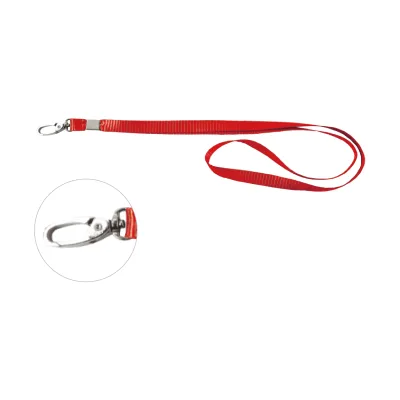
Buyers must first distinguish between fixed-length lanyards and true retractable mechanisms when evaluating product listings. The observed data indicates a mix of standard polyester lanyards with specific widths like 20mm and lengths such as 2x90cm, which are distinct from the internal spring-loaded mechanisms typical of retractable holders. Procurement teams should verify if the "retractable" claim refers to a specific housing unit or if the listing describes a standard lanyard with a clip attachment. Misinterpreting these product types can lead to receiving static straps instead of the compact, self-retracting units required for high-traffic security checkpoints.
Commercial listings often present a wide range of customization options, including any logo design and various color choices like red, black, or blue. While the data confirms that customization is available and styles range from business to fashion, buyers must clarify if the retractable housing itself supports custom branding or if the branding is limited to the attached strap. Understanding the distinction between the strap material and the housing mechanism is critical for ensuring the final product meets both aesthetic and functional requirements for corporate identification or event access control.
Product Scope and Observed Listing Signals
The market data reveals a diverse range of product models, such as JT-0001, L-0532, and L-11019, each potentially serving different functional needs within the lanyard category. Some listings specify usage for luggage belts or bottle lanyards, while others focus strictly on card and mobile phone applications. Buyers should scrutinize the specific model numbers to ensure the product scope aligns with the intended use case, as a lanyard designed for heavy luggage may lack the durability required for daily ID card access. The presence of multiple models suggests a fragmented market where specifications vary significantly between suppliers.
Price observations span from 0.04 to 5.55 USD, reflecting a broad spectrum of quality and feature sets. This wide variance often correlates with the complexity of the locking mechanism, the material quality of the strap, and the extent of customization included. A lower price point might indicate a basic polyester strap with a standard plastic lock, whereas higher prices could reflect metal locks or advanced printing techniques like heat transfer. Procurement teams must correlate the listed price with the specific technical attributes to avoid underestimating the cost of high-performance retractable units.
Technical Specifications to Verify
Verification of the strap width and length is essential, as observed listings specify dimensions like 20mm width and 2x90cm size. These measurements directly impact the comfort and visibility of the ID card when worn. Buyers must confirm if these dimensions apply to the retractable housing or the detachable strap, as retractable units often have a fixed housing size with a variable strap length. Ensuring the strap width matches the ID card slot dimensions prevents the card from slipping out or becoming difficult to insert during high-volume usage scenarios.
The locking mechanism material is another critical technical specification, with data indicating both plastic and metal options are available. Metal locks generally offer superior durability and resistance to tampering compared to plastic alternatives, making them preferable for high-security environments. Buyers should request detailed specifications on the lock composition to ensure it meets the security requirements of their organization. Additionally, the printing technique, whether standard printed or heat transfer, affects the longevity of the logo and must be selected based on the expected wear and tear of the lanyard.
Compliance and Safety Documentation
Compliance verification is paramount, as some listings reference standards such as CE and FDA, while others claim to meet client-specific size requirements. Buyers must demand valid certification documents for any product claiming adherence to these standards, particularly if the lanyard will be used in food processing or regulated industries. The presence of a standard like CE suggests the product meets European safety requirements, but this must be validated through official test reports rather than relying solely on supplier assertions. Without proper documentation, the risk of non-compliance penalties increases significantly.
Safety considerations also extend to the materials used in the construction of the lanyard and its components. The observed data mentions polyester as a primary material, but buyers should verify if the plastic or metal locks contain hazardous substances like lead or phthalates. Trusted category knowledge suggests that low-quality plastics may degrade or release harmful chemicals over time, especially under UV exposure. Procurement teams should require material safety data sheets (MSDS) to ensure the product is safe for prolonged skin contact and does not pose a health risk to employees or visitors.
Cost Drivers and Commercial Terms
Minimum Order Quantities (MOQ) vary widely, with observed ranges from 100 to 50,000 pieces, significantly impacting the total cost of ownership. High MOQs can reduce the unit price but increase inventory holding costs and financial risk for buyers with uncertain demand. Conversely, low MOQ options allow for smaller test orders but often come with a higher per-unit cost. Buyers must balance their volume requirements with their budget constraints to determine the most economical order size that aligns with their production or distribution schedules.
Payment terms and shipping logistics are also key cost drivers, with listings indicating options like TT payment and various shipping methods including sea, air, and express courier. The choice of shipping method directly affects the lead time and total landed cost, with air freight being faster but more expensive than sea transport. Buyers should calculate the total cost of goods including freight and duties to make an informed decision. Additionally, sample times ranging from 3 to 7 days and delivery times of 15 to 25 days must be factored into the overall project timeline to avoid delays in product deployment.
Supplier Qualification and Quality Control
Supplier qualification requires a thorough review of their production capabilities and quality assurance processes. The data indicates that suppliers offer OEM services and accept any client design, suggesting flexibility in manufacturing. However, buyers must verify the supplier's track record for maintaining consistent quality across large batches, especially given the wide range of observed MOQs. Requesting references from previous clients and conducting factory audits can help ensure that the supplier has the infrastructure to meet volume and quality expectations without compromising on product integrity.
Quality control measures should be explicitly defined in the purchase agreement to mitigate the risk of receiving substandard products. Buyers should specify acceptance criteria for defects such as broken locks, faded logos, or incorrect dimensions. The observed data mentions a "Best" quality attribute, but this is a subjective claim that requires objective verification through pre-shipment inspections. Implementing a rigorous inspection protocol, including random sampling and functional testing of the retractable mechanism, ensures that only products meeting the agreed-upon standards are delivered to the end user.
Long-Term Procurement Checks
Establishing a long-term relationship with a supplier involves regular performance reviews and continuous quality monitoring. Buyers should track key performance indicators such as on-time delivery rates, defect rates, and responsiveness to issues. The observed delivery times of 15 to 25 days provide a baseline for evaluating supplier reliability over time. Consistent delays or quality fluctuations can disrupt operations, so maintaining open communication channels and setting clear expectations for future orders is essential for a stable supply chain.
Future-proofing the procurement strategy requires staying informed about market trends and technological advancements in lanyard design. As regulations evolve and new materials become available, suppliers may need to adapt their offerings to remain compliant and competitive. Buyers should engage in periodic discussions with suppliers about potential improvements or changes in product specifications. This proactive approach ensures that the organization continues to receive high-quality, compliant products that meet the evolving needs of their security and identification programs.
FAQs
What customization options are available for the lanyard logo?
Any logo design is available for customization on these lanyards. You can request specific branding or artwork to be printed on the product. This service supports business and fashion styles with various color options like red, black, or blue depending on the model selected.
Which materials are used to construct the lanyard and lock?
The lanyard body is made from polyester material for durability. The lock component varies by model, with options including plastic or metal locks. These materials ensure the item is suitable for holding cards, mobile phones, or keys securely during daily use.
How long does it take to receive samples and bulk orders?
Samples typically require 3 to 7 days to prepare and ship. Bulk order delivery times range from 15 to 25 days after payment confirmation. Specific lead times depend on the order quantity and the selected shipping method such as sea, air, or express courier.
What are the minimum order quantities for purchasing these lanyards?
Minimum order quantities vary significantly by product model, ranging from 100 pieces to 50,000 pieces. Some models require a standard MOQ of 1000 pieces, while others accept smaller orders starting at 100 units. Buyers should check specific model requirements before placing an order.
Can I request custom sizes and packaging for my order?
Yes, custom sizes and packaging are available upon client request. Products can be packed in bags, export cartons, or according to specific client requirements. Standard sizes like 2x90cm are available, but customization allows for flexibility in meeting unique business needs.
Which shipping methods are supported for international delivery?
International delivery is supported via sea freight, air freight, and express courier services. Shipments can originate from ports like Ningbo in China. Buyers can choose the most suitable logistics method based on their urgency and budget requirements for the specific order volume.
What certifications or standards apply to these lanyard products?
Some models meet specific standards such as CE and FDA certifications. Other products follow client-specific size standards or general quality benchmarks. Buyers should verify the exact standard applicable to their selected model number to ensure compliance with their regional regulations.