Source Building Decoration Joint Backer Rod for waterproofing sealing and construction
Find 30 verified options for Building Decoration Joint Backer Rod with customizable sizes and materials like polyethylene or steel. Buyers can compare specifications, certifications, and packing details from suppliers in China to meet specific waterproofing and sealing needs.
Key considerations
Products List


Backer Rod for Concrete Expansion Joints Industrial Grade Joint Filler Supplier
$56.00 - $58.00
MOQ: 500 Pieces


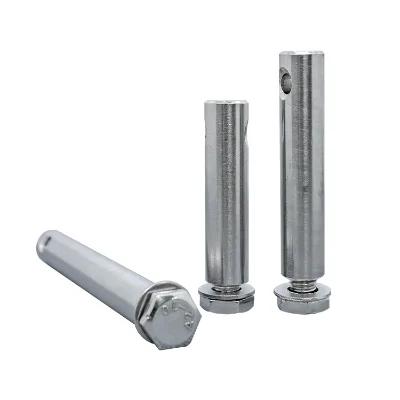


Comprehensive Sourcing Guide
Strategic Sourcing Guide for Building Decoration Joint Backer Rods
Understanding Product Specifications and Material Variability
When sourcing building decoration joint backer rods, buyers must first navigate a complex landscape of material compositions and dimensional specifications. The core product, often identified as a backer rod, serves a critical function in sealing and waterproofing applications within construction and decoration projects. However, the supplied market data reveals significant variability in the raw materials used for these components. While the primary material for the specific backer rod category is identified as 100% new polyethylene or PE, the broader search results for similar rod products include steel, aluminum, and iron. This distinction is vital; a buyer seeking a flexible, non-structural backer rod for joint sealing must explicitly filter for polyethylene to avoid receiving rigid metal components intended for automotive or structural forging applications.
The dimensional specifications for the polyethylene backer rods are equally critical. The available data indicates a diameter range spanning from 3mm to 100mm. This wide spectrum suggests that the product is available for both micro-joint applications and large-scale industrial sealing needs. Furthermore, the shape of the product is not limited to a single geometry; the market offers both circular and rectangular profiles. The choice between a circle and a rectangle often depends on the specific joint design and the compression requirements of the sealant being applied. Buyers should verify that the selected rod matches the joint width and depth precisely to ensure proper compression, which is essential for the product's sealing function. The size is generally customizable, allowing for tailored solutions, but the standard models listed include specific identifiers like DY-BR, BR220111, and BR22016, which may correspond to specific industry-standard dimensions.
| Attribute | Polyethylene Backer Rod | Metal/Steel Rods |
|---|---|---|
| Primary Material | 100% New Polyethylene (PE) | Steel, Aluminum, Iron |
| Typical Shape | Circle, Rectangle | Varies (often cylindrical) |
| Diameter Range | 3mm to 100mm | Varies by forging standard |
| Primary Function | Waterproofing, Sealing | Structural, Automotive Parts |
| Processing Method | Extrusion (implied) | Forging, Casting |
The data also highlights that some products are labeled with standards such as "10mm" or "1," which likely refer to specific diameter sizes or standard classifications rather than a universal industry norm. Buyers must treat these numerical values as specific product attributes rather than general rules. The color options are typically black or white, with some listings noting grey, which can be a factor in aesthetic integration or UV resistance requirements.
Compliance, Certification, and Quality Verification
In the realm of construction materials, compliance and certification are not merely administrative hurdles but essential indicators of product reliability. The market data confirms that several suppliers provide SGS certification for their polyethylene backer rods. SGS is a recognized third-party inspection, verification, testing, and certification company, and its presence suggests a baseline level of quality assurance regarding the material's purity and performance. Additionally, ISO 9001 certification is mentioned in the context of forging tolerances, which, while relevant to metal components, indicates a broader supplier commitment to quality management systems that may extend to their polymer lines.
However, buyers must exercise caution when interpreting certification data. The provided information includes a mix of certifications for different product types. For instance, one listing mentions "TSCE, ISO" alongside iron materials, while another references "AISI" standards for aluminum. These standards are specific to metalworking and may not apply to the polyethylene backer rods used for sealing. Therefore, a buyer should not assume that a supplier's metal certifications automatically validate their polymer products. The primary verification point for a backer rod should be the SGS certification specifically linked to the polyethylene material.
Regarding standards, the data lists "Customized" and "By The Customer Needs" as the prevailing standards for the backer rods. This implies that the product is often made to order rather than adhering to a rigid, pre-existing global standard like ASTM C1330 or ASTM D5249, which are background references not confirmed in the active product listings. Consequently, buyers should not rely on the presence of these ASTM standards in the product description unless explicitly confirmed by the supplier. Instead, the procurement strategy should focus on verifying the raw material composition (100% new polyethylene) and the physical properties such as compression set and UV resistance through direct testing or supplier-provided test reports. The "Forging Tolerance: +/-0.5mm" mentioned in the data is a precision metric for metal parts and should not be applied to the soft, compressible nature of a backer rod.
Cost Drivers and Pricing Dynamics
The pricing structure for building decoration joint backer rods is influenced by several factors, including material purity, customization levels, and order volume. The observed price range in the market spans from $0.01 to $1010 USD. This extreme variance is not indicative of a single product line but rather reflects the diversity of the search results, which include everything from small quantities of standard rods to large industrial orders of specialized metal components. For the specific polyethylene backer rod, the price is likely driven by the diameter, the quantity ordered, and the level of customization required.
The Minimum Order Quantity (MOQ) is another significant cost driver, ranging from 1 unit to 20,000 units. A low MOQ of 1 allows for small-scale testing or project-specific purchases but may result in a higher unit cost due to setup and handling fees. Conversely, an MOQ of 20,000 suggests a bulk industrial transaction, which typically lowers the per-unit price but requires significant capital commitment and storage capacity. Buyers must align their order volume with their project needs to optimize costs. The "Customized" nature of the product means that non-standard diameters or shapes will likely incur additional tooling or setup costs, pushing the price toward the higher end of the spectrum.
Payment terms are also a consideration in the cost analysis. The data indicates "Tt" (Telegraphic Transfer) as a standard payment method. This is a common practice in international trade but requires buyers to manage cash flow and trust dynamics carefully. Additionally, the packaging options, ranging from PE bags to cartons and wooden boxes, can impact the final landed cost. Heavier packaging like wooden boxes, often used for ocean freight or heavy metal components, will add to the shipping weight and cost, whereas standard PE bags are more economical for lightweight polymer rods.
Typical Applications and Functional Requirements
The primary function of the Building Decoration Joint Backer Rod is waterproofing and sealing. These rods are inserted into construction joints to control the depth of the sealant, provide a backing surface for the sealant to adhere to, and prevent three-sided adhesion, which can lead to sealant failure. The data explicitly lists "Waterproof" and "Sealing" as the core functions, confirming their role in preventing water infiltration and air leakage in building envelopes.
While the polyethylene backer rod is the standard for general construction, the data also reveals applications in the automotive sector for metal connecting rods and auto parts. This distinction is crucial for buyers to avoid confusion. A buyer sourcing for a building renovation project must ensure they are purchasing the polyethylene product and not the metal forging components. The metal rods, which utilize processes like forging and casting and are treated with oxidation, are designed for mechanical strength and are unsuitable for the compressible, flexible requirements of a joint sealant.
The application of the backer rod extends to various construction scenarios, including concrete expansion joints, control joints, and perimeter joints in facades. The ability to customize the shape (circle or rectangle) allows for adaptation to different joint geometries. For instance, a rectangular rod might be preferred for specific masonry joints, while a circular rod is standard for most concrete applications. The material's compatibility with various sealants is a key functional requirement, and the use of 100% new polyethylene ensures that the rod does not degrade or react negatively with the sealant over time.
Supplier Evaluation and Origin Considerations
Evaluating suppliers for building decoration joint backer rods requires a careful assessment of their geographic origins and production capabilities. The data identifies several key production locations, including Kaiping, Dongguan, and Henan in China. These regions are known for their manufacturing clusters, with Kaiping and Dongguan often associated with metal and plastic processing, and Henan with heavy industry and forging. A buyer should verify that the supplier's stated origin matches the specific product line they are purchasing. For example, a supplier based in Henan might specialize in metal forging and may not be the primary source for high-quality polyethylene backer rods, even if they list them in a broad catalog.
The customization capability is a significant differentiator among suppliers. The data confirms that customization is available for the backer rod, including color, size, and packing. This flexibility allows buyers to tailor the product to specific project requirements. However, the "Customized" standard also implies that the production process may vary from supplier to supplier. Buyers should request detailed information on the customization process, including lead times and any additional costs associated with non-standard orders.
When evaluating suppliers, buyers should also consider the packaging and shipping logistics. The data lists various packing methods, including PE bags, cartons, plastic bags, woven bags, and wooden boxes. The choice of packaging can affect the product's condition during transit and the overall shipping cost. For instance, "Ocean Freight" and "Plywood Box by Sea" suggest that the supplier is equipped for international shipping, which is essential for buyers sourcing from China. However, the mention of "Ocean Freight" as a packing attribute is unusual and may indicate a logistical term rather than a physical packaging method, requiring clarification from the supplier.
Quality Control and Long-Term Procurement Strategies
Maintaining quality control is paramount when sourcing building decoration joint backer rods, as the failure of these components can lead to significant water damage and structural issues. Given the variability in the market data, buyers should implement a rigorous quality control protocol. This includes verifying the raw material composition to ensure it is 100% new polyethylene and not recycled material, which can compromise the rod's durability and flexibility. The presence of SGS certification provides a starting point, but buyers should also request specific test reports for compression set, tensile strength, and UV resistance.
Long-term procurement strategies should focus on building relationships with suppliers who offer consistent quality and reliable customization. The lead time for these products varies, with some data points indicating a lead time of 40 days for metal components. While this may not apply to standard polyethylene rods, buyers should confirm the production timeline for their specific order to avoid project delays. The ability to customize the product standard to "Customer Needs" suggests that suppliers are willing to adapt, but this requires clear communication and detailed specifications.
Buyers should also consider the total cost of ownership, which includes not just the purchase price but also shipping, handling, and potential costs associated with product failure. Selecting a supplier with a proven track record in the construction industry and a robust quality management system, such as ISO 9001, can mitigate these risks. Finally, buyers should maintain a clear distinction between the polyethylene backer rod and other rod products in the market, ensuring that the procurement specifications are precise and unambiguous to prevent the accidental acquisition of unsuitable metal components. By adhering to these guidelines, buyers can secure high-quality backer rods that meet the demanding requirements of modern building decoration and construction projects.
FAQs
What materials are used for building decoration joint backer rods?
The primary material is 100% new polyethylene or PE. Some listings also show steel, aluminum, or iron, but these are for automotive parts, not sealing applications.
Which certifications verify the quality of polyethylene backer rods?
SGS certification is available for polyethylene backer rods to ensure material purity. ISO 9001 is also mentioned but often relates to metal forging tolerances rather than polymer sealing products.
Can the diameter of the backer rod be customized for specific joints?
Yes, the diameter can be customized ranging from 3mm to 100mm. Buyers should verify the exact size needed to ensure proper compression and sealing within the joint design.
Where are these building decoration joint backer rods manufactured?
Products originate from Kaiping, Dongguan, and Henan in China. Buyers should confirm the specific origin matches the material type, as some locations specialize in metal forging.
How is the product typically packaged for shipping?
Packaging options include PE bags, cartons, plastic bags, woven bags, and wooden boxes. The choice depends on the order volume and whether the shipment requires ocean freight protection.
What is the minimum order quantity for purchasing these rods?
The minimum order quantity ranges from 1 unit to 20,000 units depending on the supplier. Lower MOQs allow for testing but may increase unit costs compared to bulk industrial orders.
What shapes are available for the backer rod profiles?
The available shapes are circle and rectangle. The selection depends on the specific joint geometry and the compression requirements needed for the sealant application.