Source Cable Drum Stand for Cable Laying, Stripping, and Storage
Find and compare 30 Cable Drum Stand options from China. Evaluate models with capacities up to 5 tons, steel construction, and customized sizes for industrial cable laying and stripping applications.
Key considerations
Products List


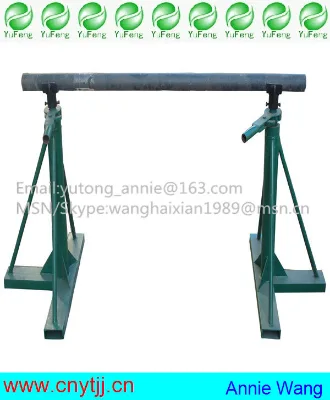
Cable Reel Stand for Paying off Cable Drum Stand Hydraulic Cable Stand
$185.00 - $320.00
MOQ: 1 Pieces


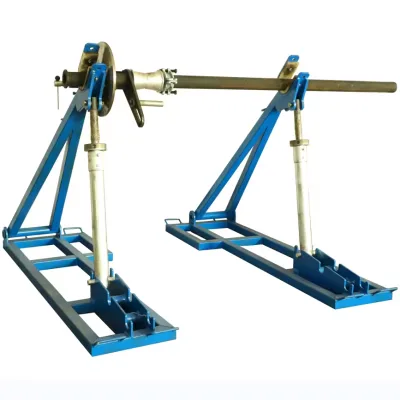
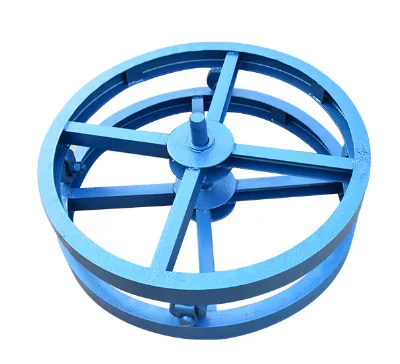


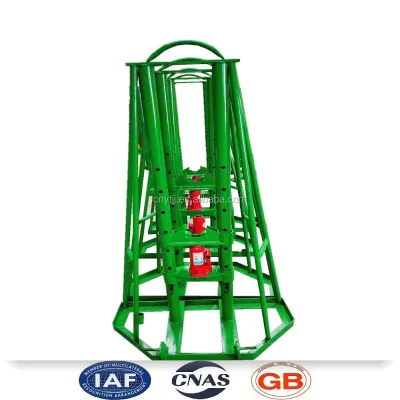
5-20ton Hydraulic Cable Reel Stand for Large Cable Tray Cable Drum Lifting Jacks
$180.00 - $230.00
MOQ: 10 Sets

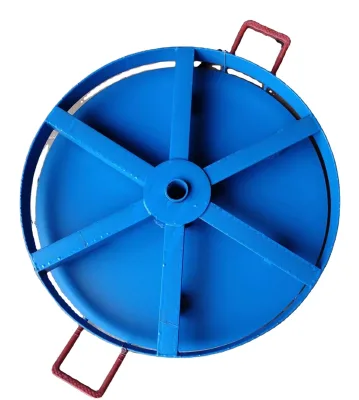
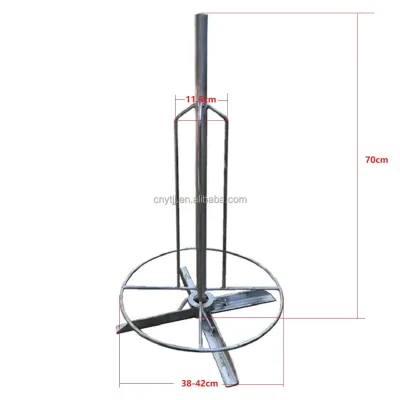


Comprehensive Sourcing Guide
Cable Drum Stand Sourcing Guide
Sourcing cable drum stands requires a careful balance between mechanical load capacity, material durability, and operational flexibility. These specialized stands are engineered to support heavy wire reels during cable laying, stripping, and deployment processes, ensuring that the tension remains consistent and the reel rotates smoothly without structural failure. Buyers must recognize that these units are not generic shelving but precision-engineered equipment designed to handle significant rotational forces and vertical loads. The primary objective is to select a unit that matches the specific weight and diameter of the cable drums in use, preventing slippage, deformation, or safety hazards during high-volume industrial operations.
The market for cable drum stands is characterized by a wide variance in specifications, ranging from lightweight portable units to heavy-duty stationary frames. Procurement teams often encounter listings with conflicting data regarding weight limits, dimensions, and material thickness. It is critical to treat observed product attributes as observations rather than universal claims for every listed item. For instance, while some models may support loads up to 100kN, others might be rated for lower capacities. Understanding these variations is essential for aligning the equipment with specific site requirements, whether for indoor assembly lines or outdoor construction sites where environmental conditions and space constraints dictate the choice of stand.
Product Scope and Observed Listing Signals
The observed product landscape for cable drum stands reveals a diverse range of configurations, with prices varying significantly from $20 to $4,500 USD. This broad price spectrum reflects differences in material quality, load-bearing capacity, and customization options. Buyers should note that the minimum order quantity (MOQ) typically ranges from 1 to 200 pieces, indicating that suppliers are flexible enough to accommodate both single-unit replacements and large-scale fleet deployments. The presence of customized options suggests that many manufacturers can adapt dimensions, colors, and structural features to meet specific operational needs, allowing for tailored solutions rather than one-size-fits-all purchases.
Key product attributes observed in the market include models such as CRS, FXZL-2, FXZL-4, and FXCG, each potentially serving different load classes or design philosophies. The rated load capacity for many units falls between 50 and 100kN, with some specific models supporting wire reel weights from less than 5 tons up to 10 tons. However, other listings indicate capacities of 1-4T or 2t/3T/5T, highlighting the need for precise verification. The physical dimensions of these stands often range from 800mm to 1200mm in length, width, or height, with single package sizes around 185x35x12 cm for certain models. Buyers must cross-reference these specifications with their actual drum sizes to ensure compatibility, as mismatched dimensions can lead to inefficient handling or safety risks.
Technical Specifications to Verify
When evaluating technical specifications, the material composition is a primary factor in determining longevity and stability. Many cable drum stands are constructed from steel or thickened steel plates, providing the necessary rigidity to support heavy loads without bending or warping. The weight of the stands themselves varies, with some units weighing between 80-100kg, while others are listed at 130-140kg or even 50kg for lighter models. This variation in self-weight often correlates with the maximum load capacity and the thickness of the steel used. Buyers should verify the plate diameter, which is commonly available in sizes such as 800mm, 1000mm, or 1200mm, to ensure it accommodates the flange size of the cable drums they intend to use.
Load capacity and lifting mechanics are critical technical parameters that require strict verification. Some models specify a rated lifting moment of 2.0, while others list a span of 5, which may refer to the distance between support points or the width of the reel support. The core components of these stands often include engines and gearboxes, particularly in motorized or automated versions, which facilitate smooth rotation and tension control. Buyers must confirm whether the stand is manual or motorized, as this impacts the operational workflow and power requirements. Additionally, the maximum lifting height, sometimes listed as 10, should be checked against the vertical clearance of the installation site to ensure the stand fits within the designated workspace without obstruction.
Compliance and Safety Documentation
Compliance with international and regional safety standards is non-negotiable for industrial equipment. The observed listings frequently mention certifications such as CE, RoHS, CCC, and ISO, which indicate adherence to specific regulatory frameworks for safety, environmental impact, and quality management. However, buyers must verify that these certifications are valid for the specific model and region of use. For example, CE marking is essential for products sold in the European market, while CCC certification is required for China. It is crucial to request copies of these certificates and confirm their authenticity with the issuing bodies to avoid procurement of non-compliant equipment that could lead to legal liabilities or operational shutdowns.
Safety features and operational warnings are integral to the design of cable drum stands. The usage of these stands for cable laying and stripping involves significant mechanical forces, making proper documentation of safety protocols essential. Buyers should ensure that the supplier provides detailed user manuals that outline load limits, assembly instructions, and maintenance schedules. The presence of video outgoing-inspection services suggests that some suppliers offer pre-shipment verification, which can be a valuable tool for confirming the condition and functionality of the equipment before it leaves the factory. Additionally, warranty terms, such as a half-year warranty and after-warranty video technical support, provide a safety net for buyers, ensuring that technical assistance is available if issues arise during initial deployment.
Cost Drivers and Commercial Terms
The cost of cable drum stands is influenced by several key drivers, including material thickness, load capacity, and customization requirements. Heavier steel plates and higher load ratings naturally increase the base price, while custom sizes or colors may incur additional setup fees. The observed price range of $20 to $4,500 USD reflects these variables, with basic models at the lower end and heavy-duty, customized units at the higher end. Buyers should analyze the total cost of ownership, considering not just the purchase price but also shipping costs, which can be significant due to the weight and dimensions of the stands. Packaging methods, such as paper cartons or pallets, also impact shipping efficiency and potential damage risks during transit.
Commercial terms, including MOQ and payment conditions, play a crucial role in the procurement process. With MOQs as low as 1 piece, buyers have the flexibility to test small batches before committing to larger orders. However, bulk purchases may offer volume discounts, so it is advisable to negotiate pricing based on projected annual requirements. Lead times and production schedules should be clarified early in the negotiation process, especially for customized orders, as these can extend beyond standard production cycles. Buyers should also inquire about the supplier’s capacity to handle rush orders or provide expedited shipping options if project timelines are tight. Clear communication regarding these terms helps prevent delays and ensures that the procurement process aligns with operational deadlines.
Supplier Qualification and Quality Control
Supplier qualification is a critical step in ensuring the reliability of the Cable Drum Stand supply chain. Buyers should prioritize suppliers who provide comprehensive documentation, including detailed product specifications, certification copies, and quality control reports. The origin of the products, often listed as Hebei, China, indicates a concentration of manufacturing hubs, but buyers should verify the specific factory’s capabilities and reputation. Requesting references or case studies from previous clients can provide insights into the supplier’s consistency and customer service quality. Additionally, suppliers that offer video outgoing-inspection services demonstrate a commitment to transparency and quality assurance, allowing buyers to verify the condition of the equipment before shipment.
Quality control measures should be integrated into the procurement process to minimize the risk of receiving defective or non-conforming products. Buyers should establish clear acceptance criteria based on the agreed-upon specifications, including dimensional tolerances, material thickness, and load test results. If possible, conducting third-party inspections or requesting sample units for testing can provide an additional layer of verification. The warranty terms, such as a half-year warranty and video technical support, should be clearly defined in the contract, outlining the procedures for claiming repairs or replacements. By establishing robust quality control protocols, buyers can mitigate risks and ensure that the cable drum stands meet their operational requirements.
Long-Term Procurement Checks
Long-term procurement success depends on establishing a sustainable relationship with suppliers and continuously monitoring product performance. Buyers should implement a feedback loop to track the durability and reliability of the cable drum stands in real-world applications. Regular maintenance checks, guided by the supplier’s technical support, can extend the lifespan of the equipment and prevent unexpected failures. It is also important to stay updated on any changes in industry standards or regulations that may affect the use of these stands, ensuring that the equipment remains compliant over time. Building a history of performance data can also strengthen negotiation positions for future purchases, as buyers can leverage their experience to request better terms or improved product designs.
Finally, buyers should consider the scalability of their procurement strategy. As operational needs evolve, the demand for cable drum stands may increase, requiring suppliers to have the capacity to fulfill larger orders without compromising quality. Establishing a framework for periodic supplier audits and performance reviews can help maintain high standards and identify potential issues early. By focusing on long-term partnerships rather than transactional purchases, buyers can secure a reliable supply of high-quality cable drum stands that support their operational efficiency and safety goals. This proactive approach ensures that the procurement process remains aligned with the broader strategic objectives of the organization.
FAQs
What certifications do the cable drum stands have?
The products hold CE, RoHS, CCC, and ISO certifications. These standards ensure safety and compliance for international markets. Buyers can verify these documents before placing orders to meet local regulatory requirements.
Can I request customized sizes for the Cable Drum Stand?
Yes, customized sizes are acceptable for this product. The manufacturer offers tailored dimensions to fit specific operational needs. Buyers should specify their required length and width during the inquiry process.
What is the rated load capacity of the Cable Drum Stand?
The rated load capacity ranges from 50 to 100kN. This specification supports heavy-duty cable laying operations. Users must ensure the wire reel weight stays within the 1 to 10-ton limit for safe usage.
How much does the Cable Drum Stand weigh?
The unit weight varies between 80 and 140 kilograms depending on the model. Some specific configurations weigh around 50 kilograms or up to 130 kilograms. Shipping weight is typically listed as 140 kilograms per single package.
Where are these cable drum stands manufactured?
The products originate from Hebei, China. This location is a known hub for industrial machinery manufacturing. Buyers can expect standard lead times associated with this region for production and shipping.
What is the minimum order quantity for this product?
The minimum order quantity is one piece. This low MOQ allows buyers to test the product quality before committing to larger volumes. It is suitable for small-scale projects or initial procurement trials.
What material is used to construct the Cable Drum Stand?
The stands are constructed from thickened steel plate. This material ensures durability and stability during cable laying tasks. The robust build supports the rated load capacity without deformation under stress.