Source Car Wash Foam Cannon for Commercial, OEM, and Detailing
Find and compare 30 Car Wash Foam Cannon options from verified suppliers. Evaluate specifications like pressure ratings, nozzle types, and customization services to select the right equipment for commercial cleaning, OEM integration, or professional detailing tasks.
Key considerations
Products List


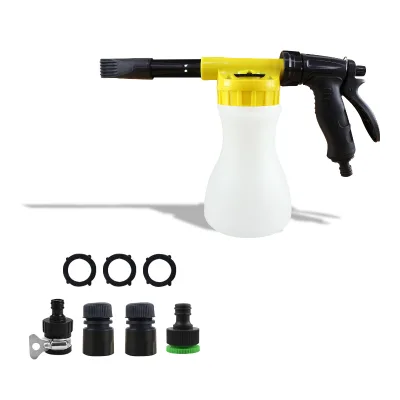


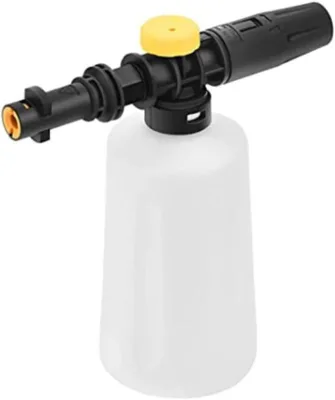
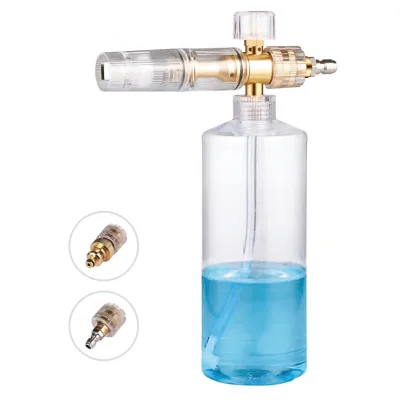
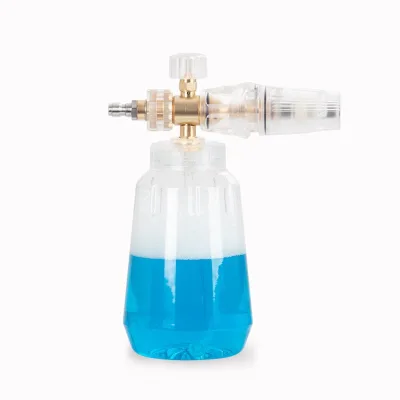


High Quality High Pressure Car Wash Cannon 2L Snow Foam Lance Foam Cannon
$12.69 - $18.79
MOQ: 1 Piece/Pieces


High Pressure Washer Gun Snow Foam Lance Foam Can Cannon 2L Carwash Cannon Foam Cannon Wash Gun
$12.69 - $18.79
MOQ: 1 Piece/Pieces


Comprehensive Sourcing Guide
Car Wash Foam Cannon Sourcing Guide
Sourcing the right Car Wash Foam Cannon requires a clear understanding of the diverse product landscape available from manufacturers, particularly those based in China. The market offers a wide array of devices ranging from simple plastic attachments to complex, high-pressure systems designed for commercial use. Buyers must navigate this variety by distinguishing between basic foamers that rely on venturi effects and advanced units that integrate with high-pressure washers for superior cleaning performance. The observed product data indicates a significant range in specifications, materials, and intended applications, necessitating a disciplined approach to evaluation.
This guide provides a structured framework for procurement professionals to assess suppliers, verify technical claims, and mitigate risks associated with importing car wash equipment. By focusing on evidence-based verification steps, buyers can ensure that the selected foam cannons meet their specific operational needs, whether for personal vehicle maintenance or professional detailing services. The following sections detail the critical factors that influence product selection, compliance, and long-term supply chain stability.
Product Scope and Observed Listing Signals
The current market for car wash foam cannons includes a broad spectrum of products, from simple plastic nozzles to sophisticated high-pressure cleaning systems. Observed listings reveal products with models such as D05021, D05039, and D05029, which vary significantly in material composition and physical dimensions. For instance, some units are constructed from sponge, non-woven materials, or chenille, with standard dimensions like 1283CM or 20105CM, suggesting these may be specialized cleaning pads or attachments rather than standalone foam cannons. In contrast, other listings describe high-pressure water jets and cold water high-pressure cleaners, indicating a broader category of washing equipment that may include foam generation capabilities.
Buyers should carefully distinguish between standalone foam cannons and integrated cleaning systems. The data shows products with specific features such as fan-shaped nozzles, movable operation types, and applications in commercial sectors. Some items are explicitly labeled as car washers with a focus on car body cleaning, featuring attributes like high pressure and specific pressure ratings such as 3000psi. Understanding these distinctions is crucial, as the performance and suitability of a foam cannon depend heavily on its integration with the user’s existing pressure washer and the specific cleaning tasks required.
Technical Specifications to Verify
When evaluating technical specifications, buyers must prioritize the compatibility of the foam cannon with their existing pressure washer equipment. Key parameters to verify include the maximum pressure rating, nozzle type, and flow rate compatibility. For example, some observed products specify a maximum pressure of 3000psi, which is a critical threshold for ensuring the device can withstand the operational demands of high-pressure washing without failure. Additionally, the nozzle type, such as fan-shaped nozzles, affects the spray pattern and foam density, directly influencing cleaning efficiency. Buyers should request detailed technical datasheets that confirm these specifications rather than relying solely on marketing descriptions.
Material composition and build quality are equally important factors in determining the longevity and performance of the foam cannon. Products may be constructed from various materials, including plastic, sponge, suede, or 3D mesh fabric, each offering different benefits in terms of durability and chemical resistance. For instance, plastic components are common for their lightweight nature and corrosion resistance, while specialized fabrics may be used for foam generation or filtration. Buyers should inspect product images and request material certifications to ensure that the components can withstand exposure to harsh detergents and high-pressure water streams over time.
Compliance and Safety Documentation
Compliance with international safety and environmental standards is a non-negotiable aspect of sourcing car wash foam cannons. Buyers must verify that suppliers provide relevant certifications, such as CE, CB, ETL, RoHS, and UR, which indicate adherence to specific regional and global safety regulations. These certifications are particularly important for electronic or high-pressure components that may pose safety risks if not properly manufactured. The presence of these certifications suggests that the supplier has undergone rigorous testing and quality control processes, reducing the risk of product failures or safety incidents in the field.
In addition to product-specific certifications, buyers should inquire about broader compliance frameworks that may apply to the manufacturing process. While some background information mentions BSCI, it is essential to confirm whether the supplier holds active and valid certifications for the specific products being sourced. Buyers should request copies of certification documents and verify their authenticity through the issuing bodies. This due diligence helps ensure that the imported products meet all legal requirements in the destination market, avoiding potential customs delays or legal liabilities.
Cost Drivers and Commercial Terms
Understanding the cost drivers and commercial terms is essential for effective budgeting and negotiation. The observed price range for car wash foam cannons varies significantly, from as low as $0.24 to as high as $12,000, reflecting the diversity in product complexity, material quality, and brand positioning. Factors such as customization options, packaging requirements, and order volume (MOQ) heavily influence the final unit cost. For instance, products with custom logos or specialized packaging may incur additional fees, while larger order quantities can often secure better pricing tiers.
Buyers should also consider the total cost of ownership, including shipping, tariffs, and potential maintenance costs. The observed MOQ ranges from 1 to 5000 units, indicating flexibility for both small-scale and large-scale procurement. However, buyers must balance the benefits of bulk purchasing with the risks of inventory holding costs and potential obsolescence. Negotiating clear terms regarding payment methods, delivery schedules, and warranty coverage is crucial to protecting the buyer’s interests and ensuring a smooth transaction process.
Supplier Qualification and Quality Control
Supplier qualification is a critical step in mitigating supply chain risks. Buyers should conduct thorough due diligence on potential suppliers, verifying their business licenses, manufacturing capabilities, and quality management systems. The observed product data indicates that many suppliers are based in China, with some specifically located in Henan province. Buyers should assess the supplier’s production capacity, lead times, and ability to meet customization requests, such as OEM services or specific branding requirements.
Quality control measures should be established before placing orders to ensure that the products meet the agreed-upon specifications. This may include requesting pre-shipment inspections, sample testing, or third-party quality audits. Buyers should also evaluate the supplier’s response to defects and their commitment to after-sales support. Establishing a clear communication channel and defining quality expectations in the purchase agreement can help prevent misunderstandings and ensure that the delivered products meet the buyer’s standards.
Long-Term Procurement Checks
Long-term procurement success depends on continuous monitoring and relationship management with suppliers. Buyers should regularly review supplier performance metrics, such as on-time delivery rates, product quality consistency, and responsiveness to issues. Building a strong partnership with reliable suppliers can lead to better pricing, priority production, and access to new product innovations. Additionally, buyers should stay informed about market trends and technological advancements in the car wash equipment industry to ensure that their product offerings remain competitive.
It is also important to have contingency plans in place for supply chain disruptions. Diversifying the supplier base and maintaining a buffer stock of critical components can help mitigate the impact of unexpected events. Buyers should regularly update their risk assessments and compliance requirements to adapt to changing regulatory environments and market conditions. By maintaining a proactive approach to procurement, buyers can ensure a stable and efficient supply of car wash foam cannons that meet their customers’ needs.
FAQs
What materials are used for car wash foam cannons?
Car wash foam cannons are constructed from durable materials like sponge, non-woven fabric, chenille, 3D mesh, and plastic. These materials ensure effective cleaning while resisting wear during commercial or personal car body cleaning applications.
Can I customize the logo on the product?
Yes, customized logos are accepted for many models in this category. Buyers can request specific branding on the packaging or the unit itself, provided they meet the minimum order quantity requirements set by the manufacturer.
What is the maximum pressure rating for these units?
Some high-pressure water jet models operate at a maximum pressure of 3000psi. This specification ensures efficient cleaning performance for car body washing tasks while maintaining safety standards for commercial and industrial applications.
Which certifications do these products hold?
Products often carry certifications such as CE, ETL, RoHS, CB, and ETL. These standards verify that the equipment meets international safety and environmental requirements for use in various commercial sectors and global markets.
How is the product packed for shipping?
Packaging options include OPP bags with color cards, carton boxes, or color boxes depending on the model. Specific dimensions like 25x25x25 cm are used for single packages to ensure safe transport and storage.
What is the minimum order quantity for these items?
Minimum order quantities vary by supplier but can range from 1 to 5000 pieces. Some specific models require a minimum of 48 pieces, while others may allow smaller trial orders for new buyers.
Where are these car wash foam cannons manufactured?
These products originate from China, with specific manufacturing hubs located in regions like Henan. Buyers can source directly from these locations to access competitive pricing and established supply chains for automotive cleaning equipment.