Source Car Vinyl Wrap for Vehicle Decals, Signage, and Labels
Source Car Vinyl Wrap from 30 available options, including TPU self-healing PPF and PVC adhesive films. Compare specifications such as thickness, adhesive type, and printing compatibility to find suitable materials for vehicle decals, safety signage, and product labeling applications.
Key considerations
Products List


Car Wrap Vinyl Polymeric Vinyl Sticker Self Adhesive Bubble Free Vinyl
$0.30 - $0.89
MOQ: 3000 Square Meters
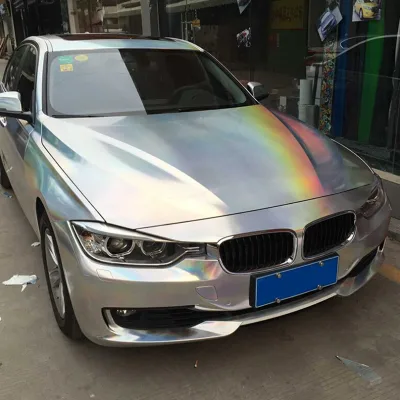


White Printable Car Wrap Vinyl Wrapping Film for Vehicle Body Advertising
$0.28 - $0.38
MOQ: 100 Square Meters




Comprehensive Sourcing Guide
Car Vinyl Wrap Sourcing Guide
Selecting the right vinyl wrap material requires a clear understanding of the distinct material families available in the market, primarily thermoplastic polyurethane (TPU) and polyvinyl chloride (PVC). These materials serve different functional purposes, with TPU often favored for high-performance applications due to its self-healing properties and superior durability against environmental stressors. Conversely, PVC remains a versatile option for a wide range of decorative and signage applications, offering various finishes and adhesive types. Buyers must distinguish between these core material types early in the sourcing process to ensure the selected product aligns with the intended end-use, whether it involves vehicle body protection, custom decals, or outdoor advertising.
The procurement landscape for car vinyl wraps is characterized by a broad spectrum of product attributes, including thickness, adhesive strength, and surface finish. Listings often indicate specific models, such as those described with "Sunset rainbow" aesthetics or specific thickness ranges like 6.5mil to 9.5mil for protective films. Understanding these variations is critical because they directly impact the installation process, the longevity of the wrap, and the final visual outcome. Buyers should approach product listings with a critical eye, recognizing that attributes like "self-healing" or "high flexibility" are specific observations that must be verified against the actual material specifications before committing to a bulk order.
Product Scope and Observed Listing Signals
The observed market signals indicate a diverse range of products categorized under car vinyl wraps, spanning from protective paint protection films (PPF) to decorative adhesive stickers. One segment of the market focuses on body protection, utilizing materials like TPU with specific thicknesses ranging from 160 to 240 microns, designed to withstand physical abrasion and environmental damage. These products often feature customization options and are marketed with design styles such as "Business/Luxury," suggesting a premium positioning for high-end vehicle aesthetics and protection. Buyers interested in long-term vehicle preservation should look for these specific material and thickness indicators to ensure adequate protection for their assets.
Another significant segment involves PVC-based films used for custom stickers, vehicle decals, and safety signage. These products are typically available in various widths, such as 0.914m to 2.02m, and lengths up to 50m or 100m, catering to large-scale printing and application needs. The observed listings highlight features like waterproof capabilities, high adhesiveness, and compatibility with digital printing technologies, including solvent, eco-solvent, latex, UV, and pigment inks. This versatility makes PVC wraps suitable for a wide array of applications, from product labeling to outdoor advertising, where durability and print quality are paramount. Buyers must carefully match the film type, such as monomeric, polymeric, or cast PVC, to their specific printing and application requirements.
Technical Specifications to Verify
Thickness and material composition are the most critical technical specifications to verify when sourcing car vinyl wraps. For protective films, thickness is often measured in mils or microns, with observed ranges indicating options from 60 microns to 160 microns for standard films and up to 240 microns for heavy-duty protection. Buyers should confirm the exact micron rating, as this directly correlates with the film's resistance to punctures, scratches, and UV degradation. Additionally, the distinction between TPU and PVC materials must be clearly established, as TPU offers superior elasticity and self-healing properties, while PVC provides a cost-effective solution for decorative purposes with varying levels of flexibility and conformability.
Adhesive performance and surface compatibility are equally important technical factors that influence the success of the installation. The observed data indicates a range of adhesive types, including permanent and removable options, with varying tack levels such as high tack or low tack. Buyers must verify the adhesive color, which can be clear, grey, black, or white, as this affects the final appearance, especially on light-colored vehicles. Furthermore, the application surface compatibility should be confirmed, with observed specifications noting suitability for textured, smooth, plastic, metal, and glass surfaces. Ensuring that the adhesive is compatible with the vehicle's existing paint or the intended substrate is essential to prevent damage during removal and to ensure long-term adhesion.
Compliance and Safety Documentation
While specific certification statuses are not explicitly detailed in the observed listings, buyers must proactively request documentation regarding the chemical composition and safety of the vinyl wraps. This includes verifying that the materials comply with relevant environmental and safety standards, particularly regarding the inks and adhesives used. For products involving digital printing, it is crucial to confirm the compatibility and safety of the inks, which may include solvent, eco-solvent, latex, UV, pigment, or dye-based options. Buyers should ensure that the selected inks meet local regulations for indoor and outdoor use, especially if the wrapped items are intended for consumer-facing applications or public spaces.
Documentation regarding the release paper and liner weight is also important for ensuring smooth printing and application processes. Observed specifications mention release papers with weights such as 100 GSM, 120 GSM, and 140 GSM silicon paper, which affect the handling and storage of the vinyl rolls. Buyers should verify that the liner weight is appropriate for their printing equipment and application method to prevent issues such as static buildup or difficulty in peeling. Additionally, requesting material safety data sheets (MSDS) for the vinyl films and adhesives can provide valuable information on handling, storage, and disposal, ensuring that the procurement process adheres to workplace safety standards.
Cost Drivers and Commercial Terms
The cost of car vinyl wraps is influenced by several factors, including material type, thickness, width, and the complexity of customization. TPU films, particularly those with self-healing properties and higher thicknesses, typically command a premium price compared to standard PVC films. The observed price range of 0.28 to 460 USD reflects this variability, with higher prices likely associated with specialized protective films or custom designs. Buyers should consider the total cost of ownership, including installation labor and potential waste, rather than focusing solely on the unit price, as higher-quality materials may offer better longevity and reduced rework.
Commercial terms and logistics also play a significant role in the overall cost structure. Observed listings indicate various price terms such as FOB, CFR, and CIF, which determine who bears the cost and risk of transportation. The observed lead time of 15-20 days for delivery should be factored into procurement planning, especially for time-sensitive projects. Additionally, the minimum order quantity (MOQ) ranges from 1 to 3000 units, allowing for flexibility in order sizes but potentially impacting unit costs for smaller orders. Buyers should negotiate clear terms regarding sample availability, with some suppliers offering free samples without shipping costs, to evaluate product quality before committing to larger purchases.
Supplier Qualification and Quality Control
Verifying the supplier's credentials and manufacturing capabilities is essential to ensure consistent product quality. The observed data indicates that suppliers are often direct factories, which can offer advantages in terms of pricing and customization flexibility. Buyers should confirm the supplier's location, with observed origins including P. R. China and Shanghai, and assess their ability to provide OEM/ODM services. This includes evaluating their capacity for custom designs, specific thicknesses, and adhesive types, as well as their ability to meet specific packaging requirements, such as white boxes or carton packaging.
Quality control measures should be rigorously assessed to minimize the risk of defects. Buyers should inquire about the supplier's internal quality assurance processes, including testing for adhesion strength, UV resistance, and printability. The observed specifications mention various PVC film types, such as monomeric, polymeric, and cast, each with different quality characteristics. Buyers should request samples to test the film's flexibility, surface finish (glossy or matte), and white tone (milky white or blueish white) to ensure they meet their specific aesthetic and functional requirements. Establishing a clear quality agreement with the supplier, including acceptable defect rates and return policies, is crucial for maintaining supply chain reliability.
Long-Term Procurement Checks
Establishing a long-term relationship with a reliable supplier requires ongoing monitoring of product performance and supplier responsiveness. Buyers should track the performance of the vinyl wraps in real-world applications, noting any issues with adhesion, fading, or durability over time. This feedback loop is essential for identifying potential quality issues early and addressing them with the supplier. Regular communication with the supplier regarding any changes in material composition, adhesive formulas, or production processes can help mitigate risks and ensure continuity of supply.
Additionally, buyers should periodically review the supplier's compliance with relevant standards and regulations, especially if the products are used in regulated industries or exported to different markets. This includes verifying that the inks and adhesives continue to meet safety and environmental requirements. Maintaining a diverse supplier base can also reduce dependency on a single source and provide flexibility in case of supply chain disruptions. By implementing these long-term procurement checks, buyers can ensure a stable and high-quality supply of car vinyl wraps, supporting their business objectives and customer satisfaction.
FAQs
What materials are used for Car Vinyl Wrap?
Car vinyl wraps are primarily manufactured using TPU and PVC materials. TPU options offer self-healing and anti-scratch properties for body protection, while PVC variants support digital printing for custom decals. Both materials provide high flexibility and adhesiveness suitable for various vehicle surfaces.
Can I customize the size of the vinyl wrap?
Yes, customization is available for both TPU and PVC vinyl wraps. Standard TPU sizes include 1.52x15m, while PVC rolls come in widths like 1.52m and lengths of 50m or 100m. Buyers can request specific dimensions to match their vehicle models or design requirements through OEM/ODM services.
What is the typical lead time for production?
The standard delivery time for production is 15-20 days. This timeframe applies to manufacturing orders for both protective films and printed vinyl rolls. Buyers should account for this duration when planning inventory or project timelines, as it reflects the factory's operational capacity for bulk orders.
How thick are the available vinyl films?
Film thickness varies by material type. TPU protective films range from 6.5mil to 9.5mil, equivalent to 160-240 microns. PVC vinyl films are available in thicknesses of 60mic, 70mic, 80mic, 100mic, 120mic, and 160micron. Thicker options generally offer enhanced durability and surface conformity.
What adhesive types are supported for vehicle decals?
Adhesive options include permanent and removable types with high tack or low tack power. Adhesive colors are available in clear, grey, black, and white. These variants ensure strong bonding to textured, smooth, plastic, metal, or glass surfaces while allowing for clean removal if a removable type is selected.
Where are these vinyl wraps manufactured?
These products originate from factories in the People's Republic of China, with specific production locations noted in Shanghai. Buyers can access direct factory sources for OEM/ODM services. The manufacturing base supports various packaging options, including white boxes for premium films and carton boxes for standard rolls.