Source Cashmere Camel Hair Carding Machine for Wool, Fiber, and Textile Processing
Compare 21 cashmere camel hair carding machines from verified suppliers. View specifications including power, weight, and capacity to find the right equipment for wool, fiber, and textile processing applications.
Key considerations
Products List
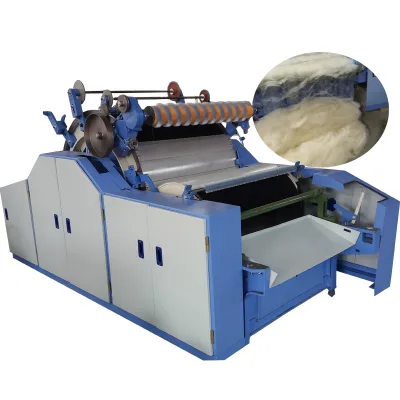
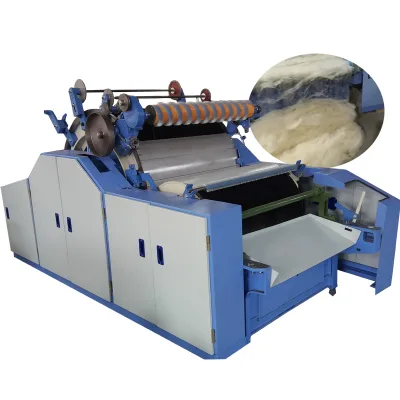


Alpaka Wool Cashmere Sheep Wool Yak Hair Camel Hair Cotton Fiber Carding Machine A186
$11400.00 - $12400.00
MOQ: 1 set


Wool Spinning Machine of Combined Carding Machine for Cashmere/Camel Hair/Yak Hair
$10000.00 - $20000.00
MOQ: 1 Pieces

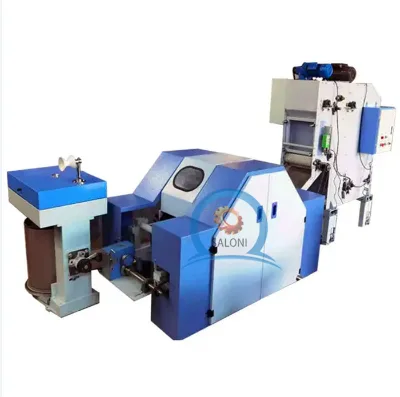
Combined Cashmere Carding Machine Wool Carder of Textile Machinery
$12000.00 - $13400.00
MOQ: 1 Pieces


Comprehensive Sourcing Guide
Strategic Sourcing Guide for Cashmere and Camel Hair Carding Machines
The global textile industry relies heavily on the precision of fiber preparation, particularly when processing delicate natural fibers like cashmere and camel hair. These materials require specialized machinery to align fibers without causing damage, ensuring the final yarn possesses the desired softness and strength. For procurement professionals, identifying the correct carding machine involves navigating a complex landscape of technical specifications, capacity requirements, and supplier verification. This guide provides a structured approach to sourcing these critical assets, focusing on evidence-based evaluation rather than marketing claims.
Technical Specifications and Operational Parameters
When evaluating cashmere and camel hair carding machines, buyers must scrutinize the physical dimensions and power requirements to ensure compatibility with their existing facility infrastructure. The footprint of such machinery varies significantly based on the model and intended throughput. For instance, specific industrial units have been observed with floor space requirements ranging from approximately 3,648mm by 2,009.5mm to larger configurations measuring 3,690mm by 2,100mm with a height of 1,500mm. Other models may present different dimensional profiles, such as 3,345mm by 2,450mm by 1,100mm, or more compact variants around 1,350mm by 900mm by 950mm.
Power consumption is another critical technical variable. The electrical load can differ based on the machine's automation level and motor configuration. Observed power ratings include units operating at 3.72kw, while others may utilize a dragging power of 2.35kw or 2.5kw. Voltage compatibility is essential for international procurement; machines are frequently listed with voltage specifications of 220/380v or 380V. Buyers must verify that their local power grid matches these requirements to avoid the need for expensive transformers or electrical retrofits.
The working width of the carding cylinder is a direct indicator of the machine's processing capability. Specifications indicate working widths can range from 300mm for smaller units to 1,500mm for high-capacity industrial lines. The cylinder working speed is another performance metric, with observed operational speeds around 85 units per minute. These parameters directly influence the throughput and the quality of the fiber alignment.
Capacity and Material Suitability
The primary function of a carding machine is to process raw fibers into a continuous web or sliver. The suitability of the machine for cashmere and camel hair depends heavily on the raw material length and the machine's output capacity. Effective carding machines are designed to handle raw material lengths typically between 20mm and 75mm. This range is crucial for cashmere and camel hair, which often require specific preparation to maintain fiber integrity.
Output capacity varies widely across different models, reflecting the scale of production. Some units are rated for a capacity of 10kg/h, suitable for smaller batch operations or pilot plants. In contrast, other industrial configurations may offer capacities ranging from 2 to 4 Kg/H, or 4 to 8kg/H. It is important to note that capacity claims should be treated as observations of specific models rather than universal standards for all machines in this category. Buyers should calculate their required throughput based on their specific production schedules and fiber processing needs before selecting a model.
The automatic grade of the machinery is also a significant factor. Modern carding machines are often classified as "Automatic," which implies a higher degree of process control and reduced manual intervention. This automation level can impact labor costs and consistency in the final product quality.
Compliance, Certification, and Documentation
In the B2B procurement of industrial machinery, compliance with international standards is non-negotiable. Buyers must verify that the supplier can provide valid documentation for certifications such as CE and ISO9001. These certifications indicate that the machine meets specific safety and quality management standards. However, the presence of these certifications should be confirmed through official documentation rather than assumed based on product listings.
Machinery test reports are another vital component of the compliance package. A provided machinery test report serves as evidence that the equipment has undergone rigorous testing for performance and safety. Buyers should request these reports prior to finalizing a purchase to ensure the machine meets the advertised specifications. The condition of the machine is also a key compliance factor; most reputable listings for new machinery will explicitly state the condition as "New."
Standardization of the machine's construction is often referenced in product specifications. While specific standard codes may vary, the adherence to international manufacturing standards is a prerequisite for safe operation. Buyers should ensure that the supplier provides clear documentation regarding the standards applied during the manufacturing process.
Cost Drivers and Pricing Structures
The pricing of cashmere and camel hair carding machines is influenced by several factors, including the machine's capacity, automation level, and brand reputation. The observed price range for these machines in the market spans from 4,500 USD to 120,000 USD. This wide variance reflects the difference between smaller, semi-automatic units and large-scale, fully automated industrial systems.
The Minimum Order Quantity (MOQ) is another cost consideration. In many cases, the MOQ for these specialized machines is set at 1 unit, allowing buyers to purchase a single machine for immediate deployment. However, buyers should be aware that pricing may fluctuate based on customization requirements, shipping logistics, and the specific configuration of the machine.
Customization is often available, which can impact the final cost. Buyers seeking specific modifications to the machine's dimensions, power requirements, or control systems should expect a premium price. The packing method, such as wooden cases or carton boxes, also contributes to the overall cost, particularly for international shipping where protection against damage is critical.
Supplier Evaluation and Geographic Considerations
When sourcing these machines, the geographic origin of the manufacturer plays a significant role in logistics and communication. Many suppliers are located in regions known for textile machinery manufacturing, such as Henan, Qingdao, and Shandong in China. Specific locations like Jiaozhou in Shandong are noted as production origins for certain models.
Evaluating a supplier requires more than just checking a location. Buyers should assess the supplier's production capacity, which is sometimes listed as a percentage (e.g., 98%), though this figure should be interpreted as a specific observation rather than a general industry benchmark. The supplier's ability to provide after-sales support, including warranty coverage, is crucial. A standard warranty period of 1 year is commonly observed, but buyers should negotiate terms that cover critical components and provide clear service protocols.
The brand name associated with the machine is also a factor in supplier evaluation. While specific brands exist, buyers should focus on the supplier's track record and the specific model's performance history rather than brand recognition alone. The "Selling Units" being listed as "Single item" suggests that the supplier is willing to handle individual transactions, which is beneficial for smaller buyers.
Quality Control and Long-Term Procurement
Ensuring the quality of the carding machine is essential for maintaining production efficiency. Quality control should begin with a thorough review of the product specifications, including weight, dimensions, and power ratings. For example, machine weights can vary from approximately 350kg to 4.5 tons, depending on the model and build quality. Heavier machines often indicate a more robust construction, which can translate to better durability and stability during operation.
Long-term procurement considerations include the availability of spare parts and the ease of maintenance. Buyers should verify that the supplier offers a supply chain for replacement parts and that the machine design allows for accessible maintenance. The "Core Components" of the machine, often listed as "Other," should be scrutinized to ensure they are of high quality and sourced from reputable manufacturers.
Furthermore, the machine's performance over time should be monitored. Regular maintenance schedules and the availability of technical support are critical for extending the machine's lifespan. Buyers should also consider the energy efficiency of the machine, as power consumption directly impacts operational costs over the life of the equipment.
Application Scenarios and Industry Fit
Cashmere and camel hair carding machines are primarily used in the textile industry for processing high-value natural fibers. These machines are essential for preparing fibers for spinning, ensuring that the resulting yarn is uniform and free of impurities. The specific applications include the production of luxury garments, accessories, and specialized textiles where fiber quality is paramount.
The versatility of these machines allows them to be used in various production environments, from small workshops to large industrial facilities. The ability to handle different fiber lengths and the availability of customization options make them suitable for a wide range of applications. Buyers should align their machine selection with their specific product goals, whether that involves high-volume production or specialized, low-volume batches.
In conclusion, sourcing a cashmere and camel hair carding machine requires a meticulous approach that balances technical specifications, compliance requirements, and cost considerations. By focusing on verified data and avoiding unconfirmed claims, buyers can make informed decisions that ensure the long-term success of their textile operations. The detailed evaluation of dimensions, power, capacity, and supplier credentials is essential for securing machinery that meets the rigorous demands of the cashmere and camel hair processing industry.
FAQs
What is the typical floor space required for a Cashmere Camel Hair Carding Machine?
Typical floor space ranges from 3648mm by 2009.5mm to 3690mm by 2100mm with a height of 1500mm. Some compact models may measure 1350mm by 900mm by 950mm, so verify specific dimensions before installation.
Can these machines process raw cashmere fibers of 20 to 75mm length?
Yes, these machines are designed to handle raw material lengths typically between 20mm and 75mm. This specific range ensures proper fiber alignment without damage during the carding process for cashmere and camel hair.
Which certifications are commonly provided for new cashmere camel hair carding machines?
Common certifications include CE and ISO9001 for new condition machines. Buyers should request valid documentation and machinery test reports to verify compliance with safety and quality management standards before purchase.
How much does a single unit of this machinery typically cost?
The observed price range spans from 4500 USD to 120000 USD depending on the model and capacity. Minimum order quantity is usually one unit, but customization or specific configurations may affect the final price.
What is the output capacity of standard cashmere camel hair carding machines?
Output capacities vary by model, with observed rates of 10kg/h, 2 to 4 Kg/H, or 4 to 8kg/H. Select a model based on your specific production schedule and required throughput volume.
Where are these carding machines typically manufactured in China?
Machines originate from regions such as Henan, Qingdao, and Shandong, with specific locations like Jiaozhou noted for certain models. Verify the place of origin to assess logistics and supplier proximity.
Is customization available for the voltage and power requirements of these machines?
Customization is available for voltage and power requirements to match local infrastructure. Standard specifications include 220/380v or 380V, but buyers should confirm specific electrical needs with the supplier before ordering.