Source Cast Film for Packaging, Agriculture, and Industry
Find 30 Cast Film options for packaging, agriculture, and industrial applications. Compare transparent and colored variants made from PE or LLDPE, featuring moisture-proof properties and customizable thicknesses from 10 to 40 microns for various roll types.
Key considerations
Products List


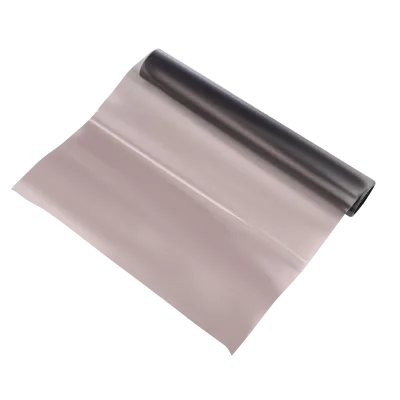


Comprehensive Sourcing Guide
Cast Film Sourcing Guide
The global market for Cast Film centers on versatile polyethylene solutions designed for high-speed packaging lines and specialized industrial applications. Based on observed listings, these products are primarily manufactured from LLDPE and PE materials, offering a balance of clarity, strength, and flexibility essential for modern supply chains. Buyers should recognize that the term "Cast Film" specifically denotes a processing type where molten polymer is extruded onto a chilled roll, resulting in a smooth surface and consistent thickness that differs from blown film alternatives. This manufacturing method is critical for applications requiring high transparency and uniform mechanical properties, such as food cling films, glass protection, and agricultural wrapping.
Procurement decisions for Cast Film must account for the diverse range of product configurations available, from standard hand and machine rolls to jumbo rolls for industrial conversion. The observed data indicates that suppliers offer films in various thicknesses, typically ranging from 10 to 40 microns, with widths that can be customized to specific machinery requirements. While some listings highlight specific models like WP-SS-304 or WP-WD-14453, the core value proposition lies in the ability to select films with specific features such as moisture proofing, water solubility, or high stretch percentages between 200% and 500%. Understanding these variations is the first step in aligning product selection with the operational demands of the end-user.
Product Scope and Observed Listing Signals
Buyers must distinguish between general packaging films and specialized variants like colored wound films or shrink labels when evaluating product scope. The market data reveals a spectrum of transparency levels, including transparent, translucent, and opaque options, alongside a wide color palette that encompasses black, blue, red, yellow, green, and orange. This diversity supports applications ranging from gift packaging and textile apparel to heavy-duty industry and agriculture. When sourcing, it is vital to verify whether the specific listing refers to a standard PE stretch film or a specialized product like a water-soluble film, as the intended usage dictates the necessary material properties and processing requirements.
Commercial signals in the marketplace often highlight the raw material source as a key differentiator for quality assurance. Several listings explicitly mention major petrochemical suppliers such as Exxon Mobil and Dow as the raw material providers, which serves as a proxy for consistency and performance reliability. However, buyers should not assume that every product in the category shares this specific supply chain; instead, they must treat these details as observations of specific high-quality listings. The presence of customization options for packing, such as 4 or 6 rolls per carton or customized pallets, further indicates that suppliers are prepared to meet diverse logistical needs, but the specific configuration must be confirmed during the negotiation phase.
Technical Specifications to Verify
Thickness and width tolerances are the primary technical parameters that determine the film's performance in automated packaging systems. Observed specifications indicate a thickness range of 12 to 35 microns for standard cast films, with some listings extending up to 40 microns, while others specify ranges like 0.17-0.22mm. Buyers must verify that the selected thickness aligns with the load requirements of the items being wrapped, as thinner films may tear under heavy loads while thicker films may reduce stretch efficiency. Additionally, the paper core diameter is a critical mechanical specification, with standard options including 50mm, 76mm, 1 inch, 1.5 inch, 2 inch, and 3 inch cores, which must match the spindle dimensions of the user's dispensing equipment.
Surface finish and processing type are equally critical for ensuring smooth operation on high-speed machinery. The Cast Film process typically yields a smooth surface, which reduces friction and prevents jamming in automated wrappers, a feature explicitly noted in the product attributes. Buyers should also verify the percentage stretch capability, which can range from 200% to 500%, as this directly impacts material consumption and cost per unit. Furthermore, the hardness of the film, described as "soft" in the observed data, influences how the film conforms to irregular shapes, making it essential to confirm that the mechanical properties match the specific application, whether it is for glass protection or general industrial packaging.
Compliance and Safety Documentation
Regulatory compliance is a non-negotiable aspect of sourcing Cast Film, particularly for applications involving food contact or international trade. The observed listings frequently cite certifications such as ISO9001:2008 and SGS, alongside RoHS compliance, which are essential for verifying that the manufacturing process meets international quality and safety standards. Buyers must request current certification documents to ensure that the specific batch of film adheres to these standards, as certifications can vary by production line and time. For food-related applications, verifying that the film meets specific food-grade regulations is paramount, even if the general product category is labeled simply as "PE FILM."
Safety documentation must also address the specific chemical and physical properties of the film to ensure safe handling and disposal. Features such as moisture proofing and water solubility introduce unique safety considerations that must be documented and understood by the end-user. For instance, water-soluble films require specific storage conditions to prevent premature dissolution, while standard moisture-proof films must be verified for their barrier properties against humidity. Buyers should ensure that the supplier provides Material Safety Data Sheets (MSDS) or equivalent documentation that details the chemical composition, particularly regarding the raw materials sourced from major suppliers like Exxon Mobil or Dow, to confirm the absence of hazardous substances.
Cost Drivers and Commercial Terms
The cost of Cast Film is heavily influenced by the raw material market, specifically the price fluctuations of LLDPE and PE resins sourced from major petrochemical companies. Since the supply chain relies on inputs from suppliers like Dow and Exxon Mobil, buyers should anticipate that pricing will correlate with global oil and gas markets. The observed price range of 0.01 to 24,800 USD reflects the vast difference between small sample orders and large industrial jumbo rolls, making it essential to define the exact volume and specifications before requesting a quote. Buyers should not rely on a single price point but rather understand that the cost per unit will vary significantly based on thickness, width, and the inclusion of custom colors or features.
Commercial terms regarding delivery and payment are critical for managing cash flow and production schedules. Lead times observed in the market vary from within 15 days to 25-30 days after deposit payment, depending on the supplier's location and current order volume. Suppliers in regions like Guangdong and Shandong in China may offer different delivery windows, and buyers must confirm the specific lead time for their order size and customization requirements. Additionally, the minimum order quantity (MOQ) can range from 0 to 30,000 units, meaning that small buyers may face higher per-unit costs or limited availability, while large buyers can negotiate better terms. Clear agreements on deposit percentages and shipping terms are necessary to avoid delays in the supply chain.
Supplier Qualification and Quality Control
Supplier qualification should begin with a verification of their manufacturing capabilities and raw material sourcing strategies. The presence of specific processing types, such as casting and multiple extrusion, indicates a level of technical sophistication that is necessary for producing high-quality Cast Film. Buyers should assess whether the supplier has the capacity to handle customized orders, as evidenced by the availability of customized packing and model numbers like WP-SS-158. It is also important to verify the supplier's location, as facilities in Guangdong, Shandong, or other regions may have different logistical advantages and quality control cultures that impact the final product consistency.
Quality control processes must be robust enough to ensure that the film meets the specified standards for hardness, transparency, and surface finish. Buyers should request evidence of in-process quality checks, such as thickness monitoring and tensile strength testing, to ensure that the film maintains its properties throughout the production run. The observation of specific standards like "PE stretch film" or "Standard specification or Customized" suggests that suppliers have defined quality benchmarks, but these must be validated against the buyer's specific requirements. Establishing a clear quality agreement that defines acceptable tolerances for width, thickness, and stretch percentage is essential for maintaining consistent performance in the buyer's packaging operations.
Long-Term Procurement Checks
Sustaining a successful procurement relationship requires regular audits of the supplier's ability to maintain consistent raw material sourcing and production quality. Since the market relies on major suppliers like Exxon Mobil and Dow, buyers should periodically verify that the supplier continues to source from these reputable providers to avoid quality degradation due to material substitution. Long-term contracts should include clauses that allow for periodic review of the raw material certificates and production logs to ensure that the film continues to meet the original specifications for transparency, hardness, and feature sets like moisture proofing.
Performance monitoring must extend beyond the initial purchase to include ongoing evaluation of the film's behavior in the buyer's specific application environment. Buyers should track metrics such as film breakage rates, stretch efficiency, and adhesion performance over time to identify any deviations from the expected 200%-500% stretch range or transparency levels. If the film is used for specialized applications like glass protection or agriculture, long-term checks should include field tests to ensure that the film continues to provide the necessary protection against environmental factors. Establishing a feedback loop with the supplier to address any performance issues promptly is crucial for maintaining the integrity of the supply chain and ensuring that the Cast Film continues to meet the evolving needs of the business.
FAQs
What customization options are available for Cast Film?
Customization is available for this Cast Film product. Buyers can select specific thicknesses ranging from 10 to 40 microns and choose from various colors including transparent, black, or custom options to meet unique packaging needs.
Which certifications do the Cast Film manufacturers hold?
The products hold ISO9001:2008 and SGS certifications. Some listings also reference RoHS compliance, ensuring the materials meet international safety and quality standards for applications like food cling and industrial packaging.
How long is the delivery time for Cast Film orders?
Delivery typically takes 25 to 30 days after deposit payment. Some suppliers may offer faster turnaround within 15 days, depending on the specific order volume and production schedule at the factory in China.
Can I find Cast Film with specific raw material suppliers?
Yes, the Cast Film is manufactured using raw materials from major suppliers like Exxon Mobil and Dow. This ensures consistent quality and performance for applications requiring high strength and moisture-proof properties.
What are the standard packaging details for Cast Film rolls?
Standard packaging includes 4 or 6 rolls per carton, or customized packing solutions. The rolls are shipped on paper cores with diameters of 50mm or 76mm, often palletized for secure international transport.
Which locations supply the Cast Film products?
Products originate from manufacturing facilities in Guangdong and Shandong, China. These locations provide access to a robust supply chain for various types of stretch and wound films used in agriculture and industry.