Source CE Exhaust Valve for Dump Trucks, Safety Systems, and Performance Upgrades
Compare 30 available CE Exhaust Valve options from verified Chinese manufacturers. Buyers can evaluate specifications, certifications, and pricing for applications in dump trucks and safety systems.
Key considerations
Products List




Comprehensive Sourcing Guide
CE Exhaust Valve Sourcing Guide
Sourcing industrial exhaust valves requires a disciplined approach to technical verification and compliance validation, particularly when navigating the complex landscape of Chinese manufacturing hubs. The core keyword "CE Exhaust Valve" often points to a diverse array of products ranging from standard rapid exhaust valves to specialized compound valves used in heavy machinery and pneumatic systems. Buyers must distinguish between generic industrial components and those specifically engineered for high-performance applications, such as dump trucks or heavy-duty hydraulic circuits. The presence of CE marking suggests adherence to European health, safety, and environmental protection standards, but this designation alone does not guarantee suitability for every operational environment. Therefore, the initial phase of sourcing must focus on aligning the specific valve type with the intended mechanical system, ensuring that the component’s physical dimensions, material composition, and functional capabilities match the original equipment manufacturer (OEM) specifications.
The procurement process is further complicated by the variability in product listings, where similar model numbers may denote different internal configurations or material grades. For instance, listings may reference models like W12V190.03.02 or Z12VB.09.01A, which appear to be specific part identifiers for heavy vehicle components, while others may list generic descriptors like "Rapid Exhaust Valve" or "Compound Exhaust Valve." This diversity necessitates a rigorous verification process where buyers do not rely solely on the product title or a single model number. Instead, procurement teams must cross-reference these identifiers with technical drawings and functional requirements. The goal is to secure components that not only fit physically but also perform reliably under the specific pressure and temperature conditions of the application, thereby preventing costly downtime or mechanical failure in the field.
Product Scope and Observed Listing Signals
The observed market signals indicate a broad spectrum of exhaust valve products, with price points ranging from $0.06 to $600 USD, reflecting the vast difference between simple pneumatic fittings and complex, heavy-duty industrial valves. This wide range suggests that buyers will encounter everything from basic aluminum or iron castings to more sophisticated steel components with advanced finishing processes. The minimum order quantities (MOQ) typically span from 1 to 1000 units, allowing for both prototype testing and large-scale industrial procurement. However, the low-end prices often correspond to basic materials or standard sizes, while higher price points are associated with specialized models, custom certifications, or bulk industrial orders. Understanding this pricing structure is crucial for budgeting, as it highlights the importance of specifying exact material requirements and certification needs early in the inquiry process to avoid unexpected cost escalations.
Product attributes observed in listings reveal significant variation in customization options, packaging, and origin. Many suppliers offer customization services, indicating that off-the-shelf solutions may not always meet precise engineering needs. Packaging methods vary from plywood boxes and carton boxes to individually wrapped units, which can impact shipping costs and product protection during transit. The origin of these products is predominantly China, with specific mentions of Jinan and Jiangsu provinces, which are known industrial centers for automotive and machinery parts. Buyers should note that while the origin is consistent, the specific manufacturing capabilities and quality control standards can vary significantly between suppliers in these regions. Therefore, evaluating the supplier’s specific location and industrial focus can provide insights into their expertise and reliability, especially when sourcing components for critical applications like dump truck brake systems or heavy machinery exhaust management.
Technical Specifications to Verify
Verifying technical specifications is paramount when sourcing exhaust valves, as the functional integrity of the component depends on precise material and dimensional accuracy. Key attributes to verify include the material composition, which can range from iron and steel to aluminum, each offering different benefits in terms of durability, weight, and corrosion resistance. For example, aluminum components may feature an anodized finish for enhanced surface hardness and aesthetic appeal, while iron or steel valves may be preferred for their structural strength in high-pressure environments. Buyers must also confirm the installation position, such as front-mounted units, and the specific part type, ensuring compatibility with the existing system architecture. The output type, often specified as AC Three Phase for certain electrical or hybrid systems, must be cross-checked against the power supply and control mechanisms of the target machinery to prevent operational mismatches.
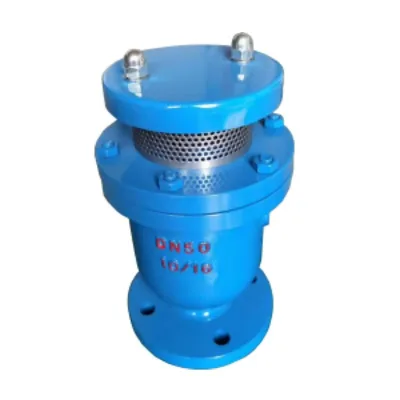
Model numbers and standard components play a critical role in identifying the correct valve variant, as they often encode specific design features and compatibility information. Listings may reference models like WG9725520068, WG9719300005, or P41X, which should be treated as unique identifiers requiring validation against OEM catalogs or technical datasheets. Additionally, standard dimensions such as DN50-DN200 or DN50-DN600 indicate the flow capacity and pipe connection sizes, which are essential for ensuring proper integration into the pneumatic or hydraulic network. Buyers should also inquire about the production process, such as casting techniques, and the standard weight or size specifications, as these factors influence the valve’s performance and longevity. By meticulously verifying these technical details, procurement teams can mitigate the risk of receiving incompatible or substandard components that could compromise the entire system’s efficiency.
Compliance and Safety Documentation
Compliance with international standards is a non-negotiable aspect of sourcing industrial valves, particularly when the CE marking is involved. The CE mark indicates that the product meets EU safety, health, and environmental requirements, but buyers must verify the specific directives under which the certification was issued. In the observed listings, certifications such as CE, CCC, TUV, GS, and ISO are mentioned, suggesting a range of compliance levels. However, it is crucial to distinguish between general quality management certifications like ISO and product-specific safety certifications like TUV or GS, which often involve rigorous testing and third-party verification. Buyers should request copies of the relevant certificates and ensure that they are valid and applicable to the specific model being purchased, as counterfeit or outdated documentation is a common risk in global supply chains.
Beyond certifications, buyers must assess the functional safety features of the exhaust valves, particularly those designed for safety improvement and performance enhancement. The observed attributes highlight functions such as safety improvement, performance enhancement, and aesthetic enhancement, which should be validated through technical documentation or test reports. For instance, rapid exhaust valves and compound exhaust valves may have specific response times or pressure ratings that are critical for safety-critical applications. Buyers should also verify the standard component status and any relevant industry standards, such as those related to vehicle compatibility for dump trucks or other heavy machinery. By demanding comprehensive compliance documentation and functional test data, procurement teams can ensure that the purchased valves not only meet regulatory requirements but also deliver the expected safety and performance benefits in real-world operating conditions.
Cost Drivers and Commercial Terms
The cost of exhaust valves is influenced by several key drivers, including material costs, manufacturing complexity, and certification requirements. The observed price range of $0.06 to $600 USD reflects these variations, with higher prices typically associated with specialized materials like stainless steel, complex casting processes, or additional certifications such as TUV or GS. Buyers should also consider the impact of customization, as available customization options can significantly increase the unit cost due to the need for tooling, setup, and quality control adjustments. Additionally, packaging methods, such as plywood boxes or wooden cases, can add to the overall cost, especially for heavy or fragile components that require extra protection during shipping. Understanding these cost drivers allows buyers to negotiate more effectively and allocate their budget efficiently, focusing on the most critical aspects of the valve’s performance and compliance.
Commercial terms, including minimum order quantities (MOQ) and payment conditions, also play a significant role in the total cost of ownership. The observed MOQ range of 1 to 1000 units offers flexibility for both small-scale testing and large-volume procurement, but buyers should be aware that lower MOQs may come with higher unit prices due to the fixed costs of production and setup. Payment terms, such as advance payments or letters of credit, can impact cash flow and risk exposure, so buyers should negotiate terms that align with their financial capabilities and risk tolerance. Furthermore, shipping and logistics costs, which can vary based on the product’s weight, dimensions, and origin, should be factored into the total cost analysis. By carefully evaluating these commercial terms and cost drivers, procurement teams can optimize their sourcing strategy to achieve the best balance between cost, quality, and supply chain reliability.
Supplier Qualification and Quality Control
Supplier qualification is a critical step in ensuring the reliability and consistency of exhaust valve procurement. Buyers should conduct thorough due diligence on potential suppliers, verifying their manufacturing capabilities, quality management systems, and track record in the industry. The observed listings indicate that many suppliers are located in China, with specific mentions of Jinan and Jiangsu provinces, which are known for their industrial expertise. However, buyers should not rely solely on location as a proxy for quality; instead, they should request detailed information about the supplier’s production processes, quality control measures, and testing facilities. This includes verifying the use of standard components, the consistency of material grades, and the adherence to specified dimensions and tolerances. By establishing a robust supplier qualification process, buyers can mitigate the risk of receiving defective or non-compliant products.
Quality control measures should be integrated into the procurement process to ensure that the delivered valves meet the specified requirements. Buyers should implement incoming inspection protocols, including visual checks, dimensional measurements, and functional tests, to verify the quality of the received goods. Additionally, suppliers should be required to provide batch-specific test reports or certificates of conformity, which can help trace any quality issues back to the production process. For high-volume orders, buyers may consider implementing periodic audits or third-party inspections to monitor the supplier’s quality performance over time. By maintaining strict quality control standards and fostering a collaborative relationship with suppliers, procurement teams can ensure a steady supply of high-quality exhaust valves that meet the operational needs of their machinery and equipment.
Long-Term Procurement Checks
Long-term procurement success depends on continuous monitoring and evaluation of supplier performance and product quality. Buyers should establish key performance indicators (KPIs) to track metrics such as on-time delivery, defect rates, and responsiveness to issues, using this data to drive continuous improvement and supplier development. Regular communication with suppliers is essential to address any emerging challenges, such as changes in material availability or regulatory requirements, and to explore opportunities for cost optimization or product enhancement. Additionally, buyers should stay informed about industry trends and technological advancements in exhaust valve design, ensuring that their procurement strategy remains aligned with the evolving needs of their operations. By adopting a proactive and data-driven approach to long-term procurement, buyers can build a resilient supply chain that supports their business goals and maintains high standards of quality and reliability.
Furthermore, buyers should periodically review their supplier base to identify potential risks and opportunities for diversification. This includes assessing the financial stability of suppliers, their capacity to scale production, and their ability to adapt to changing market conditions. By maintaining a diversified supplier portfolio, buyers can reduce their dependence on single sources and mitigate the impact of supply chain disruptions. Additionally, buyers should invest in building strong relationships with key suppliers, fostering trust and collaboration that can lead to better pricing, priority service, and joint innovation. By focusing on long-term strategic partnerships and continuous improvement, procurement teams can ensure a sustainable and competitive supply of exhaust valves that supports the long-term success of their business operations.
FAQs
What certifications do ce exhaust valves have?
These valves carry CE and CCC certifications as standard. Some models also include TUV, GS, and ISO certifications depending on the specific product configuration and manufacturer requirements.
Can I request customization for these valves?
Yes, customization is available for these exhaust valves. Buyers can specify unique requirements to tailor the product to their specific operational needs or integration constraints.
Which materials are used in manufacturing these valves?
The valves are constructed from iron, steel, and aluminum materials. The specific material depends on the model and intended application, such as safety improvement or performance enhancement.
How are these valves packed for shipping?
Packaging options include plywood boxes, cartons, and wooden cases. Some items are individually wrapped or packed in standard export boxes to ensure safe ocean freight delivery.
What is the origin of these exhaust valves?
The products originate from China, with specific manufacturing locations in Jinan and Jiangsu. This regional sourcing supports the availability of standard components and rapid exhaust valves.
Which models are available for ce exhaust valves?
Available models include W12V190.03.02, Z12VB.09.01A, and WG9725520068. The catalog also lists all models and specific variants like QB2-10 for different industrial applications.