Source CE FCC RoHS Mini PC for Industrial, Retail, and Office
Compare 14 CE FCC RoHS Mini PC options from verified Chinese suppliers. These industrial-grade devices feature customizable configurations, various storage capacities, and robust connectivity for diverse applications including retail kiosks and office automation systems; compare the available evidence and request quotations based on your requirements.
Key considerations
Products List
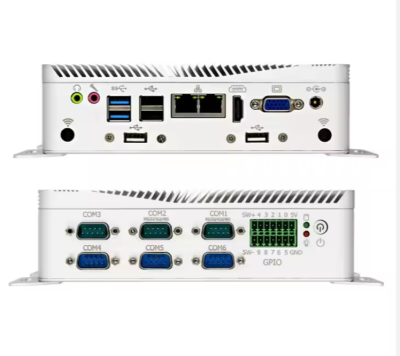


Industrial Host Mini PC with High-Temperature Resistance and Compact Size
$113.00 - $119.00
MOQ: 1 Pieces

Compact Industrial Mini PC for Enhanced Visual Performance Factory Use
$295.00 - $316.00
MOQ: 1 Pieces


Powerful Industrial Host Mini PC with 19V Power Input and Compact Design
$305.00 - $326.00
MOQ: 1 Pieces


Comprehensive Sourcing Guide
CE FCC RoHS Mini PC Sourcing Guide
Procuring certified mini PCs requires balancing compact form factors with rigorous industrial-grade reliability. Buyers must prioritize devices that offer robust connectivity options, such as RS232 and RS485 interfaces, which are essential for seamless integration into automated manufacturing lines or logistics tracking systems. The presence of multiple display outputs, including VGA and HDMI, ensures compatibility with diverse monitoring setups, allowing operators to maintain clear visibility over critical operational data without requiring additional adapters or complex wiring configurations.
Selection criteria should also account for environmental resilience, particularly when deploying units in harsh industrial settings. Devices featuring wide operating temperature ranges and durable metal-and-ABS construction provide the necessary stability for continuous operation. Furthermore, verifying the inclusion of essential accessories like industrial power supplies and ensuring support for wall-mounted installation helps streamline deployment. These physical and functional attributes collectively determine whether a mini PC can withstand the demands of 24/7 industrial use while maintaining consistent performance standards.
Product Scope and Observed Listing Signals
The current market for mini PCs exhibits a diverse range of specifications tailored to specific industrial needs. Listings frequently highlight configurations based on Intel Core processors from the 6th to 12th generations, offering varying levels of computational power for different workloads. Storage options typically include 128GB SSDs or larger capacities, paired with 8GB RAM, ensuring sufficient resources for running complex industrial software or Linux-based operating systems. These hardware combinations are designed to support high-throughput data processing tasks common in modern automated environments.
Pricing and minimum order quantities vary significantly across suppliers, reflecting differences in component quality and customization capabilities. Observed price points range widely, indicating that buyers can find options suitable for both small-scale pilot projects and large-scale enterprise deployments. Many suppliers offer customization services, including OEM logo support and tailored packaging, which are crucial for branding and logistical efficiency. Understanding these market signals helps buyers align their procurement strategies with their specific budget constraints and operational scale requirements.
Technical Specifications to Verify
When evaluating technical specifications, buyers should focus on the processor generation and storage architecture to ensure adequate performance. Models featuring Intel Core i5 or i7 processors provide reliable processing power for demanding applications, while the inclusion of Mini PCIe slots allows for future expansion and connectivity upgrades. It is also critical to verify the type of storage rack, such as board-type configurations, which can impact installation flexibility and maintenance ease in confined industrial spaces. These hardware details directly influence the system's longevity and adaptability to evolving technological requirements.
Connectivity and power specifications are equally important for ensuring seamless integration into existing infrastructure. Buyers must confirm the presence of essential ports, including RJ45 LAN ports with adaptive speeds and multiple USB interfaces, to support peripheral devices and network connectivity. Additionally, verifying the power input requirements, such as DC 12V to 19V adapters, ensures compatibility with available power sources. The inclusion of features like 2.4G WiFi and optional 5G connectivity further enhances flexibility, allowing for wireless data transmission in environments where wired connections are impractical or restricted.
Compliance and Safety Documentation
Certification compliance is a non-negotiable aspect of industrial procurement, ensuring that devices meet international safety and electromagnetic compatibility standards. Buyers should verify that products carry recognized certifications such as CE, FCC Class A, and RoHS, which indicate adherence to strict regulatory requirements for electronic equipment. These certifications not only facilitate legal market entry but also provide assurance regarding the device's safety and environmental impact. Documentation should be readily available and verifiable to mitigate risks associated with non-compliant hardware in regulated industries.
Beyond basic certifications, buyers should assess the manufacturer's commitment to quality assurance and product reliability. This includes reviewing warranty terms, such as one-year coverage, which reflects the supplier's confidence in their product's durability. Additionally, understanding the testing procedures and quality control measures employed by the supplier can provide insights into the consistency of product performance. Ensuring that all compliance documentation is complete and up-to-date helps prevent potential legal issues and operational disruptions during the deployment phase.
Cost Drivers and Commercial Terms
Several factors influence the total cost of ownership for mini PCs, including processor generation, storage capacity, and customization options. Higher-end models with advanced processors and larger SSDs naturally command higher prices, while basic configurations may offer cost savings for less demanding applications. Buyers should also consider the impact of minimum order quantities on pricing, as larger orders often result in more favorable unit costs. Understanding these cost drivers allows for more accurate budgeting and helps identify opportunities for cost optimization without compromising essential performance requirements.
Commercial terms, such as payment conditions and shipping arrangements, also play a significant role in the procurement process. Buyers should negotiate clear terms regarding delivery timelines and packaging standards to ensure that products arrive in optimal condition. The inclusion of accessories like industrial power supplies and specialized mounting hardware can affect the overall cost but may reduce installation expenses. By carefully evaluating these commercial aspects, buyers can secure favorable terms that align with their financial constraints and operational timelines, ensuring a smooth procurement experience.
Supplier Qualification and Quality Control
Evaluating supplier qualifications is crucial for ensuring the reliability and consistency of mini PC supplies. Buyers should prioritize suppliers with a proven track record in industrial computing solutions, as they are more likely to understand the specific requirements of industrial environments. Verifying the supplier's manufacturing capabilities, including their ability to produce devices with metal-and-ABS construction and robust internal components, helps ensure that products meet durability standards. Additionally, assessing the supplier's customer support infrastructure can provide insights into their responsiveness and ability to address post-sales issues effectively.
Quality control measures should be rigorously assessed to minimize the risk of receiving defective or substandard products. Buyers should inquire about the supplier's testing protocols, including burn-in tests and environmental stress screening, to ensure that devices can withstand industrial conditions. Requesting sample units for evaluation before placing large orders allows buyers to verify product quality and performance firsthand. Establishing clear quality expectations and communication channels with suppliers helps build a strong partnership and ensures that procurement outcomes align with operational needs.
Long-Term Procurement Checks
Long-term procurement success depends on establishing robust mechanisms for ongoing supplier performance monitoring and product lifecycle management. Buyers should regularly review supplier delivery times, product defect rates, and customer service responsiveness to identify potential issues early. Maintaining open communication channels with suppliers facilitates timely resolution of any problems and ensures that supply chain disruptions are minimized. Additionally, staying informed about technological advancements and industry trends helps buyers make informed decisions about future upgrades or replacements, ensuring that their infrastructure remains competitive and efficient.
Regular audits of product compliance and documentation are essential for maintaining regulatory adherence over time. Buyers should verify that suppliers continue to meet certification requirements and provide updated documentation as regulations evolve. This proactive approach helps mitigate risks associated with non-compliance and ensures that products remain suitable for their intended industrial applications. By implementing these long-term checks, buyers can sustain a reliable supply of high-quality mini PCs that support their operational goals and contribute to overall business success.
FAQs
What certifications do these mini PCs have?
These mini PCs carry CE, CCC, FCC Class A, and RoHS certifications. The listed product page confirms these standards apply to the industrial IPC units. Buyers should verify specific model compliance before ordering to ensure regulatory fit for their target regions.
Which storage options are available for this device?
Storage options include SATA or PCIe SSDs ranging from 128GB to 1TB. Some models feature 128GB SSD as standard, while others support expansion via Mini PCIe slots. Buyers can select capacity based on their specific industrial application needs and data retention requirements.
Can I customize the logo on these mini PCs?
Yes, OEM logo customization is supported for these industrial mini PCs. The supplier offers branding services to meet specific corporate identity requirements. Buyers should contact the vendor directly to discuss design files and minimum order quantities for custom branding projects.
What is the operating temperature range for this unit?
The operating temperature range is 0°C to 40°C for standard use. Storage environments can withstand temperatures from -20°C to -70°C depending on the specific model configuration. This ensures reliable performance in various industrial settings while protecting internal components during non-operational periods.
How is the power supply configured for these devices?
Power input is typically 19V/2.5A with a DC 12V to 19V supply type. An industrial power supply is included as an accessory for immediate deployment. This flexible voltage range supports diverse power infrastructure found in industrial facilities and remote deployment locations.
What display ports are included on the mini PC?
Display ports vary by model, with options including 1 VGA plus 1 HDMI or 1 HDMI 2.0 output supporting 4K resolution. Some units feature HDMI 2.0 for high-definition connectivity. Buyers should check the specific model specifications to confirm port availability for their display setup.
Is the installation method wall-mounted for this product?
Yes, the installation method supports wall-mounted configurations for space-saving setups. The 1u rack unit design also allows for standard rack mounting in server rooms. This versatility enables flexible deployment in industrial control panels or compact workstations without requiring additional mounting hardware.