Source CE RoHS Brass Crimp Terminals for Automotive, Industrial, and Consumer
Compare 30 listings of CE RoHS Brass Crimp Terminals from verified Chinese manufacturers. Buyers can evaluate models like 7099-BS and MPD5.5-195 based on shape, color, and packing options to find suitable components for electrical connections; compare the available evidence and request quotations based on your requirements.
Key considerations
Products List




Comprehensive Sourcing Guide
CE RoHS Brass Crimp Terminals Sourcing Guide
Procuring crimp terminals that meet CE and RoHS directives requires a disciplined approach to verifying material composition and manufacturing processes. Buyers must distinguish between marketing claims and actual compliance documentation, ensuring that the brass or copper alloy used does not contain restricted substances like lead or cadmium. The sourcing strategy should prioritize suppliers who provide transparent material test reports alongside their product catalogs, as this transparency is a strong indicator of regulatory adherence.
It is equally important to understand that "CE" marking for passive components like terminals often relates to the broader electrical safety of the final assembly rather than the component itself. Therefore, buyers should focus on RoHS compliance for substance restrictions and verify that the supplier’s quality management systems align with international standards. This dual focus ensures that the terminals are not only environmentally safe but also suitable for integration into products destined for markets with strict environmental regulations.
Product Scope and Observed Listing Signals
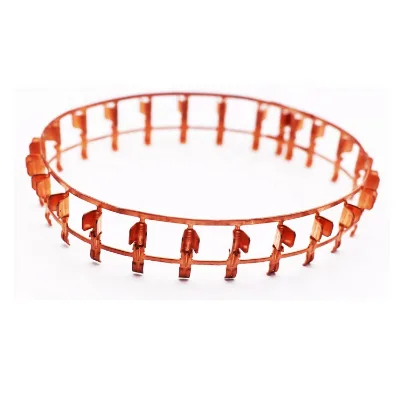
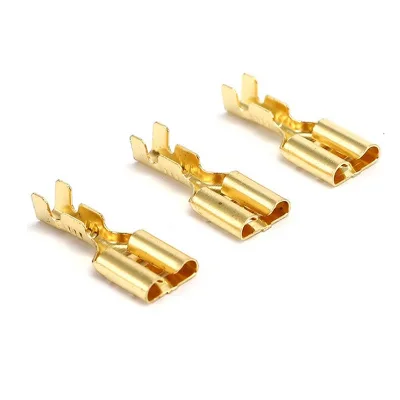
The current market landscape for these components reveals a diverse range of terminal types, including dual-hole and single-hole variants, which cater to different wiring configurations. Observed listings indicate that products are available in various shapes such as U-shaped, rectangular, and round designs, each serving specific mechanical and electrical connection needs. Buyers should note that customization is frequently available, allowing for tailored solutions that match specific harness requirements or space constraints within electronic enclosures.
Packing methods vary significantly across suppliers, with options ranging from simple bag packing to more protective tube, reel, and carton packaging. This variation impacts handling efficiency and storage requirements on the production floor. Additionally, color coding is commonly used to identify terminal types, with red, blue, yellow, and silver finishes observed in listings. These visual cues help in quick identification during assembly, reducing the risk of misconnection and improving overall workflow efficiency in high-volume manufacturing environments.
Technical Specifications to Verify
When evaluating technical specifications, the production process is a critical factor, with cold pressing being a common method for forming terminal contacts. This process influences the mechanical strength and conductivity of the terminal, so buyers should verify that the cold pressing parameters ensure consistent crimp quality. Furthermore, the interface type, such as DC/DC connections, dictates the electrical performance and must align with the circuit design requirements. Buyers must also check if the terminals are suitable for the specific wire gauge and insulation type they intend to use.
Material composition is another vital specification, with copper being a prevalent material due to its excellent conductivity. However, buyers should confirm whether the copper is plated, such as with nickel, to enhance corrosion resistance and solderability. The absence of CNC machining in some listings suggests that these are mass-produced stamped components, which is typical for high-volume applications. Verifying these details ensures that the terminals will perform reliably under the expected electrical loads and environmental conditions without premature failure.
Compliance and Safety Documentation
Compliance with RoHS and Reach standards is essential for selling products in many international markets, and buyers should request certificates of conformity from suppliers. These documents confirm that the terminals do not contain hazardous substances above the permitted thresholds, protecting the buyer from regulatory penalties and reputational damage. It is crucial to verify that the certification is current and covers the specific product models being ordered, as standards can evolve over time.
In addition to environmental compliance, safety certifications like UL may be relevant depending on the end-use application. Buyers should inquire whether the terminals have been tested for electrical safety and thermal performance under standard conditions. While some listings mention CE, it is important to clarify what this marking signifies for the specific component, as it may not always imply direct compliance with all safety directives. Obtaining clear documentation ensures that the procurement process remains compliant with all applicable laws and industry standards.
Cost Drivers and Commercial Terms
The cost of crimp terminals is influenced by several factors, including the raw material prices of copper and brass, as well as the complexity of the terminal design. Customization options, such as specific shapes or plating, can increase the unit price due to additional manufacturing steps. Buyers should also consider the packaging method, as more protective packaging may add to the overall cost but reduce the risk of damage during transit. Understanding these cost drivers helps in negotiating better prices and selecting the most cost-effective solution for the project.
Minimum order quantities (MOQs) vary widely, ranging from small batches for prototyping to large volumes for mass production. Buyers should align their order quantities with their production needs to avoid excessive inventory costs or stockouts. Payment terms and lead times are also critical commercial considerations, as they impact cash flow and production scheduling. Establishing clear agreements on these terms with suppliers ensures a smooth procurement process and minimizes disruptions in the supply chain.
Supplier Qualification and Quality Control
Supplier qualification is a key step in ensuring the reliability of the crimp terminals, and buyers should assess the supplier’s manufacturing capabilities and quality control processes. Factories located in regions like Wenzhou, Zhejiang, are known for their expertise in electrical components, but buyers should still verify the supplier’s track record and customer feedback. It is advisable to request samples for testing before placing large orders to evaluate the quality and consistency of the products.
Quality control measures, such as incoming material inspections and final product testing, are essential for maintaining high standards. Buyers should inquire about the supplier’s defect rate and their procedures for handling non-conforming products. Additionally, verifying that the supplier adheres to recognized quality management systems can provide confidence in their ability to deliver consistent quality. Establishing a strong relationship with a qualified supplier helps in building a resilient supply chain that can meet future demands.
Long-Term Procurement Checks
Long-term procurement success depends on regular audits and performance reviews of the supplier relationship. Buyers should monitor the supplier’s ability to meet delivery schedules and maintain consistent quality over time. Any deviations from agreed-upon specifications or delays in shipments should be addressed promptly to prevent disruptions in production. Building a history of reliable performance with the supplier can lead to better pricing and priority service in the future.
It is also important to stay updated on changes in regulatory requirements and industry standards that may affect the use of crimp terminals. Buyers should periodically review the compliance documentation provided by the supplier to ensure ongoing adherence to current laws. Additionally, exploring alternative suppliers can provide leverage in negotiations and reduce dependency on a single source. By maintaining a proactive approach to supplier management, buyers can ensure a stable and compliant supply of critical electrical components.
FAQs
What certifications do these terminals meet?
These terminals meet RoHS and Reach standards for environmental compliance. Some models also carry UL certification for safety assurance. The products originate from Wenzhou, Zhejiang, China, ensuring adherence to international quality benchmarks. Buyers can verify specific model numbers like QF-136 or TF-078 for their exact certification status before procurement.
Can these terminals be customized for specific needs?
Yes, customization is available for these terminal products. Manufacturers offer options such as nickel plating and mapping custom designs to fit unique application requirements. The production process involves cold pressing, allowing for precise shaping. Buyers should specify their desired modifications, such as color or material adjustments, when requesting quotes from suppliers.
What packaging options are provided for these terminals?
Packaging options include bag packing, tube packing, and reel packing for individual units. Larger orders may utilize carton packaging or wooden cases for secure transport. Specific models come in plastic bags and cartons. The standard package often contains 100 pieces per bag, ensuring convenient handling and storage for industrial assembly lines and bulk distribution.
What is the minimum order quantity for these terminals?
The minimum order quantity ranges from 3 to 100,000 units depending on the supplier and specific model. This flexibility accommodates both small prototype runs and large-scale industrial production. Buyers should confirm the exact MOQ with the manufacturer, as it varies by product type, such as dual hole or single hole terminals, and current inventory levels.
Which materials are used in these crimp terminals?
These terminals are primarily made from copper, providing excellent electrical conductivity. The material ensures efficient transmission of electrical signals and reliable performance. Some variants may feature nickel plating for enhanced durability and corrosion resistance. The copper construction supports various applications, including moistureproof and insulation requirements, making them suitable for diverse electronic and industrial environments.