Source Waterproof MRI Medical Connector for Automobile, Computer, Home Appliance
Compare 30 verified options for Waterproof MRI Medical Connector suitable for medical, automobile, and computer applications. Buyers can evaluate specifications like rated voltage, current, and certifications from manufacturers in China; compare the available evidence and request quotations based on your requirements.
Key considerations
Products List


Custom Female and Male Waterproof Connector Medical Equipment Wire Harness
$0.60 - $1.80
MOQ: 1 Pieces


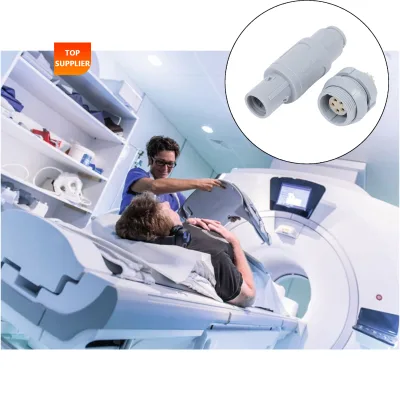
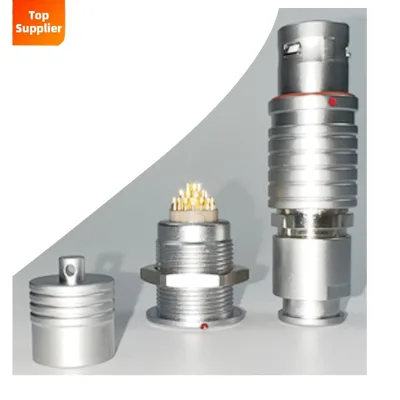
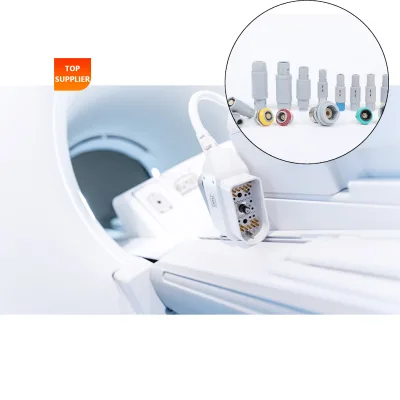

Durable Waterproof Medical Connectors with Superior Insulation Technology
$0.99 - $29.90
MOQ: 10 Pieces


Need Free Connector Positive Pressure Needle Free Connector Medical Use
$0.15 - $0.20
MOQ: 100000 Pieces


$50.00 - $60.00
MOQ: 10 Pieces


Comprehensive Sourcing Guide
Waterproof MRI Medical Connector Sourcing Guide
Procuring waterproof connectors for MRI environments requires strict adherence to non-ferromagnetic material standards to prevent projectile hazards and image distortion. Buyers must prioritize components constructed from aluminum alloys, PC shells, or specific copper alloys that do not interfere with the magnetic field. The observed market data indicates a range of housing materials, including aluminum and PC, which are critical for maintaining safety in high-field strength environments.
Verification of the connector's gender and interface type is essential before finalizing any purchase order. Listings show variations such as male receptacles and DC/DC or AC/DC interfaces, which must align precisely with the medical device's internal architecture. Sourcing teams should confirm that the selected model, such as the BNE02 or BK-P-021, meets the specific mechanical and electrical requirements of the intended MRI system integration.
Product Scope and Observed Listing Signals
The available product scope encompasses a diverse array of industrial and medical wiring harnesses, ranging from low voltage signal lines to high-frequency applications. Buyers will encounter listings specifying applications in automobiles, computers, and home appliances, alongside dedicated medical usage. It is vital to distinguish between general industrial harnesses and those explicitly designed for medical environments, as the latter often require stricter biocompatibility and sterilization resistance.
Observed listing signals reveal significant variation in packaging and customization capabilities, with options ranging from PE bags to sealable cartons. While some suppliers offer injection molding assembly classes and custom bandaging materials like PVC pipes, others provide standard OEM configurations. Procurement specialists must carefully review the product model numbers and origin locations, such as Suzhou or Donguan, to ensure the supply chain aligns with the project's logistical and quality expectations.
Technical Specifications to Verify
Technical verification must begin with the rated voltage and current capacity, as medical devices often operate under specific electrical loads. Data points indicate rated voltages of 300V and currents up to 7A, which serve as baseline metrics for safety margins. Buyers should confirm that the operating temperature range, observed between -50 and 250 degrees, accommodates the thermal conditions of the MRI suite and the sterilization processes the connector may undergo.
Surface treatment and contact material are equally critical for ensuring signal integrity and corrosion resistance in sterile environments. Listings mention nickel plating and gold-plated copper contacts, which enhance conductivity and durability. The interface type, whether DC/DC or AC/DC, must be validated against the system's power requirements, and the shape, typically round, should be checked for compatibility with existing cable glands and strain relief mechanisms.
Compliance and Safety Documentation
Compliance documentation is the primary filter for medical procurement, requiring certificates such as ISO9001, ISO13485, and ROHS. These standards ensure that the manufacturing process adheres to quality management systems specific to medical devices and that materials are free from hazardous substances. Buyers must request current certificates for every batch, as the presence of ISO13485 is particularly indicative of a supplier's capability to handle medical-grade components.
Safety certifications like CE, REACH, and MSDS are mandatory for verifying chemical safety and environmental compliance. The absence of these documents can lead to regulatory rejection in international markets. Procurement teams should verify that the supplier provides a complete dossier including material safety data sheets, which confirm the non-toxic nature of the housing materials like PP, ABS, or PC used in the connector assembly.
Cost Drivers and Commercial Terms
Cost drivers in this sector are heavily influenced by the complexity of the interface and the specific material requirements for MRI compatibility. High-frequency applications and custom molding processes often command higher prices, while standard configurations may fall within a broader range of 0.1 to 60 USD. Buyers should anticipate that specialized features like waterproofing and gold plating will increase the unit cost compared to generic industrial harnesses.
Commercial terms regarding Minimum Order Quantity (MOQ) and lead times vary significantly across the supplier base, with observed MOQs ranging from 5 pieces to 100,000 units. This flexibility allows for both prototyping and large-scale production runs. However, buyers must negotiate clear delivery schedules, as manufacturing capacities of 600K units per year may be strained during peak demand, potentially affecting the timeline for critical medical device launches.
Supplier Qualification and Quality Control
Supplier qualification hinges on the implementation of rigorous quality control protocols, such as 100% inspection before shipment. This step is non-negotiable for medical applications where a single defect can compromise patient safety or device functionality. Buyers should audit the supplier's inspection procedures to ensure they cover electrical continuity, insulation resistance, and mechanical strength testing.
The availability of OEM and ODM services indicates a supplier's ability to adapt to specific design requirements, but this must be balanced with their track record in medical manufacturing. Suppliers originating from regions like Guangdong or Suzhou often possess established supply chains for copper and plastic components. Verification of their manufacturing capacity and history with medical clients is essential to ensure they can maintain consistent quality over the product's lifecycle.
Long-Term Procurement Checks
Long-term procurement success depends on establishing a robust warranty and after-sales support framework. A standard one-year warranty provides a baseline for accountability, but buyers should negotiate extended terms for critical medical components. This ensures that any latent defects or premature failures are addressed without disrupting the supply chain or patient care operations.
Continuous monitoring of the supplier's certification status and production consistency is required to mitigate long-term risks. Regular audits should verify that the supplier maintains their ISO and ROHS compliance and that their raw material sources remain stable. Buyers must also track the evolution of the product model, ensuring that any design changes do not inadvertently alter the connector's performance or safety profile in the MRI environment.
FAQs
What certifications do waterproof mri medical connectors have?
These connectors typically hold ISO9001, ISO13485, ROHS, REACH, and MSDS certifications. Some products also feature CCC, UL, VDE, and ISORoHS marks. Buyers should verify specific certificates for medical applications to ensure compliance with safety standards.
Can I customize the Waterproof MRI Medical Connector specifications?
Yes, customization is available for these connectors. Manufacturers offer options for housing materials like PC or Aluminum Alloy and can adjust interface types. Buyers can request specific models such as BNE02 or BK-P-021 to match their unique engineering requirements.
Which materials are used for the connector contacts and shells?
Contacts are often made of pure copper or copper with gold plating. Shell materials include PC, ABS, PVC, or Aluminum Alloy. These materials ensure durability and conductivity while meeting the strict requirements for medical and industrial environments where reliability is critical.
What is the minimum order quantity for these medical connectors?
Minimum order quantities vary significantly, ranging from as low as 5 pieces up to 100,000 units. Buyers can find suppliers offering small batches for prototyping or large volumes for mass production. Specific MOQs depend on the manufacturer and customization level required.
How are these connectors packaged for shipment?
Packaging options include PE bags, carton boxes, or sealable containers. The choice depends on the specific product model and buyer requirements. Proper packaging ensures the connectors remain protected during transit and storage before installation in medical or industrial equipment.
Where are these waterproof mri medical connectors manufactured?
Manufacturing locations include Suzhou and Dongguan in China, as well as Guangdong. These regions host factories with significant annual capacity, such as 600,000 units per year. Buyers can source from these established industrial hubs for reliable supply chain management.
What is the warranty period for these medical connectors?
A standard warranty period of one year is commonly offered for these connectors. This coverage applies to manufacturing defects and ensures product reliability. Buyers should confirm specific warranty terms with the supplier to understand the scope of protection for their medical applications.