Source CE Sterilized Disposable Hydrophilic Guidewire for Surgery
Find and compare CE Sterilized Disposable Hydrophilic Guidewire options from 30 verified listings. Evaluate specifications such as length, size, and sterilization methods to select the right minimally invasive surgical equipment for clinical and household applications.
Key considerations
Products List


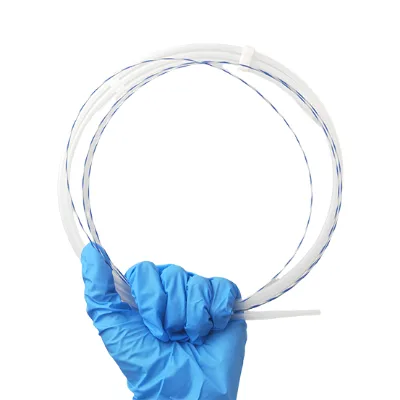


Disposable Aseptic Urinary Guide Wire Hydrophilic Guide Wire for Sterile Medical
$20.00 - $45.00
MOQ: 100 Pieces


Medical Disposable Non-Vascular Zebra Guide Wire, PTFE Coated Guide Wire
$4.20 - $21.00
MOQ: 100 Pieces


Nitinol Hydrophilic Guidewire with CE and FDA From Manufacturer Factory
$37.00 - $45.00
MOQ: 50 Pieces


Disposable Medical 150cm 260cm Hydrophilic Coated Guidewires for Endourology
$0.10 - $1.00
MOQ: 100000 Pieces
Comprehensive Sourcing Guide
CE Sterilized Disposable Hydrophilic Guidewire Sourcing Guide
Procuring ce sterilized disposable hydrophilic guidewires requires a disciplined approach to verifying both the physical properties of the device and the regulatory standing of the manufacturer. These instruments are critical components in minimally invasive surgical procedures, serving as tracks for catheters, stents, and other interventional tools. The hydrophilic coating is a defining feature, reducing friction to facilitate smooth navigation through complex vascular or urinary anatomy, while the sterile, single-use nature ensures patient safety by eliminating cross-contamination risks. Buyers must navigate a market where specifications vary significantly between models, ranging from small-diameter urinary guides to larger vascular wires, each with distinct mechanical requirements.
The sourcing process is further complicated by the diversity of manufacturing origins and packaging standards observed in current listings. While many suppliers operate from China, the specific materials, sterilization methods, and packaging configurations differ widely across product lines. Some products utilize plastic-only constructions, while others incorporate steel cores for enhanced torque control. Understanding these variations is essential for aligning procurement with clinical needs. Buyers must prioritize verification of the sterilization method, typically ethylene oxide for these devices, and ensure that the packaging maintains sterility until the point of use in the clinical setting.
Product Scope and Observed Listing Signals
The current market for these guidewires presents a wide range of models, with observed product identifiers including HPL-301, GWO, and various GWO series codes such as GWO-32-150A and GWO-25-150S. These model numbers often correspond to specific diameter and length combinations, which are critical for selecting the appropriate tool for a given procedure. For instance, listings indicate standard diameters ranging from 0.021 inches to 0.038 inches, with lengths extending from 150 cm to 260 cm. This variability allows for customization based on the anatomical site and the specific intervention being performed, whether it involves the urinary tract or vascular systems.
Packaging and material compositions also show significant diversity in available listings. Some products are packaged in simple paper cartons with a standard of one piece per bag, while others utilize more complex multi-layer packaging such as paper-poly pouches combined with outer cartons to ensure barrier integrity. Materials range from pure plastic to composite structures involving steel, which may offer different flexibility and pushability characteristics. The presence of logo printing options and OEM/ODM acceptability suggests that many manufacturers are equipped to handle private label orders, which is a common requirement for hospital networks and specialized medical distributors seeking brand consistency.
Technical Specifications to Verify
When evaluating technical specifications, the diameter and length of the guidewire are the primary determinants of its clinical utility. Buyers must verify that the selected model matches the required inner lumen size for the accompanying catheters or devices. Observed standards include diameters of 0.025 inches, 0.032 inches, and 0.035 inches, with corresponding lengths tailored to specific procedural depths. It is crucial to confirm whether the wire is designed for short, intermediate, or long procedures, as this affects the handling characteristics and the risk of kinking or buckling during insertion. The hydrophilic coating must be intact and properly hydrated to function correctly, so verifying the coating quality and durability is essential.
The structural composition of the guidewire, whether it is plastic-only or includes a steel core, significantly impacts its performance. Steel-core wires generally offer superior torque control and pushability, making them suitable for more complex anatomical navigations, while plastic wires may be preferred for their flexibility and reduced risk of vessel trauma in delicate procedures. Buyers should also check the color coding, which often aids in quick identification in the operating room, with blue and black being common colors observed in listings. Additionally, the instrument classification as Class II indicates a moderate risk level, requiring specific controls to ensure safety and effectiveness, which should be reflected in the product documentation.
Compliance and Safety Documentation
Regulatory compliance is non-negotiable for medical device procurement, particularly for sterile, single-use items. Buyers must verify that the supplier holds valid ISO certifications, such as ISO 13485 for medical device quality management systems, which is a standard expectation for reputable manufacturers. The presence of CE marking indicates conformity with health, safety, and environmental protection standards for products sold within the European Economic Area. However, buyers should not rely solely on the presence of a logo; they must request copies of the actual certificates and verify their validity through official databases to ensure they are current and cover the specific product models being purchased.
Sterilization verification is another critical compliance aspect. Ethylene oxide sterilization is a common method for these devices, as indicated in several listings, but buyers must ensure that the sterilization process is validated and that residual ethylene oxide levels are within safe limits. The packaging must maintain the sterile barrier until the point of use, so the integrity of the paper-poly pouches or plastic packages must be assessed. Additionally, the product should be clearly labeled with the expiration date, as the validity period is typically three years from the date of manufacture. Buyers should also confirm that the product is explicitly marked as disposable to prevent any risk of reuse, which could lead to infection or device failure.
Cost Drivers and Commercial Terms
The cost of ce sterilized disposable hydrophilic guidewires is influenced by several factors, including the complexity of the wire design, the materials used, and the volume of the order. Observed price ranges vary significantly, reflecting differences in quality, certification status, and supplier positioning. Buyers should expect prices to fluctuate based on the specific model and diameter, with more specialized or larger diameter wires potentially commanding higher prices. The minimum order quantity (MOQ) is another key commercial term, with observed ranges starting from as low as 1 piece up to 100,000 pieces, allowing for flexibility in procurement strategies for both small clinics and large hospital networks.
Lead times and delivery terms also play a significant role in the total cost of ownership. Standard delivery times are often cited as two to three weeks, but this can vary based on stock availability and the complexity of the order. Buyers should negotiate clear terms regarding shipping responsibilities, insurance, and liability for damaged goods, especially given the sterile nature of the products. Additionally, the availability of samples should be confirmed, as this allows for preliminary testing and verification of product quality before committing to a large purchase. Understanding these commercial dynamics helps in budgeting accurately and ensuring a steady supply chain for critical surgical procedures.
Supplier Qualification and Quality Control
Selecting a reliable supplier requires a thorough evaluation of their manufacturing capabilities and quality control processes. Buyers should prioritize suppliers who demonstrate a commitment to consistent quality through rigorous internal testing and adherence to international standards. The ability to provide OEM/ODM services indicates a level of manufacturing flexibility and professionalism, but it also requires careful oversight to ensure that custom specifications are met without compromising safety. Verification of the supplier’s production environment, including cleanliness and sterilization facilities, is essential to maintain the integrity of the sterile products.
Quality control should extend beyond the final product to include raw material sourcing and process validation. Buyers should inquire about the supplier’s procedures for handling deviations and their approach to continuous improvement. The presence of a quality guarantee period, typically three years as observed in listings, suggests a confidence in product durability and performance, but this should be backed by a clear warranty and return policy. Additionally, suppliers should be able to provide traceability information for each batch, allowing for quick identification and recall if any issues arise. Establishing a strong relationship with a supplier who prioritizes quality and transparency is crucial for long-term procurement success.
Long-Term Procurement Checks
Sustaining a successful procurement strategy for guidewires involves regular audits and performance reviews of both the product and the supplier. Buyers should monitor clinical feedback from surgeons and nurses regarding the handling, performance, and reliability of the guidewires in real-world settings. This feedback loop is essential for identifying any subtle issues that may not be apparent during initial testing, such as coating degradation or tip flexibility problems. Regularly reviewing the supplier’s certification status and compliance records ensures that they continue to meet evolving regulatory requirements and industry standards.
Inventory management and supply chain resilience are also key considerations for long-term procurement. Buyers should assess the supplier’s ability to maintain consistent supply during periods of high demand or global disruptions. Diversifying the supplier base, where possible, can mitigate the risk of stockouts and provide leverage in negotiations. Additionally, staying informed about technological advancements in guidewire design and materials can help buyers make informed decisions about upgrading their inventory. By maintaining a proactive approach to supplier management and product evaluation, buyers can ensure that they continue to provide safe, effective, and high-quality care to their patients.
FAQs
What is the valid time for this product?
The valid time is 3 years. This duration applies to the disposable sterile urinary guide wire before it expires, ensuring safety and efficacy for clinical use during this period.
Can I request OEM or ODM customization?
Yes, OEM and ODM options are available. Buyers can request custom branding or specific modifications, allowing suppliers to tailor the surgical supplies materials to meet unique procurement requirements.
What is the minimum order quantity required?
The minimum order quantity is 100 pieces. This MOQ applies to the standard packaging and ensures efficient production runs for the disposable medical grade guide wires supplied from China.
How is the product sterilized before delivery?
The product undergoes Ethylene Oxide Sterilization. This method ensures the surgical supplies materials are sterile and safe for minimally invasive surgical equipment applications in clinical settings.
Which certifications does the product hold?
The product holds ISOCE certification. This indicates compliance with specific standards for medical grade plastic and steel components used in the disposable urinary guide wire manufacturing process.
What is the typical delivery time for orders?
The delivery time is 2 to 3 weeks. This lead time covers production and packaging in paper cartons or plastic packages before shipping the surgical supplies materials to the buyer.
Is the product suitable for children and adults?
Yes, the product is suitable for all human groups including adults and children. Various sizes and specifications are available to accommodate different patient needs in clinical applications.