Source Transparent Waterproof Hemodialysis Catheter Protector for Hospitals, Clinics, and Surgery
Find and compare 30 Transparent Waterproof Hemodialysis Catheter Protector options from verified suppliers. Evaluate features like EO sterilization, material types, and customization to select the right medical supplies for hospital and clinic use.
Key considerations
Products List

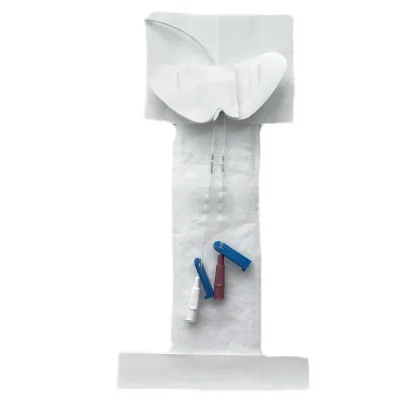


Secureline Ultrasoft Dialysis Catheter Gentleflow Hemodialysis Catheter
$22.00 - $24.00
MOQ: 1000 Pieces


Hemodialysis Catheterization Kits Hemodialysis Catheter for Hemodialysis Machine
$2.00 - $8.00
MOQ: 5000 carton
Comprehensive Sourcing Guide
Transparent Waterproof Hemodialysis Catheter Protector Sourcing Guide
Procuring transparent waterproof hemodialysis catheter protectors requires a nuanced understanding of both the protective function and the sterile integrity of the underlying medical device. These components serve as critical barriers in hemodialysis and surgical environments, shielding catheters from contamination while allowing visual inspection of the insertion site. Buyers must navigate a market where product attributes vary significantly, ranging from non-woven materials to specialized plastic constructions, each offering distinct advantages in terms of breathability, durability, and fluid resistance. The core challenge lies in identifying suppliers who can consistently deliver EO-sterilized products that meet rigorous hospital hygiene standards without compromising the transparency needed for clinical monitoring.
The sourcing landscape for these medical accessories is characterized by a wide range of specifications, including straight, curved, and pre-curved designs, as well as varying sizes and gauge standards. While the primary function remains protection, the specific application context—whether in a general hospital ward or an operating room—dictates the necessary features such as logo printing capabilities, customization options, and packaging formats. Buyers need to establish clear criteria for material composition, such as the distinction between plastic and non-woven fabrics, to ensure the selected protector aligns with the specific workflow and infection control protocols of their facility.
Product Scope and Observed Listing Signals
The observed market data indicates a diverse product range with prices spanning from $0.1 to $888 USD, reflecting variations in material quality, sterilization methods, and order volumes. Minimum Order Quantities (MOQs) typically range from 1 to 5,000 units, offering flexibility for both small-scale trial orders and large institutional procurement. High-confidence facts reveal that products are often labeled under generic terms like "Catheter Protective Pocket" or "Drainage Container/Tube," with model numbers such as C0625D and A002, suggesting that buyers must rely on detailed specification sheets rather than product titles alone to identify the exact item required.
Material composition is a key differentiator, with listings indicating the use of both plastic and non-woven materials. Plastic variants often provide superior waterproofing and durability, while non-woven options may offer enhanced breathability and comfort. The presence of features like "Ethylene Oxide Sterilization" and "EO Sterilezation" confirms that these products are intended for sterile medical use, requiring careful handling and storage to maintain their integrity. Buyers should verify the specific material properties against their clinical needs, ensuring that the protector provides adequate protection against fluids and pathogens while remaining compatible with the catheter system in use.
Technical Specifications to Verify
Technical verification must begin with the physical dimensions and structural design of the protector. Listings specify sizes such as 6cm*25cm and single package dimensions of 30X12X0.3 cm, highlighting the importance of matching the protector to the catheter length and diameter. The availability of straight, curved, and pre-curved types suggests that anatomical fit and ease of application are critical factors. Buyers should request detailed technical drawings or samples to confirm that the protector’s geometry allows for secure attachment and does not interfere with the dialysis procedure or patient mobility.
Sterility and shelf life are paramount for medical-grade protectors. Products are typically marked with a three-year shelf life and must be EO sterilized to ensure they are free from viable microorganisms. The classification as Class II medical devices and the designation as "Surgical Supplies Materials" underscore the regulatory scrutiny these items undergo. Buyers must verify that the sterilization process is validated and that the packaging maintains sterility until the point of use. Additionally, the transparency of the material should be confirmed to ensure it does not obscure the view of the catheter site, which is essential for early detection of complications such as infection or dislodgement.
Compliance and Safety Documentation
Regulatory compliance is non-negotiable for hemodialysis catheter protectors, with certifications such as CE, FDA, and ISO13485 serving as key indicators of quality and safety. These certifications demonstrate that the manufacturer adheres to stringent international standards for medical device design, production, and quality management. Buyers should request copies of these certificates and verify their validity with the respective issuing bodies to ensure that the supplier is authorized to market these products in their region. The presence of ISO13485 certification, in particular, indicates a robust quality management system focused on risk management and continuous improvement.
In addition to regulatory certifications, buyers must ensure that the products meet specific safety and performance standards relevant to their jurisdiction. The "universal" standard mentioned in some listings may refer to general compatibility, but buyers should clarify if the product meets specific national or regional standards for medical materials and accessories. Documentation should also include detailed instructions for use, storage conditions, and disposal guidelines to ensure proper handling by medical staff. Transparency in compliance documentation is essential for maintaining patient safety and avoiding regulatory penalties.
Cost Drivers and Commercial Terms
Cost structures for hemodialysis catheter protectors are influenced by material costs, sterilization processes, and order volume. The wide price range observed suggests that factors such as brand reputation, customization options, and packaging quality significantly impact the final price. Buyers should analyze the cost per unit in the context of the total value provided, considering factors such as shelf life, ease of use, and clinical outcomes. Customization options, such as logo printing and OEM services, may incur additional costs but can enhance brand visibility and streamline inventory management for large institutions.
Commercial terms, including delivery times and payment conditions, are critical for supply chain planning. Typical delivery times range from 7 to 15 days, which is relatively fast but may vary based on order size and stock availability. Buyers should confirm stock levels and lead times before placing orders to avoid disruptions in supply. Payment terms should be negotiated to balance risk and cash flow, with options such as letters of credit or escrow services providing additional security for large transactions. Clear communication regarding shipping methods and insurance coverage is also essential to ensure timely and safe delivery of sterile products.
Supplier Qualification and Quality Control
Supplier qualification involves a thorough assessment of the manufacturer’s capabilities, including their production facilities, quality control processes, and track record. Buyers should verify the supplier’s location, with many products originating from Shandong, China, and assess their ability to maintain consistent quality across batches. Quality control measures should include routine testing for sterility, material integrity, and dimensional accuracy. Buyers may request third-party test reports or conduct their own audits to ensure that the supplier’s quality management system is effective and compliant with relevant standards.
The availability of samples is a valuable tool for evaluating product quality before committing to large orders. Buyers should request samples to assess the material’s transparency, waterproofing, and ease of use. Feedback from clinical staff on the sample’s performance can provide insights into its suitability for daily use. Additionally, buyers should inquire about the supplier’s process for handling defects and returns, ensuring that there is a clear protocol for addressing any quality issues that may arise. A responsive and supportive supplier is essential for maintaining a reliable supply chain and addressing any operational challenges promptly.
Long-Term Procurement Checks
Long-term procurement success depends on establishing a robust supplier relationship and implementing regular performance reviews. Buyers should monitor key performance indicators such as delivery reliability, product quality, and responsiveness to issues. Regular audits and feedback sessions can help identify areas for improvement and ensure that the supplier continues to meet evolving clinical and regulatory requirements. Building a partnership based on mutual trust and clear communication can lead to better pricing, priority service, and collaborative innovation in product design.
Continuous monitoring of regulatory changes and market trends is essential for staying compliant and competitive. Buyers should stay informed about updates to medical device regulations and emerging technologies in catheter protection. This proactive approach allows for timely adjustments to procurement strategies and ensures that the facility remains equipped with the most effective and compliant products. By maintaining a focus on quality, compliance, and supplier collaboration, buyers can secure a reliable supply of hemodialysis catheter protectors that support patient safety and operational efficiency.
FAQs
What certifications do the catheter protectors hold?
The products hold FDA, ISO, SGS, and CE certifications. These quality certifications ensure compliance with international medical device standards for surgical supplies and hospital use.
Can I request a customized logo on the packaging?
Yes, customized logo printing is available for this product. Buyers can request specific branding on the box or carton packaging to meet their marketing needs.
How long is the shelf life of the catheter protector?
The shelf life is three years from the date of manufacture. This duration applies to the sterile, ethylene oxide sterilized items stored under proper conditions.
What is the typical delivery time for orders?
The delivery time ranges from 7 to 15 days after order confirmation. This lead time applies to stock items available for immediate shipment from the factory.
Are the products available in different sizes?
Yes, the products come in various sizes including 6cm by 25cm. Different specifications like 17/18/19/20Ga are available depending on the specific model required.
Is the product sterile when it arrives?
Yes, the items are ethylene oxide sterile upon delivery. This sterilization method ensures the medical materials are safe for use in hospitals and operation rooms.
What is the minimum order quantity for this item?
The minimum order quantity ranges from 1 to 5000 units. Buyers can select quantities based on their specific procurement needs and inventory requirements.