Find Cement Sewer Pipe Making Machine for Municipal, Industrial, and Construction
Explore 29 Cement Sewer Pipe Making Machine options to compare specifications, materials, and production capacities. This guide helps buyers evaluate equipment for municipal infrastructure, industrial applications, and construction projects; compare the available evidence and request quotations based on your requirements.
Key considerations
Products List


Roller Cement Concrete Pipe Making Machine Reinforced Cement Pipe Making Machine
$5500.00 - $29999.00
MOQ: 1 Pieces

Cement Pipe Forming Machine Cement Pipe Making Machine China Manufacturer
$5500.00 - $29999.00
MOQ: 1 Pieces


Automatic Culvert Cement Pipe Making Machine Drain Pipe Making Machine
$5500.00 - $29999.00
MOQ: 1 Pieces

Drainage Pipe Making Machine Centrifugal Concrete Pipe Making Machine
$5500.00 - $29999.00
MOQ: 1 Pieces
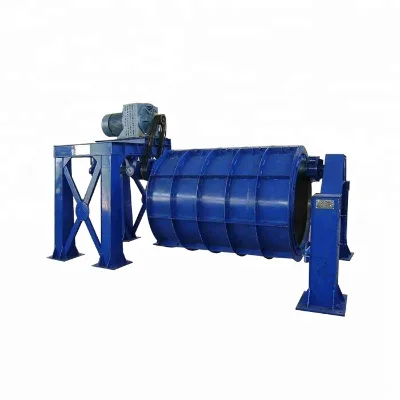


Sy1000 Concrete Pipe Making Machine, Vertical Type Pipe Making Machine
$7000.00 - $10000.00
MOQ: 1 Pieces


$24000.00 - $25000.00
MOQ: 1 set


Pipe Maker Reinforced Concrete Pipes Making Machine Tube Making Machine
$15000.00 - $25000.00
MOQ: 1 Pieces

Steel Pipe Making Machine Steel Pipe Making Machine Pipe Making Machine
$100000.00 - $150000.00
MOQ: 1 Sets
Zhangjiagang Zhongyue Metallurgy Equipment Technology Co., Ltd.


Round Pipe Making Machine/Pipe Welding Machine
$60000.00 - $200000.00
MOQ: 1 Sets
Botou Boheng Metallurgical Equipment Manufacturing Co., Ltd.
Comprehensive Sourcing Guide
Cement Sewer Pipe Making Machine Sourcing Guide
Procuring a Cement Sewer Pipe Making Machine requires distinguishing between various production line configurations, as the market offers distinct units ranging from simple molding machines to comprehensive pipe production lines. Buyers must first identify whether their project demands a dedicated pipe mill for continuous manufacturing or a specific molding machine designed for precast concrete segments. The observed product data indicates that these machines often utilize raw materials such as cement, sand, water, and crushed stone, necessitating a clear understanding of the specific output requirements before engaging with suppliers.
The commercial landscape for these industrial assets shows a significant price variance, with observed listings spanning from approximately $999 to $200,000, reflecting differences in automation levels and production capacity. While some units are listed with a minimum order quantity of just one piece, others may require higher volumes or specific customization agreements. Buyers should carefully analyze the listed price range against the machine's stated weight and voltage specifications to ensure the equipment matches their facility's power infrastructure and logistical capabilities.
Product Scope and Observed Listing Signals
When evaluating product listings, buyers should note that the core keyword often encompasses a broad spectrum of machinery, including pipe production lines, pipe molding machines, and pipe mills. The observed data reveals that these units are frequently categorized by their application in industry or decoration, with some models specifically designed for vertical or horizontal production types. It is critical to verify the exact type of machine listed, as a "pipe mill" may serve a different function than a "concrete batching machine" which is sometimes listed as a related or integrated component in the same supply chain.
Listing signals also vary regarding the final product specifications, with some machines capable of producing pipes with diameters ranging from 100mm to 2400mm, while others are limited to specific models like DN300 or Pex100. The observed product attributes indicate that joint types can include spigot socket, spun collar, flush joint, or flat joint configurations, which directly impacts the suitability of the machine for specific sewer network standards. Buyers must cross-reference the listed diameter and joint capabilities with their project engineering drawings to avoid purchasing a unit that cannot produce the required pipe geometry.
Technical Specifications to Verify
Technical due diligence must begin with the machine's voltage requirements, as the observed data lists options ranging from 380V to 220V/380V/440V or custom requests. A mismatch between the supplier's electrical specifications and the buyer's site power supply can lead to costly retrofitting or operational failure. Additionally, the weight of the machinery, which ranges from 10 tons to 30,000 kg in observed listings, dictates the necessary foundation strength and the complexity of the shipping logistics required to transport the unit to the installation site.
Buyers must also scrutinize the production capacity and standard dimensions, as some listings specify a capacity of 150 pieces per eight hours while others provide layout drawings for custom configurations. The standard inner diameter capabilities observed vary significantly, with some units supporting a range of 100-800mm and others capable of 300-2400mm. Verifying the theory of operation, such as inverter-driven systems, and the specific raw material compatibility, including Q345 steel or concrete mixes, ensures the machine can meet the throughput and material quality demands of the intended sewer infrastructure project.
Compliance and Safety Documentation
Compliance verification is essential when sourcing heavy industrial machinery, particularly given that some observed listings explicitly mention ISO9001 certification. While this certification indicates a quality management system, buyers must confirm that the specific machine model adheres to local safety regulations and electrical standards in their destination country. The presence of a certification on a listing does not automatically guarantee that the specific unit being shipped meets all current safety protocols, so requesting the latest test reports and safety manuals is a mandatory step before finalizing any purchase.
Documentation regarding the machine's origin and production standards is equally critical, as observed data points to origins in China, Shandong, and Guangxi, with standards ranging from specific dimensions like 184017004000mm to fully customized requirements. Buyers should request detailed layout drawings and technical manuals that explain the machine's operation and safety interlocks, ensuring that the equipment can be operated safely by local staff. Without comprehensive documentation, the risk of non-compliance with local occupational health and safety laws increases significantly, potentially leading to operational shutdowns or legal liabilities.
Cost Drivers and Commercial Terms
The total cost of ownership for a Cement Sewer Pipe Making Machine is influenced by several factors beyond the initial purchase price, including the complexity of customization and the specific packing requirements. Observed listings show packing options ranging from standard seaworthy packing to containerized or 40HQ/40OT shipments, which directly impacts freight costs and insurance premiums. Buyers should calculate the total landed cost by factoring in these shipping variables, as the weight and dimensions of the machine can drastically alter the logistics expenses associated with international transport.
Commercial terms also vary based on the level of customization requested, with some suppliers offering standard models while others provide fully customized solutions for specific pipe diameters or joint types. The observed minimum order quantity of 1 to 10 units suggests flexibility, but buyers must clarify whether the price includes the provision of layout drawings or if these are separate line items. Understanding the payment terms and the scope of the supplier's support, such as whether they provide installation guidance or just the machine, is vital for accurate budgeting and avoiding unexpected expenses during the procurement process.
Supplier Qualification and Quality Control
Supplier qualification should focus on verifying the manufacturer's ability to deliver consistent quality, as evidenced by the presence of ISO9001 certification in some listings. Buyers must request proof of this certification and inquire about the specific quality control processes used during the manufacturing of the pipe production line or molding machine. It is important to distinguish between a trading company and a direct manufacturer, as the latter is more likely to provide accurate technical support and spare parts availability for complex machinery like concrete pipe making units.
Quality control extends to the verification of the machine's physical attributes, such as the material composition and the precision of the pipe diameter specifications. Since observed data lists materials like Q345 steel and various concrete mixes, buyers should request material certificates to ensure the structural integrity of the machine components. Additionally, verifying the supplier's ability to provide a layout drawing and their experience with the specific pipe joint types, such as spigot socket or rabbet joint, ensures that the equipment will perform reliably in a real-world industrial setting.
Long-Term Procurement Checks
Long-term procurement success depends on establishing a clear framework for after-sales support and spare parts availability, which is often overlooked during the initial negotiation phase. Buyers should explicitly confirm the supplier's policy on providing replacement parts for critical components like the inverter or molding mechanisms, as these machines are subject to heavy wear and tear in continuous production environments. Without a reliable supply chain for spare parts, the downtime associated with a single component failure can severely impact the overall productivity of the sewer pipe manufacturing operation.
Buyers must also plan for the scalability of their procurement strategy, considering that observed product models range from specific units like HAIYU-3 to fully customized production lines. It is advisable to negotiate terms that allow for future upgrades or the addition of related machines, such as concrete batching machines, to expand production capacity without requiring a complete system overhaul. Establishing a long-term relationship with a supplier who understands the specific needs of the cement sewer pipe industry ensures that the buyer can adapt to changing market demands and regulatory requirements over time.
FAQs
What pipe diameters can a Cement Sewer Pipe Making Machine produce
Machines typically produce pipes with diameters ranging from 300mm to 2400mm. Some models support custom diameters based on specific project requirements. Buyers should verify the exact range against their infrastructure needs to ensure compatibility with existing sewer systems and local engineering standards.
What raw materials are required for operating a cement pipe machine
The primary raw materials include cement, sand, water, and crushed stone. These components are mixed in specific ratios to form the concrete used for pipe production. Ensuring consistent quality of these inputs is essential for maintaining the structural integrity and durability of the final sewer pipes.
Can cement sewer pipe making machines be customized for specific needs
Yes, customization is available for many pipe production lines. Buyers can request specific pipe joint types such as spigot socket or flush joints. Customization may also extend to pipe diameter and wall thickness, allowing manufacturers to tailor the output to precise engineering specifications and project requirements.
What is the typical production capacity of a cement pipe machine
Production capacity varies by model, with some units producing up to 150 pipes in eight hours. This rate depends on the pipe diameter and wall thickness being manufactured. Buyers should assess their project volume to select a machine with sufficient throughput to meet construction deadlines efficiently.
What voltage options are available for cement pipe making machines
Machines are available with voltage options including 220V, 380V, and 440V. Some suppliers offer configurations based on buyer requests to match local power infrastructure. Verifying the electrical requirements of the production site is crucial to ensure safe and efficient operation of the equipment.
What packaging methods are used for shipping cement pipe machines
Standard seaworthy packing is commonly used to protect the machinery during transit. Some suppliers offer container packing, such as 40HQ or 40OT containers, or ship by sea and land. Buyers should confirm packaging details to ensure the equipment arrives in good condition and fits within their logistics plan.
Which certifications should buyers look for in cement pipe machine suppliers
Buyers should look for suppliers with ISO9001 certification, which indicates adherence to international quality management standards. This certification helps ensure that the manufacturing process is consistent and that the equipment meets specified performance and safety requirements. Verifying these credentials reduces procurement risk.