Source Custom Logo Cheerleading Uniform for Teams, Gyms, and Events
Compare 30 options for Custom Logo Cheerleading Uniform featuring polyester materials, sublimation printing, and OEM services. Buyers can review models like CLS048 and BS8006 with flexible MOQs and lead times for youth and adult teams; compare the available evidence and request quotations based on your requirements.
Key considerations
Products List





Comprehensive Sourcing Guide
Custom Logo Cheerleading Uniform Sourcing Guide
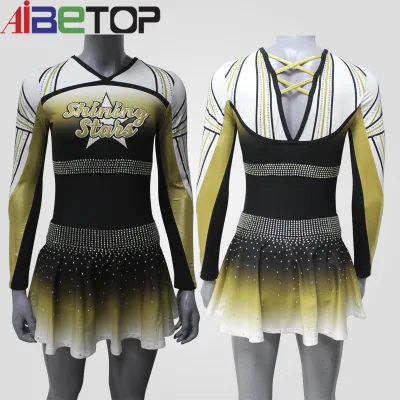
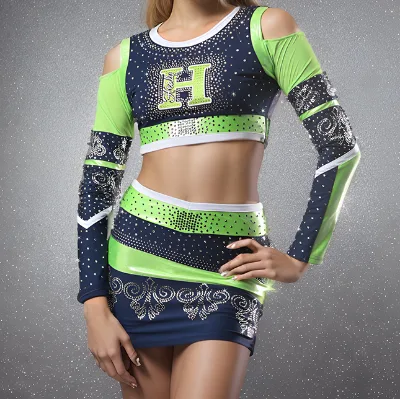
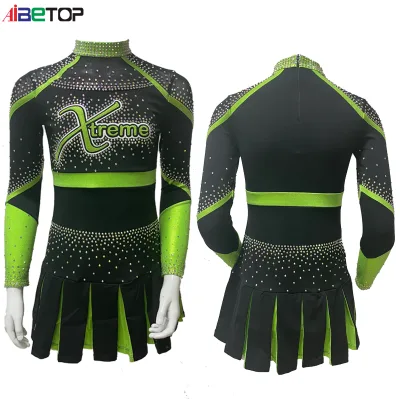
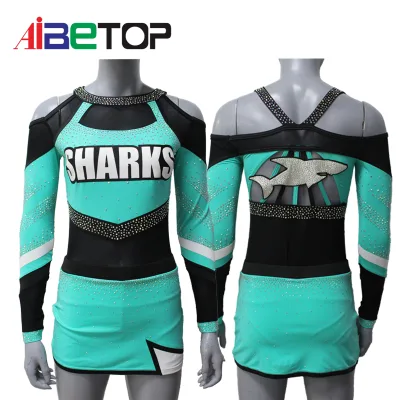
Custom logo cheerleading uniforms are performance garments produced primarily through sublimation and cut-and-sew construction, allowing team names, sponsor marks, and full-color graphics to be integrated directly into the fabric. The listings observed for this category are manufactured in Guangzhou, China, by suppliers identifying themselves as manufacturers, and they typically cover cheerleading alongside adjacent uses such as ball sports, fitness, gym training, dancing, and tennis. This breadth matters to buyers because it signals suppliers whose production lines are built around stretch sportswear rather than formalwear, which affects pattern grading, seam construction, and how logos survive repeated stretching and washing.
This guide is written for team managers, clubs, distributors, and promotional buyers who need to move from a first inquiry to a repeatable reordering process. Each section below breaks the sourcing decision into a discrete step: scoping what the market actually offers, verifying technical details, checking documentation, understanding commercial terms, qualifying suppliers, and planning for long-term replenishment. Treat the attributes described here as observations from product listings, not as guarantees that any specific supplier or product satisfies them — every point should be confirmed directly with your chosen manufacturer before placing a production order.
Product Scope and Observed Listing Signals
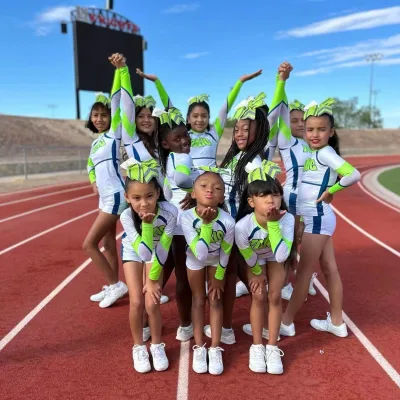
The listings in this category span cheerleading uniform sets with both tops and bottoms, including high-waisted bottoms and pullover tops with round collars and short sleeves. Observed attributes include quick-drying, moisture-wicking, breathable, and anti-UV fabric performance claims, polyester construction, and plaid patterns for spring and autumn seasons. Sizes are frequently listed as customizable, with age groups described as ranging from child to adult, making this a category that serves youth squads as well as senior teams. Model numbers such as CLS048, CLT011, CLS006, CL029, CL044, CL028, and BS8006 appear in listings, suggesting established base styles that can be modified rather than fully bespoke development.
Packaging is generally one set per polybag, or one set per plastic bag with 50 sets per carton, sometimes stated as adjustable to your request. The observed price range runs from roughly USD 0.5 to USD 75, which is wide enough to indicate that product scope varies substantially — a single piece at the low end versus a complete decorated set at the high end. When comparing listings, normalize for what is actually included: top only, skirt or pants only, or a full set, and whether customization is included in the listed price or quoted separately after artwork review.
Technical Specifications to Verify
Begin with fabric. Polyester is the observed base material, but you should confirm fabric weight (GSM), stretch percentage, and whether the supplier uses a specific blend for the top versus the skirt. Performance claims of quick-drying, moisture-wicking, breathability, and anti-UV protection should be backed by the supplier's own test references rather than accepted as listing copy. Ask which printing method applies to your design: sublimation, cut and sew, or a combination. Sublimation is standard for all-over graphics, but confirm the ink source — at least one listing notes print ink imported from Korea, which the supplier positions as a quality point worth probing.
Next, verify construction and fit details against your design. Confirm collar type (round collar in observed listings), sleeve type, waist style (high-waisted bottoms appear in listings), front fly type (pullover), and garment length (medium in one listing). Request a size chart with actual garment measurements per size rather than labeled sizes alone, since grading from child to adult sizes is a common failure point. Ask how logos and team names are applied — one listing references customized logos and team names such as "Healong or your own" — and request a pre-production sample in your actual size range before approving bulk production.
Compliance and Safety Documentation
Documentation requirements vary by market, so start by defining which regulations apply to your destination rather than accepting generic claims. One observed listing references the SGS standard and another states that products follow custom or client requirements, which means the compliance burden largely falls on the buyer to specify what is needed. Ask the supplier for their most recent SGS or equivalent third-party test reports covering the actual fabric and ink systems used, and confirm the report dates and which fabric lots they cover. Treat low-confidence signals such as OEKO-TEX mentions as items to verify with certificates, not as established facts.
Beyond textile testing, clarify restricted substances relevant to children's garments if your order includes youth sizes, since the observed age range extends from child to adult. Request declarations for dyes, sublimation inks, and trims such as elastic and labels, and ask whether the factory can support client-specified test protocols when you provide them. If your organization requires additional screening — for example, flammability or labeling rules in your market — state these requirements in the purchase contract as conditions of acceptance. Suppliers who state "custom or client's requirement" as their standard are generally signaling flexibility; use that by putting your documentation demands in writing before the deposit is paid.
Cost Drivers and Commercial Terms
Observed pricing in this category ranges from approximately USD 0.5 to USD 75, with minimum order quantities from 1 to 200. At least one listing sets a 10-set MOQ, another states 10 pieces per style, and several advertise a single sample available. Understand what moves you across this range: garment coverage (single piece versus full set), decoration complexity, fabric weight, size curve breadth, and order quantity. Sublimation allows multiple designs in one run, but per-unit cost still improves with volume, so ask for a tiered quotation showing price breaks at your realistic reorder quantities rather than a single quote at the minimum.
Observed commercial terms include payment by WU (Western Union) and HSBC transfer, sample fees stated as EXW 50 USD in one listing, and shipping via DHL, TNT, and FedEx. Sample lead times are listed at within 1–2 weeks and production lead times at 2–3 weeks, which are tight enough that you should confirm whether they assume artwork approval and fabric availability upfront. Clarify Incoterms (EXW appears in at least one listing), who clears export documentation, and how air freight costs for carton-heavy uniform orders are calculated. Put sample fees, lead times, and payment terms into the proforma invoice so they are enforceable, and confirm whether the sample fee is credited against bulk orders.
Supplier Qualification and Quality Control
Qualify suppliers as manufacturers rather than traders where possible — several listings state "Supplier Type: Manufacture" and locate production in Guangzhou, Guangdong, China. Verify this by asking for factory details, business license information, and whether OEM service is offered, which appears in at least one listing. Assess capability through evidence rather than claims: request photos of actual sublimation production, ask which of the listed model numbers (such as CLS048 or CL029) they produce in-house, and check whether they regularly serve teams needing child-to-adult size grading. A supplier whose category breadth includes cheerleading, dance, tennis, and gym wear likely has relevant stretch-garment experience.
For quality control, structure a three-stage check. First, approve a counter-sample and record every specification — fabric, measurements, logo placement, stitching density — as the sealed reference. Second, require a pre-production sample in bulk fabric so ink penetration and stretch recovery are tested on production material. Third, define an inspection protocol before shipment: check size measurements across the child-to-adult curve, color consistency between tops and bottoms, logo durability after a stretch and wash cycle, and carton packing against the stated 1 set per bag, 50 sets per carton standard or your agreed variant. Agree on the AQL sampling level and remedy procedure in writing.
Long-Term Procurement Checks
Plan reorders around the supplier's stated lead times rather than your season calendar alone. With sample lead times of 1–2 weeks and production of 2–3 weeks, a mid-season top-up order placed after rosters finalize leaves little buffer for shipping and customs, especially for youth programs with fixed competition dates. Ask the supplier to retain your design files, size-grade specifications, and color standards on file, and confirm how long they guarantee reproducibility. Sublimation color can shift between production runs, so request a batch comparison against your approved sample whenever you reorder after several months.
Finally, reduce dependency risk before you scale. Confirm whether the manufacturer can hold or quickly re-source the specific polyester fabrics used in your approved sample, since fabric substitution is the most common cause of fit and color drift on repeat orders. Negotiate terms that improve with tenure — for example, sample fee waivers on reorders, better price tiers at cumulative volumes, or consigned packaging variants such as custom polybag printing. Keep a second qualified supplier familiar with your specifications as contingency, and archive your own records of test reports, sealed samples, and inspection results so that any manufacturer can be audited against the same standard year after year.
FAQs
Can I customize the logo on the uniform?
Yes, the logo can be customized to your specific design requirements. The product supports custom logos and allows for team names like Healong or your own brand. This customization is available for various styles including casual and party occasions.
What is the minimum order quantity for this item?
The minimum order quantity is typically 10 pieces for one style. Some suppliers also offer a sample availability with a fee of 50 USD. This low MOQ allows buyers to test the product quality before committing to larger bulk orders.
How long does production take for these uniforms?
Production lead time is generally 2 to 3 weeks after sample approval. Samples can be prepared within 1 to 2 weeks. This timeline ensures quality control while meeting standard delivery expectations for custom orders from Guangzhou, China.
What materials are used to make these uniforms?
The uniforms are primarily made from polyester fabric. This material offers quick-drying, moisture-wicking, and breathable properties suitable for sports. The fabric also includes anti-UV features to protect wearers during outdoor activities like cheerleading or gym sessions.
Which shipping methods are available for delivery?
Available shipping methods include DHL, TNT, and FedEx for express delivery. These options ensure fast and reliable transport of your order. The supplier is located in Guangzhou, China, facilitating efficient logistics for international buyers seeking custom cheerleading uniforms.
What certifications do the products meet?
Products meet SGS standards as a documented certification. The manufacturing process follows custom or client requirements to ensure quality. While some background mentions OEKO-TEX, the confirmed standard for these items is SGS, ensuring safety and compliance for buyers.
Can I get a sample before placing a bulk order?
Yes, samples are available with a fee of 50 USD under EXW terms. This allows you to verify the quality and customization options before committing to a larger order. The sample lead time is within 1 to 2 weeks for quick evaluation.