Source Chrome Square Pop Up Waste for Basins, Sinks, and Washbasins
Explore 30 listings for the Chrome Square Pop Up Waste designed for basins, sinks, and washbasins. Buyers can compare materials like brass and zinc, surface treatments including chrome plating, and specifications such as 1 1/4 inch sizes to find the right fit.
Key considerations
Products List
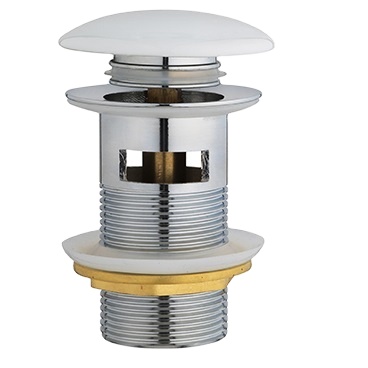
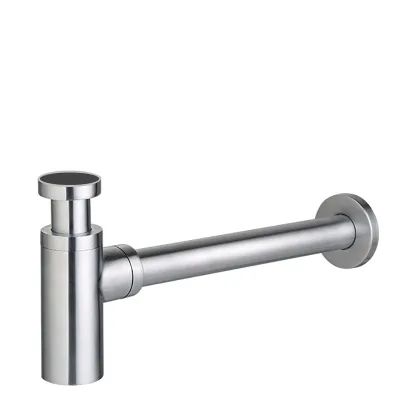


Exporter of Basin Pop up Waste Spares with Chrome Overflow for Plumbing Drain System
$0.50 - $10.00
MOQ: 3000 Pieces


with Round Overflow Pop up Drain Waste for Bathroom Basin Overflow Cover
$1.00 - $2.00
MOQ: 200 Pieces


Comprehensive Sourcing Guide
Strategic Sourcing Guide for Chrome Square Pop-Up Waste Systems
Procuring specialized plumbing components like chrome square pop-up waste systems requires a rigorous approach that balances aesthetic requirements with functional reliability. In the B2B market, buyers often seek specific finishes and mechanisms to match modern interior design trends while ensuring long-term durability in high-traffic environments. The following guide synthesizes available product attributes and industry standards to provide a structured framework for evaluating suppliers and specifications. This analysis focuses on the intersection of material science, surface treatment, and supply chain logistics to ensure procurement decisions are grounded in verified data rather than marketing assertions.
Material Composition and Surface Treatment Verification
The foundation of a reliable waste system lies in its material composition and the quality of its surface treatment. Based on observed product attributes, the primary materials utilized in this category are Brass and Zinc. Brass is frequently cited as the standard for high-performance plumbing fixtures due to its corrosion resistance and machinability, while Zinc offers a cost-effective alternative with decent structural integrity. Buyers must verify the specific alloy composition, as the presence of lead or other impurities can affect both safety and longevity.
The aesthetic requirement for a "chrome" finish is achieved through specific surface treatments. The data indicates that "Chrome Plated" and "Polished" are the primary processes observed. Chrome plating provides a bright, reflective surface that is highly resistant to tarnishing and scratching, which is essential for maintaining the visual appeal of a bathroom or kitchen. The "Brushed Chrome" and "Brushed Nickel" variations offer a matte alternative that hides water spots better than a high-gloss finish. When evaluating suppliers, procurement teams should request cross-sectional analysis or plating thickness reports to ensure the chrome layer is sufficient to prevent the underlying metal from corroding over time. The "Silver" color attribute observed in some listings suggests a variation in plating quality or a different base metal finish that may not meet the strict definition of a chrome aesthetic.
Technical Specifications and Functional Attributes
Technical specifications define the operational boundaries of the product. The observed data highlights a standard size of 1 1/4" (or 11/4"), which is the industry standard for basin and sink waste outlets. This dimension is critical for compatibility with existing plumbing infrastructure. The "Flange Size" is noted as 66mm in specific models, a detail that buyers must cross-reference with their sink cutouts to ensure a proper fit.
The mechanism type is a "Push Down Pop-up" system, which is the most common configuration for basin waste. This mechanism relies on a rod and a stopper assembly to control water flow. The "Overflow" attribute indicates that some models are "Without Overflow Unslotted," meaning they are designed for basins that do not have a secondary drain hole. Conversely, other models may be designed for overflow-capable sinks. The "Odour Proof" attribute presents a variable; some listings specify "Odour Proof" while others state "Not Odour Proof." This distinction is vital for buyers sourcing products for residential versus commercial applications, as odor control is a key performance metric in hospitality and healthcare settings.
Furthermore, the "Wastewater Type" varies between "Domestic Wastewater" and "Rain," suggesting that some units may be engineered for broader drainage applications, though the primary use case remains "Basin" and "Sink." The "Kind" attribute also lists "Manhole Cover" in some contexts, which may indicate a broader product line or a classification error that requires clarification during the supplier qualification process.
Design Aesthetics and Application Scope
The design style of these components plays a significant role in their marketability. The observed attributes include "Modern" and "Traditional" design styles, alongside a specific "Style" of "Drains" and "Strainer." The "Shape" is predominantly "Round," yet the core keyword specifies "Square." This discrepancy suggests that while round shapes are common, square variants exist and may require specific model numbers like "D8623" or "D863709" to identify. Buyers seeking square pop-up wastes must be vigilant in filtering product catalogs, as the default inventory often leans toward traditional round designs.
The application scope is primarily "Indoor," specifically for "Washbasin" usage. The "Project Solution Capability" includes "graphic design," which implies that suppliers may offer customization services for branding or specific project layouts. The "Customization" attribute is marked as "Available," allowing buyers to request specific finishes, packaging, or minor dimensional adjustments. However, the "Selling Units" are listed as "Single item," indicating that while customization is possible, the base unit is sold individually rather than in bulk kits.
Cost Drivers and Supply Chain Logistics
Understanding the cost structure is essential for effective budgeting. The observed price range spans from $0.50 to $53.00 USD, a wide variance that reflects differences in material quality (Brass vs. Zinc), plating thickness, and brand positioning. The "Brand Name" "kingchun" appears in the data, representing a specific manufacturer, but buyers should not limit their search to a single entity. The "MOQ" (Minimum Order Quantity) ranges from 100 to 3000 units, indicating that small retailers may face higher per-unit costs or stricter volume requirements compared to large distributors.
Logistics parameters are equally critical. The "Place of Origin" is consistently "Zhejiang, China," a major manufacturing hub for plumbing fixtures. The "Deliver time" is stated as "Within 30 days," which serves as a baseline for lead time expectations. However, the "Sample time" is shorter, at 3 to 5 days, allowing buyers to evaluate product quality before committing to large orders. The "Single package size" is substantial, at 50x33x35 cm, with a "Single gross weight" of 15.000 kg. These figures suggest that shipping costs will be a significant factor, particularly for air freight, and that sea freight is likely the preferred method for international procurement. The "prod_packing" varies from "export packing" to "Carton" or "1PC/Bag/White Box or Blister Card," which impacts both protection during transit and the retail presentation of the final product.
Supplier Evaluation and Quality Assurance
Evaluating suppliers requires a multi-faceted approach that goes beyond price comparison. The "After-sale Service" is listed as "Online Technical Support," which is a standard offering but may be insufficient for complex installation issues. Buyers should verify if the supplier provides on-site support or detailed installation manuals. The "Warranty" period is noted as "2 Years," a benchmark that should be confirmed in the contract.
Quality control measures must be rigorous. The "Feature" of "Easy to Clean" is a key selling point, but it must be validated through physical testing. Buyers should request samples to test the smoothness of the pop-up mechanism and the durability of the chrome plating under abrasive conditions. The "Standard" attribute lists "1-1/4"" as a product standard, but buyers should also inquire about compliance with international plumbing codes (such as ASME A112.18.1 in the US or WRAS in the UK) to ensure the product meets local regulatory requirements. The "prod_standard" field in the data is somewhat generic, so explicit verification of certification status is necessary.
Long-Term Procurement Considerations
Sourcing decisions should be viewed through a long-term lens. The "Odour Proof" capability is a critical differentiator for long-term satisfaction. A system that fails to seal properly will lead to unpleasant odors and potential pest issues, damaging the reputation of the end-user or the contractor. Similarly, the "Wastewater Type" classification ensures that the product is suitable for the intended environment; using a domestic-grade unit in a high-flow commercial setting could lead to premature failure.
The "Design Style" evolution is another consideration. While "Modern" and "Traditional" styles are currently observed, market trends shift rapidly. Buyers should assess the supplier's ability to adapt to new design trends, such as matte black finishes or smart plumbing integration. The "Customization" availability is a strong indicator of a supplier's flexibility, but it often comes with higher MOQs or longer lead times.
Comparative Analysis of Product Attributes
To facilitate decision-making, the following table summarizes the key attributes observed in the market for chrome pop-up waste systems. This comparison highlights the variability in specifications that buyers must navigate.
| Attribute Category | Observed Options | Critical Verification Point |
|---|---|---|
| Material | Brass, Zinc | Verify alloy grade and lead content. |
| Surface Finish | Chrome Plated, Polished, Brushed Chrome | Check plating thickness and adhesion. |
| Size | 1 1/4", 11/4" | Confirm flange diameter (e.g., 66mm). |
| Mechanism | Push Down Pop-up | Test rod tension and stopper alignment. |
| Odour Control | Odour Proof, Not Odour Proof | Verify seal integrity and trap design. |
| Overflow | Without Overflow Unslotted | Match with sink cutout specifications. |
| Origin | Zhejiang, China | Confirm factory audit and quality history. |
| Warranty | 2 Years | Review terms and claim process. |
| Packaging | Export Packing, Carton, Blister Card | Assess protection level for shipping. |
| Lead Time | Within 30 days | Confirm production capacity and delays. |
Conclusion
Sourcing chrome square pop-up waste systems involves a careful balance of aesthetic demands, technical specifications, and supply chain reliability. The data indicates a market dominated by Brass and Zinc materials with Chrome Plated finishes, originating primarily from Zhejiang, China. Buyers must navigate a wide price range and varying MOQs while ensuring that critical attributes like odour proofing and overflow compatibility are met. By focusing on verified material standards, requesting comprehensive samples, and establishing clear communication regarding customization and warranty, procurement teams can secure high-quality products that meet both immediate project needs and long-term performance expectations. The absence of specific certification data in the general observations underscores the need for buyers to actively request and validate compliance documentation before finalizing any purchase order.
FAQs
What material is used for Chrome Square Pop Up Waste?
The primary materials used are brass and zinc. Brass offers superior corrosion resistance while zinc provides a cost-effective alternative, so buyers should verify the specific alloy composition before ordering.
How long does it take to receive samples?
Samples can be prepared within 3 to 5 days. This short lead time allows buyers to evaluate product quality and finish before committing to larger production orders or bulk shipments.
Which surface treatments are available for these units?
Common treatments include chrome plating and polishing. Chrome plating provides a bright, reflective finish resistant to tarnishing, while polished surfaces offer a different aesthetic that may require specific maintenance.
Can buyers request customization for these waste systems?
Yes, customization is available for specific orders. Buyers can request adjustments to finishes or packaging, though this may involve higher minimum order quantities or slightly extended lead times compared to standard items.
What is the standard size for basin waste outlets?
The standard size is 1 1/4 inches. This dimension ensures compatibility with most existing plumbing infrastructure, but buyers must also check the specific flange size, such as 66mm, for a proper fit.
How long is the warranty period for these products?
The standard warranty period is 2 years. Buyers should confirm the specific terms and claim process in the contract to ensure coverage for potential defects or performance issues during the warranty duration.
What is the typical delivery time for bulk orders?
Delivery typically occurs within 30 days. This timeline serves as a baseline for planning, though actual lead times may vary based on production capacity and the specific customization requirements of the order.