Source Class II Invisible Blister Pads for Heels, Fingers, and Toes
Find and compare Class II Invisible Blister Pads from 30 verified suppliers. Evaluate options including hydrocolloid and PU materials for heel, finger, and toe blister prevention, reviewing certifications like CE and ISO 13485 to select the right wound healing cover for your needs.
Key considerations
Products List
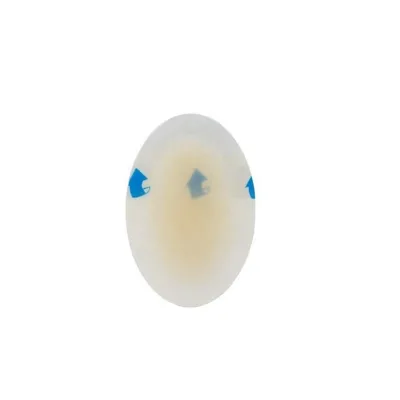


Blister Cushion Bandages, Waterproof Adhesive Blister Pads for Protecting Foot Toe
$0.15 - $0.18
MOQ: 50000 Pieces


Waterproof Ultra-Thin Adhesive Blister Pads, Gel Blister Cushions for Fingers,
$0.02 - $0.08
MOQ: 10000 Pieces
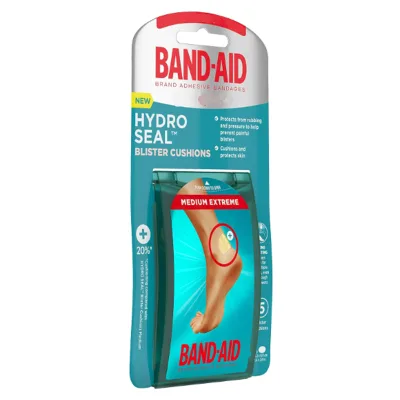


Revention Pads Tape Hydrogel Bandage Band Aids Hydrocolloid Blister Plaster
$0.13 - $0.20
MOQ: 1000 Pieces


Comprehensive Sourcing Guide
Class II Invisible Blister Pads Sourcing Guide
Procuring Class II Invisible Blister Pads requires a nuanced understanding of regulatory classifications, material science, and supply chain transparency. While the core keyword specifies "class II," the observed market data presents a complex landscape where products are frequently listed under Class I or generic medical accessory categories. Buyers must navigate this discrepancy carefully, ensuring that the regulatory classification of the final product aligns with local health authority requirements, such as those from the FDA or EU MDR. The term "invisible" typically refers to the aesthetic and tactile properties of the dressing, often achieved through transparent film or hydrocolloid materials that blend with skin tone, but this marketing term does not dictate the regulatory class. Therefore, the primary sourcing challenge lies in verifying that the physical product matches the claimed regulatory status and performance characteristics.
The procurement process for these items involves evaluating a wide range of suppliers, primarily located in manufacturing hubs like Jiangsu and Hubei in China. The observed product count of 30 items indicates a niche but active market segment, with significant variations in material composition, from gel-based adhesives to 100% PU films and hydrocolloids. Buyers should approach this category with a verification-first mindset, recognizing that listing titles may not always reflect the true technical specifications or compliance status of the goods. Establishing clear communication channels with suppliers to confirm the exact nature of the "invisible" feature and the intended use case is essential before committing to any purchase order.
Product Scope and Observed Listing Signals
The observed product listings reveal a diverse array of blister care solutions, ranging from transparent film wound dressings to specialized foot blister pads and emergency supplies. Key attributes identified include materials such as gel, 100% PU, and hydrocolloid, each offering distinct benefits in terms of adhesion, breathability, and moisture management. For instance, hydrocolloid pads are noted for their ability to create a moist healing environment, while PU films provide a waterproof barrier. The size specifications vary significantly, with dimensions ranging from small patches like 2.56.5cm to larger formats such as 4469mm, indicating that buyers must select products based on the specific anatomical area and blister size they intend to treat.
Listing signals also highlight important commercial and logistical details, such as the availability of customization, OEM/ODM services, and sample provisions. Many suppliers offer free samples, which is a critical step in the sourcing process for evaluating the "invisible" quality and adhesive performance of the pads. However, discrepancies exist in the reported stock status, with some items marked as "No Stock" while others indicate availability. Additionally, the observed price range of 0.01-2.26 USD and MOQs ranging from 1 to 300,000 pieces suggest a market that caters to both small-scale trial orders and large-volume industrial procurement. Buyers should interpret these signals as indicators of supplier flexibility rather than fixed market rates, as final pricing will depend on volume, customization, and shipping terms.
Technical Specifications to Verify
When evaluating technical specifications, the material composition is the most critical factor to verify, as it directly impacts the product's performance and safety. The observed data lists materials such as gel, 100% PU, and hydrocolloid, but buyers must confirm the exact formulation and thickness of these materials to ensure they meet the requirements for "invisible" application. For example, a 100% PU film may offer superior transparency and durability compared to a gel-based adhesive, but it may also have different breathability characteristics. Buyers should request detailed material safety data sheets (MSDS) and technical datasheets to understand the adhesive strength, water vapor transmission rate, and biocompatibility of the proposed products.
Size and packaging specifications also require careful verification to ensure they align with the end-user's needs. The observed listings include various sizes, such as 10.57.5cm, 28mm69mm, and 2.5*6.5cm, as well as packaging formats like 50PC/Box or 1PC/Pouch. Buyers must confirm the single package size and gross weight, which were observed to be 20X10X10 cm and 1.000 kg respectively for some items, to calculate accurate shipping costs and storage requirements. Additionally, the shelf life of the products, observed to be 3 years for some items, should be verified to ensure that the inventory received is fresh and effective. It is also important to confirm whether the products are sterile or non-sterile, as this affects the storage conditions and handling procedures required.
Compliance and Safety Documentation
Compliance with international standards is paramount when sourcing medical blister pads, as non-compliant products can lead to regulatory penalties and patient safety issues. The observed listings mention various certifications, including CE, ISO13485, ISO9001, and FDA, but buyers must verify the validity and scope of these certifications. For instance, CE marking under the Medical Devices Regulation (MDR) requires a conformity assessment by a notified body, while ISO13485 certifies the quality management system of the manufacturer. Buyers should request copies of these certificates and check their expiration dates and the specific product models covered by each certification to ensure that the products they intend to purchase are fully compliant.
Safety standards and testing requirements also need to be thoroughly reviewed to ensure the products meet the necessary performance criteria. The observed data references standards such as EN 149-2001+A1-2009, which relates to respiratory protective devices, and may not be directly applicable to blister pads. Buyers should clarify which standards are relevant to the specific product type, such as ISO 10993 for biocompatibility or ASTM standards for adhesive performance. It is crucial to ensure that the supplier has conducted appropriate testing for skin irritation, sensitization, and cytotoxicity, and that the results are documented and available for review. Buyers should also verify that the products are labeled correctly with all required information, including the manufacturer's details, batch number, and expiration date.
Cost Drivers and Commercial Terms
The cost of Class II Invisible Blister Pads is influenced by several factors, including material quality, manufacturing complexity, and order volume. The observed price range of 0.01-2.26 USD suggests that prices can vary significantly based on these factors. High-quality materials, such as medical-grade PU or hydrocolloid, may command higher prices due to their superior performance and safety profiles. Additionally, customization options, such as private labeling or specific size requirements, can increase the cost due to the additional setup and production time required. Buyers should negotiate pricing based on a clear understanding of the cost drivers and seek to balance cost with quality and compliance.
Commercial terms, including MOQs, payment terms, and lead times, are also critical considerations in the sourcing process. The observed MOQs range from 1 to 300,000 pieces, indicating that suppliers are flexible in their order requirements. However, buyers should be aware that lower MOQs may come with higher unit prices, while larger orders may offer volume discounts. Payment terms, such as T/T or L/C, should be negotiated to ensure fair risk allocation for both parties. Lead times, which were not explicitly observed but are typically influenced by order volume and customization, should be confirmed with the supplier to ensure that the products can be delivered within the required timeframe. Buyers should also consider the total landed cost, including shipping, duties, and taxes, when evaluating the overall cost of the procurement.
Supplier Qualification and Quality Control
Supplier qualification is a critical step in ensuring the reliability and consistency of the supply chain for Class II Invisible Blister Pads. Buyers should conduct a thorough due diligence process, which includes verifying the supplier's business license, manufacturing capabilities, and quality management systems. The observed data indicates that suppliers are located in Jiangsu and Hubei, China, regions known for their medical device manufacturing industries. Buyers should request site audit reports or third-party verification to confirm that the supplier's facilities meet the required standards for cleanliness, equipment, and personnel training. Additionally, buyers should assess the supplier's ability to provide consistent quality and timely delivery, as these factors are essential for maintaining a stable supply chain.
Quality control measures should be established to ensure that the products meet the specified requirements and performance standards. Buyers should implement incoming inspection procedures to verify the quality of the received goods, including checks for packaging integrity, labeling accuracy, and product conformity. It is also important to establish a feedback loop with the supplier to address any quality issues promptly and implement corrective actions. Buyers should consider implementing a supplier performance evaluation system to monitor key metrics such as on-time delivery, product quality, and responsiveness. This system can help identify potential risks and opportunities for improvement in the supply chain, ensuring that the supplier continues to meet the buyer's expectations over the long term.
Long-Term Procurement Checks
Long-term procurement checks are essential for maintaining the quality and compliance of Class II Invisible Blister Pads over time. Buyers should regularly review the supplier's certifications and compliance status to ensure that they remain valid and up-to-date. This includes monitoring any changes in regulatory requirements or industry standards that may impact the product's classification or performance. Buyers should also conduct periodic audits of the supplier's quality management system to ensure that it continues to meet the required standards and that any identified issues are addressed promptly. Additionally, buyers should maintain open communication with the supplier to stay informed about any changes in product design, material composition, or manufacturing processes that may affect the product's quality or performance.
Market trends and technological advancements in the blister pad industry should also be monitored to ensure that the buyer's procurement strategy remains competitive and relevant. Buyers should stay informed about new materials, technologies, and regulatory developments that may offer improved performance or cost savings. This may involve participating in industry conferences, subscribing to industry publications, or engaging with industry associations. By staying informed about these trends, buyers can identify opportunities for innovation and improvement in their procurement strategy, ensuring that they continue to meet the evolving needs of their customers and stakeholders. Finally, buyers should regularly review their supplier base to ensure that it remains diverse and resilient, reducing the risk of supply chain disruptions and ensuring continuity of supply.
FAQs
What materials are used for transparent film wound dressings?
Transparent film wound dressings are typically made from 100% PU material. This composition ensures the dressing is waterproof and breathable, providing a protective barrier for wound healing. The material allows for visual inspection of the wound site without removing the dressing, which helps maintain a sterile environment and supports the natural healing process for various skin injuries.
Can these blister pads be customized for specific needs?
Yes, customization is available for these medical accessories. Suppliers offer OEM and ODM services to tailor products to specific requirements. This includes custom branding and packaging options, allowing buyers to meet unique market demands. The flexibility in customization ensures that the final product aligns with specific brand identities and functional needs for different applications.
What certifications do these medical supplies hold?
These medical supplies hold CE and ISO13485 quality certifications. Some products also carry FDA and MSDS certifications, ensuring compliance with international safety and quality standards. These certifications verify that the manufacturing processes and final products meet rigorous regulatory requirements, providing assurance of safety and efficacy for medical and personal care applications across different global markets.
What is the shelf life of these wound dressings?
The shelf life for these wound dressings is three years. This duration ensures that the products remain effective and sterile until their intended use. Buyers should store the items in appropriate conditions to maintain their integrity. The three-year period provides ample time for inventory management and distribution, ensuring that end-users receive products with sufficient remaining usability.
Which sizes are available for hydrocolloid blister pads?
Hydrocolloid blister pads are available in multiple sizes, including 6x7, 10x12, 10x15, 10x20, and 10x25 cm. These dimensions cater to different blister locations and sizes, such as fingers, toes, and heels. The variety ensures that users can select the most appropriate fit for effective protection and healing, minimizing discomfort and preventing further skin damage during activity.
How are the transparent film dressings packaged?
Transparent film dressings are packaged with 50 pieces per box and 20 boxes per carton. This standardized packaging facilitates efficient storage and distribution for bulk buyers. The outer carton protects the individual boxes during transit, ensuring that the sterile condition of the dressings is maintained. This packaging structure supports both retail distribution and institutional supply chain requirements.