Source Class II Visualization Endotracheal Tube for Surgery
Find and compare Class II Visualization Endotracheal Tube options from verified manufacturers. This guide covers 30 available models, including PVC reinforced tubes with suction lumens and light stylets, helping buyers evaluate specifications like ID, OD, and sterilization methods for clinical procurement.
Key considerations
Products List


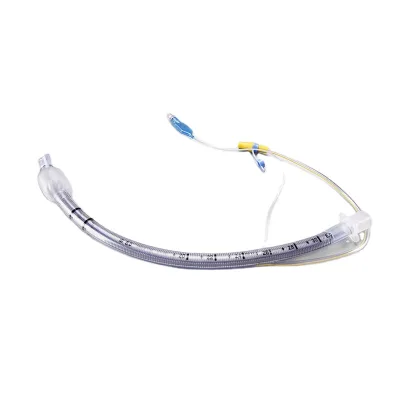
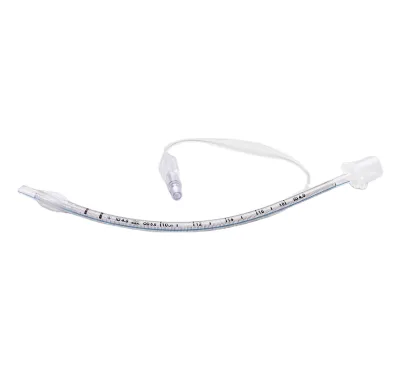
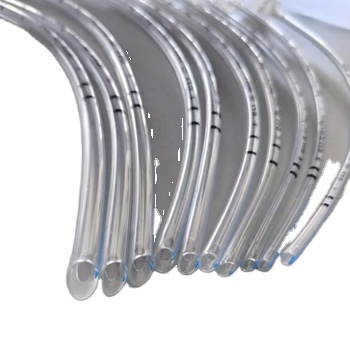


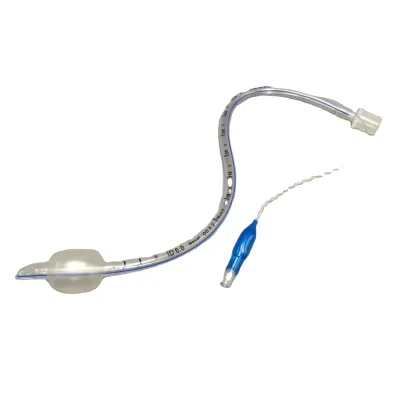


Comprehensive Sourcing Guide
Class II Visualization Endotracheal Tube Sourcing Guide
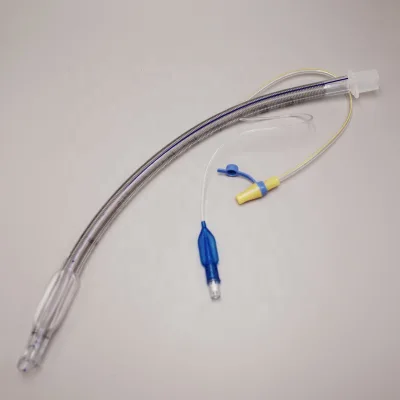
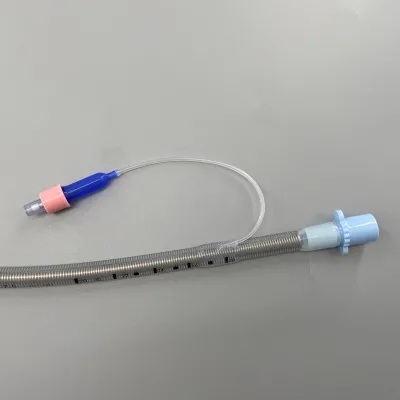
Procuring Class II visualization endotracheal tubes requires a precise understanding of the specific regulatory classification and the functional integration of light-guidance technology within the airway device. These instruments are categorized as Class II medical devices, indicating a moderate to high risk that necessitates special controls to ensure safety and effectiveness. Buyers must recognize that the "visualization" aspect often refers to the inclusion of a stylet or a specific lumen design that facilitates intubation, rather than a standalone camera system, which aligns with the observed product attributes of "Endotracheal Tube Intubating Light Stylet" and "PVC Reinforced with suction lumen."
The sourcing strategy must account for the diverse range of tube configurations available in the market, from uncuffed to cuffed variants, each serving distinct clinical needs for adult patients. The observed product data highlights specific model numbers such as OS7006 and MC-15760, which represent different iterations of tracheal and endotracheal tubes with varying internal diameters and cuff materials. A successful procurement process involves matching the specific clinical requirement for light-assisted intubation or suction capabilities with the correct tube model, ensuring that the selected device meets the necessary size specifications ranging from 2.5mm to 10.0mm internal diameter.
Product Scope and Observed Listing Signals
The market for visualization endotracheal tubes presents a wide spectrum of product types, including standard endotracheal tubes, nasal endotracheal tubes, and specialized light stylets designed to assist in airway management. Listings frequently feature products labeled as "Rae Endotracheal Tube Nasal Endotracheal Tube" or "Regular Endotracheal Tube with Suction Port," indicating that the core keyword encompasses both the primary airway conduit and the auxiliary tools required for its placement. Buyers should verify that the specific listing includes the necessary visualization component, such as a metal stylet or a reinforced lumen, to ensure the device supports the intended intubation technique.
Commercial listings for these devices often display significant variability in pricing and minimum order quantities, reflecting the diversity of manufacturers and product complexities. The observed price range spans from $0.21 to $301,000, while minimum order quantities (MOQ) can vary from a single unit to 5,000 units, suggesting that bulk procurement strategies differ vastly depending on the specific model and supplier capacity. Procurement teams must carefully evaluate whether a low MOQ is suitable for trial orders or if a higher volume commitment is required to secure the specific model number, such as MC-15630U or MC-6006, which may have distinct production runs.
Technical Specifications to Verify
Technical verification begins with confirming the internal diameter (ID) and outer diameter (OD) ranges, as these dimensions are critical for patient safety and airway patency. The observed data indicates specific ID ranges such as 3.0/3.5 to 9.5, and OD ranges extending up to 14.7, which must be matched precisely to the patient's anatomical requirements. Buyers should also verify the cuff material, which is listed as PU or PVC, and the tube material, typically PVC or metal for stylets, to ensure compatibility with the patient's tissue and the sterilization method employed.
The structural design of the tube, including the presence of a suction port and the type of reinforcement, is another vital specification to validate. Products like the "PVC Reinforced Endotracheal Tube with suction lumen" offer specific advantages in maintaining airway patency and allowing for suctioning during procedures, which is a key differentiator from standard tubes. Additionally, the distinction between uncuffed tubes, with sizes ranging from 3.0 to 10.0, and cuffed tubes, which may have specific size constraints, must be clearly understood to prevent procurement errors that could compromise clinical outcomes.
Compliance and Safety Documentation
Regulatory compliance is paramount for Class II devices, and buyers must ensure that suppliers provide valid certificates such as CE, ISO13485, FDA, and Cfda. The observed product listings frequently cite these certifications, confirming that the manufacturer adheres to international quality management systems and specific regional regulatory requirements. It is essential to verify that the certificates are current and cover the specific model numbers being procured, as regulatory approval is often model-specific and does not automatically extend to all products from a single manufacturer.
Sterilization status and packaging integrity are equally critical components of the safety documentation required for these medical supplies. The data confirms that Ethylene Oxide Sterilization is a standard method for these products, and packaging formats range from individual pouches to bulk cartons containing 100 pieces. Buyers must confirm that the sterilization method is appropriate for the intended shelf life and that the packaging, described as "Standard Export Packing" or "Carton, PE Film," maintains the sterile barrier until the point of use.
Cost Drivers and Commercial Terms
The cost of visualization endotracheal tubes is influenced by several factors, including the complexity of the design, the materials used, and the level of customization available. Products with specialized features, such as integrated suction lumens or light stylets, typically command higher prices than standard tubes, and the availability of OEM branding or custom packaging can further impact the final unit cost. Buyers should analyze the price range observed in the market, noting that while some items are available at very low entry points, specialized or high-volume orders may involve significantly different pricing structures.
Commercial terms, including minimum order quantities and sample availability, play a significant role in the total cost of ownership and the initial procurement strategy. Many suppliers offer free samples for two pieces, allowing buyers to evaluate the product quality before committing to larger orders, while MOQs can range from one unit to 5,000 units depending on the supplier's production capacity. Understanding these terms is crucial for budgeting, as the cost per unit often decreases with higher volumes, but the upfront capital requirement increases proportionally with the MOQ.
Supplier Qualification and Quality Control
Supplier qualification requires a thorough assessment of the manufacturer's origin and their adherence to quality management standards. The observed data indicates that products originate from various locations in China, including Guangzhou, Guangdong, and Anhui, suggesting a robust manufacturing base but necessitating careful vetting of specific facilities. Buyers should prioritize suppliers who can demonstrate a consistent track record of producing Class II devices with the required certifications and who maintain transparent communication regarding their production processes.
Quality control measures must be verified through the supplier's ability to provide detailed product specifications and adherence to international standards. The presence of specific model numbers like MC-15430 and MC-6006 suggests a standardized production line, but buyers must ensure that the supplier implements rigorous in-process and final inspection protocols. It is advisable to request quality control reports or audit results to confirm that the manufacturing environment consistently meets the required standards for medical device production.
Long-Term Procurement Checks
Establishing a long-term procurement relationship involves regular audits of the supplier's ability to maintain consistent product quality and supply chain stability. Buyers should monitor the supplier's adherence to the specified standards, such as ISO 13485, and verify that any changes in production processes or materials are communicated and validated before implementation. This proactive approach ensures that the Class II devices continue to meet the necessary safety and performance criteria over time, reducing the risk of supply disruptions or quality deviations.
Continuous evaluation of the supplier's responsiveness to regulatory changes and market demands is essential for maintaining a reliable supply of visualization endotracheal tubes. As regulatory landscapes evolve, suppliers must demonstrate their ability to adapt their products and documentation to meet new requirements without compromising the device's functionality. Buyers should establish clear communication channels and periodic review meetings to discuss performance metrics, ensuring that the procurement strategy remains aligned with the evolving needs of the healthcare facility.
FAQs
What certifications do class ii visualization endotracheal tubes have?
These tubes typically hold CE, ISO 13485, FDA, and Cfda certifications. This ensures compliance with international medical device standards. Buyers should verify specific certificates for their target market. The product classification is Class II, indicating moderate risk. Always confirm the latest regulatory status with the supplier before procurement.
Can I get free samples of class ii visualization endotracheal tubes?
Yes, suppliers often provide free samples for two pieces. This allows buyers to test quality before bulk ordering. The sample policy helps in evaluating material and fit. Standard export packing is used for these samples. Contact the manufacturer directly to request samples and confirm shipping terms.
What materials are used in class ii visualization endotracheal tubes?
These tubes are primarily made from PVC or metal components. Some variants include PU or PVC for the cuff material. The material choice affects flexibility and durability. PVC reinforced tubes may include a suction lumen. Buyers should select materials based on specific clinical requirements and patient needs.
What sizes are available for class ii visualization endotracheal tubes?
Available sizes range from 2.5mm to 10.0mm ID. Outer diameters vary from 4.0mm to 14.7mm. Specific models support sizes like 3.0 to 9.5. The size range covers adult and pediatric needs. Buyers must match the tube size to the patient's anatomy for safe intubation.
How are class ii visualization endotracheal tubes packaged?
Packaging includes individual pouches, boxes, and cartons. Standard options are 1PC per pouch and 10PCS per box. Some products use PE film for additional protection. The packing is designed for standard export shipping. This ensures product sterility and safety during transit to the end user.
Where are class ii visualization endotracheal tubes manufactured?
These products are manufactured in China, specifically in Guangdong and Anhui provinces. Guangzhou is a noted origin for some models. The manufacturing base supports global supply chains. Buyers should consider logistics and lead times from these locations. Origin verification is essential for supply chain transparency and compliance.