Source Class II Knee Arthroscopy Pack for Surgery, Hospital, and Clinic
Find and compare 30 Class II Knee Arthroscopy Pack options from verified manufacturers. Evaluate sterile disposable surgical supplies, including SMS non-woven materials and EO sterilization, to meet hospital procurement needs for orthopedic procedures.
Key considerations
Products List









Comprehensive Sourcing Guide
Class II Knee Arthroscopy Pack Sourcing Guide
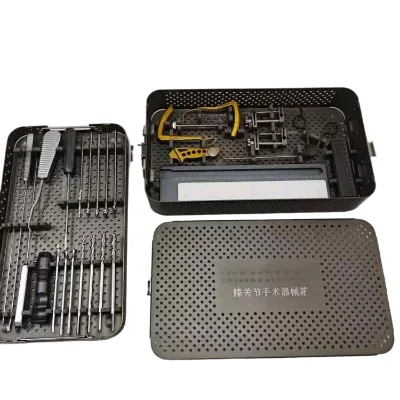
Procuring Class II knee arthroscopy packs requires a disciplined approach to verifying both the regulatory classification of the instruments and the sterile integrity of the packaging. These packs are critical components in minimally invasive orthopedic procedures, where the failure of a single sterile barrier or the misclassification of a tool can compromise patient safety and surgical outcomes. Buyers must distinguish between the disposable surgical supplies that constitute the bulk of the pack, such as gowns and drapes, and the reusable or single-use instruments that define the procedure’s technical success. The sourcing strategy must therefore balance the verification of material quality with the rigorous validation of sterilization methods and regulatory compliance.
The market for these specialized medical kits is characterized by a wide variance in product configurations, pricing structures, and supplier capabilities. Observed listings indicate a broad price range, reflecting differences in material composition, instrument complexity, and packaging standards. Furthermore, minimum order quantities (MOQs) vary significantly, ranging from small trial orders to large-scale industrial commitments. This variability necessitates a clear understanding of the buyer’s specific volume requirements and clinical needs before engaging with suppliers. A robust sourcing guide must therefore provide a framework for evaluating these diverse offerings, ensuring that the selected supplier can consistently deliver products that meet the stringent demands of hospital-based surgical environments.
Product Scope and Observed Listing Signals
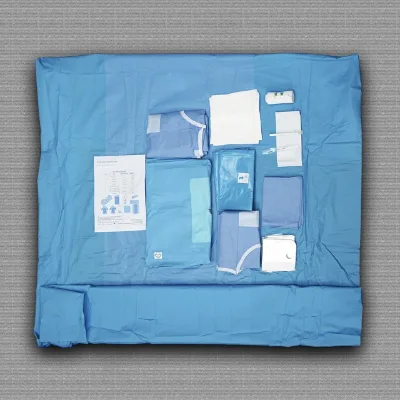
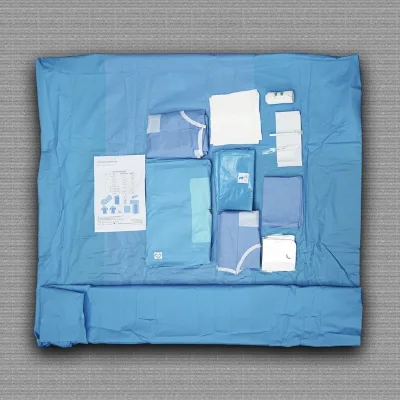
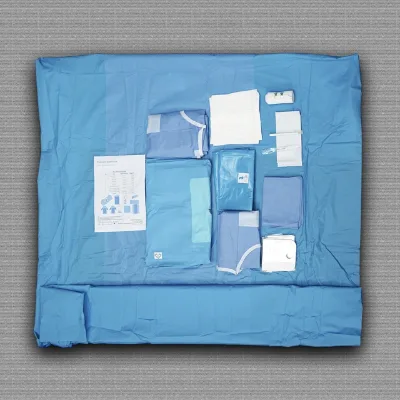
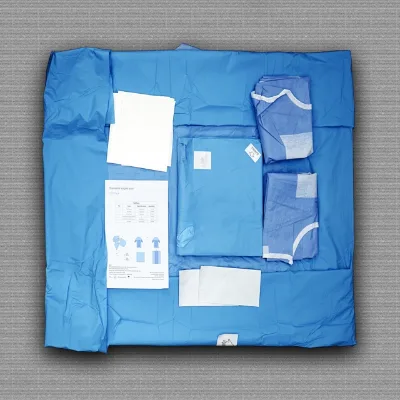
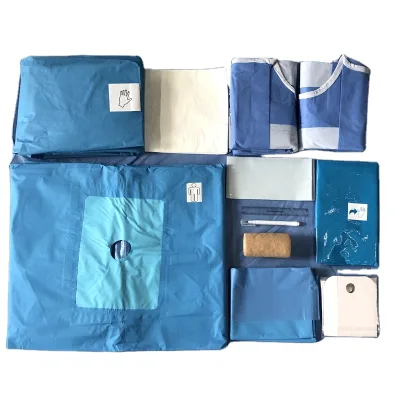
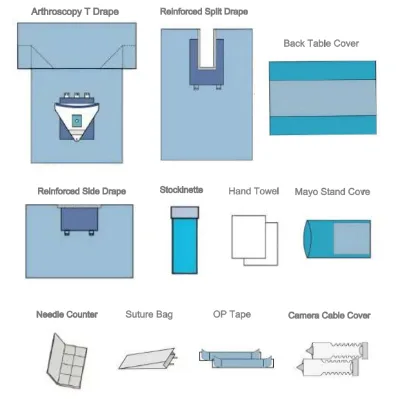
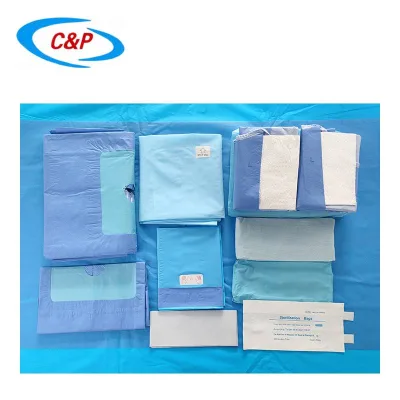
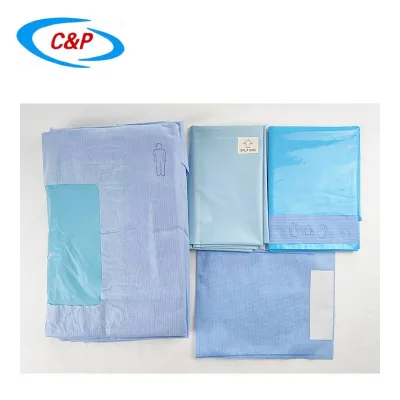
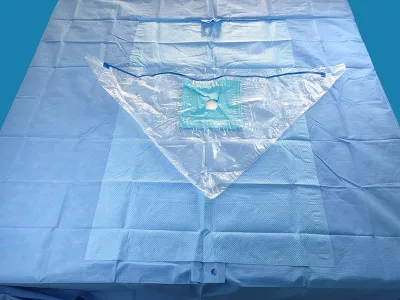
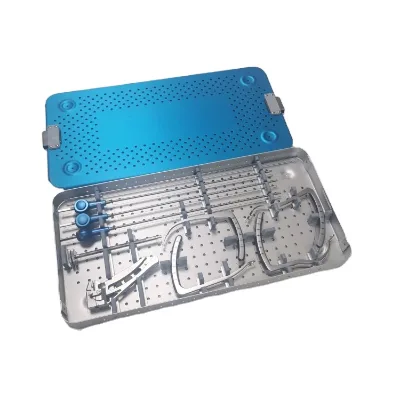
The product scope for knee arthroscopy packs typically encompasses a comprehensive set of disposable surgical supplies designed to maintain a sterile field during the procedure. Common items observed in these listings include disposable hospital gowns, sterile packing materials, and specialized arthroscopy kits. The materials used are predominantly non-woven fabrics, such as SMS (Spunbond-Meltblown-Spunbond), which offer a balance of fluid resistance, breathability, and strength. These materials are essential for creating effective barriers against contamination, ensuring that the surgical site remains free from pathogens throughout the operation. The packs are often marketed as sterile, with individual items packaged in poly-paper bags or paper-poly pouches to maintain sterility until the point of use.
Listing signals reveal significant variation in product specifications, which buyers must carefully evaluate to ensure compatibility with their surgical protocols. For instance, some products are labeled as "Disposable Sterile Surgical Arthroscopy Knee Pack Kits," while others may be described more broadly as "Surgical Supplies Materials." The size specifications also vary, with some packs offering standard dimensions like 150190cm or 200300cm, while others allow for customization based on customer design. Additionally, the presence of features such as logo printing or specific color options, such as blue, may be relevant for hospital branding or internal inventory management. Buyers should treat these observed attributes as starting points for verification rather than guaranteed specifications, as product listings may not always reflect the exact configuration of the final delivered goods.
Technical Specifications to Verify
Verifying the technical specifications of the knee arthroscopy pack is crucial to ensuring that the product meets the clinical requirements of the surgical team. One of the primary areas of focus is the sterilization method, with Ethylene Oxide (EO) sterilization being a common standard for these medical devices. Buyers must confirm that the sterilization process is validated and that the packaging effectively maintains the sterile barrier until the product is opened. The individual packaging details, such as "1PCS/ Poly-Paper Bag" or "1Set/Pouch," should be inspected to ensure they are robust enough to prevent damage during transit and storage. Any compromise in the packaging integrity can render the sterile contents unusable, leading to waste and potential patient risk.
Another critical technical aspect is the classification of the instruments included in the pack. Listings may indicate that the products are classified as Class I or Class II medical devices, which have different regulatory requirements and risk profiles. Buyers must verify that the instruments meet the specific performance standards required for knee arthroscopy procedures. This includes checking the model numbers, such as LY-KDP or TM009, against the supplier’s technical documentation to ensure consistency. Additionally, the shelf life of the products, often cited as three years, should be confirmed to ensure that the inventory can be stored and used effectively without expiration concerns. Customization options for size and design should also be clearly defined to avoid mismatches between the ordered product and the clinical need.
Compliance and Safety Documentation
Compliance with international standards is a non-negotiable requirement for sourcing Class II knee arthroscopy packs. Buyers must request and verify certification documents, such as CE marking and ISO 13485, which indicate that the supplier adheres to rigorous quality management systems for medical devices. The CE mark is particularly important for products intended for the European market, as it signifies conformity with health, safety, and environmental protection standards. Similarly, ISO 13485 certification demonstrates that the manufacturer has implemented a quality management system specifically tailored to the medical device industry, ensuring consistent product quality and regulatory compliance.
In addition to certifications, buyers should scrutinize the safety standards and disinfecting types listed in the product documentation. The use of EO sterilization, often referred to as EOS in some listings, must be validated through appropriate testing and documentation. Buyers should also verify the instrument classification, ensuring that the products are correctly categorized as Class I or Class II medical devices. This classification affects the regulatory pathway for market entry and the level of scrutiny applied to the product. Furthermore, the origin of the products, often listed as China, should be cross-referenced with the supplier’s manufacturing facilities to ensure that the production environment meets the required hygiene and quality standards.
Cost Drivers and Commercial Terms
The cost of knee arthroscopy packs is influenced by several factors, including the material composition, sterilization method, and packaging complexity. Non-woven fabrics like SMS are commonly used due to their cost-effectiveness and performance characteristics, but the quality of these materials can vary, impacting the final price. Buyers should be aware that lower prices may sometimes correlate with reduced material quality or less rigorous sterilization processes. Therefore, it is essential to evaluate the total cost of ownership, including the potential risks associated with product failure or regulatory non-compliance, rather than focusing solely on the unit price.
Commercial terms, such as minimum order quantities (MOQs) and lead times, also play a significant role in the procurement process. Observed MOQs range from 500 sets to 3000 sets, with some suppliers offering lower quantities for trial orders. Lead times can vary from 20 to 45 days after order confirmation, depending on the supplier’s production capacity and inventory levels. Buyers should negotiate clear terms regarding payment, shipping, and returns to mitigate financial risks. Additionally, the availability of stock should be confirmed, as some suppliers may operate on a make-to-order basis, which can impact delivery schedules. Understanding these commercial dynamics is crucial for effective supply chain planning and budget management.
Supplier Qualification and Quality Control
Supplier qualification is a critical step in ensuring the reliability and consistency of the knee arthroscopy packs. Buyers should conduct thorough due diligence on potential suppliers, verifying their manufacturing capabilities, quality control processes, and regulatory compliance. This includes reviewing their ISO 13485 certification and CE marking documentation to ensure that they meet international standards. Suppliers should also be evaluated based on their ability to provide customization options, such as specific sizes or packaging configurations, to meet the unique needs of the buyer’s surgical protocols.
Quality control measures should be integrated into the procurement process to ensure that the delivered products meet the specified requirements. Buyers should request samples for testing and evaluation before placing large orders. These samples should be inspected for packaging integrity, sterilization indicators, and material quality. Additionally, buyers should establish clear communication channels with the supplier to address any issues that may arise during production or delivery. Regular audits and performance reviews can help maintain high standards of quality and service, ensuring that the supplier remains a reliable partner in the long term.
Long-Term Procurement Checks
Long-term procurement checks are essential for maintaining the quality and reliability of the knee arthroscopy packs over time. Buyers should establish a system for monitoring supplier performance, including metrics such as delivery times, product quality, and responsiveness to issues. Regular reviews of these metrics can help identify potential problems early and allow for corrective actions to be taken. Additionally, buyers should stay informed about changes in regulatory requirements and industry standards, ensuring that the products they procure remain compliant with current regulations.
Continuous improvement should be a key focus of the procurement strategy. Buyers should engage in regular dialogues with suppliers to discuss potential improvements in product design, material quality, and packaging efficiency. This collaborative approach can lead to innovations that enhance the value of the products and reduce costs over time. Furthermore, buyers should consider diversifying their supplier base to mitigate risks associated with supply chain disruptions. By maintaining a proactive and strategic approach to procurement, buyers can ensure a steady supply of high-quality knee arthroscopy packs that meet the needs of their surgical teams and patients.
FAQs
What certifications do the knee arthroscopy packs hold?
The products hold CE and ISO13485 certifications as documented in the specifications. Some listings also reference TUV CE and EN standards. These certifications ensure compliance with medical device safety requirements for hospital use.
Can the surgical packs be customized for specific needs?
Yes, customization is available for size, design, and logo printing options. Buyers can request standard dimensions or specific custom designs. The material and sterilization methods remain consistent with medical standards while allowing tailored specifications.
How are the disposable surgical packs sterilized?
The packs undergo Ethylene Oxide sterilization to ensure they are sterile for medical use. Each item is individually packaged in a poly-paper bag or pouch. This method guarantees safety and compliance with Class II instrument classification standards.
What is the minimum order quantity for these surgical supplies?
The minimum order quantity varies between 1000 sets and 500 sets depending on the specific product model. Some listings indicate an MOQ of 1 set for single items. Buyers should verify the specific requirement for their chosen model number.
Where are these medical supplies manufactured and shipped from?
The products originate from Hubei, China, and are shipped from the Shanghai port. The lead time for orders is typically 20 to 45 days after confirmation. This location ensures efficient logistics for international medical supply procurement.
What materials are used to make the disposable gowns and packs?
The materials include non-woven fabric and SMS (Spunbond-Meltblown-Spunbond) composites. These materials provide the necessary barrier properties for surgical environments. The specific material choice supports the disposable nature and sterility of the surgical supplies.