Source Closed Loop Siemens Control Board for Automation
Find and compare 30 Closed Loop Siemens Control Board options for industrial automation, CNC machinery, and smart manufacturing systems. Evaluate specifications like multilayer PCBs, ENIG finishing, and compatible models to select the right component for your production needs.
Key considerations
Products List


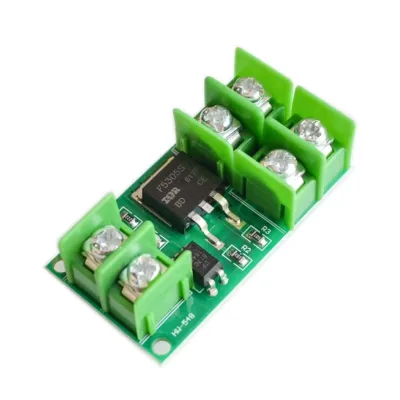


Electric Board for Elevator Controller Box Elevator Board Circuit Board
$0.99 - $9999.00
MOQ: 1 Pieces


Comprehensive Sourcing Guide
Closed Loop Siemens Control Board Sourcing Guide
Procuring closed-loop Siemens control boards requires a disciplined approach that balances technical precision with commercial due diligence. These components serve as the central nervous system for industrial automation, managing feedback loops to ensure precise motion control and operational stability. Buyers must navigate a market where terminology can be ambiguous, distinguishing between genuine OEM replacements, compatible third-party units, and generic PCB assemblies. The following guide provides evidence-based strategies for sourcing these critical components, focusing on verification, compliance, and long-term reliability.
The core keyword "Closed Loop Siemens Control Board" encompasses a range of products, from specific Siemens part numbers to generic replacement units. Sourcing success depends on accurately identifying the required model and verifying its compatibility with existing infrastructure. This guide outlines the essential steps for validating product scope, technical specifications, and supplier credibility to mitigate procurement risks.
Product Scope and Observed Listing Signals
The market for closed-loop control boards includes distinct categories, primarily genuine Siemens modules and generic or compatible alternatives. Genuine units, often identified by specific part numbers such as the 6SN1118 series, are designed for seamless integration with Siemens drive systems and PLCs. These boards typically feature original packaging and come with manufacturer-backed warranties, ensuring traceability and support. Buyers should prioritize these units when maintaining strict OEM standards or operating in regulated industries where component authenticity is mandatory.
Conversely, generic or compatible control boards offer a cost-effective alternative for maintenance and repair scenarios. Listings for these products may reference compatible brands or models, such as those compatible with Gatexpert or specific gate automation systems. These boards often feature standard surface finishes like ENIG and base materials like FR-4, indicating a focus on functional equivalence rather than brand identity. Procurement teams must carefully evaluate the trade-offs between cost savings and potential risks associated with non-OEM components, such as limited warranty coverage or compatibility nuances.
Technical Specifications to Verify
Technical verification begins with confirming the exact part number and electrical characteristics of the control board. For Siemens-specific units, models like the 6SN1118-0DM31-0AA0 or 6SN1151-1CX20-2AE0 represent specific configurations within the Sinumerik or drive control family. Buyers must cross-reference these numbers with official Siemens documentation to ensure compatibility with their existing hardware. Mismatched part numbers can lead to installation failures or operational errors, making precise identification the first critical step in the sourcing process.
For generic or replacement boards, key technical attributes include layer count, copper thickness, and surface finishing. Multilayer boards with a copper thickness of 35um and a board thickness of 1.6mm are common in high-reliability applications. Surface finishes like ENIG (Electroless Nickel Immersion Gold) provide excellent solderability and flatness, which are crucial for fine-pitch components. Additionally, verifying the minimum line width and hole size, such as 0.25mm and 0.15mm respectively, ensures that the board meets the density and precision requirements of the target application.
Compliance and Safety Documentation
Compliance with international standards is non-negotiable for industrial control components. Genuine Siemens boards typically adhere to strict safety and performance standards, often accompanied by CE certification and RoHS compliance. These certifications indicate that the product meets European health, safety, and environmental protection standards. Buyers should request valid certificates of conformity from suppliers to verify that the components do not contain restricted hazardous substances and are safe for industrial use.
For generic boards, compliance documentation may vary significantly. While some suppliers provide CE marks and RoHS certificates, others may only offer basic quality assurances. It is essential to verify that the "Normal" standard mentioned in some listings does not imply a lack of regulatory adherence. Buyers should insist on clear documentation regarding the board's electrical safety, particularly for units operating at standard voltages like 220V/50Hz or 110V/60Hz. Without proper certification, the risk of regulatory penalties or safety incidents increases substantially.
Cost Drivers and Commercial Terms
The cost of closed-loop control boards is influenced by several factors, including brand authenticity, technical complexity, and order volume. Genuine Siemens modules command a premium due to their engineering precision and warranty support. In contrast, generic boards offer lower upfront costs, with observed price ranges varying widely based on specifications and supplier margins. Buyers should analyze the total cost of ownership, considering potential downtime costs associated with component failure, rather than focusing solely on the initial purchase price.
Commercial terms such as MOQ (Minimum Order Quantity) and packaging also impact procurement strategy. Observed MOQs range from 1 to 100 units, allowing for flexibility in small-scale repairs or bulk installations. Packaging methods, including vacuum sealing for PCBs and original boxes for modules, are critical for protecting sensitive electronics during transit. Buyers should negotiate clear terms regarding shipping, insurance, and return policies to mitigate financial risks associated with damaged or incorrect deliveries.
Supplier Qualification and Quality Control
Supplier qualification is a critical step in ensuring the reliability of sourced control boards. Buyers should prioritize suppliers with a proven track record in industrial automation components. Verification of supplier credentials, including business licenses and export history, helps establish trust and reliability. For generic boards, assessing the supplier's manufacturing capabilities, such as their ability to produce multilayer PCBs with precise line widths, is essential for quality assurance.
Quality control measures should be integrated into the procurement process. This includes requesting pre-shipment inspections or sample testing for large orders. For Siemens modules, verifying the condition as "New" and checking for original packaging seals can help prevent the receipt of refurbished or counterfeit goods. Buyers should also evaluate the supplier's after-sales support, including warranty terms and technical assistance, to ensure long-term partnership viability.
Long-Term Procurement Checks
Long-term procurement success depends on establishing robust supply chain relationships and continuous monitoring. Buyers should maintain a database of qualified suppliers and regularly review their performance based on delivery times, product quality, and responsiveness. For critical components like closed-loop control boards, diversifying the supplier base can mitigate risks associated with supply disruptions or price volatility.
Regular audits of inventory and component lifecycle management are also essential. As technology evolves, older control boards may become obsolete or unsupported. Buyers should stay informed about product updates and replacement cycles to ensure that their inventory remains relevant and compatible with their operational needs. By implementing these long-term checks, organizations can maintain a resilient and efficient procurement process for their industrial automation components.
FAQs
What is the base material for these control boards?
The base material is FR-4, which is new and certified under RoHS and ISO standards. This rigid circuit board offers flame retardant properties suitable for industrial applications. The standard board thickness is 1.6mm, ensuring structural integrity for complex electronic assemblies and reliable performance in demanding environments.
Can these boards be customized for specific projects?
Yes, customization is available for these control boards. Buyers can request specific configurations to meet unique project requirements. The manufacturer supports tailored solutions, allowing for adjustments in design and specifications. This flexibility ensures that the final product aligns precisely with the intended application needs and technical constraints.
What surface finishing is applied to the copper layers?
The surface finishing applied is ENIG, or Electroless Nickel Immersion Gold. This process protects the copper layers, which have a thickness of 35um. ENIG provides a flat, solderable surface ideal for fine-pitch components. It ensures reliable electrical connections and enhances the longevity of the circuit board in various operating conditions.
What is the minimum line width and hole size?
The minimum line width is 0.25mm, and the minimum hole size is 0.15mm. These precise specifications allow for high-density interconnects and complex circuit designs. Such fine tolerances are essential for modern electronic devices requiring compact and efficient layouts. The manufacturing process supports these tight constraints to ensure quality and functionality.
How is the product packaged for shipping?
The product is packaged in vacuum bags to protect against moisture and static damage. Some items may also be boxed for additional protection. This packaging method ensures the boards arrive in pristine condition, ready for immediate use. The vacuum seal is critical for preserving the integrity of sensitive electronic components during transit and storage.
What certifications do these control boards hold?
These control boards hold CE certification, indicating compliance with European health, safety, and environmental protection standards. Additionally, the base material is certified under RoHS and ISO standards. These certifications assure buyers of the product's quality and regulatory compliance, facilitating smoother import processes and ensuring suitability for global markets.