Source Closed Passenger Electric Tricycle for Delivery, Tourism, and Transit
Find 30 Closed Passenger Electric Tricycle models with varying motor powers and dimensions. Buyers can compare specifications like battery voltage, brake types, and passenger capacity to select suitable units for urban delivery, tourism, or transit applications.
Key considerations
Products List


China Manufacture Cheap Price Closed Cabin Electric Passenger Tricycle
$570.00 - $580.00
MOQ: 20 Pieces


Keyu Cheap China Electric Tricycle Closed Electric Tricycle for Passengers
$1140.00 - $1290.00
MOQ: 1 pieces


Electric Tricycles 3 Wheels Bicycle Open Electric Tricycle for Adults
$229.00 - $230.00
MOQ: 200 Pieces

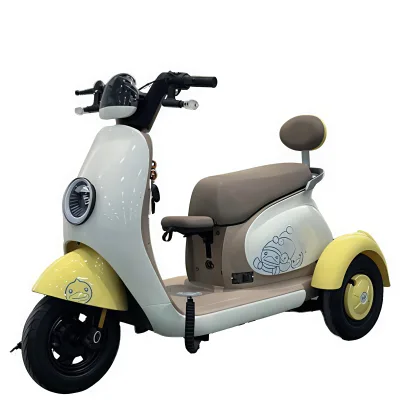


Passenger Use Electric Open Pedicab Electric Trike Electric Tricycle
$300.00 - $320.00
MOQ: 100 Pieces

Comprehensive Sourcing Guide
Strategic Sourcing Guide for Closed Passenger Electric Tricycles
Understanding the Closed Passenger Electric Tricycle Segment
The Closed Passenger Electric Tricycle represents a specialized category within the three-wheeled vehicle market, designed primarily for urban mobility, last-mile logistics, and short-distance passenger transport. Unlike open-frame variants, these vehicles feature a fully enclosed body structure, providing occupants with protection from weather elements and enhanced safety. Based on observed market data, these units are characterized by a specific set of technical attributes, including a displacement range of 111-150CC equivalent in electric power, a wheel distance exceeding 1110mm, and a standard configuration supporting four passengers. The body type is consistently closed, distinguishing them from utility cargo-only models, although some units in the market offer dual-purpose capabilities for both cargo and passenger use.
The market for these vehicles is dominated by manufacturers originating from China, where the supply chain is robust and capable of handling various packing configurations such as SKD (Semi-Knocked Down), CKD (Completely Knocked Down), and DKD. Buyers must recognize that while the core concept remains consistent, the specific implementation of features varies significantly between models. For instance, the "Leader Electric" and "Xingyue Electric" models represent distinct product lines with different dimensional standards and motor specifications. Understanding these variations is critical for procurement teams aiming to align vehicle selection with specific operational requirements, whether for shuttle services, campus transport, or community mobility solutions.
Technical Specifications and Performance Parameters
When evaluating closed passenger electric tricycles, buyers must scrutinize the technical specifications to ensure the vehicle meets operational demands. The propulsion systems observed in this segment typically utilize Permanent Magnet Synchronous Motors (PMSM). Specific models feature motor ratings such as 1000W, while others may be equipped with 60V Small 1500W PMSM units. The voltage systems generally operate at 60V, paired with battery capacities like 60V20ah Lead-Acid batteries, though other configurations may exist. It is essential to verify the specific battery chemistry and capacity for each inquiry, as this directly impacts the vehicle's range and longevity.
Performance metrics are equally vital. Observed data indicates a maximum speed of 25km/h for certain models, which aligns with regulations for low-speed electric vehicles in many jurisdictions. The operational distance for these units is reported to be around 50km on a single charge under standard conditions. The physical dimensions of the vehicles vary, with standard configurations ranging from approximately 2380mm x 1100mm x 1820mm to larger variants like 2950mm x 1200mm x 1800mm. The wheelbase, or wheel distance, is a critical stability factor, with observed values exceeding 1110mm.
The braking systems are another area requiring careful attention. Common configurations include a combination of front disc and rear drum brakes, while other models may feature hand brake disc brakes or rear axles with foot disc brakes. The rear axle design can vary from a power-assisted handbrake system to an integrated pressure pack with added force, influencing the vehicle's stopping power and handling characteristics. Suspension systems typically employ double spring rocker arm types for the front shock absorbers to ensure passenger comfort over varied terrain.
Compliance, Certification, and Regulatory Standards
Navigating the regulatory landscape is a fundamental step in sourcing closed passenger electric tricycles. Compliance is not merely a formality but a prerequisite for market entry and operational legality. The supply chain data highlights several key certifications that manufacturers may possess, including CCC (China Compulsory Certification), ISO 9001 for quality management, and EEC (European Economic Community) certification for specific markets. Some listings also mention CE certification, though the confidence level of this specific attribute varies and should be independently verified for each batch of goods.
Buyers must understand that certification status is often model-specific. For example, certain models are certified for adult driving types, while others may have different regulatory classifications. The presence of CCC and ISO 9001 suggests a baseline of manufacturing quality and safety compliance, particularly for the domestic Chinese market. However, for international procurement, the EEC or CE marks are often required to demonstrate adherence to European safety and environmental standards. It is imperative to request valid certification documents for the specific model being purchased, as these documents are not automatically transferable across different product lines or manufacturers.
Furthermore, the manufacturing process itself contributes to compliance. The use of automotive paint baking processes indicates a commitment to durability and finish quality, which can be a proxy for overall build standards. Buyers should verify that the production facility adheres to the standards claimed in the certification documents, ensuring that the finished product matches the tested prototypes.
Cost Drivers and Pricing Dynamics
The pricing of closed passenger electric tricycles is influenced by a complex interplay of factors, including motor power, battery capacity, body materials, and the level of standard configuration. The observed price range in the market spans from 190 USD to 2390 USD, reflecting the vast diversity in vehicle specifications and target markets. The lower end of this spectrum typically corresponds to basic models with minimal features, smaller batteries, and simpler braking systems. Conversely, the higher price points are associated with vehicles featuring advanced configurations, such as reverse cameras, sunroofs, heaters, and 7-inch MP5 multimedia systems.
The Minimum Order Quantity (MOQ) is another significant cost driver, with observed ranges spanning from 1 unit to 200 units. Buyers purchasing in smaller quantities may face higher per-unit costs due to the lack of economies of scale in production and logistics. Conversely, bulk orders can leverage lower unit prices but require significant capital outlay and storage capacity. The packing method also impacts cost; SKD and CKD options offer flexibility in shipping and assembly but may incur additional labor costs at the destination.
Additional cost factors include the frame material, which is typically steel, and the tire size, often 10 inches. Optional configurations, such as disc brakes or specific axle types, can add to the base price. Buyers should also consider the "Fob" (Free on Board) terms, which indicate that the price includes delivery to the port of origin but excludes international freight and insurance. Understanding these variables is essential for accurate budgeting and total cost of ownership analysis.
Typical Applications and Operational Use Cases
Closed passenger electric tricycles are versatile vehicles designed for a wide array of applications. The primary use case is passenger transport, with models specifically rated for four passengers. These vehicles are ideal for short-distance shuttle services in controlled environments such as university campuses, large industrial parks, residential communities, and tourist attractions. The enclosed body provides a comfortable and weather-protected environment for passengers, making them suitable for use in varying climatic conditions.
Some models in the market are designed for dual-purpose use, serving both cargo and passenger needs. These units are particularly valuable for small businesses, logistics companies, and municipal services that require a single vehicle for multiple tasks. The ability to switch between passenger and cargo configurations allows for efficient resource utilization. The power-assisted rear axles and robust braking systems make these vehicles suitable for hilly terrain or areas with frequent stops and starts.
The target demographic for these vehicles includes adults, as indicated by specific driving type certifications. The compact dimensions and maneuverability of the tricycles make them well-suited for navigating narrow streets and congested urban areas where larger vehicles struggle. However, buyers must ensure that the vehicle's speed and dimensions comply with local traffic regulations for the intended area of operation.
Supplier Evaluation and Quality Control Protocols
Selecting the right supplier is critical for ensuring product quality and supply chain reliability. Buyers should evaluate suppliers based on their certification status, manufacturing capabilities, and track record. The presence of ISO 9001 certification is a strong indicator of a supplier's commitment to quality management systems. Additionally, the use of automotive-grade paint baking processes suggests a higher standard of finish and durability.
Quality control should be a continuous process, starting from the raw material inspection to the final product testing. Buyers should verify the frame material, ensuring it is steel and meets the required strength standards. The battery and motor specifications must be verified against the supplier's claims, as these are the core components affecting performance and safety. Inspecting the braking systems, suspension, and tire sizes is also essential to ensure the vehicle meets safety standards.
For large orders, implementing a pre-shipment inspection is highly recommended. This process involves checking the vehicle's dimensions, assembly quality, and functionality against the agreed specifications. Buyers should also request test results for critical components, such as the motor and battery, to ensure they meet performance expectations. The supplier's ability to provide documentation for all certifications and test results is a key indicator of their transparency and reliability.
Long-Term Procurement and Maintenance Considerations
Long-term procurement success depends on more than just the initial purchase price; it requires a focus on total cost of ownership and maintenance requirements. The choice of battery technology, such as lead-acid, impacts the lifespan and replacement costs of the vehicle. Buyers should consider the availability of spare parts and the supplier's support for maintenance and repairs. The modular nature of SKD and CKD packing can facilitate easier repairs and part replacements in the field.
The standard configuration of the vehicle, including features like reverse cameras and sunroofs, can enhance the user experience but may also introduce additional maintenance needs. Buyers should assess the complexity of these features and ensure that local technicians have the necessary skills to maintain them. The durability of the paint and frame materials will also influence the vehicle's lifespan, particularly in harsh environmental conditions.
Finally, buyers should consider the scalability of their procurement strategy. As demand grows, the ability to increase order quantities and negotiate better terms becomes crucial. Establishing a long-term relationship with a reliable supplier can provide stability in pricing and supply, ensuring that the fleet remains operational and up-to-date with the latest safety and performance standards. By focusing on these long-term factors, buyers can build a sustainable and efficient transportation solution.
FAQs
What certifications do closed passenger electric tricycles typically have?
These vehicles commonly hold CCC and ISO 9001 certifications for quality and safety compliance. Some models also feature EEC certification for specific international markets, ensuring adherence to regulatory standards before purchase.
How many passengers can a standard closed electric tricycle seat?
Standard models are designed to accommodate four passengers within their enclosed body structure. This capacity makes them suitable for shuttle services, campus transport, and community mobility solutions requiring compact passenger transport.
Which motor specifications are available for these electric tricycles?
Available motors include 1000W Permanent Magnet Synchronous Motors and 60V Small 1500W units. Buyers should verify specific motor ratings as configurations vary significantly between different product lines and models in the market.
Can buyers customize the configuration of these electric tricycles?
Yes, customization is available for many models to meet specific operational needs. Buyers can select from optional configurations like disc brakes or specific axle types, though standard features vary by manufacturer and model.
What is the typical price range for closed passenger electric tricycles?
The observed price range spans from 190 USD to 2390 USD depending on specifications. Lower prices usually reflect basic models, while higher costs cover advanced features like reverse cameras, heaters, and larger battery capacities.
How does the wheel distance affect vehicle stability?
The wheel distance typically exceeds 1110mm to ensure stability during operation. This dimension is a critical factor for safe handling, particularly when navigating varied terrain or carrying the standard four-passenger load.