Source Cold Drawn Carbon Steel Bars for Structural, Tool, and Mold Uses
Find 30 listings for Cold Drawn Carbon Steel Bars suitable for structural steel bars, tool steel bars, and mold steel applications. Buyers can compare specifications, standards, and prices to select the right alloy or non-alloy options.
Key considerations
Products List


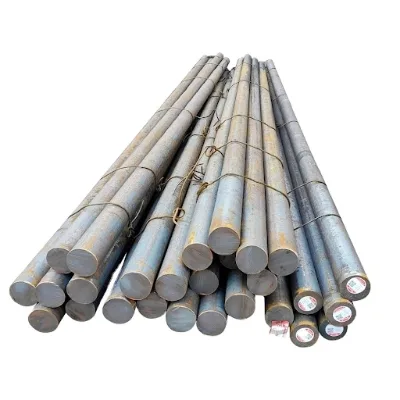
Steel Flat Bar Hot Rolled Forged Stainless Steel Flat Bar for Building Material
$500.00 - $650.00
MOQ: 3 Tons




Comprehensive Sourcing Guide
Strategic Sourcing Guide for Cold Drawn Carbon Steel Bars
Understanding Technical Specifications and Manufacturing Processes
The procurement of Cold Drawn Carbon Steel Bars requires a precise understanding of the manufacturing techniques that define their final mechanical properties. Unlike hot-rolled alternatives, cold drawing involves pulling the steel through a die at room temperature, a process that significantly alters the grain structure and surface finish. Based on observed industry data, the primary technique for these products is explicitly identified as "Cold Drawn," which distinguishes them from bars produced via "Hot Rolled" or "Forged" methods. This specific processing route is critical for buyers requiring tight dimensional tolerances and superior surface quality.
The resulting product attributes typically include a "Bar" shape and a "Polished" surface treatment, which are essential for applications demanding low friction or high aesthetic standards. The material composition is predominantly classified as "Carbon Steel Bar," though the market also offers "Alloy Steel Bar" variants. Buyers must verify the specific alloy content, as the data indicates a split between "Alloy" and "Non-alloy" classifications. The mechanical performance is further influenced by the "Straightness" and "Twistness" tolerances, with observed specifications noting a straightness of 1mm per 1000mm and a twistness of 0.5 degrees per meter. These geometric constraints are vital for precision machining and assembly processes where alignment is paramount.
When evaluating product models, the market presents a diverse range of designations. Common model identifiers include structural grades such as S355JR, S355, and S235JR, alongside specific carbon steel grades like SAE 1020 and CK45. Additionally, specialized model codes such as XSW-264, XSW-309, XSW-308, and XSW-15 appear in the supply chain, often indicating proprietary or application-specific formulations. The physical dimensions vary widely, with standard specifications covering thickness ranges from 6mm to 800mm and diameters from 16mm to 1200mm. Buyers should not assume that a single model covers all dimensions; rather, they must confirm that the specific model number aligns with the required wall thickness and diameter for their project.
Compliance, Certification, and Standard Verification
Navigating the complex landscape of international standards is a fundamental requirement for sourcing Cold Drawn Carbon Steel Bars. The supply chain is governed by a robust set of recognized standards, including AISI, ASTM, DIN, GB, JIS, and BS. These standards ensure that the chemical composition and mechanical properties meet global expectations for safety and performance. However, it is crucial to note that while these standards are widely referenced, the specific "prod_standard" for many products is often defined as "as per the drawing" or "as per customers' design." This indicates a high degree of customization where the buyer's engineering specifications take precedence over generic catalog standards.
Quality assurance is further reinforced by the availability of Material Test Certificates (MTC). The observed market data highlights that "Original" MTCs are a standard offering, providing traceability from the mill to the final product. These certificates are often supported by rigorous testing protocols, including "SGS/Ut Test 100%" and comprehensive "Chemistry Test" results. For buyers in highly regulated industries, verifying that the supplier can provide these original documents is non-negotiable. The presence of these certifications serves as a proxy for the supplier's commitment to quality control and their ability to meet the stringent requirements of structural and tooling applications.
In addition to material standards, packaging and origin play a role in compliance. The products originate primarily from China, with specific manufacturing hubs noted in Henan. Packaging standards vary from "Wooden Box" and "Wooden Case" to "Sea Worthy Package" and "Boutique Packaging," depending on the specific product line and customer requirements. The "Sea Worthy Package" is particularly relevant for international logistics, ensuring that the bars remain undamaged during transit. Buyers must explicitly request the packaging specification in their purchase orders to avoid discrepancies between the ordered protection level and the delivered goods.
Cost Drivers and Pricing Dynamics
The pricing of Cold Drawn Carbon Steel Bars is influenced by a complex interplay of factors, including raw material costs, processing complexity, and logistical expenses. The observed price range in the market is exceptionally broad, spanning from $0.41 to $2,300 USD. This variance is not indicative of a single product type but rather reflects the diversity of the catalog, which includes everything from small-diameter precision bars to large-scale structural components. The lower end of the spectrum likely corresponds to standard, high-volume carbon steel bars, while the higher end may encompass specialized alloy steels, large diameters, or custom-finished products.
Minimum Order Quantity (MOQ) is another significant cost driver. The observed MOQ range is between 1 and 100 units. A lower MOQ of 1 allows for prototyping and small-batch testing, which is valuable for R&D departments, but it often comes with a higher unit cost due to setup fees. Conversely, larger orders starting at 100 units typically benefit from economies of scale, reducing the per-unit price. Buyers must balance their immediate inventory needs with the financial implications of ordering larger quantities to achieve better pricing tiers.
Payment terms and delivery logistics also impact the total cost of ownership. The market standard for price terms includes FOB (Free On Board), CFR (Cost and Freight), and CIF (Cost, Insurance, and Freight). The choice of Incoterm determines who bears the risk and cost of shipping, which can significantly alter the final landed cost. Additionally, the delivery time is generally cited as 15-30 days after the deposit is received. While this is a standard window, buyers should verify if expedited services are available for urgent projects, as delays in the supply chain can have cascading effects on production schedules.
Typical Applications and Special Use Cases
Cold Drawn Carbon Steel Bars are versatile components utilized across a wide array of industrial sectors. Their primary application is in "Structural Steel Bar" roles, where they provide the necessary strength and rigidity for construction frameworks and machinery bases. Beyond structural uses, these bars are extensively employed in "Tool Steel Bar" and "Die Steel Bar" applications, serving as the foundation for molds, dies, and cutting tools. The "Polished" surface treatment and high straightness make them ideal for precision machining operations where surface finish and dimensional accuracy are critical.
The "Special Use" category further expands the utility of these bars. They are frequently utilized as "Mold Steel" for injection molding and die-casting applications, where thermal conductivity and wear resistance are essential. "Free Cutting Steel" variants are designed for high-speed machining, offering improved chip-breaking properties and reduced tool wear. Similarly, "Cold Heading Steel" is used in the manufacturing of fasteners and bolts, requiring high ductility and uniform grain structure. The ability to customize the product, as noted in the "Customization: Available" attribute, allows manufacturers to tailor the steel composition to meet the specific demands of these specialized applications.
The following table summarizes the key applications and their corresponding material requirements based on observed market data:
| Application Category | Specific Use Case | Key Material Attributes |
|---|---|---|
| Structural | Structural Steel Bar | High strength, S355JR/S235JR grades |
| Tooling | Tool Steel Bar, Die Steel Bar | Hardness, wear resistance, CK45 grade |
| Molding | Mold Steel | Thermal stability, uniform grain structure |
| Machining | Free Cutting Steel | Improved machinability, chip breaking |
| Fasteners | Cold Heading Steel | High ductility, uniform diameter |
Supplier Evaluation and Service Capabilities
Selecting the right supplier for Cold Drawn Carbon Steel Bars requires a thorough evaluation of their technical capabilities and service offerings. The supply chain is characterized by a high level of customization, with suppliers offering services such as "Bending," "Welding," and "Cutting." These processing services allow buyers to receive near-finished components, reducing the need for secondary operations in their own facilities. The availability of these services indicates a supplier's ability to integrate into the buyer's production line, offering a turnkey solution for complex projects.
Customer service is another critical factor in supplier selection. The market data highlights a "24 Hours Online" service availability, suggesting that suppliers are committed to maintaining open lines of communication regardless of time zones. This level of responsiveness is particularly important for resolving technical queries, tracking orders, and addressing quality concerns promptly. Furthermore, the "Quality Guarantee" section often includes commitments to 100% testing, reinforcing the supplier's confidence in their product quality.
When evaluating suppliers, buyers should also consider the origin and logistics capabilities. With production centers located in China, specifically in regions like Henan, buyers must assess the supplier's experience with international shipping and export compliance. The "Sea Worthy Package" and various "Wooden Box" options demonstrate an understanding of global logistics requirements. Additionally, the flexibility in "prod_standard" (as per drawing or customer design) indicates that suppliers are willing to collaborate closely with buyers to meet unique engineering specifications.
Quality Control and Long-Term Procurement Considerations
Ensuring consistent quality in Cold Drawn Carbon Steel Bars requires a robust quality control framework. The observed market practices include "SGS/Ut Test 100%" and "Chemistry Test," which serve as the primary verification methods for material integrity. Buyers should insist on receiving these test results alongside the "Original" MTC to ensure that the delivered product matches the ordered specifications. The strict tolerances for "Straightness" (1mm/1000mm) and "Twistness" (0.5 Degree/1 Meter) must be verified through independent inspection if the application is critical.
Long-term procurement strategies should focus on building relationships with suppliers who offer reliable customization and consistent quality. The "Customization: Available" attribute suggests that suppliers are capable of adapting to changing project requirements, which is essential for maintaining a flexible supply chain. Buyers should also consider the "Delivery Time" of 15-30 days after deposit as a baseline for planning production schedules. Establishing a buffer for potential delays and maintaining open communication with the supplier can help mitigate risks associated with supply chain disruptions.
Finally, buyers must remain vigilant regarding the "Price Term" and "Payments" structure. The availability of FOB, CFR, and CIF terms, along with payment options like FOB/CIF, provides flexibility in managing financial risk. By carefully analyzing these terms and aligning them with the project's budget and timeline, buyers can optimize their procurement strategy. The combination of technical expertise, quality assurance, and logistical support makes the cold drawn carbon steel bar market a viable option for a wide range of industrial applications, provided that buyers conduct thorough due diligence and maintain clear communication with their suppliers.
FAQs
What standards do Cold Drawn Carbon Steel Bars meet?
These bars meet international standards including AISI, ASTM, DIN, GB, JIS, and BS. Many products also follow standards as per the drawing or customer design, allowing for high customization to specific engineering requirements.
Can I get Cold Drawn Carbon Steel Bars with custom specifications?
Yes, customization is available for these bars to meet unique project needs. Buyers can specify dimensions, surface treatments like polishing, and material grades such as S355JR or CK45 according to their design drawings.
What is the typical delivery time for these steel bars?
The standard delivery time is 15 to 30 days after the deposit is received. This timeline applies to orders placed with suppliers in China, including those located in Henan, for various packing options.
Which certifications are provided for Cold Drawn Carbon Steel Bars?
Suppliers provide original Material Test Certificates (MTC) along with SGS and UT test results. A 100% chemistry test is also conducted to ensure the material composition and mechanical properties meet the required specifications.
What are the minimum order quantities for these steel bars?
The minimum order quantity ranges from 1 to 100 units depending on the supplier and product type. Lower MOQs allow for prototyping, while larger orders often benefit from economies of scale and better pricing tiers.
How are Cold Drawn Carbon Steel Bars packaged for shipping?
Packaging options include wooden boxes, wooden cases, and sea-worthy packages suitable for international transport. Some suppliers also offer boutique packaging or standard non-marked packaging based on specific customer requirements.
What surface treatments are available for these steel bars?
Common surface treatments include polishing and color coating to enhance durability and appearance. The cold drawn technique naturally produces a smooth finish, which is further refined to meet specific application needs like low friction.