Source Combi Ovens for Bakery, Hotel, and Restaurant Use
Source 30 electric Combi Oven models with precise temperature control and automatic cleaning features. Compare specifications for bread, pizza, and cake production across various power ratings and layer configurations to find the right equipment for your commercial kitchen needs; compare the available evidence and request quotations based on your requirements.
Key considerations
Products List


Versatile Professional Three-in-One Combi Oven for Culinary Excellence
$6999.00 - $7408.00
MOQ: 1 Pieces

Combi Oven, 6-Trays Multi-Functional Oven for Bake, Steam, Roast, Stew, Ferment.
$3320.00 - $3329.00
MOQ: 1 Pieces


Simple Operation and High Working Efficiency 10-Tray Commercial Combi Oven
$4441.00 - $5551.00
MOQ: 1 Pieces


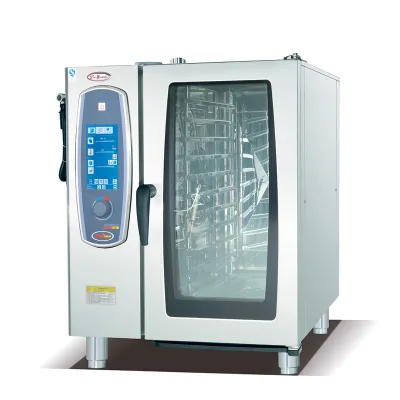
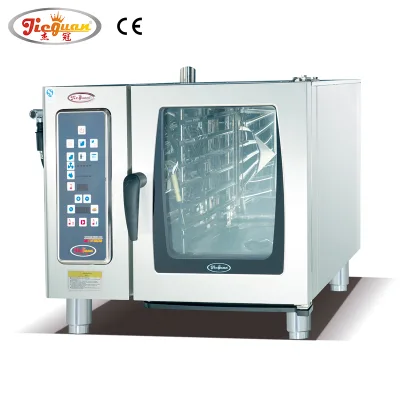


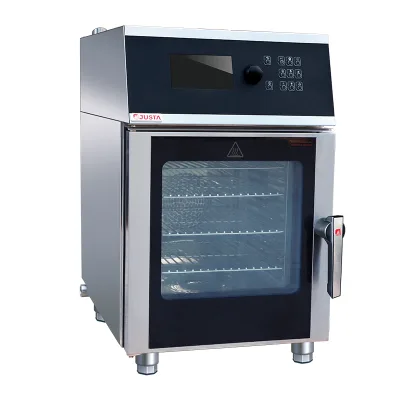
Commercial Electric Combi Steamer Oven with CE Certificate Eoa-61-Mx
$2650.00 - $3100.00
MOQ: 1 Pieces



Comprehensive Sourcing Guide
Combi Oven Sourcing Guide
Procuring a Combi Oven requires distinguishing between units designed for high-volume institutional kitchens and those tailored for specialized bakery operations. The market presents a diverse array of configurations, ranging from compact models with precise temperature control to large-scale industrial units featuring multi-layer racks and advanced automation. Buyers must first define their specific throughput needs, as the observed product range includes models with varying power inputs, from 8.5kW to over 36kW, which directly impacts energy consumption and kitchen infrastructure requirements.
A critical initial step involves verifying the customization capabilities and interface technology of potential units. While some models offer fully automatic cleaning modes and extensive menu storage for operational efficiency, others may be non-customized standard units. The presence of microcomputer capacitive touch screens and precise high-and-low temperature control systems suggests a focus on repeatability and ease of use, but buyers must confirm that these features align with their specific workflow before committing to a purchase order.
Product Scope and Observed Listing Signals
The observed product listings indicate a clear segmentation between standard electric ovens and specialized baking units, with voltage requirements consistently set at 380V for industrial applications. This high-voltage specification is typical for heavy-duty equipment intended for hotels, bakeries, and restaurants, ensuring stable performance under continuous load. Buyers should note that the power source is exclusively electric in the current dataset, which simplifies installation in facilities with adequate electrical capacity but may limit deployment in locations relying solely on gas infrastructure.
Listing signals reveal significant variation in physical dimensions and capacity, with standard sizes ranging from compact 635mm widths to large 973mm units. The number of layers and rack configurations, such as 6 or 10 layers, directly correlates with the unit's ability to handle large batches of bread, pizza, cake, or biscuits. Prospective buyers must carefully match the observed dimensions, such as 950880790mm or 7507701020mm, against their available kitchen floor space to ensure proper fit and ventilation clearance.
Technical Specifications to Verify
When evaluating technical specifications, the fan speed range of 30-1400 R/Min is a crucial metric for ensuring even heat distribution and consistent cooking results across different food types. This variable speed capability allows operators to adjust airflow for delicate pastries or robust breads, but buyers must verify that the control interface accurately reflects these settings. Additionally, the presence of a timing device and precise temperature control systems is essential for maintaining the integrity of complex recipes and reducing the risk of under- or over-cooking.
Power consumption and rack capacity are equally vital for operational planning, with observed models featuring power ratings like 15.5kW+15.5kW or 36.6kW. The number of rock racks, specified as 61/11"Gnp or 101/11"Gnp, determines the maximum throughput per cycle, which is critical for high-volume environments. Buyers should cross-reference these specifications with their expected daily production volume to avoid bottlenecks, ensuring the selected unit can handle the required load without excessive energy waste or mechanical strain.
Compliance and Safety Documentation
Safety compliance for industrial combi ovens often involves adherence to specific electrical and mechanical standards, though the exact certification status must be verified with the supplier. The observed data includes standard dimensions and weights, such as 139kg net weight or 180kg gross weight, which are necessary for logistics planning but do not inherently confirm safety certifications. Buyers should request documentation proving that the electrical components meet local safety codes, particularly given the high voltage and power requirements observed in the product listings.
Documentation regarding the cleaning and maintenance systems is also essential for long-term operational safety and hygiene. Models featuring three automatic cleaning modes, including light and medium settings, reduce the risk of chemical exposure and manual handling injuries. However, buyers must ensure that the manufacturer provides clear operating manuals and safety warnings for these automated functions, as improper use of high-temperature cleaning cycles can pose risks to personnel if not managed correctly.
Cost Drivers and Commercial Terms
The price range observed in the market, spanning from 131 to 13,000 USD, reflects significant differences in capacity, technology, and customization levels. Higher-priced units typically feature advanced microcomputer controls, larger capacities, and more complex cleaning systems, while lower-cost options may be basic models with limited functionality. Buyers should analyze the total cost of ownership, including energy consumption based on the observed power ratings, rather than focusing solely on the initial purchase price.
Commercial terms such as minimum order quantities (MOQ) and packaging requirements also influence the final procurement cost. The observed MOQ range of 1-5 units suggests flexibility for smaller buyers, but bulk orders may yield better pricing. Packaging is noted as either wooden boxes or cartons, which affects shipping costs and protection during transit. Buyers must clarify whether the quoted price includes freight, insurance, and customs duties, as these factors can significantly alter the total landed cost of the equipment.
Supplier Qualification and Quality Control
Supplier qualification should focus on the manufacturer's ability to provide consistent quality and after-sales support, particularly for complex units with microcomputer controls. The origin of the products is listed as China, a major manufacturing hub, but buyers must verify the specific factory's track record for producing reliable industrial ovens. Requesting references from existing clients in similar industries, such as hotels or large bakeries, can provide insight into the supplier's reliability and the durability of their equipment in real-world conditions.
Quality control processes must be rigorously assessed to ensure that the units meet the specified dimensions and performance standards. The observed variations in standard sizes and weights indicate that buyers should request pre-shipment inspection reports to confirm that the delivered units match the agreed specifications. Additionally, verifying the supplier's warranty terms and availability of spare parts is crucial, as the complex electronic components and mechanical systems in these ovens may require specialized maintenance over their operational lifespan.
Long-Term Procurement Checks
Long-term procurement success depends on the availability of technical support and the ease of maintenance for the installed combi ovens. Units with fully automatic cleaning modes and extensive menu storage offer operational advantages, but buyers must ensure that the supplier provides ongoing software updates and troubleshooting assistance. The complexity of the microcomputer capacitive screens and multi-touch controls necessitates a support network capable of addressing potential software glitches or hardware failures promptly.
Finally, buyers should establish a clear protocol for monitoring equipment performance and energy efficiency over time. The observed power ratings and fan speeds provide a baseline for expected consumption, but actual usage patterns may vary based on operational intensity. Regular audits of the equipment's performance against these baselines can help identify inefficiencies or maintenance needs early, ensuring that the investment continues to deliver value and meets the evolving production demands of the facility.
FAQs
What customization options are available for this Combi Oven?
Customization is available for this Combi Oven model to meet specific production needs. The product supports customized configurations while maintaining standard electrical and timing features. Buyers can request tailored solutions without compromising the core functionality of the electric oven system.
How is the temperature control managed in this electric oven?
The oven features precise high and low temperature control for consistent baking results. A microcomputer capacitive screen with multi-touch control allows operators to adjust settings easily. This system ensures accurate thermal management for various baked goods like bread and pizza.
Can the oven clean itself automatically during operation cycles?
Yes, the unit includes three automatic cleaning modes: light, medium, and heavy. This fully automatic cleaning feature reduces manual labor and maintains hygiene standards efficiently. It is designed for continuous use in hotels, bakeries, and restaurants requiring high throughput.
Which power source and voltage does this oven require?
This Combi Oven operates on an electric power source with a 380V voltage requirement. The power consumption varies by model, with some units rated at 8.5kw plus 8.5kw or 15.5kw plus 15.5kw. It is compatible with standard 3-phase 50Hz industrial power supplies.
What is the capacity and layer configuration of the large model?
The large model offers a capacity of 20 x 1/1gnp with ten layers for high-volume baking. It features a specific rock configuration of 10*1/1*1gnp and consumes 15.5kw plus 15.5kw of power. This setup is ideal for commercial bakeries needing significant output per cycle.
How many storage menus can the microcomputer screen hold?
The microcomputer capacitive screen can store over 1,000 commonly used menus for quick access. This mass storage menu capability allows bakers to save and recall complex recipes instantly. It supports efficient workflow management in professional kitchen environments.
What are the dimensions and weight of the standard model?
Standard models vary in size, with one configuration measuring 950 by 880 by 790mm and weighing 139kg net. Another model measures 750 by 770 by 1020mm. All units are packed in wooden boxes for secure international shipping from China.