Source Medical Equipment Ultrasonic Distance Sensor for scanners, pumps, and beds
Explore 30 listings for Medical Equipment Ultrasonic Distance Sensor options featuring waterproof IP67 designs, analog or digital outputs, and 40kHz transducers. Buyers can compare detection ranges from 25 to 500cm and customization availability across various models.
Key considerations
Products List


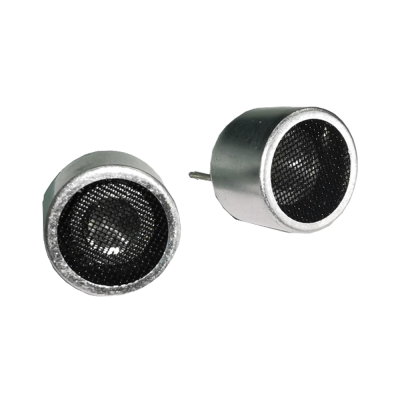
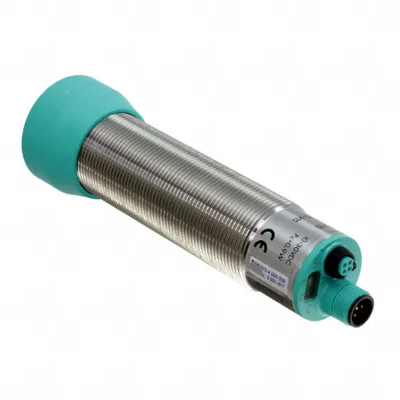


Comprehensive Sourcing Guide
Strategic Sourcing Guide for Medical Equipment Ultrasonic Distance Sensors
Understanding Technical Specifications and Performance Parameters
When sourcing ultrasonic distance sensors for medical equipment, the primary objective is to identify components that deliver reliable non-contact measurement within strict safety and precision constraints. The available market data indicates a diverse range of sensor architectures, specifically distinguishing between analog and digital output types. Buyers must carefully evaluate the signal processing requirements of their specific medical device. Some units are designed with an analog output signal type, which may require additional signal conditioning circuitry within the host device, while others provide a digital output, simplifying integration with microcontrollers and digital logic systems.
The physical detection capabilities are equally critical. High-performance units in the current supply chain offer a detection range spanning from 25 to 500 centimeters, a span that accommodates various medical applications from bedside monitoring to surgical positioning. Precision is a key differentiator; observed specifications indicate a measurement accuracy (precision) ranging between 2 and 3 centimeters. For medical contexts where millimeter-level accuracy is often preferred, buyers must verify if the specific unit meets the tolerance requirements of the intended application or if the 2-3 cm range is sufficient for general distance monitoring.
The operating frequency is another fundamental specification. The supply chain features transducers operating within the 40 kHz band, specifically noted as 40±1.5 kHz or 40±1.5 kHz. This frequency range is standard for ultrasonic applications but requires verification against the specific acoustic environment of the medical device. The ringing time, a measure of how long the transducer continues to vibrate after excitation, is observed to be less than or equal to 1.8 milliseconds. A shorter ringing time generally allows for faster response rates and better resolution of close-range objects. Additionally, the center frequency and capacitance values, such as 1800±15% pF, are essential for matching the sensor to the driving electronics of the medical equipment.
Compliance, Certification, and Safety Standards
In the medical sector, regulatory compliance is not merely a formality but a prerequisite for market entry and patient safety. The observed product data highlights several certifications that serve as indicators of manufacturing quality and environmental compliance. RoHS (Restriction of Hazardous Substances) is a prominent certification observed in the supply, ensuring that the sensors are free from specific hazardous materials. This is particularly relevant for medical devices that may come into contact with patients or require strict disposal protocols.
Beyond environmental standards, international quality management systems are critical. The supply chain includes products certified under ISO standards, which suggests a commitment to consistent quality management processes. Furthermore, CE certification is noted, indicating compliance with European health, safety, and environmental protection standards. For buyers targeting global markets, verifying the presence of these certifications is essential. It is important to note that while these certifications are observed in the product listings, buyers must request current, valid certificates for the specific batch or model being procured to ensure ongoing compliance.
Safety in medical environments often necessitates robust physical protection. The observed data points to an IP67 rating for waterproofing. This rating implies that the sensor is dust-tight and can withstand immersion in water up to 1 meter for 30 minutes. For medical equipment that may undergo frequent sterilization or cleaning with liquids, an IP67 rating is a significant advantage. However, buyers should confirm that the specific sensor model maintains this rating under the specific operating conditions of their device, as the rating applies to the sensor housing and may not account for the entire assembly.
Cost Drivers and Economic Factors in Procurement
The economic landscape for sourcing ultrasonic distance sensors involves several variables that influence the final cost. The observed price range in the market is broad, spanning from $0.21 to $599. This wide disparity suggests that the cost is heavily dependent on the complexity of the sensor, the integration level, and the specific customization required. Lower-cost units likely represent standard, off-the-shelf components with basic analog or digital outputs, while higher-priced units may include advanced features, higher precision, or specialized medical-grade housing.
Production processes significantly impact pricing. The data indicates that sensors are manufactured using ceramics or integration processes. Ceramic production often involves more complex molding and firing techniques, which can increase the unit cost compared to simpler integration methods. Customization is a major cost driver; the supply chain explicitly lists "Customization" and "Customized" as available attributes. Buyers seeking custom probe shapes, specific wiring configurations, or tailored output signals should anticipate a higher unit cost and potentially higher Minimum Order Quantities (MOQ).
The MOQ observed ranges from 1 to 50 units. This flexibility allows for prototyping and small-batch production, which is valuable for medical device startups. However, larger orders may benefit from economies of scale. Packaging is another factor; while some units come in standard cartons with 2000 pieces per package, others offer customization. Bulk purchasing in standard packaging can reduce logistics costs, whereas custom packaging for medical device integration may add to the expense. Buyers should balance the need for customization against the budget constraints of their project, considering that the lead time for customized orders is usually 7 days after payment, which may affect overall project timelines.
Typical Applications in Medical Device Integration
The versatility of ultrasonic distance sensors makes them suitable for a wide array of medical applications. The observed detection modes, such as direct reflection type, and working modes like transceiver, support various functional requirements. One primary application is in patient monitoring systems. Sensors with a detection range of 25 to 500 cm can be used to monitor patient positioning, bed occupancy, or the distance of medical carts from critical areas. The high sensitivity observed in some models ensures that even subtle movements can be detected, which is crucial for fall prevention systems.
In surgical and diagnostic equipment, the waterproof IP67 rating and the ability to operate in temperatures ranging from -40 to +85 Celsius make these sensors ideal for use in sterile environments or devices that undergo autoclaving. The straight probe and dual probe configurations allow for flexible mounting options. For instance, a dual probe setup might be used in robotic surgical arms to provide redundancy and enhanced accuracy in positioning. The specific model KT40-1431B and similar variants, with their 40 kHz frequency, are well-suited for applications requiring non-contact measurement of fluid levels or tissue displacement.
Furthermore, the ability to measure gas as a medium suggests potential use in respiratory equipment or anesthesia machines where gas flow or volume needs to be monitored without physical contact. The analog and digital output options allow these sensors to be integrated into both legacy analog control systems and modern digital IoT-enabled medical devices. The 12-24VDC power supply requirement is standard for medical electronics, ensuring compatibility with a wide range of power management systems within hospital equipment.
Supplier Evaluation and Selection Criteria
Selecting the right supplier requires a rigorous evaluation of their capabilities beyond the basic product listing. Buyers should prioritize suppliers who demonstrate a clear commitment to the customization process. The availability of OEM (Original Equipment Manufacturer) services and customized production processes indicates a supplier's ability to tailor products to specific medical device requirements. It is essential to verify the supplier's production capacity and their ability to maintain consistent quality across batches, especially given the critical nature of medical applications.
The production origin is listed as China, which is a major hub for electronic component manufacturing. While this offers competitive pricing, buyers must ensure that the supplier adheres to international quality standards. The presence of ISO and CE certifications is a positive indicator, but buyers should request documentation to verify the scope of these certifications. Additionally, the lead time of usually 7 days after payment is a key operational metric. Buyers must assess whether this lead time aligns with their production schedule, especially for urgent medical device development cycles.
Quality control is paramount. Buyers should inquire about the supplier's testing protocols for the observed specifications, such as the 1.8ms ringing time and the 40±1.5 kHz frequency tolerance. The supplier should be able to provide test reports that confirm these parameters for the specific batch. The warranty period of 1 year is a standard offering, but buyers should clarify the terms of the warranty, including coverage for defects and the process for replacement. Finally, the supplier's responsiveness to technical queries and their ability to provide engineering support for integration issues are critical factors in the selection process.
Quality Control and Long-Term Procurement Considerations
Ensuring the long-term reliability of ultrasonic sensors in medical equipment requires a robust quality control strategy. The observed specifications, such as the operating temperature range of -40 to +85 Celsius and the IP67 waterproof rating, must be validated under the actual operating conditions of the medical device. Buyers should conduct environmental stress testing to ensure that the sensors maintain their performance over time, particularly in the presence of humidity, temperature fluctuations, and potential chemical exposure from cleaning agents.
The production process, whether ceramic or integration-based, influences the long-term durability of the sensor. Ceramic components are generally robust, but the integration process must be scrutinized to ensure that the internal connections are secure and resistant to vibration and shock. The terminal configuration, such as the Xh2.54 * 2pin, should be verified for compatibility with the host device's connectors to prevent connection failures.
For long-term procurement, buyers should consider the lifecycle of the sensor model. The presence of specific model numbers like FHYCU18E-30NP/D G02M and KT40-1431B suggests that these are established products, but buyers must ensure that the supplier can support these models for the expected lifespan of the medical device. Supply chain stability is crucial; buyers should assess the supplier's ability to maintain inventory levels and their contingency plans for supply disruptions. The ability to customize the production process and standard allows for future-proofing, enabling the medical device manufacturer to adapt to changing requirements without switching suppliers.
Comparative Analysis of Sensor Attributes
To facilitate decision-making, the following table summarizes key attributes observed in the supply chain, highlighting the variations available to buyers. This comparison aids in selecting the most appropriate sensor for specific medical applications based on output type, precision, and environmental resistance.
| Attribute | Observation A | Observation B | Observation C |
|---|---|---|---|
| Output Signal Type | Analog Type | Digital Type | Mixed (Model Dependent) |
| Detection Range | 25~500 cm | 25~500 cm | Variable (Model Dependent) |
| Precision | 2~3 cm | 2~3 cm | Variable (Model Dependent) |
| IP Rating | IP67 | IP67 | Variable (Model Dependent) |
| Working Mode | Transceiver | Transceiver | Tx-Rx Dual-Use |
| Probe Type | Dual Probe | Straight Probe | Variable (Model Dependent) |
| Frequency | 40±1.5 kHz | 40±1.5 kHz | 40~66 kHz (Transducer) |
| Power Supply | 12-24VDC | 12-24VDC | Variable (Model Dependent) |
| Certification | RoHS, ISO, CE | RoHS, ISO, CE | Variable (Model Dependent) |
| Customization | Available | Available | Customized |
This table illustrates that while core specifications like frequency and power supply are consistent across many models, the output signal type and probe configuration offer significant flexibility. Buyers must match these attributes to the specific technical requirements of their medical device design. The presence of both analog and digital options allows for integration into diverse system architectures, while the consistent IP67 rating and certification standards provide a baseline for quality and safety.
In conclusion, sourcing ultrasonic distance sensors for medical equipment requires a balanced approach that considers technical performance, regulatory compliance, and supplier reliability. By leveraging the observed data and adhering to strict quality control measures, buyers can secure components that meet the rigorous demands of the medical industry. The availability of customization and the wide range of specifications provide the necessary flexibility to develop innovative and safe medical devices.
FAQs
What certifications do medical ultrasonic sensors have?
The sensors are certified with RoHS, ISO, and CE standards. These certifications indicate compliance with hazardous substance restrictions and international quality management systems, ensuring safety for medical environments.
How precise are the distance measurements provided?
The measurement precision ranges between 2 to 3 centimeters. This accuracy level supports general monitoring applications, though specific medical tasks requiring higher resolution may need further verification of the selected model.
Can these sensors operate in wet medical environments?
Yes, the sensors feature an IP67 waterproof rating. This allows them to withstand dust and immersion in water up to one meter for thirty minutes, making them suitable for sterilization and cleaning processes.
What is the typical lead time for orders?
The usual lead time is seven days after payment is completed. This duration applies to standard orders, while customized requests may require specific scheduling confirmation from the supplier.
Which output signal types are available for integration?
Both analog and digital output signal types are available in the supply chain. Buyers must select the specific type based on their device's signal processing requirements and microcontroller compatibility.
What is the detection range of these sensors?
The detection range spans from 25 to 500 centimeters. This wide range accommodates various medical applications, from bedside monitoring to positioning larger surgical equipment.