Source Commercial Automatic Ice Bath Machine for Food, Drinks, and Fresh Storage
Explore 30 Commercial Automatic Ice Bath Machine options for food processing, beverage cooling, and fresh storage. Compare stainless steel models with integral structures, varying capacities, and certifications like CE and UL to find the right solution for your business needs.
Key considerations
Products List


Cold Bath Vs Ice Bath Dedicated Air Cooled Commercial Ice Maker Machine
$130.00 - $630.00
MOQ: 1 Pieces


High Productivity Fully Automatic Commercial Ice Bath Maker Ice Storage
$1178.08 - $3200.00
MOQ: 1 Pieces

Easy-to-Clean Automatic Air Cooled Commercial Ice Machine Ice Cube Machine
$240.00 - $730.00
MOQ: 10 Pieces
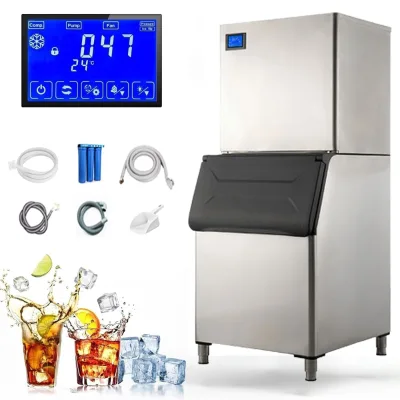


1HP Ice Bath Machine for Powerful Cooling with Low Energy Consumption
$520.00 - $1140.00
MOQ: 1 Pieces


Water-Cooled Automatic Ice Bath Machine 110/220V Ice Bath Chiller Compressor
$205.00 - $235.00
MOQ: 1 Pieces

R290 Water-Cooled Ice Bath Machine 110/220V Ice Bath Chiller Condensing Unit
$415.00 - $465.00
MOQ: 1 Pieces


Comprehensive Sourcing Guide
Commercial Automatic Ice Bath Machine Sourcing Guide
Procuring a Commercial Automatic Ice Bath Machine requires distinguishing between units designed for food processing and those intended for general cooling applications. The observed market data indicates a strong presence of systems specifically configured for drink and food processing, often featuring integral structures and stainless steel construction to meet hygiene standards. Buyers must verify that the selected unit aligns with their specific operational needs, whether for maintaining product freshness or facilitating industrial cooling processes.
The available inventory reveals a diverse range of configurations, including both air-cooled and water-cooled condensing modes. While some models are explicitly labeled for household or commercial use, others target industrial sectors with higher power requirements exceeding 400W. It is critical to confirm the cooling water type, as some units require industrial water sources, which impacts installation infrastructure and ongoing maintenance costs for the facility.
Product Scope and Observed Listing Signals
Buyers should scrutinize the listed product attributes to ensure the machine matches the intended application environment. The data shows units with specific features like automatic cleaning devices and filtering systems, which are essential for maintaining hygiene in food processing applications. However, not all listed models include these features; some are specified as having no filtering device, necessitating a careful review of the technical specifications before finalizing a purchase order.
The physical dimensions and structural types vary significantly across the listings, ranging from compact units to larger industrial machines. Observations indicate standard dimensions such as 880x640x990mm and 760x850x1608mm, alongside integral type structures that simplify installation. Procurement teams must match these physical constraints with their available floor space and ensure the machine size, whether medium or large, fits the operational workflow without causing bottlenecks.
Technical Specifications to Verify
Technical verification must begin with the power and voltage requirements to ensure compatibility with existing facility infrastructure. The observed listings include units operating at 220V with power consumption exceeding 400W, which may require dedicated circuits or transformers depending on the local grid capacity. Buyers should confirm the specific voltage and power rating of the unit to prevent electrical failures or inefficient operation during peak usage periods.
The cooling mechanism and ice temperature range are equally critical for operational success. While some systems utilize frequency fans and closed systems, others rely on water-cooled condensing modes. The ice temperature is typically observed between 0°C and -5°C, suitable for various cooling needs, but the specific ice shape, such as cube ice, must align with the end-user requirements for the ice bath application.
Compliance and Safety Documentation
Safety compliance is a non-negotiable aspect of sourcing industrial equipment, and buyers must verify the presence of recognized certifications. The market data lists multiple certifications including CE, RoHS, UL, and ISO, which indicate adherence to international safety and environmental standards. However, the presence of these certifications on a listing does not guarantee every unit possesses them; documentation must be requested and validated for the specific model being purchased.
In addition to general safety certifications, specific machinery test reports are available for some units, providing evidence of performance and reliability. These reports are vital for validating that the core components, such as compressors, meet the necessary quality thresholds. Procurement teams should insist on receiving these test reports to ensure the machine has undergone rigorous quality checks before deployment in a commercial setting.
Cost Drivers and Commercial Terms
Pricing in this sector is influenced by the complexity of the cooling system and the materials used in construction. Units constructed from stainless steel 304 or standard stainless steel often command higher prices due to durability and corrosion resistance, which are essential for food-grade applications. The observed price range spans from 130 to 20,000 USD, reflecting the vast difference between basic models and fully automated, industrial-grade systems with advanced features.
Commercial terms such as minimum order quantity and delivery times also play a significant role in the total cost of ownership. Listings indicate a flexible MOQ ranging from 1 to 10 units, allowing for smaller initial purchases, while delivery times are typically around 25 days. Buyers should factor in these lead times when planning inventory levels and ensure that the packaging, often wooden boxes or frames, is sufficient to protect the equipment during transit.
Supplier Qualification and Quality Control
Supplier qualification involves assessing the manufacturer's ability to provide consistent quality and after-sales support. The data highlights that many suppliers offer warranties ranging from 1 to 3 years, which serves as a key indicator of their confidence in product longevity. Buyers should prioritize suppliers who explicitly state their warranty terms and provide clear procedures for claims, ensuring that any potential defects are addressed promptly without disrupting operations.
Quality control extends to the customization options available for the machinery. The observed listings confirm that customization is available, allowing buyers to tailor the machine to specific operational needs. However, this flexibility requires clear communication of requirements to the supplier to ensure that the final product meets the exact specifications for automation, structure, and application fields, preventing costly modifications after delivery.
Long-Term Procurement Checks
Long-term procurement success depends on verifying the availability of spare parts and the robustness of the maintenance plan. The inclusion of automatic cleaning devices and filtering systems suggests a focus on reducing manual labor, but these components require regular servicing to remain effective. Buyers should establish a maintenance schedule that accounts for the wear and tear on these specific parts to ensure the machine continues to operate efficiently over its lifespan.
Finally, buyers must monitor the evolution of the product line to ensure continued compatibility with future operational needs. As technology advances, the core components and control systems may be updated, potentially rendering older models obsolete or harder to maintain. Establishing a relationship with a supplier who offers ongoing technical support and updates will help mitigate the risks associated with long-term equipment ownership and ensure the ice bath machine remains a reliable asset.
FAQs
What certifications are available for commercial automatic ice bath machines?
Commercial automatic ice bath machines typically feature multiple safety and compliance certifications to ensure global market acceptance. High-confidence product data indicates that models are available with CSA, RoHS, UR, ISO, UL, CE, and CCC certifications. These credentials verify electrical safety, environmental compliance, and manufacturing quality standards for industrial and commercial applications.
Can commercial automatic ice bath machines be customized for specific needs?
Yes, customization is available for commercial automatic ice bath machines to meet specific operational requirements. Buyers can request tailored specifications to align with unique facility layouts or processing workflows. This flexibility allows businesses to integrate the equipment seamlessly into existing production lines while maintaining optimal performance and efficiency for their specific commercial or industrial use cases.
What is the typical lead time for delivering commercial automatic ice bath machines?
The typical lead time for delivering commercial automatic ice bath machines is approximately 25 days. This duration covers manufacturing, quality assurance, and preparation for shipment. Buyers should account for this timeframe when planning inventory or facility upgrades, ensuring that production schedules align with equipment arrival to minimize downtime and maintain continuous operational efficiency in commercial settings.
How is the Commercial Automatic Ice Bath Machine packaged for shipping?
Commercial automatic ice bath machines are packaged in sturdy wooden boxes or wooden frames to ensure safe transit. This protective packaging safeguards the integral unit structure and sensitive components like compressors from damage during logistics. The robust packing method is essential for maintaining product integrity, especially when shipping heavy stainless steel equipment across international distances to various global destinations.
What material is used to construct commercial automatic ice bath machines?
Commercial automatic ice bath machines are primarily constructed from stainless steel, often grade 304, for durability and hygiene. This material choice ensures resistance to corrosion and easy cleaning, which is critical for food processing and fresh drink applications. The stainless steel construction supports the integral type structure, providing a robust and long-lasting solution for demanding commercial and industrial environments.
What is the warranty period for commercial automatic ice bath machines?
Warranty periods for commercial automatic ice bath machines vary, with options including 1 year and 3 years coverage. These warranties typically cover core components such as the compressor and provide assurance for long-term reliability. Buyers should verify the specific warranty terms associated with their selected model to ensure adequate protection for their investment and operational continuity in commercial settings.