Source Construction Electrical Cable for Overhead, Heating, and Underground Use
Find 30 Construction Electrical Cable options featuring copper conductors and PVC or XLPE insulation. Compare specifications for overhead, heating, and underground applications, including voltage ratings and certification details from manufacturers in China; compare the available evidence and request quotations based on your requirements.
Key considerations
Products List




Comprehensive Sourcing Guide
Construction Electrical Cable Sourcing Guide
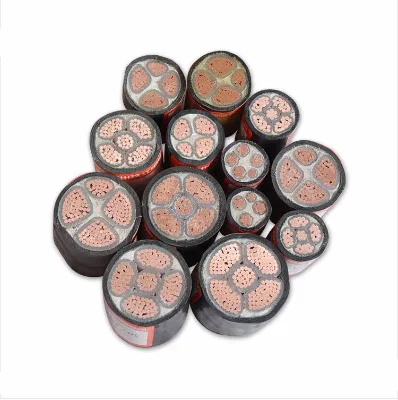
Buyers must first distinguish between the diverse product types available, as listings reveal a spectrum ranging from standard insulated wires to specialized heavy-duty cables. The observed data indicates a primary focus on copper conductors with XLPE or PVC insulation, suitable for overhead, underground, and heating applications. This variety necessitates a clear definition of the specific electrical environment before engaging with suppliers, as the material shape and conductor type, whether solid or stranded, directly impact installation flexibility and current-carrying capacity.
Procurement teams should also scrutinize the listed voltage ratings and cross-section ranges to ensure compatibility with the intended project infrastructure. The market data shows products rated for 300/500V and 450/750V, alongside options for low and medium voltage applications. Verifying that the selected cable model, such as YJV or JHS, aligns with the specific mechanical stress and environmental exposure of the construction site is critical to preventing premature failure or safety hazards during the operational lifecycle.
Product Scope and Observed Listing Signals
The observed product listings highlight a significant variation in packaging and origin, which serves as a primary signal for logistics planning and quality expectations. Suppliers from Guangdong and Zhejiang provinces offer options ranging from neutral packaging to export-grade wooden and steel drums, indicating different levels of protection for long-distance shipping. Buyers should correlate the packaging type with the cable's physical dimensions and weight to avoid damage during transit, ensuring that the delivery method matches the fragility of the insulation materials like PTFE or PVC.
Another critical signal is the customization availability, which appears frequently across the listings and suggests a flexible supply chain capable of meeting unique project specifications. The data confirms that manufacturers offer customized models, colors, and conductor types, allowing for tailored solutions in complex construction scenarios. However, buyers must verify that these customizations do not compromise the standard electrical properties or lead times, as the observed delivery windows can vary significantly depending on the complexity of the requested modifications.
Technical Specifications to Verify
Technical verification begins with confirming the conductor material and its physical configuration, as the listings explicitly mention both solid and stranded copper options. Solid conductors are typically preferred for fixed installations where flexibility is less critical, while stranded conductors offer the necessary bendability for routing through tight conduits or dynamic environments. Procurement teams must ensure the selected product matches the mechanical requirements of the specific installation point to maintain structural integrity and electrical continuity throughout the building's lifespan.
Insulation and sheath materials require equally rigorous scrutiny, with XLPE and PVC being the most commonly observed materials in the current market data. The choice between these materials depends heavily on the application environment, such as whether the cable will be exposed to high temperatures, moisture, or chemical agents. Buyers should cross-reference the listed standard specifications, such as the 1.5-400 mm² cross-section range, against the project's load calculations to guarantee that the cable can safely handle the anticipated current without overheating or insulation breakdown.
Compliance and Safety Documentation
Safety compliance is non-negotiable in construction projects, and the observed listings frequently cite certifications like VDE, RoHS, CCC, CE, and ISO. These marks indicate that the products have undergone testing for electrical safety, environmental restrictions, and quality management systems, which are essential for passing local building inspections. Buyers must request valid, up-to-date certificates for each batch of cables to ensure that the supplier maintains consistent adherence to these rigorous standards rather than relying on generic claims.
In addition to general certifications, specific regional standards such as ASTM, BS, DIN, CSA, IEC, and GB must be verified against the destination country's regulatory framework. The presence of these standards in the product data suggests a broad compliance capability, but the buyer must confirm that the specific cable model meets the exact local code requirements for the construction site. Failure to secure the correct documentation can lead to project delays, rejected shipments, or legal liabilities if the installed electrical systems do not meet mandatory safety regulations.
Cost Drivers and Commercial Terms
The pricing structure for construction electrical cables is heavily influenced by the fluctuating cost of raw copper and the complexity of the insulation materials used. The observed price range of 0.03 to 520 USD reflects the vast difference between small-gauge wires and large industrial cables, making it essential for buyers to request detailed quotes based on specific cross-sections and lengths. Understanding these cost drivers helps in budgeting accurately and anticipating potential price adjustments due to global commodity market volatility.
Commercial terms such as MOQ, lead time, and payment conditions also play a pivotal role in the total cost of ownership. The data indicates MOQs ranging from 1 to 6100 units, with lead times typically within 20 days for standard orders, though customized requests may extend this window. Buyers should negotiate flexible terms that accommodate their project timeline while ensuring that the supplier can maintain quality control during high-volume production runs, balancing cost efficiency with the need for timely delivery.
Supplier Qualification and Quality Control
Supplier qualification should extend beyond basic certification checks to include an assessment of their manufacturing capabilities and quality control processes. The listings identify several manufacturers with features like ODM/OEM services and sample order acceptance, which are positive indicators of a responsive and capable supply chain. However, buyers must verify the supplier's track record in producing cables that consistently meet the specified standards, particularly for critical applications where failure could result in significant safety risks.
Quality control measures must be explicitly defined in the procurement contract, including requirements for pre-shipment inspections and third-party testing. The observed data mentions high-quality attributes, but these are subjective without objective verification protocols. Buyers should mandate that the supplier provides test reports for key parameters such as voltage withstand, insulation resistance, and mechanical strength, ensuring that every delivered batch meets the agreed-upon technical specifications before it leaves the factory.
Long-Term Procurement Checks
Establishing a long-term procurement strategy requires regular audits of supplier performance and product consistency over time. The construction industry often involves multi-year projects where the reliability of electrical components is paramount, making it essential to monitor the supplier's ability to maintain quality and delivery schedules across multiple orders. Buyers should implement a system for tracking defect rates and response times to ensure that the supplier remains a reliable partner throughout the project lifecycle.
Continuous verification of compliance and standard updates is also crucial, as regulatory requirements and industry standards evolve. Buyers must stay informed about changes in certifications like VDE or IEC that might affect the validity of previously approved products. By maintaining an active dialogue with suppliers and conducting periodic reviews of their documentation and production processes, procurement teams can mitigate risks and ensure that the electrical infrastructure remains safe and compliant for the long term.
FAQs
What certifications are available for construction electrical cables?
Construction electrical cables typically carry VDE, RoHS, CCC, CE, and ISO certifications. These standards ensure compliance with international safety and environmental regulations. Buyers should verify specific certification requirements for their target market to guarantee regulatory acceptance and product reliability in industrial applications.
Which conductor materials are used in these cables?
Copper is the primary conductor material for high-performance construction electrical cables. Some variants may use aluminum or bare copper wire depending on the specific model. Copper offers superior conductivity and durability, making it the preferred choice for overhead, underground, and heating applications in construction projects.
Can I customize the cable specifications for my project?
Yes, customization is available for construction electrical cables. Manufacturers offer options for insulation materials like XLPE, sheath materials like PVC, and specific voltage ratings. Buyers can request custom colors, packaging, and cross-sections ranging from 1.5 to 400 mm2 to meet unique project requirements.
What is the typical delivery lead time for orders?
The typical delivery lead time is within 20 days for standard orders. This timeframe allows for efficient production and quality control. Buyers should confirm lead times with suppliers, as complex customizations or large MOQs may extend the schedule slightly beyond the standard window.
What packaging options are provided for shipping?
Packaging options include wooden drums, steel-wooden drums, steel drums, and carton packing. Export wooden drums are commonly used for bulk shipments. Neutral packaging is also available. These robust methods protect the cables during transit and ensure they arrive in optimal condition for installation.
What voltage ratings are supported by these cables?
These cables support voltage ratings of 300/500V and 450/750V. They are suitable for low and medium voltage applications. This versatility allows them to be used in various construction scenarios, from local communication to long-distance symmetric cable installations, ensuring reliable power transmission.