Source Construction Grade Concrete Pigments for Paints, Coatings, and Cement
Find 30 Construction Grade Concrete Pigments for paints, coatings, and cement applications. Compare synthetic iron oxide options in various colors, mesh sizes, and packaging to select the right industrial-grade materials for your manufacturing needs; compare the available evidence and request quotations based on your requirements.
Key considerations
Products List


High-Quality Construction Pigments for Reliable Industrial Coating Applications
$750.00 - $950.00
MOQ: 2 Tons

High-Quality Construction Pigments for Enhanced Durability and Performance
$750.00 - $950.00
MOQ: 2 Tons

High-Quality Exterior Coating Pigments for Reliable Construction Applications
$750.00 - $950.00
MOQ: 2 Tons




Comprehensive Sourcing Guide
Construction Grade Concrete Pigments Sourcing Guide
Procurement professionals must first distinguish between general synthetic oxide pigments and those specifically engineered for construction applications. The available market data indicates a strong presence of iron oxide-based products, including yellow, red, and black variants, which are chemically stable and suitable for coloring concrete, cement, and floor tiles. Buyers should verify that the specific product model aligns with "building grade" or "construction grade" specifications rather than general industrial grades intended for plastics or textiles.
The observed product listings reveal a diverse range of physical forms, primarily powders, with mesh sizes ranging from 325 to 600 mesh. This granularity is critical for ensuring uniform dispersion within the concrete matrix without compromising the structural integrity of the final pour. Sourcing teams should prioritize suppliers who explicitly list applications in concrete and cement, as general pigment listings often lack the specific particle size distributions required for high-volume construction mixes.
Product Scope and Observed Listing Signals
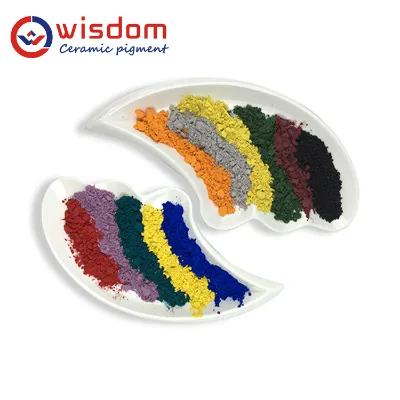
Buyers should analyze the color spectrum and chemical composition to ensure the pigment matches the desired aesthetic outcome for the project. The market offers a wide array of colors including violet, yellow, orange, blue, red, green, brown, black, and white, with iron oxide serving as the primary composition for many of these hues. It is essential to confirm that the specific color requested, such as iron oxide yellow or chrome oxide green, is available in the required mesh size for the intended concrete application.
Packaging and storage conditions are significant indicators of product quality and handling requirements. Most observed listings utilize 25kg woven bags, often with polyethylene film liners to prevent moisture ingress, which is vital for maintaining the shelf life of the pigment. Procurement teams must verify that the supplier adheres to storage conditions requiring ventilation and low-temperature drying to prevent clumping or degradation before the material reaches the construction site.
Technical Specifications to Verify
Technical due diligence requires confirming the mesh size and chemical standard to ensure compatibility with the concrete mix design. The observed specifications include standards such as 325 mesh, 600 mesh, and specific chemical compositions like Fe2O3 and Fe3O4. Buyers must request test reports that verify the particle size distribution, as finer grades may be necessary for smooth finishes while coarser grades might be preferred for textured surfaces or specific aggregate blends.
The coloring rate and solubility characteristics are critical performance metrics that influence the dosage and final color intensity of the concrete. Listings indicate a coloring rate of up to 99% for certain grades, suggesting high efficiency in pigment usage. However, procurement teams should not assume this performance applies to all listed products without verification, as solubility and dispersion properties can vary significantly between synthetic oxide types and specific product models.
Compliance and Safety Documentation
Safety data sheets and material safety documentation are mandatory for any pigment used in construction environments where worker exposure is a concern. While some listings mention ISO9001:2000 certification, buyers must ensure that the specific batch of construction-grade pigment complies with local environmental and safety regulations regarding heavy metals and dust inhalation. It is the buyer's responsibility to request current safety data sheets that detail the handling, storage, and disposal requirements for the specific iron oxide or synthetic oxide product.
Regulatory compliance extends to the origin and manufacturing standards of the pigment. The observed data points to products originating from China, specifically Shandong, which may require additional verification of export compliance and import regulations in the destination country. Procurement teams should verify that the supplier can provide documentation confirming the product meets the specific construction standards required by the project location, rather than relying solely on general certification claims.
Cost Drivers and Commercial Terms
Pricing in the construction pigment market is influenced by the specific grade, color, and packaging requirements rather than a single uniform rate. The observed price range is broad, spanning from $0.65 to $3800, reflecting the difference between bulk industrial grades and specialized, high-performance construction pigments. Buyers must clarify whether the quoted price includes the cost of specialized packaging, such as 25kg PP bags with PE film liners, which can significantly impact the total landed cost.
Minimum order quantities and lead times are key commercial variables that affect project scheduling and inventory management. The market data shows MOQs ranging from 1kg to 5000kg, with lead times typically estimated at 5 to 7 days for standard orders. Procurement teams should negotiate terms that align with the project timeline, ensuring that the supplier can meet the required delivery schedule without compromising on the quality or availability of the specific construction-grade pigment.
Supplier Qualification and Quality Control
Supplier qualification should focus on their ability to consistently produce pigments that meet the specific mesh and chemical standards required for construction. The presence of multiple product models, such as RHB-MA or specific building grade identifiers, suggests a need to verify that the supplier has a robust quality control system for each distinct model. Buyers should request evidence of batch-to-batch consistency, particularly regarding color uniformity and particle size distribution, to prevent variations in the final concrete appearance.
Quality control processes must also address the shelf life and storage stability of the pigment during transit and on-site storage. The observed shelf life is listed as 24 months, but this is contingent upon proper storage conditions involving ventilation and low temperatures. Procurement teams should include clauses in their contracts that hold the supplier accountable for maintaining these conditions during shipping and verify that the packaging is intact upon arrival to ensure the pigment remains viable for use.
Long-Term Procurement Checks
Establishing a long-term procurement strategy requires regular audits of the supplier's ability to maintain consistent product specifications over time. Buyers should implement a schedule for periodic testing of incoming pigment batches to verify that the mesh size, color intensity, and chemical composition remain within the agreed-upon parameters. This proactive approach helps identify any drift in quality before it impacts large-scale construction projects, ensuring that the final concrete structures meet the required aesthetic and performance standards.
Supply chain resilience is another critical factor for long-term success, particularly given the variability in lead times and production capacity. Procurement teams should develop contingency plans that include alternative suppliers or buffer stock levels to mitigate risks associated with supply disruptions. Regular reviews of the supplier's performance, including their adherence to delivery schedules and quality standards, will help maintain a reliable supply of construction-grade pigments for future projects.
FAQs
What colors are available for Construction Grade Concrete Pigments?
Construction Grade Concrete Pigments are available in a wide range of colors including yellow, orange, blue, red, green, brown, black, and white. These synthetic oxide pigments provide consistent coloring for various applications. The high coloring rate ensures vibrant and durable results in concrete and cement products.
Can I customize the packaging for bulk orders?
Yes, customization is available for packaging requirements. Standard options include 25kg woven bags, paper bags, or PP bags with PE film lining. Buyers can request specific packaging solutions to suit their logistical needs. This flexibility ensures safe transport and storage of the powder pigments during shipping.
What is the typical lead time for delivery?
The typical lead time for delivery is 5 to 7 days. This timeframe applies to standard orders placed with confirmed specifications. Buyers should account for this duration when planning production schedules. Expedited options may be available depending on stock levels and specific supplier capabilities.
Which certifications do these pigments typically hold?
These pigments typically hold ISO9001:2000 certification, ensuring quality management standards are met. This certification indicates reliable manufacturing processes and consistent product quality. Buyers can verify these credentials to ensure compliance with industry standards for construction materials and chemical products.
What is the minimum order quantity for these pigments?
The minimum order quantity starts at 1kg, allowing for small trial orders. Larger bulk orders can be placed up to 5000kg depending on supplier capacity. This flexible MOQ supports both small-scale projects and large industrial procurement needs without excessive minimum commitments.
How should these pigments be stored to maintain quality?
Store these pigments in a ventilation, low temperature, and drying environment. Proper storage prevents clumping and maintains the powder form. Keep containers sealed when not in use to protect against moisture. Adhering to these conditions ensures the pigments remain effective throughout their 24-month shelf life.