Source Construction Thickener HPMC for Tile Adhesive, Wall Putty, and Mortar
Find 30 verified options for Construction Thickener HPMC powder used in tile adhesive, wall putty, and mortar applications. Compare specifications including viscosity, solubility, and packaging to select the right cellulose ether for your project needs.
Key considerations
Products List


Chemical Thickener Construction Special Mortar Hydroxypropyl Methyl Cellulose HPMC
$1950.00 - $3200.00
MOQ: 1 Tons


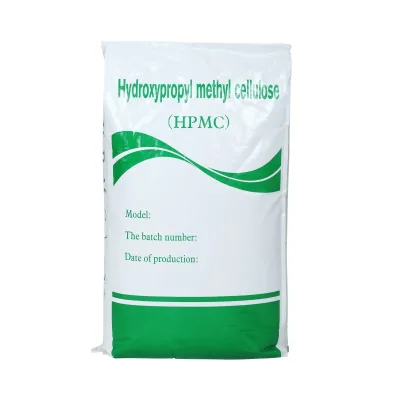
Hpmc Industrial Grade Thickener for Construction
$1695.10 - $3248.07
MOQ: 1 Minimum
Shijiazhuang Fuqiang Building Materials Technology Co., Ltd.


Comprehensive Sourcing Guide
Strategic Sourcing Guide for Construction Thickener HPMC
Understanding the Product Category and Technical Baseline
When sourcing Hydroxypropyl Methylcellulose (HPMC) for construction applications, buyers must first distinguish between the broad chemical class and the specific performance requirements of the target market. The product under review is fundamentally classified as a heterogeneous catalyst in some industrial contexts, yet its primary application in the construction sector is as a thickening and water-retention additive. The core material is derived from fine cotton, processed into a white powder with a density ranging between 0.35 and 0.55 g/cm³. This physical state is critical for handling and mixing efficiency in mortar formulations.
The product functions primarily as a binder and a thickener, designed to improve the workability of tile adhesives and wall putty powders. A key technical attribute observed in the supply data is the solubility profile; the material is soluble in water, which dictates the mixing protocols required on the construction site or in the factory. The particle size is a significant variable, with specific models offering a 100 mesh specification. This granularity affects the dissolution rate and the final texture of the mortar. Buyers should note that the product is available in various viscosity grades, with observed ranges spanning from 000 cps to values reaching 200,000 mpa·s. The specific model numbers, such as HPMC-16, 70K, 100K, 120K, and 200,000 mpa·s, serve as identifiers for these viscosity tiers. Understanding that these models represent different performance levels is essential for matching the product to the specific rheological needs of the end application.
Compliance, Certification, and Standard Verification
In the construction industry, regulatory compliance and quality assurance are non-negotiable. The supply data indicates that manufacturers in this sector often adhere to ISO 9001 standards, which serves as a baseline for quality management systems. However, buyers must verify if this certification applies to the specific batch or facility they are engaging with, rather than assuming it covers all product lines. The product is marketed as Industrial Grade, which implies it meets specific performance thresholds for construction use but may not carry the same purity certifications as pharmaceutical-grade cellulose.
The purity of the material is a critical compliance metric, with observed data suggesting a 99% purity level. This high purity is necessary to ensure that the additive does not introduce contaminants that could compromise the structural integrity of the mortar or cause discoloration. Furthermore, the product is often associated with other names such as Cellulose Ether and Cellulose, which can lead to confusion in procurement if the exact chemical specification is not defined. Buyers should explicitly request documentation confirming the carboxyl number, with some data points referencing a Dicarboxylic Acid value, to ensure the chemical structure aligns with the intended thickening mechanism.
Regarding standards, the supply chain lists specific packaging standards like 25kg/bag and 500kg or 600kg/pallet configurations. While these are logistical standards, they often reflect the manufacturer's adherence to international shipping and handling norms. It is imperative for buyers to confirm that the "25kg/bag" standard is consistent across all orders to prevent discrepancies in inventory management. Additionally, the presence of an OEM (Original Equipment Manufacturer) allowance indicates that suppliers are willing to customize the product, but this customization must be strictly documented to ensure that the core chemical properties remain within the agreed-upon specifications.
Cost Drivers and Pricing Dynamics
The pricing for construction thickeners is influenced by a complex interplay of raw material costs, processing methods, and order volume. The observed price range in the market spans from $1.4 to $4800 USD. This vast disparity is not indicative of a single product fluctuation but rather reflects the difference between small-scale samples, specialized high-viscosity grades, and bulk industrial shipments. The Minimum Order Quantity (MOQ) ranges from 1 to 1000 units, suggesting that buyers can access the market at various scales, though the unit price will likely decrease as the volume increases.
The manufacturing method, identified as mechanical mixing, is a significant cost driver. This process requires specific machinery and energy inputs, which are factored into the final price. The raw material source, fine cotton, also plays a role in cost volatility, as agricultural yields and cotton prices fluctuate globally. Buyers should be aware that the "Advantage" of improved mortar workability is a value-added feature that justifies a premium price point compared to generic thickeners.
When evaluating cost, the packaging format is a hidden cost factor. Options include cartons, 25kg bags, and palletized shipments of 500kg or 600kg. The choice of packaging affects logistics costs, particularly for international buyers. A 25kg/bag format is easier to handle in small facilities but incurs higher per-unit shipping costs compared to palletized loads. The warranty period, observed as 1 year, also influences the total cost of ownership, as it provides a buffer against quality failures that could result in costly rework on construction sites.
Typical Applications and Performance Requirements
The primary application for this HPMC product is in the construction sector, specifically for tile adhesives and wall putty powders. In these applications, the thickener serves a dual function: it acts as a water retention agent and a binder. The water retention capability is crucial for preventing the mortar from drying out too quickly, which can lead to poor adhesion and cracking. The viscosity of the product directly correlates to its performance in these applications; higher viscosity grades (e.g., 200,000 mpa·s) are typically used for applications requiring superior sag resistance, while lower viscosity grades may be preferred for easier mixing.
The product is also noted for its ability to improve mortar workability, a key performance metric for contractors. This attribute ensures that the mortar can be spread evenly and adheres well to various substrates. The "Positive Catalyst" classification in the supply data suggests that the product may also enhance the chemical curing process of the mortar, although this should be verified against the specific formulation of the end-user's mix. The white color and white powder appearance are aesthetic requirements for wall putty, ensuring that the final finish is uniform and free from discoloration.
Buyers must consider the specific demands of their target market. For instance, tile adhesives require high water retention to accommodate the hydration of cement, while wall putty powders may prioritize smooth application and sanding properties. The particle size of 100 mesh is generally suitable for these applications, but buyers should test the dissolution rate in their specific water conditions to ensure compatibility. The solubility in water is a fundamental requirement, and any deviation from this property could render the product unsuitable for the intended use.
Supplier Evaluation and Manufacturing Capabilities
Selecting a reliable supplier is critical for maintaining consistent product quality. The supply data identifies the manufacturer as a "Factory," which implies direct production capabilities rather than a trading company model. This distinction is important as it often translates to better control over the production process and more competitive pricing. The availability of customization and OEM services indicates that the supplier is flexible and capable of adapting to specific buyer requirements.
Buyers should evaluate the supplier's technical support capabilities, as the data mentions "Online Technical Support" as part of the after-sales service. This support is vital for troubleshooting mixing issues or optimizing mortar formulations. The supplier's location is listed as China, which is a major hub for cellulose ether production. However, buyers should verify the specific logistics lead times, as the observed packaging and delivery options (25kg/Bag, 500kg or 600kg/Pallet) suggest a structured shipping process that may vary based on destination.
The certification status, specifically ISO 9001, should be a primary filter in the supplier evaluation process. Buyers should request current certificates and verify their validity. Additionally, the supplier's ability to maintain the 99% purity standard and the specific viscosity grades (70K, 100K, 120K) should be confirmed through sample testing. The "Manufacturer" attribute suggests that the supplier has direct control over the quality assurance process, which is a positive indicator for long-term procurement stability.
Quality Control and Long-Term Procurement Considerations
Implementing a robust quality control (QC) strategy is essential for mitigating risks associated with construction additives. The observed warranty of 1 year provides a baseline for quality expectations, but buyers should establish their own QC protocols. This includes verifying the density (0.35-0.55 g/cm³), particle size (100 mesh), and solubility in water upon receipt. Regular testing of viscosity is also necessary, as this parameter can degrade over time if the product is not stored correctly.
Long-term procurement considerations involve building a relationship with a supplier who can consistently deliver the specified grades. The availability of different models (HPMC-16, 70K, 100K, etc.) allows for a diversified sourcing strategy, but buyers should ensure that the transition between grades does not disrupt their production schedules. The "Mechanical Mixing" manufacturing method should be monitored to ensure that the process remains consistent, as variations in mixing can affect the final product properties.
Buyers should also consider the environmental and safety implications of the product. While the data does not explicitly mention safety certifications, the industrial grade status implies that the product is intended for professional use. Proper handling procedures should be established to ensure the safety of workers during mixing and application. The "Positive Catalyst" attribute may also require specific safety data sheets (SDS) to be reviewed and followed.
Comparative Analysis of Product Specifications
To facilitate decision-making, buyers can compare the observed specifications of different HPMC models. The following table summarizes the key attributes based on the supplied data, highlighting the variations in viscosity, model numbers, and packaging.
| Product Model | Viscosity Range | Primary Function | Packaging Standard | Application Focus |
|---|---|---|---|---|
| HPMC-16 | Not Specified | Binder, Thickener | 25kg/Bag, Carton | General Construction |
| 70K | 000 cps | Water Retention | 25kg/Bags | Tile Adhesive |
| 100K | 5000-200000 mpa·s | Thickener | 25kg/Bag | Wall Putty Powder |
| 120K | Not Specified | Thickening Agent | 25kg/Bag | General Mortar |
| 200,000 mpa·s | 200,000 mpa·s | Water Retention | With Pallet | High-Performance Adhesive |
This comparison illustrates the diversity of the product line. The 70K and 100K models are explicitly linked to specific applications like tile adhesives and wall putty, while the 200,000 mpa·s model is defined by its high viscosity, suitable for demanding applications. The packaging standards vary, with some models offering palletized options for bulk efficiency. Buyers should use this table to align their specific project requirements with the appropriate product model, ensuring that the viscosity and function match the intended use case.
Final Procurement Recommendations
In conclusion, sourcing HPMC for construction thickening requires a meticulous approach that balances technical specifications, supplier capabilities, and cost considerations. The product offers a versatile range of viscosities and functions, from water retention to thickening, making it suitable for a wide array of construction applications. Buyers must prioritize suppliers who can demonstrate consistent quality through ISO 9001 certification and provide robust technical support.
The observed data provides a solid foundation for procurement, but buyers should always verify specific parameters through independent testing before committing to large orders. The wide price range and MOQ flexibility allow for strategic sourcing at various scales, but the cost drivers, including raw material and manufacturing methods, must be carefully analyzed to ensure value. By focusing on the technical attributes such as density, particle size, and solubility, and by leveraging the supplier's customization options, buyers can secure a reliable supply chain for their construction needs. The long-term success of these procurement efforts depends on maintaining strict quality control and fostering transparent communication with the manufacturer to ensure that the product continues to meet the evolving demands of the construction industry.
FAQs
What is the primary function of Construction Thickener HPMC?
The primary function is to act as a binder and thickener for tile adhesives and wall putty powders. It improves mortar workability while retaining water to prevent premature drying during application.
How is the HPMC material manufactured and what is its appearance?
The material is manufactured using mechanical mixing and appears as a white powder. It is derived from fine cotton and has a density ranging between 0.35 and 0.55 g/cm³.
Which viscosity grades are available for this construction additive?
Available grades include models like 70K, 100K, and 120K with viscosities ranging from 000 cps to 200,000 mpa·s. These varying levels allow selection based on specific rheological needs for different mortar formulations.
Can buyers customize the product and what packaging options exist?
Yes, customization is available with OEM services allowed for specific requirements. Packaging options include 25kg bags, cartons, and palletized loads of 500kg or 600kg for efficient shipping and handling.
What certifications and purity levels does the product meet?
The product meets ISO 9001 standards and typically has a purity level of 99%. It is classified as industrial grade, ensuring it meets performance thresholds suitable for construction applications without pharmaceutical restrictions.
How does the particle size affect the product performance?
The product features a particle size of 100 mesh which influences dissolution rates in water. This granularity ensures the additive mixes efficiently into mortar without leaving undissolved residues that could compromise texture.