Source Desktop Skin Care Machine for Salon, Home, and Clinic
Explore 30 Desktop Skin Care Machine options featuring E-Light, LED, and aqua facial technologies. Compare models for anti-aging, acne treatment, and skin rejuvenation to find suitable solutions for salons and home use; compare the available evidence and request quotations based on your requirements.
Key considerations
Products List


Comprehensive Sourcing Guide
Desktop Skin Care Machine Sourcing Guide
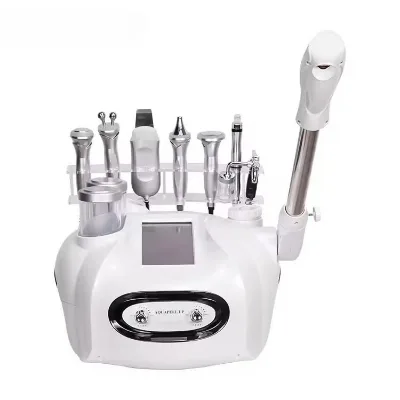
Procuring a Desktop Skin Care Machine requires distinguishing between portable handheld units and stationary salon-grade systems, as the supply data reveals a mix of both categories. Buyers must verify whether the specific listing describes a portable device with E-Light technology or a stationary facial steamer, since the observed product attributes include conflicting portability claims. This distinction dictates the intended use environment, whether for home personal care or professional salon applications, and influences the necessary power and cooling infrastructure.
The observed market signals indicate a wide price spectrum ranging from 25 to 7500 USD, reflecting significant variance in component quality and feature sets. While some units offer basic LED therapy with red and blue light wavelengths, others integrate advanced functions like mesotherapy injection or high-frequency lifting. Buyers should carefully cross-reference the listed model numbers, such as PDT-a or VS+, against the specific treatment principles to ensure the machine aligns with their clinical or aesthetic goals before committing to a purchase.
Product Scope and Observed Listing Signals
The product scope encompasses diverse technologies including IPL skin rejuvenation, LED phototherapy, and aqua facial systems, each serving distinct therapeutic purposes. Listings frequently highlight efficacy claims such as anti-inflammation, acne elimination, and pore constriction, alongside features like pure physiotherapy and pain-free operation. However, the data shows that not every listed product satisfies all attributes; for instance, some models are explicitly described as non-portable while others are portable, requiring buyers to scrutinize the specific product description for the exact configuration they require.
Observed listing signals also reveal variations in packaging and physical dimensions that impact logistics and storage. Some units are shipped in standard carton boxes, while others, particularly those with complex handpiece systems, arrive in wooden cases or aluminum alloy cases. The weight of these machines varies significantly, with some desktop units weighing up to 12kg, which affects shipping costs and the stability required for the desktop surface. Buyers must confirm the physical footprint and packaging type to ensure compatibility with their facility's space and handling capabilities.
Technical Specifications to Verify
Technical verification must begin with the treatment principles and light wavelengths, as the data specifies red LED light at 630nm and blue LED light at 465nm for specific skin conditions. Buyers should confirm that the device supports the intended therapy, such as wrinkle removal or skin whitening, by checking the listed functions against the actual hardware capabilities. It is critical to validate the handpiece configuration, as some models feature four handpieces with auto-identification, while others may have different tip sizes like large or small tornado tips for varied treatment depths.
Electrical specifications and input voltage compatibility are equally vital for international procurement, as the observed data lists dual voltage ranges of 100-120V and 220-240V. Ensuring the machine supports the local frequency of 50/60Hz prevents operational failure or damage to internal components. Additionally, buyers should verify the model-specific details, such as the digital lon lifting frequency of 500Hz, to ensure the device meets the performance standards required for professional results.
Compliance and Safety Documentation
Compliance verification is essential to ensure the device meets international safety standards, with observed listings citing CE and ISO certifications as common markers of quality. Buyers must request valid certificates for the specific model, as some products list CFDA approval and PRC import/export licenses, which are crucial for market entry in certain regions. The presence of an EU certificate or ISO9000 standard indicates adherence to rigorous manufacturing and quality management processes, reducing the risk of non-compliant equipment entering the supply chain.
Safety documentation should also include detailed warranty terms and technical support commitments, which vary across the observed product range. While some suppliers offer a one-year warranty with lifetime technology support, others provide a two-year warranty period. Buyers must ensure that the warranty covers both the hardware and the software or technology updates, as the longevity of the device often depends on the supplier's ability to provide ongoing technical assistance and replacement parts for the handpieces and internal modules.
Cost Drivers and Commercial Terms
Cost drivers in this category are heavily influenced by the complexity of the technology, such as the inclusion of E-Light systems versus basic LED therapy, and the quality of the handpieces. The observed price range of 25 to 7500 USD suggests that high-end models with multiple functions like mesotherapy injection or advanced lifting capabilities command a premium. Buyers should analyze the cost per function to determine if the higher price point offers sufficient value through enhanced efficacy or durability compared to more basic units.
Commercial terms regarding lead time and minimum order quantity (MOQ) are generally favorable, with observed data indicating an MOQ of 1 unit and a lead time of just 7 days. This flexibility allows buyers to test the market with small orders before scaling up, reducing inventory risk. However, buyers must confirm if these terms apply to customized orders, as the data notes that customization is available, which could potentially extend the lead time or increase the unit cost depending on the specific design requirements.
Supplier Qualification and Quality Control
Supplier qualification should focus on their capacity for ODM and OEM services, as the data highlights professional design and production capabilities as a key attribute. Buyers need to assess whether the supplier can provide custom branding or specific technical modifications to meet unique market demands. The presence of a professional design team suggests that the supplier can adapt the product to different regional standards or aesthetic preferences, which is a significant advantage for brands looking to differentiate their offerings.
Quality control processes must be verified through the supplier's adherence to standards like ISO and their ability to provide consistent product performance. The observed data mentions specific features like auto-identification of handpieces, which implies a level of internal testing and quality assurance. Buyers should request evidence of these quality control measures, such as test reports or factory audit results, to ensure that the devices will perform reliably over time and maintain the safety standards required for skin care applications.
Long-Term Procurement Checks
Long-term procurement checks should prioritize the availability of replacement parts and the durability of the handpieces, which are critical consumables in skin care machines. The data indicates that some models come with multiple handpieces, and buyers must ensure that these components are readily available for purchase after the initial warranty period expires. A robust supply chain for parts ensures that the machine remains operational for years, protecting the initial investment and maintaining service continuity for clients.
Buyers must also establish a clear protocol for ongoing technology support and software updates, as the warranty terms often include lifetime technology support. This support is vital for maintaining the efficacy of the device as skin care standards evolve and new treatment protocols emerge. Regular communication with the supplier to verify the status of technical updates and the availability of new handpiece configurations will help ensure the equipment remains competitive and effective in the long term.
FAQs
What is the treatment principle for the Hand LED model?
The Hand LED model utilizes E-Light theory combining red and blue LED light for skin care. The red light operates at 630nm for anti-inflammation and scar elimination, while the blue light at 465nm helps restrain skin and constrict pores. This dual approach supports skin rejuvenation and elasticity enhancement without pain or side effects.
Can the Desktop Skin Care Machine be used at home?
Yes, the device is designed for both salon and home applications. Its portable nature allows for convenient personal use alongside professional settings. The system features pure physiotherapy capabilities, ensuring safe operation for users seeking to reduce wrinkles and improve skin texture in a comfortable environment without requiring clinical supervision.
What certifications are required for the PDT-a model?
The PDT-a model holds CE and ISO standards for safety and quality assurance. It also includes Cfda certification and a PRC Import & Export License for international trade compliance. These credentials ensure the device meets rigorous regulatory requirements, providing confidence for buyers in various global markets seeking certified aesthetic equipment.
What is the lead time for the Aqua facial machine?
The lead time for the Aqua facial machine is seven days. This efficient production schedule supports timely delivery for salon equipment needs. Buyers can expect prompt processing, allowing for quicker integration into business operations. The standard packaging ensures safe transit, maintaining product integrity upon arrival at the destination facility.
Which functions does the VS+ model offer for skin care?
The VS+ model offers wrinkle removal, pigment removal, and anti-aging functions. It also provides skin whitening and lifting capabilities through its advanced technology. Designed for professional use, it supports comprehensive aesthetic treatments, helping salons deliver effective results for clients seeking rejuvenation and improved skin tone and texture.
What is the warranty period for the Desktop Skin Care Machine?
The warranty period is one year for the standard model, with permanent technology support. The VS+ model offers a two-year warranty, also including lifelong technology assistance. This coverage ensures long-term reliability and access to technical guidance, protecting the investment and supporting sustained operational performance for aesthetic businesses.