Source Copper Coil Vertical Air Horn for Trucks, Trains, and Industrial Machinery
Find and compare 30 Copper Coil Vertical Air Horn options from verified Chinese manufacturers. Evaluate specifications such as 110-120dB sound levels, 12V/24V voltage compatibility, and zinc or plastic materials to select the right heavy-duty signaling solution for your fleet or industrial needs.
Key considerations
Products List


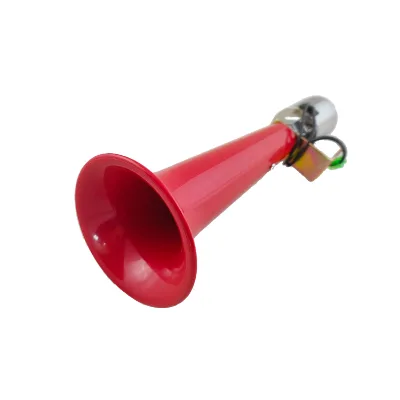
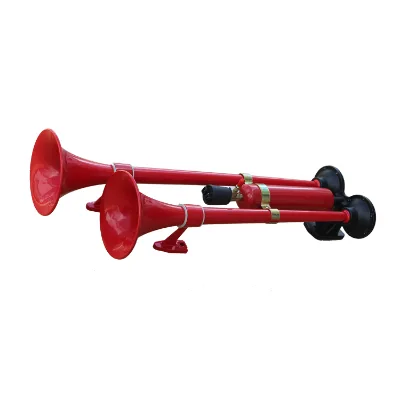


$10.00 - $11.00
MOQ: 1000 Pieces


$9.00 - $13.00
MOQ: 1000 Pieces
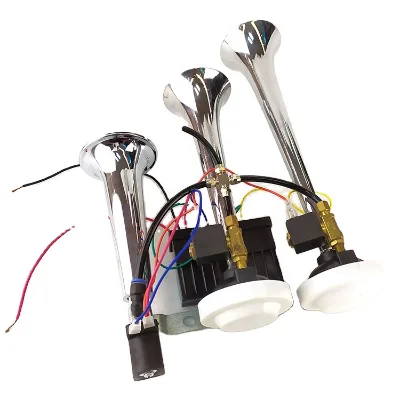
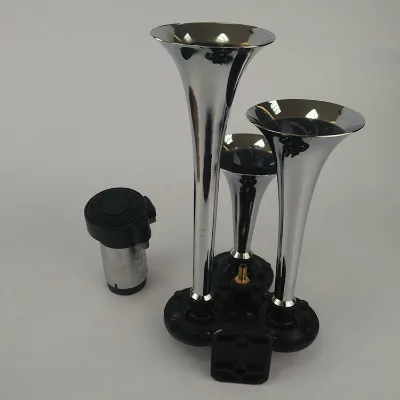
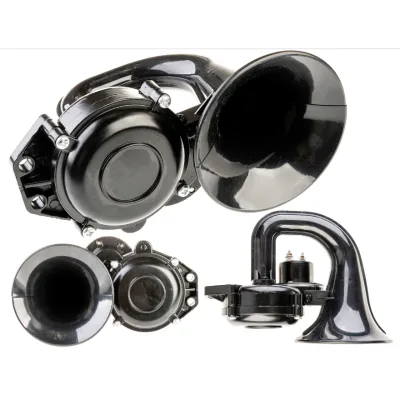
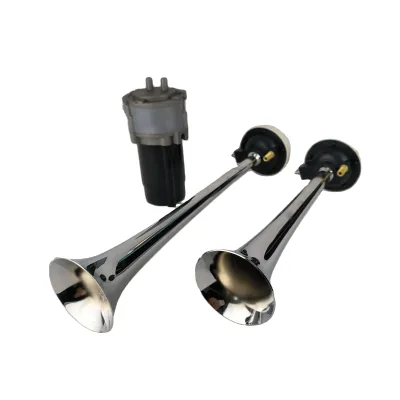
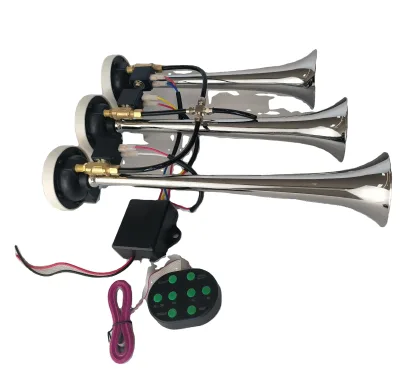


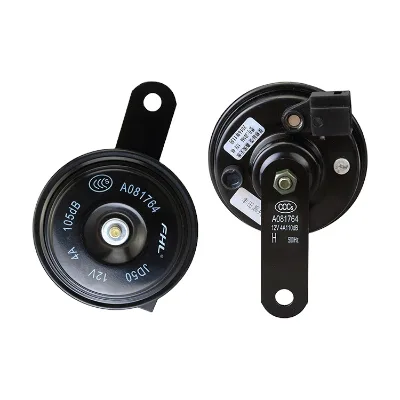
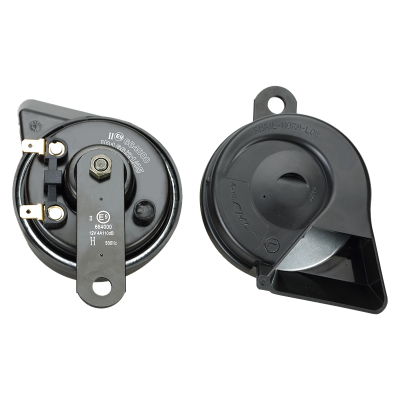
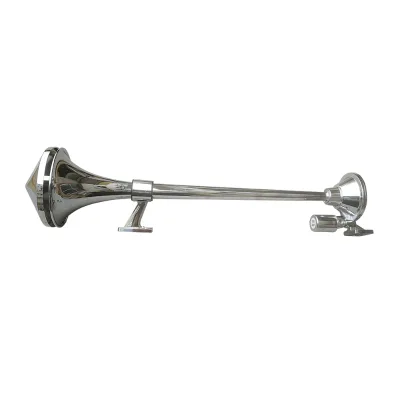
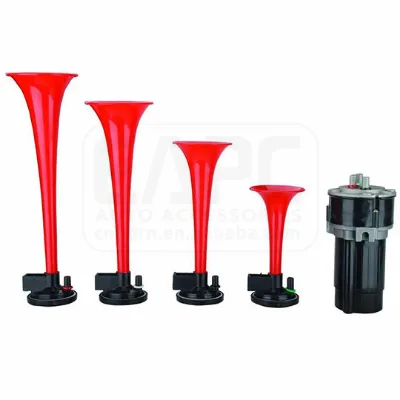
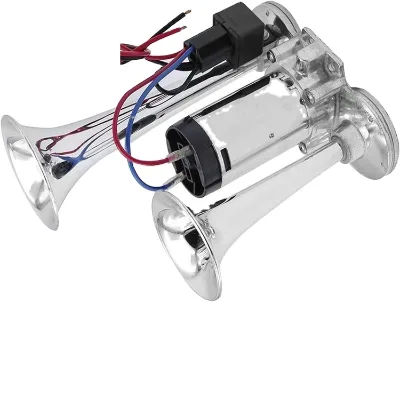
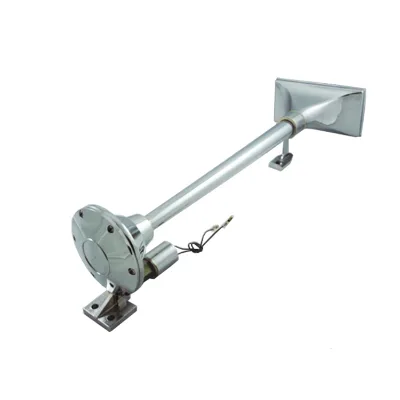
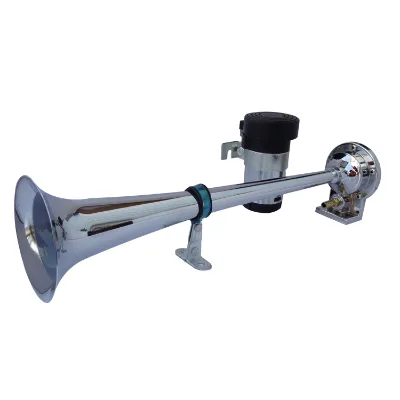
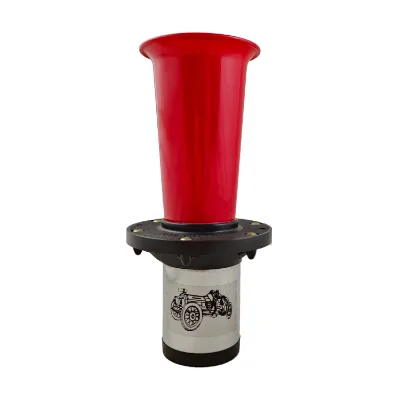
Comprehensive Sourcing Guide
Copper Coil Vertical Air Horn Sourcing Guide
Sourcing vertical air horns with copper coil assemblies requires a disciplined approach to technical verification and supplier qualification. These components are critical for heavy-duty vehicle signaling, where reliability under high-vibration and harsh environmental conditions is non-negotiable. The core of the device relies on an electromagnetic mechanism that converts electrical energy into acoustic output, a process heavily dependent on the integrity of the copper coil and the precision of the diaphragm assembly. Buyers must navigate a market where specifications vary significantly between models, ranging from standard 12V systems to robust 24V configurations, each demanding specific electrical and mechanical tolerances.
This guide provides a structured framework for evaluating suppliers and products based on observed market data and trusted industry knowledge. It focuses on the intersection of material science, electrical engineering, and commercial logistics to help procurement teams make informed decisions. By adhering to the verification steps outlined below, buyers can mitigate risks associated with counterfeit components, substandard materials, and non-compliant manufacturing processes. The goal is to ensure that every procured unit meets the rigorous demands of fleet operations, industrial machinery, and emergency vehicle applications.
Product Scope and Observed Listing Signals
The market for vertical air horns presents a diverse range of configurations, primarily distinguished by their speaker design, material composition, and acoustic output. Observed listings indicate a prevalence of 2-way and 4-way speaker designs, with some units featuring spiral shapes and others utilizing traditional trumpet forms. Materials vary from plastic housings to zinc alloy bodies, with some models explicitly noting the use of ABS plastic for durability. The presence of copper wire in the motor is a key differentiator, as it directly impacts the efficiency and longevity of the electromagnetic mechanism. Buyers should carefully distinguish between units that use pure copper coils and those that may employ copper-clad aluminum or other substitutes, as this affects both performance and cost.
Acoustic performance is another critical variable, with observed sound levels ranging from 110-115 dB to as high as 120 dB. These variations are often tied to the compressor size, with some models specifying a 115mm compressor dimension. Voltage compatibility is also a major factor, with many units supporting both 12V and 24V systems, making them suitable for a wide range of vehicle types, from light trucks to heavy-duty semitrailers. The current draw, observed at 2.8A in some listings, provides a baseline for electrical system planning, but buyers must verify this against their specific vehicle’s alternator capacity. Additionally, customization options are frequently available, allowing for OEM branding and specific color requirements, such as red or silver finishes, to match fleet aesthetics.
Technical Specifications to Verify
Verifying the electrical and mechanical specifications is the first step in ensuring compatibility and performance. Buyers must confirm the voltage rating, as mismatched voltage can lead to immediate failure or reduced lifespan. The current draw should be cross-referenced with the vehicle’s electrical system to prevent overloading circuits. The connection mode, often described as double wire, must be compatible with the existing wiring harnesses in the target application. Furthermore, the sound frequency, whether high pitch or mid pitch, should be selected based on the desired acoustic profile and regulatory requirements for the specific vehicle class.
Material integrity is equally important, particularly for the coil and housing. The presence of a copper coil is a standard expectation for high-quality units, but buyers should request material certificates or conduct incoming inspections to verify purity. The housing material, whether plastic, zinc alloy, or ABS, must be resistant to corrosion and UV degradation, especially for outdoor or marine applications. The compressor size, such as the 115mm dimension observed in some models, dictates the physical footprint and airflow capacity, which must align with the available mounting space and air supply system. Additionally, the life cycle, often cited as 50,000 times in some listings, should be validated through independent testing or supplier guarantees to ensure long-term reliability.
Compliance and Safety Documentation
Compliance with international standards is essential for market access and legal operation. Certifications such as E-mark 9 and ISO9001 are commonly cited, indicating adherence to European vehicle regulations and quality management systems. Buyers must verify the validity of these certificates, ensuring they are issued by accredited bodies and are current. The absence of a contact point in some designs may simplify installation but requires careful verification of the electrical connection method to ensure a secure and low-resistance interface. Safety documentation should also include detailed installation manuals and warning labels, particularly regarding high sound pressure levels and electrical hazards.
Environmental and material compliance is another critical area, especially for exports to regions with strict regulations on hazardous substances. Buyers should inquire about RoHS compliance and the absence of lead or other toxic materials in the construction. The surface treatment, such as shot blasting, can affect corrosion resistance and should be evaluated based on the operating environment. Additionally, warranty terms, typically ranging from 12 months to 1 year, provide a layer of protection against manufacturing defects. Buyers should ensure that the warranty covers both parts and labor, and that the supplier has a clear process for handling claims and replacements.
Cost Drivers and Commercial Terms
Understanding the cost structure of vertical air horns helps buyers negotiate better terms and avoid hidden expenses. The primary cost drivers include the material composition, particularly the amount and purity of copper used in the coil, and the complexity of the speaker design. Units with 4-way designs and higher sound levels generally command a premium due to increased manufacturing complexity. Packaging also plays a role, with options ranging from simple carton pallets to individual color boxes, which can affect shipping efficiency and unit costs. Buyers should request detailed breakdowns of costs to identify areas for potential savings without compromising quality.
Minimum Order Quantities (MOQ) and lead times are significant commercial factors that impact inventory management and cash flow. Observed MOQs range from 2 to 2000 units, with some suppliers requiring higher volumes for custom orders. Lead times can vary based on production capacity and order size, so buyers should establish clear timelines and penalties for delays. Payment terms, such as letters of credit or advance payments, should be negotiated to balance risk and cash flow. Additionally, the port of loading, often Ningbo or Shanghai, can influence shipping costs and transit times, so buyers should consider logistics options when evaluating total landed costs.
Supplier Qualification and Quality Control
Supplier qualification is a critical step in mitigating supply chain risks. Buyers should conduct thorough due diligence, including site visits and audits of manufacturing facilities. Key areas to inspect include the quality of raw materials, particularly the copper coil and housing components, and the precision of assembly processes. Suppliers with ISO9001 certification are generally more reliable, but buyers should verify the effectiveness of their quality management systems through independent audits. Additionally, suppliers should have a robust testing regime, including acoustic output tests and electrical durability tests, to ensure consistent product quality.
Quality control procedures should be clearly defined and agreed upon before production begins. Buyers should specify acceptance criteria for key parameters, such as sound level, voltage tolerance, and material composition. Incoming inspection protocols should be established to verify that delivered goods meet these specifications. Suppliers should provide detailed test reports and certificates of conformity for each batch. Furthermore, buyers should establish a clear process for handling non-conforming products, including return policies and credit terms. Regular communication and performance reviews can help maintain high standards and address any issues promptly.
Long-Term Procurement Checks
Long-term procurement success depends on continuous monitoring and relationship management. Buyers should establish key performance indicators (KPIs) to track supplier performance, including on-time delivery rates, defect rates, and responsiveness to issues. Regular audits and performance reviews should be conducted to ensure ongoing compliance with quality and ethical standards. Additionally, buyers should maintain a diversified supplier base to mitigate risks associated with single-source dependencies. Building strong relationships with suppliers can lead to better pricing, priority production, and collaborative innovation.
Technological advancements and market trends should be monitored to ensure that procured products remain competitive and compliant. Buyers should stay informed about changes in regulations, such as new noise emission standards or material restrictions, and adjust procurement strategies accordingly. Additionally, buyers should explore opportunities for cost reduction through design optimization and volume consolidation. Finally, feedback from end-users should be collected and analyzed to identify areas for improvement and drive continuous product development. By maintaining a proactive and strategic approach, buyers can ensure long-term value and reliability in their air horn procurement.
FAQs
What is the sound frequency of the Copper Coil Vertical Air Horn?
The sound frequency is available in high pitch and mid pitch options depending on the specific model selected. Some units operate at 110-115Db while others reach 120dB ratings for maximum volume output.
Can the Copper Coil Vertical Air Horn be customized for specific needs?
Yes, customization is available for this product line to meet unique requirements. Buyers can request specific colors like red or silver, and the manufacturer supports ODM and OEM service models.
Which certifications do the copper coil vertical air horns hold?
The products hold Emark 9 and ISO9001 certifications to ensure quality and safety standards. These documents verify that the manufacturing process meets international requirements for automotive and industrial applications.
How is the Copper Coil Vertical Air Horn powered and connected?
The device operates on 12v or 24v voltage and uses an electromagnetic energy exchanging mechanism. It connects via double wire mode and features a copper coil within the motor for efficient performance.
What is the warranty period for the Copper Coil Vertical Air Horn?
The warranty period is typically 12 months or 1 year depending on the specific model purchased. This coverage ensures protection against defects and guarantees the product remains 100% brand new upon delivery.
Where are the copper coil vertical air horns manufactured and shipped from?
These horns originate from China, specifically from Zhejiang and Changzhou City locations. They are shipped from the ports of Ningbo or Shanghai using carton pallets or color box packaging for safe transport.
What materials are used to construct the Copper Coil Vertical Air Horn?
Construction involves plastic, zinc alloy, and ABS materials for durability and corrosion resistance. The motor specifically contains copper wire, and the trumpet body is made of plastic or zinc for structural integrity.