Source Corrosion Resistant Intravane Pump Cartridge for Hydraulic Systems, Industrial Machinery, and Water Treatment
Find 30 listings for Corrosion Resistant Intravane Pump Cartridge options including VQ and T6 models with CE and ISO certifications. Buyers can compare specifications such as pressure ratings up to 35MPa, speed ranges, and material types like cast iron for various industrial applications.
Key considerations
Products List


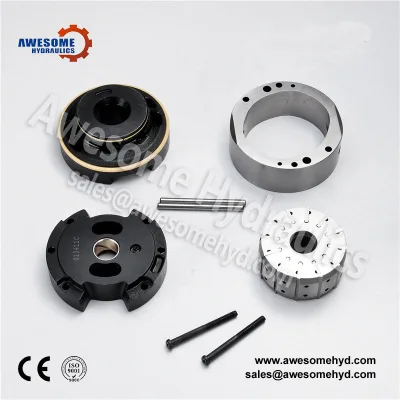
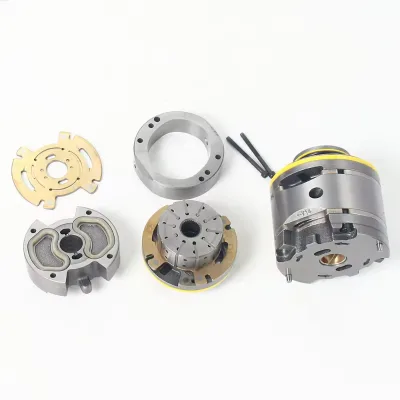
Parker Series Vane Pump Cartridge T6, T7 Series High Quality Vane Pump
$300.00 - $350.00
MOQ: 1 Pieces





Comprehensive Sourcing Guide
Strategic Sourcing Guide for Corrosion Resistant Intravane Pump Cartridges
The procurement of corrosion-resistant intravane pump cartridges requires a rigorous approach that balances technical performance with supply chain reliability. Buyers in the hydraulic and fluid handling sectors must navigate a complex landscape of specifications, certifications, and material properties to ensure operational continuity. This guide provides a structured framework for evaluating potential suppliers and selecting the correct components, specifically focusing on the VQ and T6/T7 series cartridges often found in industrial markets. The objective is to equip procurement professionals with the knowledge to verify product attributes against actual supply chain capabilities without relying on unverified marketing claims.
Technical Specifications and Performance Parameters
Understanding the precise technical specifications of a vane pump cartridge is the first step in the sourcing process. The core keyword "intravane pump cartridge" typically refers to internal components designed for high-pressure hydraulic systems. Based on observed market data, these cartridges frequently appear in models such as the 45VQ, T6, T7, and various VQ series configurations including 20V, 25V, 35V, and 45V. Buyers must verify that the selected cartridge matches the system's pressure requirements, as observed specifications range from 21MPa to 35MPa. Selecting a component with insufficient pressure ratings can lead to catastrophic system failure, while over-specifying may result in unnecessary cost.
Speed capabilities are another critical technical variable. The observed data indicates a maximum speed range of 2700 RPM for certain models, while others support up to 3600 RPM. The minimum operating speed is typically recorded around 600 RPM. These figures are not universal; they depend heavily on the specific model series and the manufacturer's engineering tolerances. Furthermore, the physical dimensions of the cartridge, including major and minor diameters, vary significantly. Common major diameter specifications include 16mm, 21mm, 24mm, and 32mm, with corresponding minor diameters of 15mm, 20mm, 23mm, and 27mm. Procurement teams must cross-reference these dimensional data with the existing pump housing to ensure a proper fit.
The internal geometry of the vane pump also dictates its performance. Attributes such as the number of teeth, pitch, and pressure angle are essential for determining flow efficiency and noise levels. Observed data lists tooth counts ranging from 14 to 40, with pitch values such as 48/96, 40/80, and 12/14. Pressure angles are noted as 45° or 30°. These parameters influence the fluid dynamics within the pump and must align with the system's hydraulic fluid characteristics. Additionally, the acting form is predominantly single-acting, and the rotation direction is specified as left or right, which must be confirmed before ordering to prevent installation errors.
Compliance, Certification, and Material Standards
In the industrial sector, compliance with international standards is non-negotiable. When sourcing corrosion-resistant cartridges, buyers must verify that the product carries recognized certifications. The market data indicates that CE and ISO certifications are common, with some suppliers also providing RoHS compliance. These certifications serve as evidence that the product meets specific safety and environmental requirements. However, the presence of a certification mark on a listing does not guarantee that every unit in a batch is certified; buyers should request valid certificates of conformity from the supplier.
Material selection is the primary defense against corrosion. The observed specifications list Cast Iron as a common material for these cartridges. While cast iron offers durability, its resistance to corrosion depends heavily on surface treatments and the specific environment in which it operates. For applications involving water or aggressive chemicals, buyers must inquire about additional protective coatings or alternative material compositions that may not be explicitly listed in standard catalogs. The standard "GB" (Guobiao) is also referenced in the context of certain valve and packing components, indicating adherence to Chinese national standards.
It is crucial to distinguish between the product standard and the certification. The product standard often mirrors the model name, such as "45VQ" or "T6 T7," which defines the dimensional and functional baseline. In contrast, certifications like CE, ISO, and RoHS are external validations. Buyers should also check for specific packing standards, as the industry utilizes both carton boxes and wooden boxes for shipping. The choice of packaging can impact the preservation of the product during transit, especially for sensitive hydraulic components that require protection from moisture and physical damage.
Cost Drivers and Pricing Dynamics
The pricing of vane pump cartridges is influenced by a complex array of factors, including material costs, manufacturing complexity, and order volume. The observed price range in the market spans from $0.39 to $999, a variance that reflects the difference between small replacement parts and complete, high-specification cartridge kits. The minimum order quantity (MOQ) also plays a significant role in the unit cost, with observed ranges from 1 to 1000 units. Buyers purchasing in small quantities may face higher per-unit costs, whereas bulk orders often benefit from economies of scale.
Material composition is a primary cost driver. Cast iron components are generally more affordable than those made from specialized alloys or stainless steel, which might be required for extreme corrosion resistance. The complexity of the internal geometry, such as the number of teeth and the precision of the pitch, also affects manufacturing costs. High-precision machining required for models like the T6 and T7 cartridges can command a premium price. Additionally, the inclusion of repair kits, such as those containing Sfcv rubber lobes or gland packings, adds to the overall cost.
Customization is another factor that can influence pricing. The availability of customization options allows buyers to tailor the product to specific needs, but this often incurs additional tooling or setup fees. Buyers should be aware that while the base price might appear competitive, the total cost of ownership includes shipping, which varies based on the packing method (carton vs. wooden case) and the origin of the goods, typically China or Henan. Understanding these variables helps in creating a realistic budget and negotiating effectively with suppliers.
Typical Applications and Operational Environments
Vane pump cartridges are versatile components used across a wide spectrum of industries. The observed data highlights applications ranging from household usage to heavy industrial water systems. In industrial settings, these pumps are often employed in hydraulic circuits where high pressure and precise flow control are required. The "Corrosion" attribute listed in the product specifications suggests that these components are designed to withstand environments where exposure to moisture or chemicals is a concern.
The specific application determines the necessary performance attributes. For instance, in water industrial usage, the media is water, and the pump must operate at ordinary temperatures. In such scenarios, the sealing form, such as gland packings or globe valves, becomes critical to prevent leaks. The structure of the pump, described as "elevated" in some contexts, may refer to the mounting configuration or the internal arrangement of the vanes. Buyers must ensure that the cartridge's flow direction, typically unidirectional, matches the system design to avoid operational inefficiencies.
Furthermore, the function of the cartridge, such as the Sfcv rubber lobe, is vital for maintaining pressure and flow stability. In repair scenarios, the availability of specific parts like the PC/PTC cartridge mark indicates the need for precise identification during maintenance. Whether the application is for a simple hydraulic lift or a complex industrial processing line, the cartridge must be compatible with the system's pressure and speed requirements. Understanding the end-use environment allows buyers to prioritize features like corrosion resistance and sealing integrity over other less critical attributes.
Supplier Evaluation and Quality Assurance
Evaluating suppliers requires a focus on transparency and the ability to provide verifiable data. Buyers should prioritize suppliers who can clearly document the origin of their products, with Henan and China being common locations of manufacture. The ability to provide detailed specifications, including major and minor diameters, pressure ratings, and speed limits, is a strong indicator of a reliable supplier. It is essential to verify that the supplier's claims regarding certifications like CE, ISO, and RoHS are backed by valid documentation.
Quality control measures should be a central part of the supplier evaluation process. Buyers must inquire about the testing procedures used to validate the performance of the cartridges, particularly regarding pressure and speed capabilities. The observation of specific pressure ratings like 21MPa and 35MPa suggests that these are tested parameters, but buyers should request test reports to confirm that the actual products meet these standards. Additionally, the consistency of the product standard, whether it is 45VQ, T6, or T7, must be maintained across all batches.
The packing method is also a reflection of the supplier's attention to detail. The use of carton boxes, wooden boxes, or plywood cases indicates different levels of protection. For high-value or sensitive components, wooden or plywood cases are often preferred to prevent damage during international shipping. Buyers should also assess the supplier's responsiveness to customization requests and their ability to handle varying order quantities, from single units to bulk orders of 1000 pieces. A supplier that offers flexible MOQs and clear communication channels is better positioned to meet the dynamic needs of the procurement team.
Long-Term Procurement and Lifecycle Management
Sourcing vane pump cartridges is not a one-time transaction but part of a long-term lifecycle management strategy. Buyers should consider the availability of spare parts and the ease of replacement when selecting a supplier. The presence of repair kits, such as those containing rubber lobes and gland packings, indicates that the supplier supports the maintenance and repair of the pumps, extending their operational life. This is particularly important for industrial applications where downtime can be costly.
The standardization of components is another long-term consideration. By selecting cartridges that adhere to widely recognized standards like GB, CE, or ISO, buyers ensure compatibility with existing systems and reduce the risk of obsolescence. The ability to source components with specific attributes, such as SS304 springs or specific pressure angles, allows for future-proofing the procurement strategy. Buyers should also monitor market trends for new materials or technologies that might offer improved corrosion resistance or efficiency.
Finally, establishing a strong relationship with the supplier is crucial for long-term success. A reliable partner can provide valuable insights into product improvements, regulatory changes, and supply chain stability. By focusing on suppliers who offer comprehensive technical support and adhere to high-quality standards, buyers can mitigate risks and ensure a steady supply of high-performance vane pump cartridges. This strategic approach transforms procurement from a transactional activity into a value-adding function that supports the overall operational efficiency of the organization.
FAQs
What certifications are available for these cartridges?
Available certifications include CE, ISO, and RoHS. These marks indicate compliance with safety and environmental standards, but buyers must verify specific certificates of conformity from the supplier for each batch.
Which pressure ratings do the cartridges support?
Observed pressure ratings range from 21MPa to 35MPa depending on the model. Selecting a component with insufficient pressure ratings can lead to system failure, so verify the specific model requirements before ordering.
Can I find these cartridges with customization options?
Customization is available for these products. However, tailored requests may incur additional tooling or setup fees, and buyers should confirm the feasibility and cost implications with the supplier before placing an order.
What is the typical origin location for these products?
The products originate from China, with specific mentions of Henan as a manufacturing location. Buyers should account for shipping times and costs associated with international logistics when planning procurement from these regions.
How do the packaging options affect product safety?
Packaging includes carton boxes, wooden boxes, and plywood cases. Wooden or plywood cases are preferred for high-value components to prevent damage during transit, ensuring the sensitive hydraulic parts remain protected.
What are the maximum speed limits for these pumps?
Maximum speeds vary by model, with observed limits of 2700 RPM and 3600 RPM. Minimum operating speeds are typically around 600 RPM, and these figures depend heavily on the specific manufacturer's engineering tolerances.
Which materials are used for corrosion resistance?
Cast iron is a common material used for these cartridges. While durable, its corrosion resistance depends on surface treatments, so buyers should inquire about protective coatings for applications involving water or aggressive chemicals.