Source Desktop Salad Bar Display Refrigerator for cafes, delis, and retail
Find 30 Desktop Salad Bar Display Refrigerator models from Chinese manufacturers. Compare stainless steel commercial units with air cooling, digital controls, and various capacities to find the right fit for your food service needs.
Key considerations
Products List
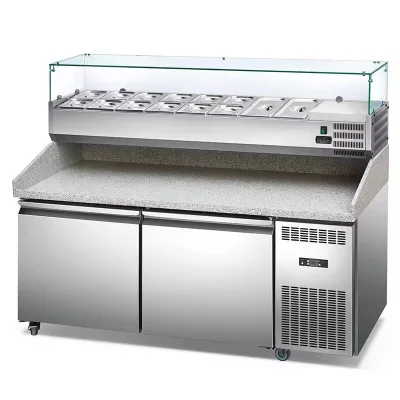


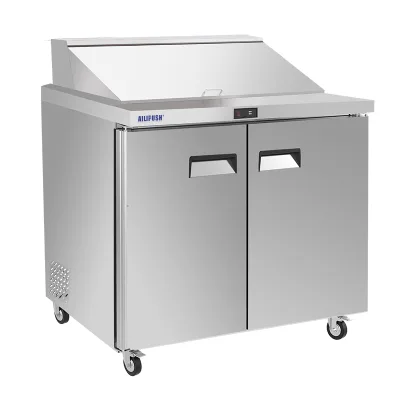


Ce Approval Display Cooler, Salad Bar for Restaurant
$1611.00 - $1649.00
MOQ: 1 Pieces
Guangzhou Junjian Kitchen Appliances & Refrigeration Equipment Co., Ltd.

High Qualiy and Beautiful Salad Bar Salad Buffet
$1530.00 - $1800.00
MOQ: 1 Pieces
Guangzhou Junjian Kitchen Appliances & Refrigeration Equipment Co., Ltd.


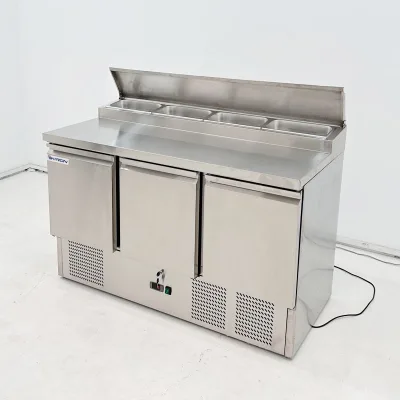


Hot Sales Custom Commercial Colder Food Bars Cake Beverage Display Refrigerator
$500.00 - $700.00
MOQ: 1 Pieces


Comprehensive Sourcing Guide
Desktop Salad Bar Display Refrigerator Sourcing Guide
The Desktop Salad Bar Display Refrigerator serves as a critical asset for commercial food service environments, specifically designed to maintain optimal freshness for prepared salads, garnishes, and cold appetizers. These units are engineered to provide a hygienic, visible storage solution that integrates seamlessly into buffet lines, cafeterias, and fast-casual dining areas. The primary function is to keep perishable ingredients within a strict temperature range, typically between 0-5°C or 0-10°C, ensuring food safety compliance while presenting items attractively to customers.
Procurement decisions for these units must account for the specific operational demands of the venue, such as high-traffic service areas or limited countertop space. Buyers should evaluate whether the unit's cooling mode, such as air cooling or direct cold air systems, aligns with the thermal load requirements of the specific food items being stored. The distinction between single-temperature and dual-zone capabilities is also vital, as some models offer specialized environments for different types of produce or dressings, preventing cross-contamination and flavor transfer.
Product Scope and Observed Listing Signals
Market listings for desktop salad bar units reveal a diverse range of configurations, from compact single-door models to larger multi-door systems with substantial capacity. Observed specifications indicate that units can vary significantly in physical dimensions, with some models measuring approximately 2100mm in height and others designed for tighter footprints around 1200mm. The capacity of these units also fluctuates, with observed ranges extending up to 400 liters, allowing buyers to select a size that matches their daily inventory turnover and display needs.
The material composition and structural design are key indicators of durability and ease of maintenance in a commercial setting. Most observed units feature stainless steel construction, which provides resistance to corrosion and simplifies cleaning protocols required in food preparation zones. Additionally, the number of shelves and the inclusion of specific features like GN pan compatibility, such as holding 11 pieces of 1/3 size pans, are critical factors that determine the unit's utility for specific menu items and service workflows.
Technical Specifications to Verify
When evaluating technical performance, the cooling system and power consumption are primary verification points for operational efficiency. Buyers must confirm whether the unit utilizes air cooling or direct cold air systems, as this impacts temperature uniformity and energy usage. Power ratings observed in the market range from 350W to 700W, and verifying the specific wattage against the venue's electrical capacity is essential to prevent overloading circuits or incurring unexpected utility costs.
Temperature control mechanisms and defrosting capabilities are equally critical for maintaining food quality and reducing manual labor. The presence of automatic defrost systems is a significant advantage, as it eliminates the need for manual ice removal and ensures consistent cooling performance without interruption. Furthermore, the control type, whether digital or manual, should be assessed for its precision in maintaining the required temperature range, typically between 0-10°C, to ensure compliance with food safety regulations.
Compliance and Safety Documentation
Regulatory compliance is non-negotiable for commercial refrigeration equipment, and buyers must verify that units carry recognized safety certifications. Observed listings indicate that reputable models often possess certifications such as CE, ETL, NSF, RoHS, ISO, and CCC, which validate the product's adherence to international safety and environmental standards. These certifications are not merely marketing claims but are essential documentation that proves the unit meets the rigorous requirements for electrical safety and food contact materials.
In addition to product certifications, the refrigerant type used in the cooling system must be verified for environmental compliance and safety. The market data shows the use of R134A refrigerant, which is a common choice for commercial units, but buyers should confirm that the specific model adheres to local environmental regulations regarding refrigerant handling and disposal. Ensuring that the supplier provides complete documentation for the refrigerant and electrical components is a necessary step to avoid legal liabilities and ensure safe operation.
Cost Drivers and Commercial Terms
The pricing of desktop salad bar display refrigerators is influenced by a combination of factors including capacity, material quality, and the complexity of the cooling system. Observed price ranges in the market span from $50 to $3,500, reflecting the vast difference between basic entry-level units and high-end commercial models with advanced features like digital controls and custom configurations. Buyers should analyze the total cost of ownership, considering that higher initial costs often correlate with better energy efficiency and longer service life.
Commercial terms such as Minimum Order Quantity (MOQ) and lead times are critical variables that affect procurement planning and budget allocation. Market observations indicate that MOQs can range from a single item to over 276 units, depending on the supplier's production capacity and the level of customization required. Understanding these thresholds is essential for small businesses seeking single units versus large chains looking to outfit multiple locations, as it directly impacts the feasibility of the purchase and the negotiation leverage available to the buyer.
Supplier Qualification and Quality Control
Supplier qualification requires a thorough assessment of the manufacturer's origin and production capabilities to ensure consistent quality. The supply chain for these units is predominantly centered in regions like Guangdong and Henan in China, where specialized manufacturing clusters exist. Buyers should verify the supplier's ability to provide customizations, as many models offer options for specific dimensions, branding, or internal configurations to meet unique operational needs.
Quality control processes must be rigorously evaluated to ensure that the delivered units meet the specified standards and performance expectations. Buyers should request evidence of the production process, including the assembly methods and the use of high-grade materials like stainless steel, which are critical for durability in high-traffic environments. Additionally, verifying the condition of the product, ensuring it is new and assembled correctly, is a fundamental step to prevent receiving damaged or substandard equipment that could compromise food safety.
Long-Term Procurement Checks
Sustainable procurement involves establishing a framework for ongoing performance monitoring and maintenance support. Buyers should prioritize suppliers who offer comprehensive after-sales service, including access to spare parts and technical support for the cooling systems and electrical components. The longevity of the unit depends heavily on the availability of replacement parts and the supplier's commitment to supporting the product throughout its lifecycle, which is particularly important for commercial operations that cannot afford downtime.
Regular audits of the procurement process and supplier performance are necessary to maintain high standards of food safety and operational efficiency. Buyers should implement a schedule for reviewing the unit's performance against the original specifications, checking for any deviations in temperature control or energy consumption. This proactive approach ensures that the equipment continues to meet the stringent requirements of the food service industry and allows for timely interventions to address any emerging issues before they impact business operations.
FAQs
What is the cooling mode for this commercial unit?
The unit uses air cooling for efficient temperature distribution. This direct cold method ensures consistent performance for food display applications without the need for complex refrigerant systems.
Can the refrigerator be customized for specific needs?
Yes, customization is available for this commercial display cooler. Buyers can request specific modifications to meet unique operational requirements while maintaining the standard stainless steel construction.
Which certification standards does the product meet?
The product meets CE, ETL, NSF, RoHS, ISO, CCC, and CVC certification standards. These documented approvals ensure the equipment complies with international safety and quality requirements for commercial use.
How many GN pans can the unit hold?
The unit holds 11 pieces of 1/3 GN pans. This capacity supports high-volume food preparation and display needs in commercial kitchen environments effectively.
What is the temperature range for the cabinet?
The cabinet temperature operates between 0 to 10 degrees Celsius. This range is suitable for storing chilled and frozen food items safely during commercial display operations.
Where is the product manufactured?
The product originates from Guangdong and Henan regions in China. These locations are known for manufacturing commercial refrigeration equipment with automatic defrosting capabilities.