Source Customized Aluminum Hydrofoil Mast for Surfing, SUP, and Ocean Sports
Find 30 Customized Aluminum Hydrofoil Mast options for wave surfing, all-around SUP, and ocean waters. Compare 6000 series profiles, T3-T6 temper, and CE-certified manufacturing from Guangdong suppliers to match your water sports equipment needs; compare the available evidence and request quotations based on your requirements.
Key considerations
Products List

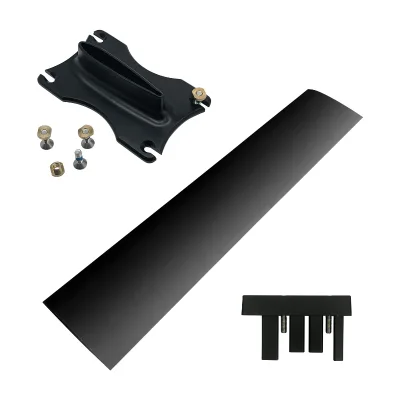
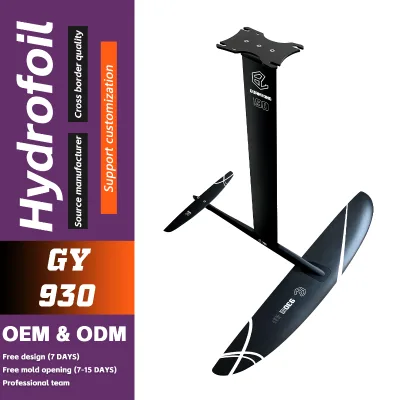
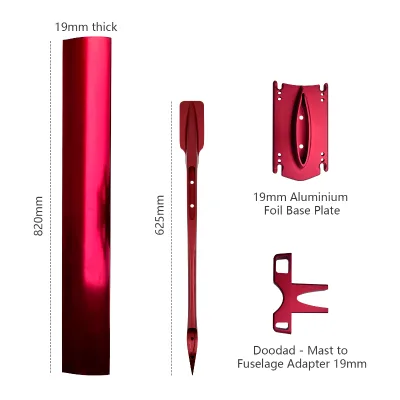
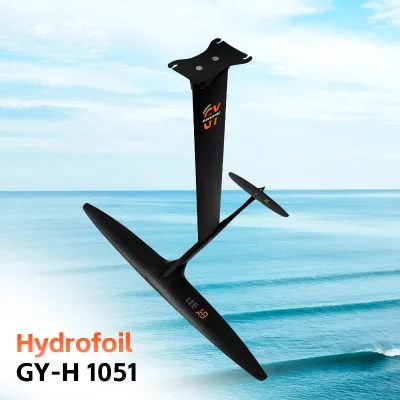
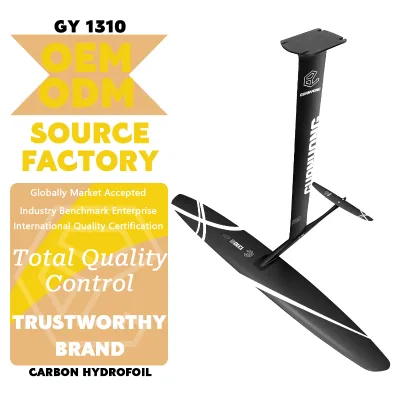
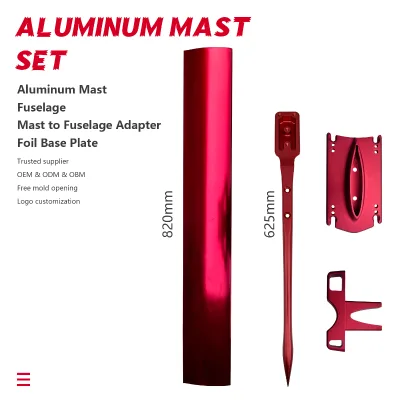
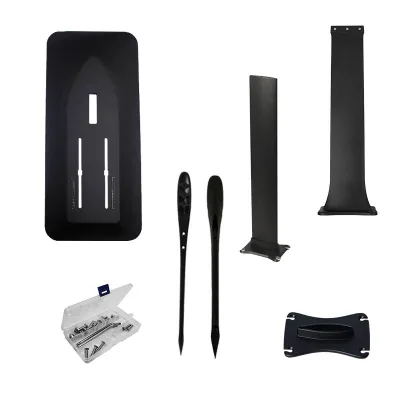
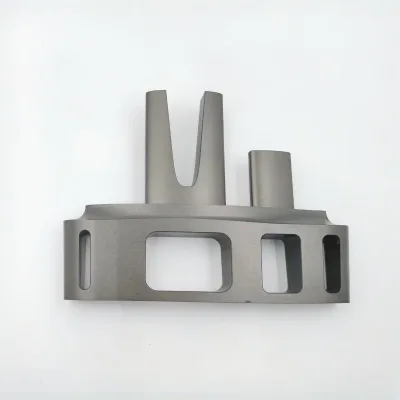
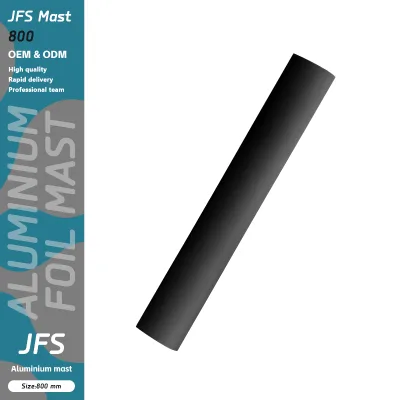
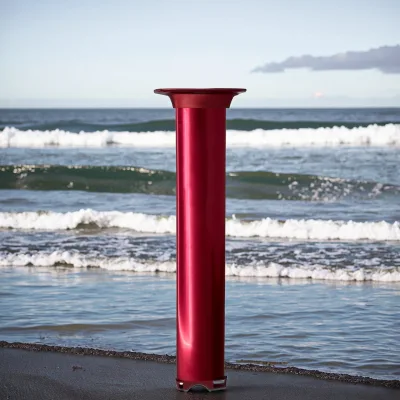
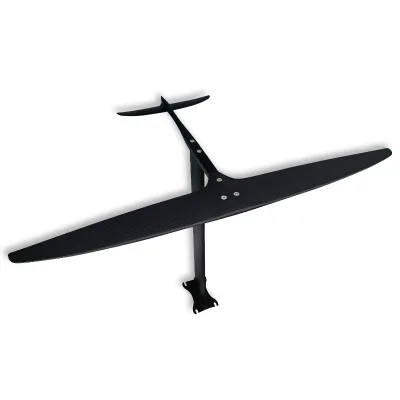
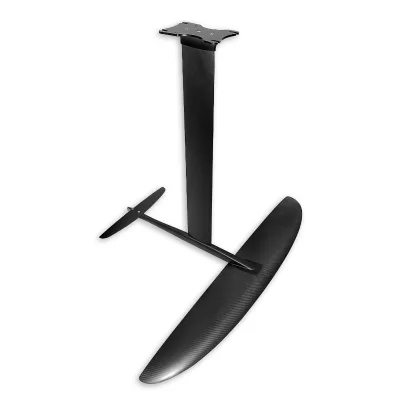


Cheap Price Aluminum Lift Platform, Hydraulic Aluminum Ladder for Sale
$1300.00 - $6900.00
MOQ: 1 Pieces


Premium Electric Hydrofoil with One-Year Warranty for High Performance
$3000.00 - $3666.00
MOQ: 2 Sets

Premium Electric Hydrofoil with Carbon Fiber Propeller for Water Sports
$3000.00 - $3666.00
MOQ: 2 Sets

Comprehensive Sourcing Guide
Customized Aluminum Hydrofoil Mast Sourcing Guide
Sourcing a Customized Aluminum Hydrofoil Mast requires a disciplined approach to balancing structural integrity with performance-specific design parameters. Buyers must recognize that these components serve as the critical vertical link between the board and the foil assembly, directly influencing lift, stability, and ride height. The market offers a variety of configurations, including standalone masts, integrated mast-base-adapter systems, and complete fuselage assemblies, allowing for tailored solutions based on specific water sports applications. Understanding the distinction between these configurations is essential for defining accurate procurement requirements and ensuring compatibility with existing equipment.
The procurement process involves navigating a diverse supplier landscape, primarily centered in manufacturing hubs like Guangdong, China, where specialized aluminum extrusion and machining capabilities are concentrated. Buyers should expect a wide range of customization options, from standard base types to fully bespoke dimensions and surface finishes. It is crucial to establish clear communication channels regarding technical drawings and material specifications early in the engagement. This ensures that the final product aligns with the intended use case, whether for wave surfing, all-around stand-up paddleboarding, or competitive racing, while maintaining the structural reliability required for high-stress aquatic environments.
Product Scope and Observed Listing Signals
Current market listings indicate a broad spectrum of product offerings, with observed price points ranging from approximately $27 to $60,000 USD, reflecting significant variations in material quality, complexity, and order volume. Minimum order quantities (MOQ) typically start at a single piece for prototype or replacement needs, scaling up to 100 kg for bulk industrial profiles, which suggests flexibility for both individual enthusiasts and large-scale commercial distributors. These signals highlight the importance of defining volume requirements early, as pricing structures and production timelines can vary drastically between small-batch custom orders and larger industrial shipments.
Observed product attributes reveal a strong emphasis on material composition, with aluminum and aluminum-carbon hybrids being the primary choices for mast construction. Common specifications include size ranges from 60 to 90 cm, with specific models like the GY-H 1051 indicating standardized yet customizable dimensions. Surface treatments such as chemical polishing and color options including black, white, and wood grain finishes are frequently available, allowing for aesthetic customization alongside functional performance. Buyers should verify these attributes against their specific performance needs, as surface finish can impact corrosion resistance and visual appeal in marine environments.
Technical Specifications to Verify
Verifying the alloy grade and temper is a critical step in ensuring the mast can withstand the dynamic loads encountered during hydrofoil operation. The 6000 series aluminum alloys, particularly those with T3 to T6 tempers, are commonly cited for their excellent strength-to-weight ratio and corrosion resistance. Buyers must confirm that the specific alloy composition meets the mechanical requirements for their intended application, as variations in temper can significantly affect fatigue life and structural rigidity. Additionally, the shape of the profile, often flat or extruded, should be evaluated for hydrodynamic efficiency and compatibility with the chosen foil system.
Dimensional accuracy and interface compatibility are equally vital technical considerations. The mast must align precisely with the board’s base plate and the foil’s fuselage, requiring strict adherence to specified hole patterns and thread standards. Customization options often allow for adjustments in length, diameter, and mounting configurations, but these modifications must be validated through detailed engineering drawings. Buyers should request precise single package dimensions and gross weight data to facilitate logistics planning and ensure that the component fits within standard shipping constraints without compromising structural integrity during transit.
Compliance and Safety Documentation
While specific certification statuses may vary by supplier, buyers should prioritize documentation that demonstrates adherence to international quality and safety standards. The presence of CE marking in some listings suggests compliance with European health, safety, and environmental protection standards, which can be a valuable indicator of manufacturing rigor. However, buyers must verify the scope of these certifications to ensure they cover the specific product category and manufacturing processes involved. Requesting material test reports and quality control certificates from the supplier can provide additional assurance regarding the consistency and reliability of the aluminum components.
Safety in aquatic sports equipment is paramount, and documentation should reflect rigorous testing protocols for load-bearing capacity and fatigue resistance. Buyers should inquire about the supplier’s quality management systems and whether they conduct internal stress tests or third-party validations on their mast products. Understanding the warranty terms and liability coverage provided by the manufacturer is also essential, as these factors can influence long-term risk management. Clear documentation of material origins and processing methods helps buyers assess the potential for corrosion or structural failure, ensuring that the equipment meets the safety expectations of professional and recreational users alike.
Cost Drivers and Commercial Terms
Several factors influence the final cost of a Customized Aluminum Hydrofoil Mast, including material selection, surface treatment complexity, and order volume. Aluminum alloys and carbon hybrid materials carry different price points, while additional processes like chemical polishing or custom color applications can increase manufacturing costs. Buyers should analyze the cost structure in relation to their volume requirements, as larger orders may benefit from economies of scale, reducing the per-unit price. Understanding these drivers allows for more accurate budgeting and negotiation strategies when engaging with suppliers.
Commercial terms such as payment methods and delivery timelines are key components of the procurement agreement. Common payment terms include T/T and L/C at sight, providing security for both parties throughout the transaction process. Delivery times can range from seven days for standard items to fifteen days or more for customized orders, depending on production capacity and complexity. Buyers should clarify these terms upfront to avoid delays and ensure that the supply chain aligns with their operational needs. Seaworthy packaging is often specified to protect the product during international shipping, adding to the overall cost but ensuring safe delivery.
Supplier Qualification and Quality Control
Evaluating supplier qualifications is essential for securing reliable and high-quality hydrofoil masts. Buyers should prioritize manufacturers with a proven track record in aluminum extrusion and precision machining, as these capabilities directly impact the final product’s performance. Verifying the supplier’s business type as a manufacturer rather than a trading company can provide greater insight into their production processes and quality control measures. Additionally, assessing their experience in the water sports industry can indicate their understanding of the specific demands placed on hydrofoil components.
Quality control procedures should be clearly defined and communicated before placing an order. Buyers should inquire about the supplier’s inspection protocols, including material verification, dimensional checks, and surface finish assessments. Requesting samples or conducting third-party inspections can help validate the supplier’s claims and ensure that the product meets specified standards. Establishing a clear communication channel for addressing any quality issues post-delivery is also crucial, as it facilitates prompt resolution and maintains a productive long-term relationship with the supplier.
Long-Term Procurement Checks
Establishing long-term procurement relationships requires ongoing monitoring of supplier performance and product consistency. Buyers should regularly review delivery times, product quality, and responsiveness to ensure that the supplier continues to meet their evolving needs. Tracking any changes in material specifications or manufacturing processes can help identify potential risks and maintain product reliability over time. Building a strong partnership with a trusted supplier can lead to better pricing, priority production, and access to new product innovations in the hydrofoil market.
Continuous improvement and feedback loops are vital for optimizing the procurement process. Buyers should provide constructive feedback on product performance and any issues encountered, encouraging the supplier to make necessary adjustments. Staying informed about industry trends and technological advancements in aluminum hydrofoil design can also help buyers make informed decisions about future purchases. By maintaining a proactive approach to supplier management, buyers can ensure a steady supply of high-quality customized aluminum hydrofoil masts that support their operational goals and customer satisfaction.
FAQs
What customization options are available for aluminum hydrofoil masts?
Customization is available for the aluminum hydrofoil masts to meet specific client requirements. Buyers can request tailored dimensions, logos, and finishes. The product supports various shapes and colors including white, grey, and wood grain. This flexibility ensures the equipment fits unique surfing or water sports applications perfectly.
Which certifications apply to the aluminum alloy used in these profiles?
The aluminum alloy used in these profiles holds CE certification. This ensures the material meets specific safety and quality standards for industrial and decorative applications. The 6000 series grade provides reliable strength for window, door, and hydrofoil structures. Buyers can verify this certification when sourcing for compliant projects.
How long is the delivery time for customized aluminum hydrofoil masts?
The delivery time for customized aluminum hydrofoil masts ranges from 7 to 15 days. This timeline applies to standard orders processed by the manufacturer in Guangdong, China. Expedited shipping may be available depending on the specific order volume and customization complexity. Buyers should confirm exact dates during the purchasing phase.
Can buyers order single units of the aluminum hydrofoil mast?
Yes, buyers can order single units of the aluminum hydrofoil mast as the minimum order quantity is one piece. This allows for small-scale testing or specific project needs without bulk commitments. The product is packaged seaworthily to ensure safe transport of individual items. This flexibility supports diverse procurement strategies for water sports equipment.
What payment terms are accepted for purchasing these aluminum profiles?
Accepted payment terms include T/T and L/C at Sight for purchasing these aluminum profiles. These methods provide secure transaction options for international buyers. The manufacturer in China facilitates these standard financial arrangements to ensure smooth order processing. Buyers should discuss specific terms with the supplier before finalizing the purchase agreement.
Which dimensions are available for the aluminum hydrofoil mast models?
Available dimensions for the aluminum hydrofoil mast models range from 60 to 90 centimeters. Specific sizes include 75cm and 82cm options suitable for various water sports applications. The product is designed to fit SUP types and other surfing equipment. Buyers can select the exact length required for their specific performance needs.
What is the minimum order quantity for the aluminum hydrofoil mast?
The minimum order quantity for the aluminum hydrofoil mast is one piece. Some listings also indicate a weight-based minimum of 100 kilograms for bulk aluminum profiles. This dual threshold allows flexibility for both single-unit purchases and larger industrial orders. Buyers should clarify their specific requirements to ensure compliance with the supplier's policies.