Find 4x4 Airport Firefighting Truck with Ladder for airports, airfields, and rescue zones
Source 30 units of the 4x4 Airport Firefighting Truck with Ladder featuring high horsepower and customizable water foam systems. Buyers can compare models with manual or automatic transmissions and varying tank capacities from leading Chinese manufacturers.
Key considerations
Products List


DFAC 4X4 Fire Fighting Truck, Optional Left and Right Drive, Factory Direct Sales, Global Delivery
$26789.00 - $36889.00
MOQ: 1 Pieces


Top Brand New Mini Fire Truck China Fire Truck Fire Fighting Truck with Good Price for Sale
$199500.00 - $200000.00
MOQ: 1 Pieces


6X4 Rescue Main Battle Fire Truck (with elevating system and Ladder)
$32199.00 - $138000.00
MOQ: 1 Pieces

4X4 Electric Arff Airport Fire Fighting Truck China Factory with Good Price
$35000.00 - $150000.00
MOQ: 1

6X4 HOWO 9000 Liters Water Tank Ladder Fire Engine Fire Fighting Truck for Export
$31499.00 - $135000.00
MOQ: 1 Pieces

4X4 Drive Dongfeng Diesel Airport Water-Foam Fire Fighting Truck China Factory with Good Price
$35000.00 - $67400.00
MOQ: 1 Pieces

4X4 6X4 High Efficiency Fire Emergency Rescue Truck with Fighting Equipment
$36000.00 - $53000.00
MOQ: 1 Pieces


Hot Sale 4X2 Water Tank Fire Truck with Fire Control Fighting Equipment
$20000.00 - $32000.00
MOQ: 1 Pieces
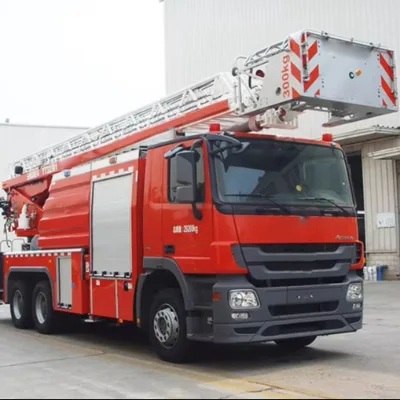
High Quality 6x4 Aerial Ladder Fire Truck PM180F1 Water Tanker Fire-Fighting Truck
$89394.74 - $93335.57
MOQ: 1 units


Keyu 6*4 Firefighting and Rescue Service Vehicles Airport Fire Truck
$20000.00 - $21000.00
MOQ: 1 pieces


Comprehensive Sourcing Guide
Strategic Sourcing Guide for 4x4 Airport Firefighting Trucks with Ladders
Understanding the Technical Architecture of Airport Rescue Vehicles
Procuring a 4x4 airport firefighting truck with a ladder requires a precise understanding of the specialized engineering required for rapid response in high-stakes environments. Unlike standard municipal fire trucks, airport rescue vehicles must balance high mobility with massive water and foam carrying capacities. Based on current market observations, the core chassis configurations for these vehicles often feature a 4x4 drive wheel arrangement, which is critical for navigating the uneven terrain of runways and taxiways. The propulsion systems typically rely on powerful diesel engines, with observed horsepower ratings ranging significantly from 150-250hp for smaller units up to 251-350hp and even exceeding 450hp for heavy-duty aerial models.
The volumetric capacity of the onboard extinguishing agents is a primary differentiator. Buyers must evaluate vehicles based on their specific tank configurations, which can vary from units holding less than 3000 liters to those with capacities between 3001-5000 liters, and large-scale units reaching 7001-10000 liters. In the context of the provided data, specific models have been observed with water tank capacities of 12,000kg and foam tank capacities of 6,100kg. The fire extinguishing agent type is frequently a dual system, combining water, foam, and dry powder to address various classes of aircraft fires. The pump pressure capabilities are equally vital, with observed maximum water pump pressures ranging from 1.0MPa to 4.0MPa, often customizable to meet specific airport operational requirements.
The physical dimensions and weight of the vehicle are constrained by airport infrastructure limits. Standard dimensions for these specialized trucks often approximate 9530mm in length, 2500mm in width, and 3500mm in height, though larger aerial units may extend to 11560mm in length with a height of 3820mm. The total vehicle weight, or Gross Vehicle Weight (GVW), is a critical metric for bridge load assessments and runway safety. Observed total weights in travel range from approximately 26,365kg to 37,300kg, depending on the payload and tank fill levels. The gradeability of these vehicles is typically rated at 30%, ensuring they can climb necessary gradients during emergency maneuvers.
Compliance and Certification Verification Protocols
Ensuring that a 4x4 airport firefighting truck meets international and local regulatory standards is non-negotiable for airport procurement. The certification landscape for these vehicles is rigorous, often requiring compliance with multiple overlapping standards. The supplied data indicates that manufacturers frequently claim compliance with GB7956, EN1846, and NFPA standards. These standards cover the structural integrity, pump performance, and overall safety of the fire apparatus. Buyers must verify that the specific unit being sourced holds valid certifications such as ISOCCC, TSEPA, EEC, CE, and RoHS. The presence of these certifications suggests adherence to environmental, safety, and quality management protocols, but they must be validated against the specific regulatory requirements of the airport's jurisdiction.
When evaluating a supplier's documentation, the distinction between "New" condition and refurbished units is paramount. The market data confirms that the majority of listed units are in "New" condition, which is the expected standard for airport infrastructure where reliability is critical. Furthermore, the emission standards for these diesel-powered vehicles are strictly regulated. The observed data points to Euro emission standards, which are essential for minimizing the environmental impact of the fleet. Buyers should explicitly request proof of emission compliance, as airport zones often have strict air quality mandates.
The customization aspect of these vehicles also plays a role in compliance. Many suppliers offer the ability to customize the product to specific needs, which can include adjusting the ladder height, pump pressure, or tank configuration. However, any customization must not void the original certifications. For instance, if a vehicle is certified under NFPA standards, any modification to the pump system or chassis must be re-evaluated to ensure continued compliance. The "Latest Model" designation often implies updated safety features and compliance with the most recent versions of these standards, but buyers should confirm the specific revision year of the standard referenced by the manufacturer.
Cost Drivers and Financial Considerations in Procurement
The financial landscape for sourcing 4x4 airport firefighting trucks is complex, influenced by a wide range of variables that affect the final price. The observed price range in the market spans from 1 USD to 1,000,000 USD, reflecting the vast difference between basic chassis configurations and fully equipped, high-specification aerial units. This wide variance indicates that the cost is not merely a function of the vehicle's size but is heavily driven by the complexity of the fire suppression system, the quality of the materials used, and the level of customization required.
Key cost drivers include the engine horsepower and the type of transmission. Units with horsepower exceeding 450hp or those equipped with automatic transmissions often command a premium over manual transmission models with lower horsepower ratings. The material composition of the tank and body is another significant factor; the use of stainless steel versus carbon steel can drastically alter the cost, with stainless steel offering superior corrosion resistance and longevity but at a higher price point. Additionally, the inclusion of advanced features such as a Max. Work Height of 72 meters or a Max. Travel Speed of 95 km/h will increase the manufacturing and engineering costs.
The Minimum Order Quantity (MOQ) is another financial consideration. The observed MOQ range is between 1 and 10 units, suggesting that while some suppliers may accept single-unit orders for custom projects, others may require a small fleet purchase to justify the setup costs. The packaging method, whether "Standard Shipping Packaging," "Customized," "Bulk Package," or "Nude," can also impact logistics costs. For international buyers, the origin of the vehicle, typically Suizhou, China, or other Chinese manufacturing hubs, will influence shipping and import duties. Buyers should factor in the total cost of ownership, including maintenance, spare parts availability, and the potential for OEM support, rather than focusing solely on the initial purchase price.
Typical Applications and Operational Scenarios
The primary application of a 4x4 airport firefighting truck with a ladder is Airport Rescue and Fire Fighting (ARFF), a specialized field governed by strict operational timelines. These vehicles are designed to respond to aircraft emergencies within a specific timeframe, often measured in minutes, to prevent loss of life and minimize damage to the aircraft. The 4x4 drive configuration is essential for accessing areas of the airfield that may be inaccessible to standard 6x6 or 4x2 vehicles, particularly in adverse weather conditions or on unpaved emergency response routes.
The ladder component of these trucks adds a critical dimension to their operational capability. While some units are classified as "Tanker" or "Rescue" vehicles, the inclusion of an aerial ladder allows for high-reach operations. This is particularly useful for rescuing passengers from upper decks of large aircraft or for applying extinguishing agents to the upper fuselage and wings where ground-based nozzles cannot reach. The observed Max. Work Height of 72 meters suggests that these vehicles are capable of handling the largest commercial aircraft currently in service. The ability to carry both water and foam in significant quantities (e.g., 12,000kg water and 6,100kg foam) ensures that the crew can suppress a wide range of fire types, from jet fuel fires to electrical fires involving avionics.
These trucks are also utilized for training exercises and routine safety inspections. The high mobility and speed (up to 95 km/h) allow them to patrol the airfield and respond to false alarms or minor incidents quickly. The payload capacity, observed at 30 tons in some configurations, allows for the transport of additional rescue equipment, such as hydraulic spreaders, cutting tools, and medical supplies, making the vehicle a multi-role asset in emergency response scenarios. The "New" condition and "Latest Model" status ensure that the technology used in these vehicles is current, incorporating the latest advancements in fire suppression and vehicle safety.
Supplier Evaluation and Quality Assurance Strategies
Evaluating suppliers for 4x4 airport firefighting trucks requires a multi-faceted approach that goes beyond simple price comparison. Buyers should prioritize suppliers who demonstrate a clear understanding of the specific demands of airport operations. The presence of OEM (Original Equipment Manufacturer) capabilities is a strong indicator of a supplier's ability to provide genuine parts and technical support. The data indicates that many suppliers offer OEM services, which is crucial for long-term maintenance and fleet standardization.
Quality control should be a central part of the supplier evaluation process. Buyers must verify that the manufacturing process adheres to the claimed standards, such as GB7956, EN1846, and NFPA. This involves reviewing the supplier's quality management systems and requesting documentation of past projects. The "Standard Shipping Packaging" or "Customized" options should be scrutinized to ensure that the vehicle will arrive in a condition suitable for immediate deployment. The "Nude" packaging option may require additional on-site assembly or protection, which could introduce risks if not managed correctly.
The location of the supplier, typically in Suizhou, China, is a known hub for fire truck manufacturing. While this offers access to a competitive market, buyers should conduct due diligence on the specific factory's track record. Requesting references from other airports or fire departments that have purchased similar vehicles can provide valuable insights into the supplier's reliability. Additionally, the supplier's ability to provide customization, as noted in the data, should be assessed. A supplier that can tailor the vehicle to specific airport needs, such as adjusting the pump pressure or ladder height, demonstrates a higher level of engineering capability.
Long-Term Procurement and Maintenance Considerations
Procuring a 4x4 airport firefighting truck is a long-term investment that requires careful consideration of maintenance, parts availability, and lifecycle costs. The "New" condition of the vehicles ensures a long initial service life, but the durability of the materials used is critical. The choice between carbon steel and stainless steel for the tank and body will significantly impact the vehicle's resistance to corrosion, especially in coastal airports where salt spray is a constant threat. Buyers should verify the material specifications to ensure they align with the environmental conditions of the airport.
The transmission type, whether manual or automatic, also influences long-term maintenance. Automatic transmissions may offer easier operation for drivers in high-stress situations but might require more specialized maintenance. The engine model, such as the Qsb6.7-C190, should be evaluated for its availability of spare parts and the reputation of the engine manufacturer. A reliable engine model with a global supply chain for parts is essential to minimize downtime during critical periods.
Customization options should be viewed through the lens of future adaptability. As airport safety regulations evolve, the ability to upgrade or modify the vehicle becomes increasingly important. Suppliers that offer "Customized" packaging and configuration options are better positioned to support these future needs. Additionally, the lead time for the vehicle and the availability of training for the operating crew are critical factors. A supplier that provides comprehensive training and support ensures that the investment yields the maximum operational benefit.
Comparative Analysis of Vehicle Specifications
To facilitate informed decision-making, the following table summarizes the key technical specifications observed in the market for 4x4 airport firefighting trucks with ladders. This comparison highlights the variability in capacity, power, and dimensions that buyers must consider when selecting a vehicle that fits their specific operational requirements.
| Specification Category | Observation Range / Specific Values | Operational Implication |
|---|---|---|
| Drive Wheel Configuration | 4×4 | Essential for off-road runway access and stability. |
| Horsepower | 150-250hp, 251-350hp, >450hp | Higher HP supports heavier loads and faster acceleration. |
| Water Tank Capacity | <3000L, 3001-5000L, 7001-10000L, 12000kg | Determines duration of fire suppression capability. |
| Foam Tank Capacity | 6100kg (observed specific) | Critical for jet fuel fire suppression. |
| Pump Pressure | 1.0MPa - 4.0MPa (Customizable) | Higher pressure allows for longer reach and better penetration. |
| Max. Work Height | 72m (observed specific) | Enables rescue and suppression on large aircraft. |
| Total Vehicle Weight | 26,365kg - 37,300kg | Impacts runway load limits and bridge safety. |
| Dimensions | 9530×2500×3500mm, 11560×2530×3820mm | Must fit within airport hangar and access road constraints. |
| Emission Standard | Euro (Diesel) | Compliance with environmental regulations. |
| Certification Standards | GB7956, EN1846, NFPA, ISOCCC, CE | Mandatory for regulatory approval and safety assurance. |
This comparative analysis underscores the importance of aligning vehicle specifications with the specific needs of the airport. A one-size-fits-all approach is rarely effective in this sector, and buyers must carefully weigh the trade-offs between capacity, power, and size to select the most appropriate asset for their fleet.
FAQs
What certifications do 4x4 airport firefighting trucks with ladder hold?
These vehicles typically hold ISOCCC, TSEPA, EEC, CE, and RoHS certifications. They are also compliant with GB7956, EN1846, and NFPA standards to ensure structural integrity and safety for airport operations.
Can I customize the water and foam tank capacity of the truck?
Yes, the product can be customized to your specific needs regarding tank volume. Observed configurations include capacities ranging from less than 3000 liters up to 10000 liters, with specific models holding 12000kg of water and 6100kg of foam.
Which engine horsepower options are available for these fire trucks?
Available horsepower ratings range from 150 to 250hp for standard units and up to 251-350hp for larger models. Heavy-duty aerial units may exceed 450hp to meet the demanding power requirements of airport rescue scenarios.
How is the fire pump pressure specified for these vehicles?
The maximum water pump pressure is typically customizable between 1.0MPa and 4.0MPa. Specific models may feature a fire rated pressure of 1 MPa, ensuring effective suppression capabilities for various aircraft fire classes.
What is the typical lead time and origin for these trucks?
These trucks originate from manufacturing hubs in Suizhou, China. While specific lead times are not listed, the vehicles are available in new condition with standard shipping or customized packaging options for international delivery.
What transmission types are offered for 4x4 airport firefighting trucks?
Both manual and automatic transmission types are available depending on the specific model configuration. Buyers can select the transmission type that best suits their operational preferences and maintenance requirements for the fleet.