Source Customized Metal Drain Channel Mold for Waterworks, Municipal Infrastructure, Transportation Engineering
Find 30 listings for Customized Metal Drain Channel Mold designed for waterworks, municipal infrastructure, and transportation engineering. Buyers can compare specifications including material grades like Q235, mold types, and surface treatments to select the right solution.
Key considerations
Products List


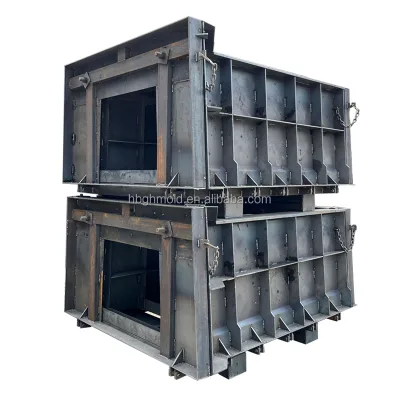
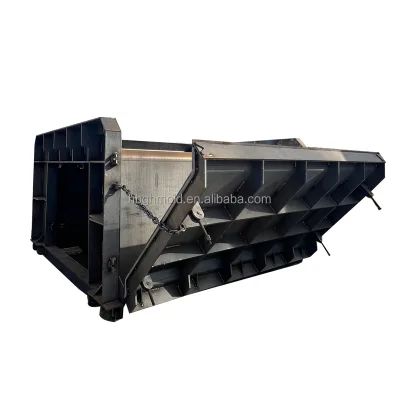
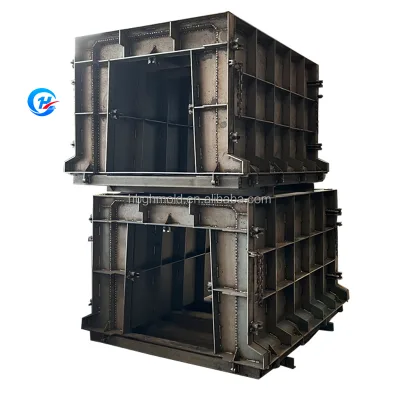
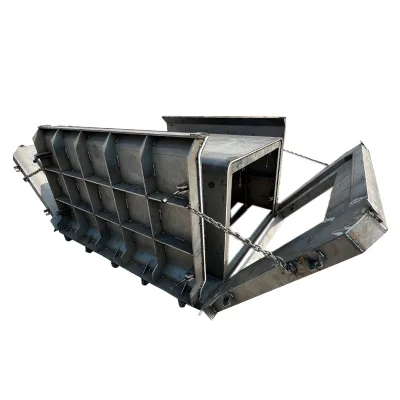
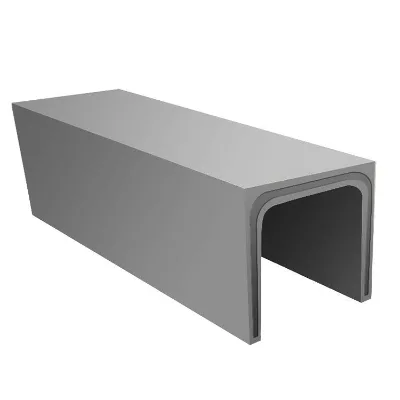
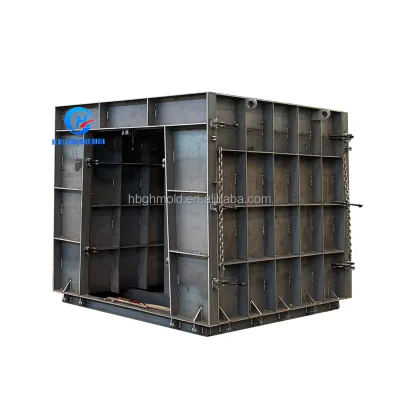

Environmentally Friendly and Recyclable U-Shaped Drainage Channel Plastic Mold
$22.00 - $25.00
MOQ: 10 Pieces

Customizable U-Shaped Drainage Channel Molds for Versatile Applications
$22.00 - $25.00
MOQ: 10 Pieces


Customizable L-Shaped Drainage Water Channel with Professional Plastic Molds
$22.00 - $25.00
MOQ: 10 Pieces


Concrete Drainage Pipe Steel Mould Manhole Pipe Mould Customized Size Large Steel Mould
$2000.00 - $6000.00
MOQ: 1 Sets

High Quality Customized Size Inspection Well Steel Mould Drainage Pipe Steel Mould
$2000.00 - $6000.00
MOQ: 1 Sets


Concrete Mould Precast Concrete Drainage Channel Mould Box Culvert Mold
$200.00 - $2000.00
MOQ: 1 Pieces
Comprehensive Sourcing Guide
Strategic Sourcing Guide for Customized Metal Drain Channel Molds
Navigating the procurement landscape for customized metal drain channel molds requires a disciplined approach that balances technical precision with supply chain reliability. These specialized tools are critical for manufacturing infrastructure components used in municipal, transportation, and waterworks sectors. The market offers a diverse array of options, ranging from standard steel plates to complex multi-cavity injection molds. Buyers must distinguish between general-purpose drainage solutions and highly engineered, custom-designed molds that meet specific project parameters. This guide outlines the essential factors for evaluating suppliers, verifying technical capabilities, and ensuring long-term value without relying on unverified market claims.
Technical Specifications and Material Selection
The foundation of a successful mold procurement lies in understanding the specific material composition and design capabilities required for the application. The supply base for customized metal drain channel molds frequently utilizes high-grade carbon steel, specifically Q235 and Q345b, which are noted for their structural integrity in heavy-duty applications. For more demanding injection molding scenarios, suppliers often offer a selection of premium mold steels including P20, 718, 738, Nak80, and S136. These materials are selected based on the required surface finish, corrosion resistance, and the volume of production expected.
Design flexibility is a paramount attribute for this category. Buyers should verify that the supplier supports "According to Your Need" specifications, allowing for full customization of size, thickness, length, and angle. The physical dimensions of the molds can vary significantly, with observed general parameters reaching up to 1000x1000x2000mm, though exact dimensions must be confirmed against the specific project blueprint. The mold type itself can be demountable, fixed, or feature hydraulic opening mechanisms, depending on the complexity of the drainage channel geometry. Common shapes include U-Shape, V-Shape, and Rectangular configurations, each requiring distinct cavity designs.
Furthermore, the internal architecture of the mold plays a crucial role in production efficiency. Many advanced units utilize a hot runner system to minimize material waste and improve cycle times. The surface finish process is typically achieved through polishing, texturing, or paning, ensuring the final product meets aesthetic and functional requirements. Buyers must confirm whether the mold is designed as a single cavity or a multi-cavity unit, as this decision directly impacts throughput and cost. The application scope is broad, covering household appliances, furniture, and heavy infrastructure, necessitating a clear definition of the end-use environment to select the appropriate steel grade and surface treatment.
Compliance, Certification, and Industry Standards
Verifying compliance and certification is a non-negotiable step in the sourcing process for industrial tooling. Reputable suppliers in this sector typically hold international certifications such as CE and ISO, which serve as baseline indicators of quality management and safety compliance. Some listings also reference RoHS compliance, indicating adherence to restrictions on hazardous substances, which is increasingly important for products destined for export markets. While ISO 9001:2008 is a recognized standard in the broader manufacturing context, buyers should specifically request current certification documents to ensure the supplier's quality management system is active and valid.
Standards compliance extends beyond general certifications to specific industry norms. The supply chain often references HASCO standards for mold components, which ensures compatibility and interchangeability of parts. However, for highly customized drain channel molds, the "prod_standard" is frequently listed as "Customized" or "According to your request." This indicates that the mold may not adhere to a rigid, pre-existing standard but rather to a bespoke specification agreed upon between the buyer and the manufacturer. Buyers must explicitly define these standards in the purchase order to avoid ambiguity.
When evaluating a supplier's documentation, look for clear evidence of their ability to meet the specific regulatory requirements of the target market. For instance, molds intended for municipal infrastructure or waterworks may require additional verification regarding material traceability and mechanical properties. The warranty period, often observed as 12 months for new units, provides a layer of protection, but the terms of this warranty must be clearly understood regarding what constitutes a defect versus normal wear and tear. Ensuring that the supplier can provide a Certificate of Conformity (CoC) and material test reports is essential for validating the claimed properties of the Q235 or Q345b steel plates used in construction.
Cost Drivers and Pricing Dynamics
Understanding the cost structure of customized metal drain channel molds is essential for budgeting and negotiation. The price range in the market is exceptionally wide, spanning from approximately 3 USD to 8000 USD, reflecting the vast difference between simple, small-scale molds and complex, large-scale industrial tooling. This variance is driven by several key factors, including the complexity of the design, the volume of cavities, the grade of steel selected, and the extent of customization required.
The Minimum Order Quantity (MOQ) is another significant variable, ranging from 1 to 1000 units. For buyers seeking a single prototype or a small batch for a specific project, a low MOQ is critical. However, for large-scale infrastructure projects, the ability to order in bulk may offer economies of scale. Buyers should be aware that "Customized" attributes often incur a premium over standard designs. The inclusion of features such as hot runner systems, specific surface treatments like polishing or texturing, and complex hydraulic opening mechanisms will increase the unit cost.
Packaging and logistics also contribute to the total cost of ownership. Options range from standard wooden boxes to containerized shipping, depending on the size and weight of the mold. The origin of the product, frequently cited as Zhejiang, China, influences shipping costs and lead times. While the base price of the mold is a primary consideration, buyers must factor in the cost of tooling maintenance, potential spare parts, and the lead time required for manufacturing. A lower upfront cost may not always translate to better value if the mold requires frequent repairs or has a shorter lifespan due to inferior material selection.
Typical Applications and Industry Suitability
Customized metal drain channel molds serve a diverse range of industries, each with unique requirements for durability and performance. The primary applications identified in the market include municipal infrastructure, waterworks, and transportation engineering. In these sectors, the molds are used to produce drainage channels that must withstand heavy loads, harsh environmental conditions, and continuous water flow. The ability of the mold to produce channels with anti-corrosion and anti-cold properties is particularly valuable for outdoor and subterranean applications.
Beyond heavy infrastructure, these molds are also utilized in the manufacturing of household products and hardware. The versatility of the design allows for the production of drainage solutions for furniture and household appliances, where aesthetics and precise dimensions are equally important. The "General Parameters" observed, such as dimensions up to 2000mm in length, suggest that these molds are capable of producing large-scale components for roads, airports, and industrial facilities.
The application of the mold is often dictated by the specific design requirements of the end product. Whether the goal is to create a U-shaped channel for a highway or a rectangular trough for a residential complex, the mold must be tailored to the specific geometry. The "Usage" is described as "According to Design," highlighting the need for a collaborative approach between the buyer and the supplier to ensure the final product meets the intended function. Buyers should clearly communicate the intended industry and environmental conditions to ensure the selected mold material and surface treatment are appropriate for the application.
Supplier Evaluation and Verification
Evaluating a potential supplier requires a rigorous assessment of their capabilities, inventory, and track record. One of the key indicators of a reliable supplier is the presence of "Sufficient Inventory," which suggests the ability to deliver components or molds quickly without long delays. However, for highly customized orders, the focus should shift to the supplier's design and manufacturing capacity. Buyers should verify the supplier's proficiency with design software like AutoCAD, as this is a standard tool for creating the precise blueprints required for mold fabrication.
The condition of the product is typically listed as "New," but buyers should request photos or videos of the actual manufacturing process or finished units to verify quality. The "Function" of the mold, such as anti-corrosion capabilities, should be backed by material specifications rather than marketing claims. Suppliers offering "OEM" services and "Customizable" options demonstrate flexibility, but the buyer must ensure that the customization process is well-documented and that the supplier has a clear workflow for handling design changes.
Location is another factor to consider. With a significant concentration of suppliers in Zhejiang, China, buyers should be prepared to navigate international logistics and potential communication barriers. The "prod_packing" options, ranging from wooden boxes to containers, should be evaluated based on the fragility of the mold and the shipping method. A supplier that offers "According to Your Needs" packing demonstrates a customer-centric approach, which is crucial for protecting high-value tooling during transit.
Quality Control and Long-Term Procurement
Ensuring the quality of the mold is critical to the success of the production run. Quality control measures should include rigorous inspection of the mold cavity, surface finish, and dimensional accuracy. The "Surface Finish Process," which may involve polishing, texturing, or paning, must be executed to the specified tolerance to prevent defects in the final product. Buyers should request a pre-shipment inspection report or a third-party quality assurance certificate to verify that the mold meets the agreed-upon standards.
Long-term procurement considerations extend beyond the initial purchase. The warranty period, often cited as 12 months, provides a safety net for manufacturing defects, but buyers should also consider the availability of spare parts and maintenance services. The "Mold Type," whether demountable or fixed, affects the ease of maintenance and the lifespan of the tool. A supplier that offers ongoing support and technical assistance is invaluable for troubleshooting issues that may arise during production.
Sustainability is also becoming a relevant factor in procurement. Some suppliers highlight "Sustainable" features, which may refer to the use of recyclable materials or energy-efficient manufacturing processes. While this is a positive attribute, buyers should verify the specific claims to ensure they align with their corporate sustainability goals. Ultimately, the goal is to establish a long-term partnership with a supplier who can deliver consistent quality, adhere to timelines, and support the buyer's evolving needs in the Customized Metal Drain Channel Mold market.
Comparative Analysis of Mold Attributes
To facilitate decision-making, the following table summarizes key attributes observed in the market for customized metal drain channel molds. This comparison helps buyers identify the specific features that align with their project requirements.
| Attribute Category | Standard/Observed Options | Customization Capability |
|---|---|---|
| Material | Q235, Q345b, P20, 718, 738, Nak80, S136 | High (Select based on application) |
| Mold Type | Demountable, Fixed, Hydraulic Opening | High (Design dependent) |
| Cavity Design | Multi Cavity, Single Cavity | High (According to Design) |
| Runner System | Hot Runner | Available |
| Surface Finish | Polishing, Texture, Paning | High (Customized) |
| Shape | U-Shape, V-Shape, Rectangular | High (Customizable) |
| Certification | CE, ISO, RoHS | Variable (Verify specific docs) |
| Origin | Zhejiang, China | N/A |
| Warranty | 12 Months (Typical) | Negotiable |
| Packing | Wooden Box, Container, Others | High (According to Needs) |
This structured overview underscores the importance of defining precise requirements before engaging with suppliers. By focusing on these specific attributes, buyers can streamline the sourcing process and ensure the acquisition of a mold that delivers optimal performance and value.
FAQs
What certifications do these molds typically hold?
These molds typically hold CE and ISO certifications, with some listings also including RoHS compliance. Buyers should verify current certification documents to ensure quality management systems are active and valid for their specific project needs.
Which materials are used for manufacturing these molds?
Manufacturers use high-grade carbon steel like Q235 and Q345b for drainage channels, while injection molds often feature P20, 718, or S136 steel. The material selection depends on the required surface finish, corrosion resistance, and production volume.
Can the mold dimensions be customized to specific needs?
Yes, dimensions can be fully customized to meet specific project blueprints, with sizes reaching up to 1000x1000x2000mm. Buyers must explicitly define these specifications to ensure the mold meets the intended geometry and functional requirements.
How is the surface finish of the mold treated?
The surface finish is achieved through polishing, texturing, or paning processes to meet aesthetic and functional standards. This treatment ensures the final product meets specific requirements for durability and appearance in various applications.
What is the typical warranty period for new molds?
The typical warranty period for new units is 12 months, covering defects under normal usage conditions. Buyers must clearly understand the warranty terms regarding what constitutes a defect versus normal wear and tear during the production run.
Which industries commonly use these customized drain channel molds?
These molds are commonly used in municipal infrastructure, waterworks, and transportation engineering sectors. They are also applied in manufacturing household products and hardware where precise drainage solutions are required for furniture and appliances.
Can the mold design include multi-cavity configurations?
Yes, the mold design can include multi-cavity configurations to increase production throughput and efficiency. Buyers should confirm whether the unit is single or multi-cavity as this decision directly impacts cost and manufacturing capacity.